

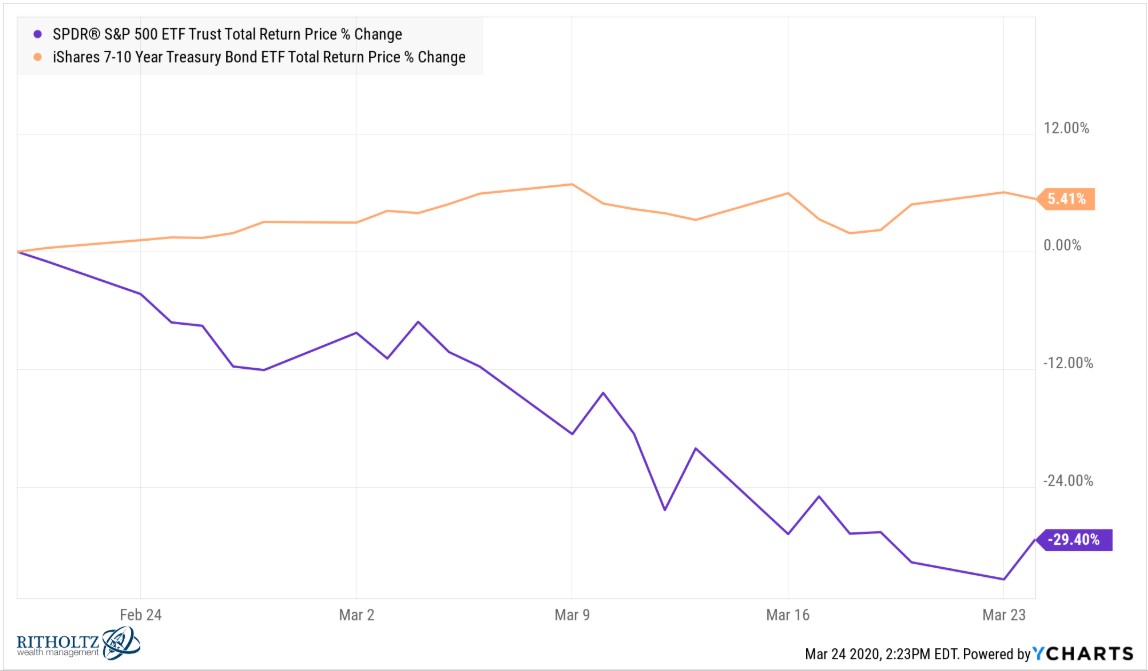
A market crash is unsettling at any age, but it can feel especially personal after retirement. When paychecks have stopped and investments are expected to fund groceries, travel, home repairs, and the occasional grandchild-sponsored ice cream emergency, a falling portfolio is more than an ugly chart. It can affect how much income a retiree can safely withdraw and how long the money may last.
Still, a stock market crash does not affect every retiree equally. Someone living mainly on Social Security and a traditional pension may feel little immediate change. A newly retired investor taking large withdrawals from a stock-heavy 401(k) may face far more pressure. The outcome depends on income sources, asset allocation, spending flexibility, taxes, health costs, and whether decisions are guided by a plan rather than panic.
Why a Market Crash Can Be More Dangerous After Retirement
Workers can often respond to a decline by continuing to earn, contribute, and wait. Retirees are usually withdrawing money instead. That difference can turn ordinary volatility into a larger retirement risk.
“`
Sequence-of-Returns Risk
Sequence-of-returns risk is the danger of suffering poor investment returns early in retirement while taking withdrawals. Even if long-term average returns eventually look acceptable, the order of gains and losses matters.
Consider a retiree with an $800,000 portfolio who plans to withdraw $32,000 annually. If the portfolio falls 25%, it drops to $600,000. After the withdrawal, the balance is $568,000. It would then need to gain roughly 41% merely to return to $800,000, ignoring future withdrawals. Selling shares while prices are depressed leaves fewer shares available for the recovery.
Less Time to Rebuild
Markets have historically recovered from downturns, but the timing is unpredictable. A recovery lasting several years may be manageable for a younger worker with decades of contributions ahead. For a retiree funding current expenses, several weak years near the beginning can reduce the plan’s durability. Longevity adds pressure because savings may need to support one or two people into their 90s.
“`
Which Retirement Income Sources Are Affected?
“`
401(k)s, IRAs, and Taxable Accounts
Investment accounts usually feel the direct impact. A portfolio dominated by stocks may fall sharply in an equity bear market, while real estate funds, international stocks, and lower-quality bonds may also decline. Even high-quality bond funds can lose value when interest rates rise quickly.
Diversification cannot guarantee a profit, but it can reduce dependence on one asset class. A mix of stocks, bonds, and cash may give retirees alternatives to selling depressed investments.
Social Security
Stock prices do not directly determine an individual’s monthly Social Security retirement benefit. Benefits are based mainly on covered lifetime earnings and claiming age, while cost-of-living adjustments follow an inflation measure rather than the stock market. This makes Social Security a relatively stable income source during market turmoil.
A crash can still influence claiming decisions. Someone who planned to delay benefits may claim earlier because investments have fallen or work has disappeared. That provides immediate income, but claiming earlier generally produces a lower monthly payment than waiting, especially up to age 70.
Pensions and Annuities
A traditional defined-benefit pension generally promises a formula-based monthly payment, so a retiree does not watch a personal pension balance move with the market. Some private pensions have federal protection through the Pension Benefit Guaranty Corporation, although guarantees have limits and do not cover every plan or every promised dollar.
Fixed annuities may also provide steadier payments, subject to the insurer’s claims-paying ability and contract terms. Variable annuity account values can fluctuate, and guarantees, fees, withdrawal limits, and surrender charges vary widely.
Required Minimum Distributions
Most owners of traditional IRAs and similar tax-deferred accounts must begin required minimum distributions at the applicable federal age, currently 73 for many retirees. The calculation generally uses the prior December 31 balance and an IRS life-expectancy factor.
If a crash occurs after year-end, the required distribution may be based on a higher previous balance even though the account is now worth less. An RMD does not have to be spent, but it generally must leave the tax-deferred account and may create taxable income.
“`
How a Market Crash Changes Daily Retirement Life
“`
Spending May Need to Become Flexible
A flexible withdrawal plan treats spending more like a dimmer switch than an on-off switch. Essential expenses remain funded, while travel, gifts, renovations, and major purchases can be temporarily reduced. Even a modest one- or two-year cut in portfolio withdrawals can give investments more room to recover.
Healthcare Costs Keep Arriving
Medical expenses do not politely wait for the S&P 500 to recover. Medicare premiums, supplemental coverage, prescriptions, dental care, hearing services, and long-term care can continue during a downturn. A dedicated emergency reserve or health savings account can reduce the need to sell investments for medical bills.
Recessions Can Reduce Work Opportunities
Market crashes and recessions are related but not identical. When they occur together, retirees who planned to supplement income with consulting or part-time work may find fewer opportunities. Pre-retirees may face layoffs and retire earlier than planned, precisely when portfolios are down. When practical, working even one additional year can add earnings, reduce withdrawals, increase savings, and shorten the retirement period that must be financed.
Fear Can Become a Financial Risk
Retirees may sell everything after a decline, avoid reasonable spending, or move permanently to cash. Cash can reduce short-term volatility, but it also carries inflation risk and may not provide enough long-term growth. Fear also attracts scammers promising guaranteed high returns or “crash-proof” products. No honest investment professional can promise strong returns with no risk.
“`
Practical Ways Retirees Can Respond
“`
1. Separate Near-Term Income From Long-Term Growth
A bucket strategy divides money by time horizon. A short-term bucket may hold cash and liquid, lower-volatility assets for near-term expenses. An intermediate bucket may hold high-quality bonds. A long-term bucket may hold diversified stocks for future growth. The purpose is not magic; it is to reduce forced selling during a temporary decline.
2. Review the Withdrawal Rate
The familiar 4% rule is a starting guideline, not a retirement speed limit. Sustainable withdrawals depend on retirement length, asset mix, fees, taxes, inflation, guaranteed income, and spending flexibility. If a $1 million portfolio falls to $750,000 while annual withdrawals remain $50,000, the current withdrawal rate rises from 5% to about 6.7%. That change deserves attention.
3. Rebalance Instead of Guessing
A crash may push a portfolio away from its target mix. Rebalancing restores the intended allocation by buying or selling according to a documented plan. It creates a disciplined framework for buying relatively depressed assets instead of trying to predict the exact market bottom, a sport in which professionals regularly trip over their shoelaces.
4. Coordinate Taxes
Lower prices may create opportunities to harvest capital losses, rebalance with smaller tax consequences, or consider a Roth conversion while a traditional IRA is worth less. However, conversions create taxable income and can affect Medicare premiums, Social Security taxation, deductions, and tax brackets. Decisions should be coordinated across several years, not made because television declared a “once-in-a-generation opportunity.”
5. Protect Cash Reserves
Cash for home repairs, medical expenses, deductibles, and family emergencies can prevent high-interest borrowing or forced investment sales. The appropriate amount depends on guaranteed income, monthly expenses, debt, and risk tolerance.
6. Review the Entire Plan
Check asset allocation, concentration in one company or sector, fund fees, upcoming RMDs, insurance, beneficiaries, debt, and major purchases. The useful question is not, “What will the market do next Tuesday?” It is, “Can this plan fund my priorities under several plausible scenarios?”
“`
Who Is Most Vulnerable?
The greatest risk often falls on newly retired people who hold concentrated or stock-heavy portfolios, depend heavily on investment withdrawals, carry substantial debt, have little cash, or cannot reduce spending. A surviving spouse managing finances for the first time may also be vulnerable, as may anyone facing cognitive decline or aggressive financial sales pitches.
Retirees with several stable income sources generally have more resilience. Social Security, pensions, rental income, part-time work, and conservative reserves can cover essential spending while growth investments recover.
A Market-Crash Checklist for Retirees
- Calculate how much essential spending is covered by guaranteed income and liquid reserves.
- Identify which assets would be used first if the downturn lasts several years.
- Separate essential spending from purchases that can be postponed.
- Check the current withdrawal percentage and upcoming RMDs.
- Rebalance according to a target, not a prediction.
- Review tax effects before selling, converting, or transferring large amounts.
- Verify advisers and “safe” products before moving money.
Experience-Based Lessons: What Retirees Often Discover During a Crash
The following composite experiences are illustrative rather than accounts of specific individuals. They reflect common decisions retirees face when markets fall.
“`
The Retiree Who Sold for Emotional Relief
Imagine Carol, age 67, retiring with $900,000 invested mostly in stock funds. After a steep decline, her account falls below $700,000. She sleeps poorly, watches financial news for several hours a day, and finally sells most of the portfolio for cash. The decision brings immediate emotional relief. The account stops falling, and so does her blood pressure every time a red arrow appears on television.
The relief has a cost. Carol has locked in losses and now faces a second difficult decision: when to reinvest. Markets begin recovering before the economic news improves, but she remains cautious. By the time she feels comfortable buying again, prices are much higher. Her experience shows that a portfolio can be mathematically suitable yet emotionally unsuitable. A better plan might have held more bonds and cash before the crash, allowing her to remain invested without feeling trapped.
The Couple Who Used Spending Guardrails
Now consider James and Robert, both 72. Their essential expenses are largely covered by Social Security and a small pension, while their IRA pays for travel, gifts, and home projects. When markets decline, they postpone a kitchen renovation, reduce their annual IRA withdrawal, and use cash already reserved for a planned vacation. They do not abandon travel; they trade an expensive overseas itinerary for a road trip with an alarming number of roadside pie stops.
Because their lifestyle has adjustable expenses, they avoid selling a large amount of stock during the downturn. When the portfolio later recovers, they restore some discretionary spending. Their lesson is not that retirees should stop enjoying money. It is that distinguishing needs from wants creates choices, and choices are valuable when markets are uncooperative.
The Pre-Retiree Who Delayed by One Year
Finally, picture Denise, age 64, who planned to retire in December. A market crash reduces her 401(k), and a recession raises concerns about health insurance and future expenses. After reviewing her numbers, she works one additional year. During that year she continues contributing to her retirement plan, avoids withdrawals, pays down the remaining car loan, and builds a larger cash reserve.
Delaying retirement is not practical or desirable for everyone. Health, caregiving, layoffs, and workplace stress can remove the option. For Denise, though, one more year improves several variables at once. She enters retirement with less debt, more liquidity, and a shorter period to finance. The experience demonstrates why retirement timing should be treated as a flexible range when possible, rather than a date carved into a novelty desk plaque.
The Shared Lesson
These experiences point to the same conclusion: retirees usually cannot control the market, but they can control the structure around it. Asset allocation, cash reserves, withdrawal rules, tax planning, spending flexibility, and trusted decision-making support can turn a frightening decline into a manageable planning event. The goal is not to avoid every temporary loss. It is to avoid choices that permanently damage the retirement plan.
“`
Conclusion
So, how does a market crash impact retirees? It can reduce account values, increase the effective withdrawal rate, amplify sequence-of-returns risk, delay retirement, and create emotional pressure to sell. The effect is greatest for newly retired people who rely heavily on volatile investments and have little room to adjust spending.
Yet a crash does not automatically ruin retirement. Stable income from Social Security or pensions, diversified investments, reasonable withdrawals, cash reserves, tax-aware decisions, and temporary spending adjustments can provide meaningful protection. A durable retirement plan is not built on the assumption that markets will behave. It is built knowing that markets occasionally behave like a shopping cart with one bad wheeland the plan must keep moving anyway.
Note: This article provides general educational information and does not constitute individualized investment, tax, legal, or retirement-planning advice. Examples are hypothetical, and readers should consider consulting qualified professionals about their crcumstances.