

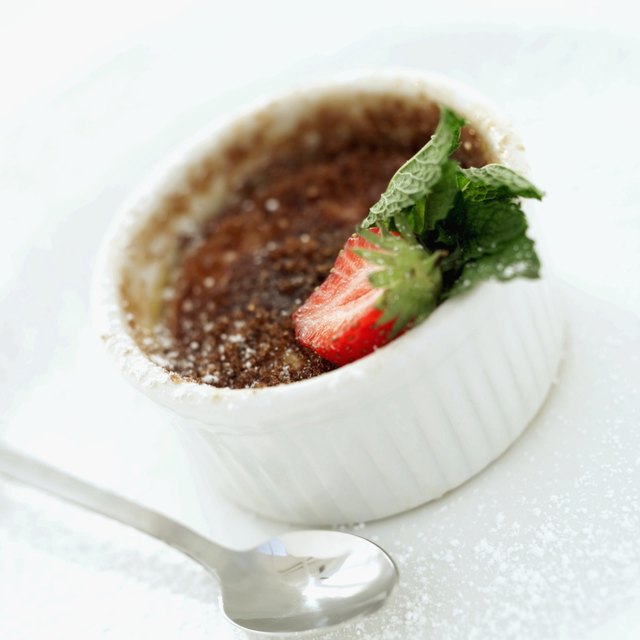
Creme brulee is one of those desserts that looks like it should require a culinary degree, a French accent, and perhaps a tiny gold spoon approved by a pastry committee. In reality, it is one of the best make-ahead desserts you can serve. The custard wants time to chill. The vanilla flavor deepens as it rests. And the dramatic sugar-cracking moment can happen right before dessert, when everyone is already full but suddenly finds “just a little room.”
So, how far in advance can you cook creme brulee? For the best balance of food safety, flavor, and texture, cook the custards 1 to 2 days ahead. You can usually make them up to 3 days ahead if they are cooled properly, covered, and refrigerated at 40°F or below. Some cooks stretch it to 4 days from a food-safety standpoint, but quality may begin to decline. The sugar topping, however, should be caramelized right before serving because the crisp shell softens quickly in the refrigerator.
In other words: bake early, torch late. That is the golden rule of creme brulee planning.
The Short Answer: Cook It 1–2 Days Ahead for Best Results
If you are preparing creme brulee for a dinner party, holiday meal, anniversary dinner, or “I just wanted to use my kitchen torch” Tuesday, the sweet spot is to bake the custards the day before serving. This gives the custard enough time to chill completely and firm up into that silky, spoonable texture creme brulee is famous for.
A practical make-ahead timeline looks like this:
- Best quality: Cook creme brulee 1 day in advance.
- Still excellent: Cook it 2 days in advance.
- Usually acceptable: Cook it 3 days in advance if stored properly.
- Possible but less ideal: Up to 4 days, mainly from a leftover-food safety perspective, but the custard may lose freshness.
- Do not caramelize ahead: Torch the sugar topping just before serving.
The custard is made with cream, egg yolks, sugar, and vanilla. Because it contains eggs and dairy, it must be handled like a perishable food. That means cooling it promptly, refrigerating it properly, and not letting it lounge around at room temperature like it is waiting for a spa appointment.
Why Creme Brulee Is Actually a Perfect Make-Ahead Dessert
Many desserts punish you for making them too early. Souffles collapse. Crisps get soggy. Cakes dry out. Creme brulee is different. It needs chilling time after baking, so making it ahead is not just convenient; it is part of the process.
The Custard Needs Time to Set
After baking, creme brulee may look slightly wobbly in the center. That gentle jiggle is a good sign. As the custard cools, the egg proteins continue to firm up, and the cream settles into a smooth texture. Most recipes recommend chilling the custards for at least 2 to 4 hours, but overnight chilling gives more dependable results.
If you serve creme brulee too soon, the custard may taste good but feel loose, warm, or pudding-like instead of elegant and creamy. Give it time, and it becomes the dessert equivalent of a velvet chair.
Vanilla Flavor Improves After Resting
Creme brulee is simple, which means every ingredient has nowhere to hide. A custard made with real vanilla bean, vanilla paste, or high-quality extract often tastes more rounded after several hours in the refrigerator. The cream absorbs the vanilla, the sweetness mellows, and the dessert tastes more polished.
This is one reason restaurants love creme brulee. They can cook the custards ahead, hold them cold, and finish each portion with sugar and fire when ordered. It is theater with a prep list.
How Long Can Cooked Creme Brulee Stay in the Refrigerator?
Cooked creme brulee can generally stay in the refrigerator for 3 to 4 days when stored safely at 40°F or below. However, the best eating quality is usually within the first 1 to 2 days. By day 3, the custard may still be safe if handled correctly, but it can begin to pick up refrigerator odors, develop condensation, or lose its delicate texture.
Think of it this way: food safety gives you the outer limit, while dessert quality gives you the polite recommendation. Creme brulee may technically survive longer than your dinner-party enthusiasm, but it is best when fresh.
Best Storage Method
After baking, remove the ramekins from the water bath and let them cool until they are no longer hot. Do not leave them sitting out for hours. Once cooled, cover each ramekin tightly with plastic wrap or a lid and refrigerate. If using plastic wrap, avoid pressing it directly onto the custard surface because it may damage the smooth top.
Store the custards on a stable refrigerator shelf rather than the door. The refrigerator door experiences more temperature swings, and creme brulee is not interested in drama unless it involves a torch.
Watch for Moisture
Condensation is common when chilled custards are covered. Before adding sugar, gently blot the surface with a clean paper towel. A dry surface helps the sugar caramelize evenly and prevents a patchy, wet crust.
Can You Make Creme Brulee 3 Days Ahead?
Yes, you can make creme brulee 3 days ahead, provided it is cooked, cooled, covered, and refrigerated properly. This is a useful timeline for big events because it frees up oven space and reduces last-minute stress. Still, 3 days ahead is close to the edge of ideal quality.
If you are cooking for guests, 1 to 2 days ahead is better. If you are cooking for yourself and understand that the texture may not be quite as pristine, 3 days is usually fine. The custard should smell fresh, look smooth, and have no signs of separation, sourness, or watery pooling.
When 3 Days Ahead Works Well
Making creme brulee 3 days ahead is most successful when:
- The ramekins are shallow and chill quickly.
- The custards are not overbaked.
- The refrigerator stays at 40°F or below.
- The custards are tightly covered after cooling.
- The sugar topping is added only at the last minute.
Deeper ramekins hold heat longer and can take more time to cool, which is not ideal for food safety or texture. Shallow ramekins are the classic choice because they provide more surface area for the crisp caramel topping. More crackly sugar per spoonful? That is not science fiction; that is dessert engineering.
Can You Make Creme Brulee 4 Days Ahead?
Four days is possible from a general refrigerated-leftover perspective, but it is not the best recommendation for creme brulee quality. Custard is delicate. After several days, it may start to weep, loosen, or absorb flavors from the refrigerator. Nobody wants a vanilla custard with mysterious “leftover onion” undertones.
If you must make creme brulee 4 days ahead, keep it very cold, cover it well, and inspect it before serving. Do not serve it if it smells sour, tastes off, appears curdled, or has excessive liquid on top. When in doubt, throw it out. Dessert should be memorable for the right reasons.
Can You Make the Custard Mixture Ahead Before Baking?
Yes, you can prepare the unbaked custard mixture ahead, but the window is shorter. A raw egg-and-cream mixture should be covered and refrigerated, then baked within about 24 hours. This can be handy if you want to infuse the cream with vanilla, mix the custard, and bake the next morning.
For best results, whisk gently when mixing. Too much air creates bubbles, and bubbles can leave small craters on the custard surface. If you see foam after mixing, skim it off before pouring the custard into ramekins. Creme brulee should look like a calm lake, not a bubble bath.
Should You Bake or Hold the Raw Custard?
If your schedule allows, bake the custard first and store the cooked ramekins. Cooked creme brulee is easier to manage than raw custard and gives you a more reliable serving timeline. Raw custard can separate slightly in the refrigerator, and you will still need to bake, cool, and chill it later.
The most efficient plan is simple: bake the custards the day before, refrigerate overnight, and caramelize the sugar shortly before serving.
When Should You Add the Sugar Topping?
Add the sugar topping right before serving. This is the most important make-ahead rule. The custard can wait in the refrigerator, but the caramelized sugar shell cannot.
Once sugar is torched, it begins absorbing moisture from the custard and the surrounding air. In as little as 20 to 60 minutes, that glassy crack can soften. Refrigeration makes the problem worse because the cold environment encourages condensation. The topping may become sticky, chewy, or syrupy instead of crisp.
Best Sugar for Creme Brulee
Regular granulated sugar is the most reliable choice. It melts evenly, caramelizes well, and creates a thin, crisp shell. Superfine sugar also works because it melts quickly, but it can burn faster. Brown sugar contains more moisture, so it may clump or create a less even crust unless it is dried or sifted first.
Use a thin, even layer of sugar. Too little sugar creates bald patches. Too much sugar creates a thick crust that requires longer torching and may warm the custard too much. Aim for enough sugar to lightly coat the surface, then tilt and tap the ramekin to spread it evenly.
Can You Torch Creme Brulee Ahead of Time?
You can torch creme brulee slightly ahead of time, but only by a short window. If absolutely necessary, caramelize the sugar 30 minutes before serving and keep the ramekins chilled. Some cooks can stretch that window to about 1 hour, but the topping will gradually lose its crisp texture.
For the best experience, torch at the table or just before the plates go out. The contrast between cold custard and warm, brittle sugar is the whole point. Without that contrast, creme brulee becomes very nice vanilla pudding wearing a tired caramel hat.
Kitchen Torch vs. Broiler
A kitchen torch gives the best control. You can move the flame in small circles and caramelize the sugar without overheating the custard. A broiler can work, but it is less precise and may warm or even curdle the custard if the ramekins sit under the heat too long.
If using a broiler, place the chilled ramekins close to the heat source, watch constantly, and rotate as needed. This is not the time to answer a text message. Sugar goes from golden to “campfire evidence” very quickly.
Food Safety Rules for Make-Ahead Creme Brulee
Creme brulee contains eggs and dairy, so safe handling matters. The goal is to move the custard efficiently through cooking, cooling, and refrigeration.
Cool and Refrigerate Promptly
After baking, let the ramekins cool until they are safe to handle, then refrigerate them. Do not leave cooked custards at room temperature for more than 2 hours. If the room is very hot, the safe window is shorter. A refrigerator thermometer is a smart tool because the fridge should stay at 40°F or below.
Cook the Custard Properly
Creme brulee should be baked gently in a water bath until the edges are set and the center still jiggles slightly. The water bath protects the custard from harsh heat and helps prevent curdling. Overbaked creme brulee can turn grainy, rubbery, or scrambled at the edges.
For safety, egg-based dishes are commonly cooked to 160°F. For texture, bakers often rely on visual cues: set edges, a trembling center, and no liquid sloshing beneath the surface. If you use an instant-read thermometer, insert it carefully near the center and avoid touching the bottom of the ramekin.
Use Clean Tools
Use clean ramekins, clean utensils, and fresh ingredients. If you separate eggs by passing yolks between shell halves, be careful because shells can carry bacteria. Many cooks prefer separating eggs with clean hands or an egg separator, then washing thoroughly afterward.
How to Plan Creme Brulee for a Dinner Party
The easiest dinner-party plan is to divide the work into two calm stages: custard day and fire day.
Two Days Before Serving
Shop for ingredients, check that you have enough ramekins, and make sure your torch has fuel. Nothing humbles a host faster than standing over six perfect custards with a torch that produces the enthusiasm of a birthday candle.
One Day Before Serving
Make and bake the custards. Cool them, cover them, and refrigerate overnight. This is the ideal schedule because the custard sets fully and the flavor improves, while the dessert still tastes fresh.
Serving Day
About 10 to 20 minutes before dessert, remove the custards from the refrigerator. Blot away surface moisture, sprinkle with sugar, and torch until evenly caramelized. Serve immediately for the most satisfying crack.
Common Make-Ahead Mistakes to Avoid
Adding Sugar Too Early
This is the number-one mistake. Sugar belongs on creme brulee shortly before torching, not the night before. If you sprinkle sugar and refrigerate the custards, the sugar dissolves into a wet layer. That layer will not caramelize cleanly and may taste syrupy.
Covering Hot Custards
If you cover hot custards tightly, steam gets trapped and rains back onto the surface. Let them cool first, then cover and refrigerate. A little patience prevents puddles.
Overbaking the Custard
Creme brulee should not be baked until firm like cheesecake. It should tremble in the center when moved. Overbaking creates a grainy texture and can make storage problems worse because the custard may separate as it sits.
Using Too Much Sugar on Top
A thick sugar layer takes longer to melt. Longer torching means more heat, and more heat can warm the custard. A thin, even layer gives the best shatter.
Can You Freeze Creme Brulee?
Freezing creme brulee is not recommended for best quality. Custards made with eggs and cream often become watery, grainy, or separated after freezing and thawing. The texture that makes creme brulee special is fragile, and the freezer is not gentle with it.
If you need a dessert that can be frozen, choose cheesecake, panna cotta, ice cream, or a baked tart instead. Creme brulee prefers the refrigerator, where it can remain elegant and only slightly high-maintenance.
How to Tell If Creme Brulee Has Gone Bad
Before serving make-ahead creme brulee, inspect it carefully. Discard it if you notice any of the following:
- A sour or unpleasant smell
- A curdled, broken, or unusually watery texture
- Mold or discoloration
- A fizzy, fermented, or bitter taste
- Storage longer than the safe refrigerated window
Do not try to rescue questionable custard by torching the top. Fire is dramatic, but it is not a magic wand for food safety.
Best Answer by Situation
For a Restaurant-Style Dinner Party
Cook the creme brulee 1 day ahead. Chill overnight. Torch just before serving. This gives you the best flavor, texture, and presentation.
For a Holiday Meal
Cook the custards 2 days ahead if oven space is limited. Keep them covered and cold. Add sugar and caramelize after dinner, right before dessert.
For Meal Prep or Personal Desserts
Cooked custards can be refrigerated for up to 3 days for best quality. If you are not serving guests, day 4 may still be acceptable if the custards were handled safely, but check freshness carefully.
For Transporting
Transport chilled, covered custards in a cooler with ice packs. Do not torch them before traveling. Add sugar and caramelize at the destination, if possible.
Extra Experience: What Actually Works When Making Creme Brulee Ahead
After making creme brulee for home dinners, birthdays, holiday tables, and the occasional “I bought a torch and now everything must be brûléed” weekend, the biggest lesson is this: creme brulee rewards calm planning. It is not a dessert that likes rushing. When you bake it in the afternoon and expect to serve it two hours later, it may behave, but it will not be at its best. When you make it the day before, it suddenly becomes smoother, colder, firmer, and easier to finish beautifully.
The best personal timeline is to bake the custards the evening before serving. I like to pull them from the oven when the edges look set but the center still gives a soft wobble. At first, this can feel wrong. The beginner instinct is to keep baking until the custard looks completely firm. Resist that urge. A fully firm custard in the oven often becomes an overcooked custard in the refrigerator. The center should move slightly, like it is nodding politely, not waving for help.
Another useful habit is cooling the ramekins carefully. After baking in a water bath, the dishes are hot and surrounded by hot water, so rushing can lead to splashes, burns, or cracked custards. I remove the ramekins from the pan, place them on a rack, and let them cool until they are no longer steaming. Then I cover and refrigerate them. This prevents excess condensation while still keeping the food-safety clock in mind.
The next day, the custards are usually much easier to handle. The surface may have a few tiny droplets of moisture, especially if the plastic wrap trapped humidity. That is normal. A gentle blot with a paper towel makes a big difference. If you skip this step, the sugar may dissolve unevenly and caramelize in patches. A dry surface gives you that smooth, amber shell that makes people tap the spoon like they are testing a tiny dessert window.
For the topping, less sugar works better than more. A thin, even layer melts faster and creates a delicate crack. A heavy layer may look generous, but it can become thick, bitter, or chewy. I prefer adding sugar, tilting the ramekin to coat the top, and pouring off the excess. It feels fussy for about five seconds, and then it pays off.
Timing the torch is also important. If guests are present, torching creme brulee becomes part of the fun. The flame, the bubbling sugar, the caramel aromasuddenly dessert has special effects. But if you torch too early and place the custards back in the refrigerator, the crust loses its charm. It may still taste good, but the crack becomes a bend. Creme brulee without the crack is like a drum solo performed on a pillow.
If you are serving a crowd, line the ramekins on a heat-safe tray, blot them, sugar them, and torch them assembly-line style. Move the flame constantly and stop when the sugar is melted and deep golden. A few darker spots are delicious; a fully black surface tastes bitter. Serve within minutes, and listen for the spoon crack. That sound is the dessert saying, “Yes, you planned this correctly.”
Conclusion: Bake Ahead, Brulee at the Last Minute
So, how far in advance can you cook creme brulee? The best answer is one day ahead, with two days also working very well. Three days ahead is usually acceptable if the custards are cooled promptly, covered, and refrigerated at 40°F or below. Four days may be possible from a general leftovers perspective, but it is not ideal for flavor or texture.
The custard is the make-ahead part. The sugar crust is the grand finale. Keep them separate until the last moment, and you will get everything creme brulee should deliver: cold vanilla custard, warm caramel aroma, and that dramatic spoon-cracking moment that makes everyone at the table briefly forget they were “too full for dessert.”