

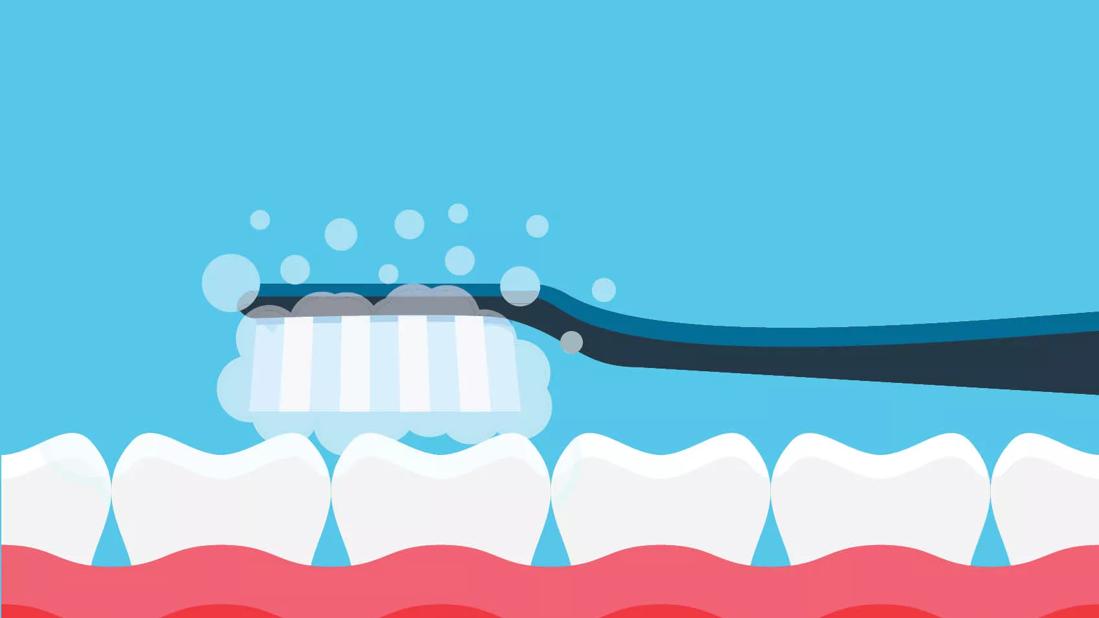
Brushing your teeth sounds like one of those things nobody should need explained. You pick up a toothbrush, add toothpaste, scrub until your mouth feels less like a cave, and move on with your day. Easy, right? Well, yes and no. The truth is that many people brush their teeth every day and still miss plaque, irritate their gums, rush the process, or brush at the wrong time after acidic foods. Your toothbrush is a tiny tool, not a magic wand.
So, how long should you brush your teeth? The simple answer is: brush for two full minutes, twice a day, using fluoride toothpaste. That routine gives your teeth enough time to get cleaned properly without turning your enamel and gums into victims of overenthusiastic scrubbing. But the better answer is a little more interesting. Timing, technique, pressure, toothbrush type, toothpaste, flossing, and even your breakfast choices all matter.
This guide breaks down how long and how often to brush your teeth, why the two-minute rule matters, when to brush, what mistakes to avoid, and how to build a realistic oral hygiene routine that does not feel like a punishment invented by dental floss companies.
The Golden Rule: Brush for Two Minutes, Twice a Day
The most widely recommended brushing routine is simple: brush your teeth twice a day for at least two minutes each time. That usually means once in the morning and once before bed. Think of it as the “2-by-2 rule”: two minutes, two times daily.
Two minutes may not sound long, but in bathroom time, it can feel like a small documentary. Many people think they brush for two minutes when they actually stop after 30 to 60 seconds. That is like going to the gym, waving at a treadmill, and calling it cardio. A full two minutes gives you enough time to clean all major tooth surfaces: the outer surfaces, inner surfaces, chewing surfaces, gumline, and those sneaky back molars that love to host plaque parties.
Why Two Minutes Matters
Dental plaque is a sticky film of bacteria that forms on teeth. If it is not removed regularly, it can contribute to cavities, gum inflammation, tartar buildup, and bad breath. Brushing for two minutes gives fluoride toothpaste more contact time and helps remove more plaque than a rushed brush.
Fluoride is important because it helps strengthen tooth enamel and supports the repair of early enamel damage. In plain English, it helps your teeth fight back against acid attacks from bacteria and food. Your toothpaste is not just minty foam; it is part of your mouth’s defense system.
How Often Should You Brush Your Teeth?
For most adults and children, brushing twice a day is the sweet spot. Morning brushing freshens breath and removes bacteria that build up while you sleep. Night brushing is especially important because it clears away food particles, plaque, and sugar before your mouth enters its overnight low-saliva mode.
Saliva helps neutralize acids and wash away debris. At night, saliva production slows down, which means bacteria get more time to do their little villain routine. Brushing before bed is one of the easiest ways to reduce the risk of cavities and gum problems.
Should You Brush More Than Twice a Day?
Sometimes, yes. People with braces, aligners, gum disease, dry mouth, frequent snacking habits, or a high risk of tooth decay may be advised by a dentist to brush more often. If you wear braces, for example, food can get trapped around brackets and wires like it signed a long-term lease. In that case, brushing after meals may be helpful.
However, more brushing is not automatically better. Brushing too aggressively or too often can wear down enamel, irritate gums, and contribute to sensitivity. The goal is not to sandblast your smile. The goal is gentle, thorough cleaning.
When Is the Best Time To Brush Your Teeth?
The best daily routine is usually brushing once in the morning and once before bed. The bedtime brushing session is non-negotiable if you care about avoiding overnight plaque buildup. Morning brushing is also helpful because bacteria multiply while you sleep, which is one reason morning breath can smell like a dragon had a stressful night.
Should You Brush Before or After Breakfast?
This is a surprisingly spicy dental debate. Many dental professionals recommend brushing before breakfast, especially if your breakfast includes acidic items like orange juice, coffee, citrus fruit, or some fruit smoothies. Acidic foods and drinks can temporarily soften enamel. Brushing immediately afterward may increase the risk of enamel wear.
If you prefer brushing after breakfast, wait at least 30 minutes before brushing, especially after acidic foods or drinks. During that waiting period, rinse your mouth with water to help clear acids and food particles. Your enamel will thank you quietly, because enamel is polite like that.
Why Brushing Before Bed Is So Important
At night, your mouth becomes the perfect hangout spot for bacteria if you skip brushing. Leftover food particles, sugar, and plaque sit on your teeth for hours. Brushing before bed removes much of that buildup and leaves fluoride on your teeth during a long stretch when you are not eating or drinking.
If you only have energy for one heroic dental act at the end of a long day, make it brushing before bed. Ideally, floss too. Your future dental bills may become slightly less dramatic.
How To Brush Your Teeth the Right Way
Brushing for two minutes is important, but technique matters just as much. A rushed, aggressive brush can miss plaque while still annoying your gums. That is not efficiency; that is dental chaos.
Use a Soft-Bristled Toothbrush
Choose a soft-bristled toothbrush. Medium or hard bristles may feel more powerful, but they can damage gum tissue and contribute to enamel wear. Teeth do not need a power wash. They need consistent, gentle cleaning.
Hold the Brush at a 45-Degree Angle
Place the toothbrush at a 45-degree angle toward the gumline. This helps the bristles reach the area where plaque often collects. Use small, gentle strokes or circular motions. Avoid long, harsh scrubbing movements that can irritate gums.
Clean Every Surface
Divide your mouth into four sections: upper right, upper left, lower right, and lower left. Spend about 30 seconds on each section. Brush the outside surfaces, inside surfaces, chewing surfaces, and the backs of your front teeth. Do not forget your back molars. They are easy to ignore and very good at collecting debris.
Brush Your Tongue
Your tongue can hold bacteria that contribute to bad breath. After brushing your teeth, gently brush your tongue or use a tongue scraper. This tiny step can make your mouth feel fresher and less like it has been storing secrets.
Manual vs. Electric Toothbrush: Which Is Better?
Both manual and electric toothbrushes can clean your teeth well if you use them correctly for two full minutes. A manual toothbrush is affordable, simple, and effective in disciplined hands. An electric toothbrush can be helpful for people who brush too quickly, apply too much pressure, or struggle with dexterity.
Many electric toothbrushes include built-in timers, pressure sensors, and quadrant reminders. These features can help you brush long enough and avoid pushing too hard. If your brushing style resembles scrubbing a grill, a pressure sensor may be your new best friend.
How Much Toothpaste Should You Use?
Adults generally need a pea-sized amount of fluoride toothpaste. More toothpaste does not mean cleaner teeth; it usually just means more foam and a higher chance of making a minty mess in the sink.
For young children, toothpaste amount matters. Children under age 3 typically need only a tiny smear of fluoride toothpaste, about the size of a grain of rice. Children ages 3 to 6 usually need a pea-sized amount, and they should be supervised while brushing. Kids are charming, but they are not always reliable dental technicians.
Should You Rinse After Brushing?
Many people rinse their mouth with water immediately after brushing. It feels clean, but it may wash away some fluoride left behind by toothpaste. A better habit is to spit out excess toothpaste and avoid rinsing heavily with water right away. This leaves a thin layer of fluoride on the teeth for extra protection.
If you cannot stand the feeling of toothpaste residue, use a small sip of water rather than a full rinse-and-gargle production. You can also ask your dentist whether a fluoride mouthwash is appropriate for your needs.
Do You Still Need To Floss?
Yes. Brushing cleans the broad surfaces of your teeth, but toothbrush bristles cannot fully clean between teeth. Flossing or using interdental brushes helps remove plaque and food particles from those tight spaces.
Clean between your teeth once a day. Traditional floss, floss picks, interdental brushes, and water flossers can all be useful, depending on your teeth and gums. The best tool is the one you will actually use correctly and consistently. A fancy water flosser sitting unused on the counter is just an expensive bathroom sculpture.
Common Brushing Mistakes To Avoid
Brushing Too Hard
Hard brushing can damage gums and enamel. If your toothbrush bristles look flattened after a few weeks, you may be using too much pressure. Gentle pressure is enough. Plaque is soft; you are not removing barnacles from a boat.
Brushing Too Quickly
A 45-second brush may make your mouth feel fresher, but it does not give you enough time to clean all surfaces properly. Use a timer, electric toothbrush, song, or bathroom clock. Two minutes is the goal.
Using an Old Toothbrush
Replace your toothbrush or electric toothbrush head every three to four months, or sooner if the bristles are frayed. Worn bristles do not clean as effectively. Also replace your toothbrush after an illness if advised by your healthcare or dental professional.
Skipping the Gumline
The gumline is where plaque often builds up. Angle your brush toward the gums and clean gently. Healthy gums should not be ignored just because teeth get all the attention in toothpaste commercials.
Forgetting the Back Teeth
Back molars do serious chewing work and have grooves where food can hide. Give them their full share of brushing time. If you always start brushing in the same place, try switching sides occasionally so one area does not get the tired, half-hearted finale.
What Happens If You Do Not Brush Long Enough?
If you regularly brush for less than two minutes, plaque may remain on your teeth and gums. Over time, plaque can harden into tartar, which cannot be removed with regular brushing at home. Tartar buildup can contribute to gum inflammation, bleeding gums, bad breath, cavities, and periodontal disease.
Short brushing sessions may also leave fluoride toothpaste with less time to do its job. That does not mean one rushed morning will ruin your smile, but if rushed brushing becomes your routine, your teeth may eventually file a formal complaint.
Can You Brush Too Much?
Yes. Brushing too often, too hard, or with abrasive toothpaste can contribute to enamel wear and gum recession. This may lead to tooth sensitivity, especially when drinking hot, cold, sweet, or acidic foods and beverages.
If your teeth feel sensitive, your gums are receding, or brushing feels uncomfortable, talk to a dentist. You may need a softer brush, a different toothpaste, a gentler technique, or treatment for an underlying dental issue.
Special Situations: Braces, Aligners, Dry Mouth, and Dental Work
If You Have Braces
Braces create extra hiding spots for food and plaque. People with braces are often told to brush after meals and use special tools like interdental brushes or floss threaders. Follow your orthodontist’s instructions closely.
If You Use Clear Aligners
Brush before putting aligners back in after eating. Trapping sugar or food debris under aligners is a terrible idea unless you are trying to create a tiny greenhouse for bacteria.
If You Have Dry Mouth
Dry mouth can raise the risk of cavities because saliva helps protect teeth. People with dry mouth may need extra fluoride, more frequent dental visits, or special products recommended by a dentist.
If You Have Crowns, Bridges, or Implants
Dental restorations still need daily cleaning. Plaque can build up around crowns, bridges, and implants, especially near the gumline. Ask your dentist which tools are best for your specific dental work.
A Simple Daily Brushing Routine That Actually Works
Here is a practical routine you can follow without turning your bathroom into a dental laboratory:
- Brush in the morning for two minutes with fluoride toothpaste.
- Brush before bed for two minutes.
- Use a soft-bristled toothbrush and gentle pressure.
- Clean between teeth once a day with floss or another interdental tool.
- Replace your toothbrush every three to four months.
- Wait at least 30 minutes after acidic foods or drinks before brushing.
- Visit your dentist regularly for exams and professional cleanings.
Real-Life Experiences: What Brushing Habits Look Like in Everyday Life
Most people do not fail at brushing because they dislike healthy teeth. They fail because life is busy, mornings are chaotic, nights are exhausting, and a toothbrush does not send push notifications with dramatic music. Building a better brushing routine often comes down to making the habit easy, obvious, and slightly harder to ignore.
One common experience is the “morning rush brush.” You wake up late, race to get dressed, grab coffee, and brush your teeth like you are trying to beat a world record. The problem is that a rushed brush usually misses the gumline and back teeth. A simple fix is to brush before checking your phone. Once your phone enters the scene, two minutes can disappear into emails, messages, and one innocent video that turns into a 17-minute scroll spiral.
Another familiar situation is nighttime laziness. You know you should brush, but the bed looks comfortable and your motivation has left the building. For this, keep your toothbrush routine tied to something you already do every night, such as washing your face, taking out contacts, or setting your alarm. Habit stacking works because it removes the need to negotiate with yourself. You are not deciding whether to brush; you are simply following the next step.
Parents often face a different challenge: kids who treat toothbrushing like an Olympic protest event. The two-minute rule can feel impossible when a child wiggles, complains, bites the brush, or suddenly develops strong opinions about toothpaste flavor. Timers, songs, sticker charts, and brushing together can help. Children often copy what they see, so a parent brushing calmly beside them can be more effective than repeating “brush your teeth” like a broken dental robot.
People with sensitive teeth may also have brushing anxiety. If cold water, sweet foods, or brushing near the gumline causes discomfort, it is tempting to avoid those areas. Unfortunately, avoiding them can allow more plaque to build up. A soft-bristled brush, gentle technique, and sensitivity toothpaste may help, but ongoing sensitivity should be checked by a dentist. Pain is not a personality trait; it is information.
Travel can also disrupt brushing habits. Airport bathrooms, road trips, camping, late hotel check-ins, and forgotten toothpaste can turn oral care into an afterthought. A small travel kit with a toothbrush, mini fluoride toothpaste, floss picks, and sugar-free gum can save the day. Keep it in your bag instead of packing it deep in a suitcase where it becomes a dental fossil.
Then there is the office lunch dilemma. Should you brush after lunch? For many people, rinsing with water and chewing sugar-free gum is enough until the evening brushing session. If you have braces, aligners, or specific dental concerns, brushing after lunch may be smart. Just remember to wait after acidic foods and use gentle pressure.
The biggest lesson from everyday experience is this: perfect brushing is less important than consistent brushing done well. Two minutes twice a day may sound basic, but basics are powerful when repeated. Your smile does not need a complicated 14-step routine. It needs a toothbrush, fluoride toothpaste, daily interdental cleaning, and a person willing to show up for two minutes at a time.
Conclusion
So, how long and how often should you brush your teeth? For most people, the answer is two minutes, twice a day, with fluoride toothpaste. Brush gently with a soft-bristled toothbrush, angle the bristles toward your gumline, clean every tooth surface, and do not forget your tongue. Add daily flossing or interdental cleaning, replace your toothbrush regularly, and avoid brushing immediately after acidic foods or drinks.
Good brushing is not about attacking your teeth like they owe you money. It is about steady, gentle, complete cleaning. Done consistently, this simple habit can help prevent cavities, gum disease, bad breath, and expensive dental surprises. Your teeth work hard every day. Give them four focused minutes. That is less time than most people spend deciding what to watch next.
Note: This article is for general educational purposes and should not replace personalized advice from a licensed dentist or dental professional.