

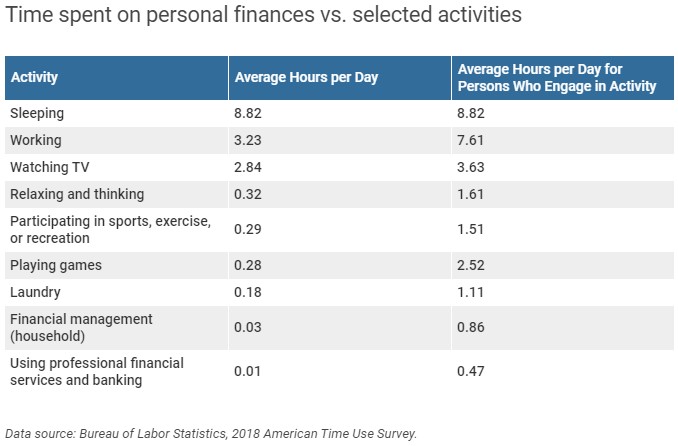
Personal finance has a reputation problem. For many people, “managing money” sounds like sitting under fluorescent lighting with a calculator, three passwords you forgot, and a cup of coffee that gave up on life two hours ago. The good news? You do not need to spend your entire weekend staring at bank statements to be financially responsible. In fact, spending too much time on your finances can become just as unhelpful as ignoring them completely.
So, how much time should you spend on your finances? For most adults, a realistic answer is: a few minutes each day, 30 to 60 minutes each week, one to two hours each month, a few deeper review sessions each year, and one annual financial reset. That may sound like a lot, but spread out over time, it is less dramatic than reorganizing your pantry and far more useful than pretending your subscriptions are not multiplying like rabbits.
The goal is not to become obsessed with every penny. The goal is to build a simple financial routine that helps you track spending, pay bills on time, save consistently, manage debt, review investments, prepare for taxes, and make better decisions without turning your life into a spreadsheet-themed reality show.
The Simple Answer: Use a Financial Time Budget
A financial time budget works the same way as a money budget: you assign a job to each block of time. Instead of vaguely promising yourself that you will “get better with money,” you decide when and how often you will check specific parts of your financial life.
For most people, the best rhythm looks like this:
- Daily: 3 to 5 minutes for quick account awareness.
- Weekly: 30 to 60 minutes for bills, spending, and short-term planning.
- Monthly: 1 to 2 hours for budgeting, debt review, savings goals, and account statements.
- Quarterly: 2 to 4 hours for deeper planning, insurance checks, investments, and tax preparation.
- Annually: Half a day to one full day for a complete financial review.
This schedule gives your money enough attention to behave itself, but not so much attention that you start checking your retirement account every time the stock market sneezes.
Daily Money Check-In: 3 to 5 Minutes
Your daily financial routine should be quick, boring, and useful. Think of it like brushing your teeth, except instead of preventing cavities, you are preventing overdraft fees, surprise charges, and the classic “Wait, I spent how much on takeout?” moment.
What to Do Daily
Once a day, glance at your checking account, credit card balance, and any payment alerts. You are not conducting a full audit. You are simply making sure nothing looks strange. Did a bill hit? Did your paycheck arrive? Did a subscription charge you even though you were sure you canceled it after the free trial? Daily check-ins catch these issues early.
This habit is especially helpful if your income varies, you use multiple cards, or you are trying to control everyday spending. It also builds awareness. Many financial problems do not start with one huge decision. They start with small leaks: convenience fees, impulse purchases, duplicate subscriptions, and “just this once” expenses that somehow become a lifestyle.
Weekly Finance Routine: 30 to 60 Minutes
Your weekly money session is where you turn awareness into action. This is the sweet spot for most personal finance tasks because a week is long enough for spending patterns to appear but short enough to fix problems before they become expensive.
Review Spending by Category
Look at where your money went during the week. Food, gas, groceries, entertainment, household items, pet supplies, coffee, random online orderseverything has a story. The point is not to shame yourself. The point is to notice whether your spending matches your priorities.
For example, spending $120 on groceries may be perfectly reasonable. Spending $120 on groceries and then another $180 on restaurant meals because the groceries were “decorative fridge items” may need a gentle intervention.
Pay Bills and Check Due Dates
Use your weekly session to confirm upcoming bills. Rent or mortgage, utilities, credit cards, insurance, loans, and subscriptions should all have a place in your system. If possible, automate predictable bills. Then review the automatic payments weekly so automation does not become financial autopilot with a blindfold.
Plan the Week Ahead
Look at the next seven days. Do you have a birthday dinner, car repair, school expense, medical appointment, or travel cost coming up? Planning ahead gives you a chance to move money intentionally instead of relying on credit cards and optimism.
Monthly Finance Review: 1 to 2 Hours
The monthly review is your main personal finance meeting. Yes, you are both the boss and the employee. Snacks are allowed. During this session, you zoom out and ask: Did my money go where I wanted it to go?
Update Your Budget
A budget is not a punishment. It is a spending plan. A good budget helps you direct money toward what matters: bills, savings, debt payoff, retirement, travel, family needs, hobbies, and the occasional joyful purchase that makes no sense on paper but improves morale.
At the end of each month, compare your planned spending with your actual spending. If your budget fails every month, do not assume you are bad with money. Your budget may simply be unrealistic. A budget that ignores real life is not a plan; it is financial fan fiction.
Check Savings Progress
Review your emergency fund, sinking funds, and short-term savings goals. Emergency savings are important because life has a suspicious habit of becoming expensive without asking permission. Car repairs, medical bills, job changes, home maintenance, and family emergencies are much easier to handle when you have cash set aside.
Many financial professionals suggest building toward several months of essential expenses, but the exact amount depends on your job stability, household size, health needs, insurance coverage, and comfort level. If that target feels impossible, start smaller. A first goal of $500 or $1,000 can still reduce stress and keep minor surprises from turning into debt.
Review Debt
Monthly is a good time to review credit cards, student loans, auto loans, personal loans, and any buy-now-pay-later balances. List the balance, interest rate, minimum payment, and payoff strategy. If you are using the debt avalanche method, focus extra payments on the highest interest rate first. If you prefer the debt snowball method, focus on the smallest balance first for quick wins.
The best debt payoff method is the one you will actually follow. Personal finance experts can debate math all day, but motivation matters. A beautiful strategy that you abandon after two weeks is not superior to a simpler one you stick with for two years.
Review Account Statements
Read bank, credit card, and brokerage statements at least monthly. Check for errors, unexpected fees, unauthorized transactions, and changes in account value. Investment statements are not just decoration for your inbox. They show your account activity, fees, income, and overall performance.
Do not panic over normal market movement. Investments rise and fall. Your job is to review whether your strategy still makes sense, not to react to every dramatic headline like your portfolio is starring in an action movie.
Quarterly Financial Review: 2 to 4 Hours
Every three months, schedule a deeper financial review. This is where you look beyond bills and ask bigger questions: Am I making progress? Have my goals changed? Is my money system still working?
Check Your Financial Goals
Review major goals such as buying a home, building an emergency fund, paying off debt, saving for college, starting a business, taking a vacation, or preparing for retirement. Break large goals into smaller milestones. “Save for a house” is vague. “Save $500 per month toward a $20,000 down payment” is measurable.
Review Insurance
Insurance is not exciting, but neither is paying for a disaster out of pocket. Quarterly or semiannual reviews can help you make sure your auto, renters, homeowners, health, disability, and life insurance still fit your life. Big changesmarriage, divorce, new baby, new home, new job, or new businessshould trigger a review sooner.
Look at Taxes Before Tax Season Attacks
Do not wait until April to discover that your tax situation has been quietly plotting against you. A quarterly tax check is useful if you freelance, run a business, have investment income, changed jobs, got married, had a child, bought a home, or experienced a major income change.
Employees can review paycheck withholding and adjust if needed. Self-employed workers may need to make estimated tax payments. Keep records organized throughout the year so tax season feels less like a scavenger hunt through old emails, glove compartments, and mysterious folders named “Important Stuff Final FINAL.”
Annual Financial Review: Half a Day to One Full Day
Once a year, give your finances a full checkup. This is the financial equivalent of a physical exam. You may not look forward to it, but future you will be grateful.
Review Your Net Worth
Your net worth is what you own minus what you owe. Add up savings, investments, retirement accounts, home equity, and other assets. Then subtract debts such as credit cards, loans, and mortgage balances. Net worth is not a moral score. It is a snapshot. Use it to track progress over time.
Review Retirement Contributions
Look at your 401(k), IRA, Roth IRA, pension, or other retirement accounts. Are you contributing enough to receive your full employer match if one is available? Are your investments aligned with your timeline and risk tolerance? Do beneficiaries need updating?
You do not need to redesign your retirement plan every year, but you should make sure it still matches your life. A 25-year-old, a 45-year-old, and a 62-year-old usually should not have identical investment strategies.
Check Your Credit Reports
Review your credit reports for errors, unfamiliar accounts, incorrect balances, and signs of identity theft. You can stagger reports from the major credit bureaus throughout the year or check them during your annual review. The key is to actually look. Credit reports can affect loans, housing, insurance pricing in some states, and financial opportunities.
Review Social Security Earnings
Your Social Security benefits are based on your earnings record, so it is wise to check that your income history is accurate. If something is wrong, it is easier to fix when you still have tax forms, W-2s, or business records nearby.
Update Beneficiaries and Estate Documents
Beneficiary forms on retirement accounts, bank accounts, and life insurance policies can override what you think your will says. Review them annually, especially after marriage, divorce, births, deaths, or major family changes. Also review your will, powers of attorney, health care directives, and trusted contacts.
How Much Time Should Beginners Spend?
If you are new to managing money, you may need more time at first. That is normal. The first few weeks involve setup: listing accounts, tracking spending, building a budget, checking credit, organizing documents, and deciding on goals.
A beginner might spend two to three hours per week for the first month. After the system is built, the time usually drops. Personal finance is front-loaded. The messy beginning is like cleaning out a garage: unpleasant at first, but once everything has a place, maintenance is much easier.
How Much Time Should High Earners Spend?
Higher income does not automatically mean better financial health. In fact, high earners can have more moving parts: stock options, bonuses, multiple retirement accounts, tax planning, business income, real estate, charitable giving, and estate planning.
If your financial life is complex, you may need more quarterly and annual planning time. You may also benefit from working with a qualified financial planner, tax professional, or estate attorney. The more complex your money becomes, the more valuable good systems and expert advice can be.
How Much Time Should Families Spend?
Families often need a shared money rhythm. A weekly 30-minute household money meeting can help couples or family decision-makers stay aligned. Talk about bills, groceries, school costs, child care, medical expenses, upcoming events, and savings goals.
Keep the tone calm and practical. A money meeting should not become a courtroom drama where someone presents Exhibit A: The Unapproved Online Purchase. The purpose is teamwork. Blame makes people defensive. Clarity helps people cooperate.
Signs You Are Not Spending Enough Time on Your Finances
You may need more financial attention if you frequently miss bill due dates, rely on credit cards between paychecks, feel surprised by normal expenses, do not know your debt balances, avoid opening statements, have no emergency fund, or feel anxious whenever money comes up.
Another sign is financial fog. If you do not know how much comes in, how much goes out, or where your accounts stand, decisions become harder. You do not need perfection, but you do need visibility.
Signs You Are Spending Too Much Time on Your Finances
Yes, it is possible to overdo it. If you check your investment account multiple times a day, constantly change your budget categories, obsess over tiny purchases, or feel guilty for every dollar spent, your routine may be creating stress instead of control.
Money management should support your life, not swallow it. Once bills are paid, savings are automated, debt has a plan, and investments are aligned with your goals, step away. Go outside. Call a friend. Eat a sandwich. Your index fund does not need emotional supervision.
A Practical Weekly Finance Schedule
Here is a simple schedule that works for many people:
Monday: Five-Minute Account Check
Confirm balances, recent transactions, and upcoming automatic payments.
Wednesday: Spending Awareness
Look at your grocery, food, transportation, and entertainment spending. Make small adjustments before the weekend.
Friday or Sunday: Weekly Money Meeting
Pay bills, plan the next week, update your budget, and move money into savings. If you share finances with a partner, do this together.
Last Day of the Month: Monthly Review
Compare planned spending with actual spending, review savings and debt, and choose one improvement for the next month.
Tools That Can Reduce the Time You Spend
The right tools can make financial management faster and less painful. Consider using:
- Automatic transfers to savings and retirement accounts.
- Calendar reminders for bills, taxes, insurance renewals, and annual reviews.
- Budgeting apps or spreadsheets to track spending categories.
- Password managers to safely access financial accounts.
- Paper or digital folders for tax documents, insurance policies, estate documents, and loan records.
Automation is helpful, but it should not replace review. Think of automation like cruise control. It makes the drive easier, but you still need to keep your hands near the wheel and your eyes open.
Experiences and Real-Life Lessons: What Actually Works
One of the most useful lessons about personal finance is that the best system is usually the one you can repeat when life gets busy. A complicated budget with 47 categories may look impressive, but if you stop using it after two weeks, it is not a system. It is a decorative spreadsheet with commitment issues.
Many people find success by starting with a weekly money appointment. Pick a time that already fits your routine, such as Sunday evening or Friday morning. Make it short enough that you do not dread it. During this session, review your accounts, pay bills, check spending, and decide what needs attention. The first few sessions may feel awkward, especially if you have avoided your finances for a while. That is normal. Avoidance creates mystery, and mystery creates stress. Once you start looking regularly, money becomes less scary.
A common experience is discovering that the problem is not always big spending. Sometimes the issue is invisible spending. A person may feel careful with money but still lose hundreds of dollars each month to small leaks: unused subscriptions, delivery fees, convenience purchases, late fees, duplicate insurance coverage, or bank charges. A weekly review helps catch those leaks before they become part of the furniture.
Another practical lesson is that monthly reviews work best when they include reflection, not just math. Ask questions like: What purchase made my life better this month? What expense felt wasteful? What bill surprised me? What should I plan for next month? These questions turn budgeting from a guilt exercise into decision-making. You are not just tracking dollars. You are learning your own patterns.
For couples and families, the experience can be even more revealing. Money conversations often become tense when they only happen during emergencies. A regular money meeting lowers the temperature. Instead of arguing after a credit card bill arrives, you discuss upcoming expenses before they happen. Keep the meeting focused and kind. Use phrases like “How should we handle this?” rather than “Why did you do that?” The first version builds teamwork. The second version invites a dramatic courtroom scene, and nobody has time to cross-examine a grocery receipt.
People with irregular income often need a slightly different rhythm. Freelancers, small business owners, gig workers, and commission-based employees may benefit from checking finances twice a week. The goal is not obsession. It is cash flow survival. When income arrives unevenly, you need to know what money is available, what taxes may be owed, and which expenses are coming next. A separate tax savings account can be a lifesaver because it prevents every payment from looking like spendable money.
One underrated experience is the emotional relief that comes from naming your money. When savings accounts have labels such as “Emergency Fund,” “Vacation,” “Car Repair,” or “Annual Insurance,” money feels less blurry. You are less likely to raid savings for random spending when the account has a job. It is much easier to avoid touching the “Car Repair” fund when you know your tires are already auditioning for retirement.
The biggest lesson is consistency over intensity. A five-minute daily glance, a 45-minute weekly review, and a monthly reset will usually beat one heroic financial cleanup every six months. Your finances do not need constant drama. They need regular attention, honest numbers, and small course corrections. The best money routine is not the one that makes you feel perfect. It is the one that helps you feel prepared.
Conclusion: Give Your Money Enough Attention, Then Go Live
So, how much time should you spend on your finances? Enough to stay informed, make intentional decisions, and prevent avoidable problemsbut not so much that money becomes your full-time hobby. For most people, a few minutes a day, a focused weekly review, a monthly planning session, quarterly checkups, and an annual reset are plenty.
Your money does not need you to hover over it like a nervous helicopter parent. It needs structure. It needs clear goals. It needs regular check-ins. Build a routine, automate what you can, review what matters, and adjust when life changes. Then close the laptop and enjoy the life your financial plan is supposed to support.