

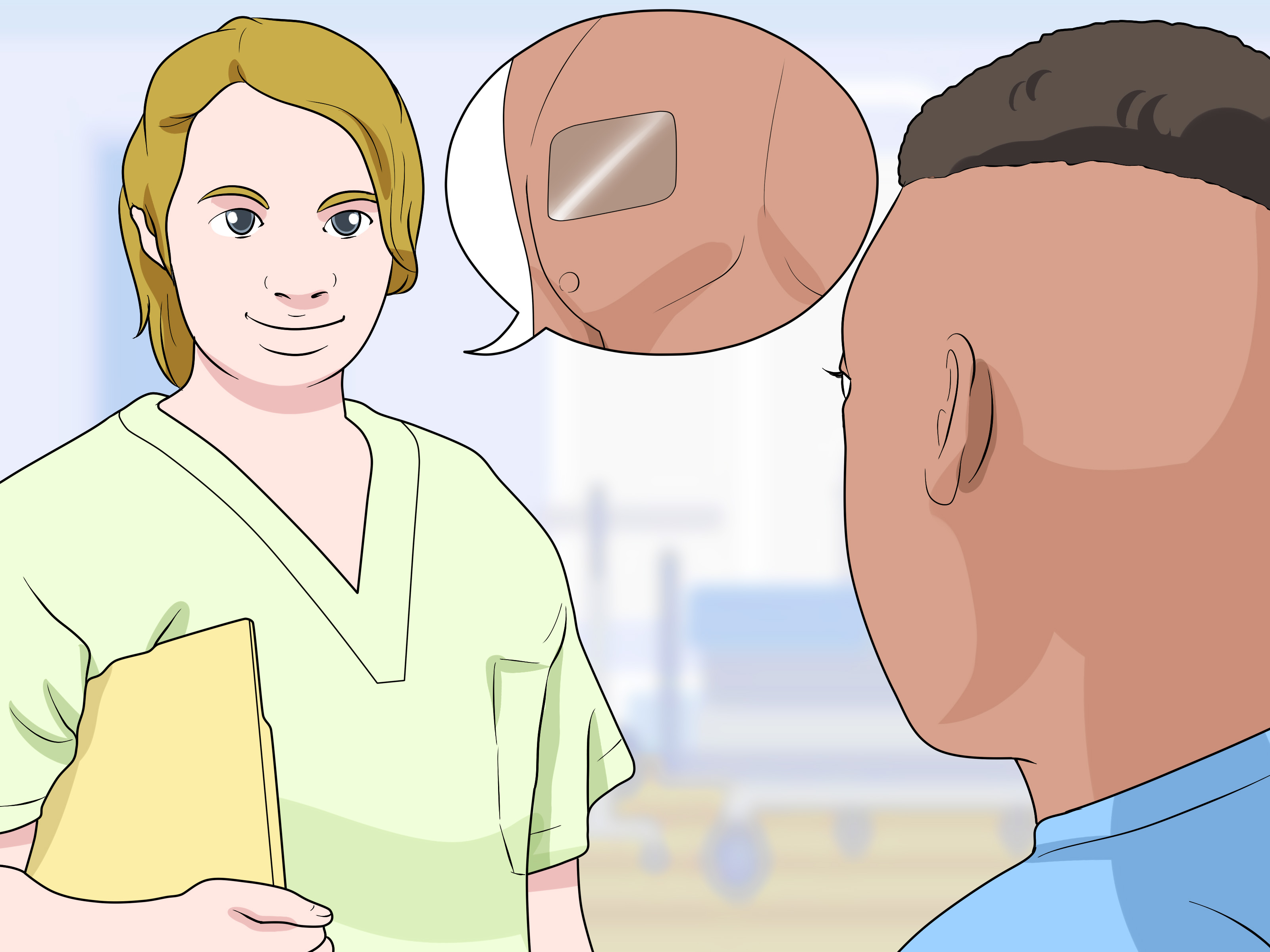
A fentanyl patch may look like an ordinary adhesive square, but it deserves considerably more respect than a sticker from a fruit basket. It continuously delivers fentanyl, a powerful opioid pain medicine, through the skin and into the bloodstream. Applying it correctly helps the medicine work as prescribed while reducing the risk of overdose, accidental exposure, skin irritation, and dosing mistakes.
Fentanyl transdermal patches are intended for severe, persistent pain in people who are already opioid-tolerant. They are not designed for occasional headaches, minor injuries, sudden pain, or routine postoperative discomfort. A patch should be used only when it has been prescribed specifically for the patient, at the exact strength and schedule ordered by a qualified healthcare professional.
What Is a Fentanyl Patch?
A fentanyl patch, also called a fentanyl transdermal system, releases a measured amount of fentanyl every hour. The medicine passes gradually through intact skin, creating long-lasting pain relief without requiring a pill every few hours.
Most fentanyl patches are worn continuously for up to 72 hours, although the prescribing clinician may provide a different schedule in certain circumstances. The patch does not provide immediate relief. Fentanyl levels rise gradually after application, and medicine can continue entering the bloodstream for hours after a patch is removed.
That slow, continuing delivery is convenient, but it also explains why changing the dose independently is dangerous. Never add an extra patch because pain is worse, replace a patch early, cut a patch into smaller pieces, or reuse a patch. Contact the prescribing clinician when pain is not adequately controlled.
Before Applying a Fentanyl Patch
Confirm the Prescription
Read the pharmacy label and confirm the patient’s name, patch strength, application schedule, and number of patches prescribed. Fentanyl strengths are measured in micrograms per hour, commonly written as mcg/hour. Do not confuse this measurement with milligrams, and do not assume two smaller patches are interchangeable with one larger patch unless the prescriber explicitly ordered that arrangement.
Make sure the patch pouch is sealed and undamaged. Do not use a patch if the pouch is open, the seal is broken, or the patch appears cut, punctured, leaking, folded, or otherwise altered.
Remove the Previous Patch
Before applying a new patch, check the patient’s body carefully and remove the old one. This sounds obvious, yet forgotten patches are a well-documented source of accidental overdosing. Transparent patches can be surprisingly difficult to see, especially on the back or upper arm.
Keeping a written patch record can help. Record the date, time, strength, and application location every time a patch is changed. A simple phone reminder or calendar entry is more reliable than trusting a busy brain on a busy day.
Gather What You Need
- The prescribed fentanyl patch in its sealed pouch
- Clear water, if the skin needs cleaning
- A clean towel for drying the skin
- Scissors for clipping body hair, not cutting the patch
- First-aid tape or an approved transparent film dressing, if recommended
- A written or electronic patch schedule
Wash and dry your hands before handling the pouch. Avoid applying lotion, hand cream, or oil immediately before touching the patch.
Where to Place a Fentanyl Patch
Choose a flat, healthy area on the upper body. Common application sites for adults include the chest, upper back, side of the waist, and upper arm. The patch does not need to be placed directly over the painful area because the medicine works after entering the bloodstream.
The selected skin should be:
- Clean and completely dry
- Flat and relatively free of movement
- Intact, with no cuts, burns, rashes, or open wounds
- Free from irritation, infection, or recent radiation treatment
- Not unusually oily or covered with lotion
- Located where tight clothing will not constantly rub the patch
Avoid the belt line, bra line, skin folds, joints, and other places where friction or bending can loosen the adhesive. Do not apply the patch to recently shaved skin. Shaving may create tiny cuts that increase irritation and potentially alter drug absorption.
If the area is hairy, clip the hair close to the skin with scissors. Do not use a razor. For a child or an adult who may remove the patch because of confusion or cognitive impairment, the upper back is generally preferred so the patch is more difficult to reach. Caregivers should check frequently that it remains attached.
How to Apply a Fentanyl Patch Step by Step
Step 1: Clean the Skin With Clear Water
If cleaning is necessary, rinse the application area with clear water and pat it completely dry. Do not prepare the skin with soap, rubbing alcohol, oils, powders, moisturizers, or cleansing wipes. These products may irritate the skin, leave residue, weaken adhesion, or change how the patch interacts with the skin.
Wait until the area is fully dry. A patch applied to damp skin has approximately the same enthusiasm for staying put as a sticky note in a rainstorm.
Step 2: Open the Protective Pouch Carefully
Open the pouch using the tear notch or the manufacturer’s printed opening line. Some packaging instructions permit cutting the pouch along a marked edge, but take care not to cut the patch inside.
Remove the patch only when you are ready to apply it. Inspect it again. Do not use it if it is damaged or if any part of the medicine-containing system has been altered.
Step 3: Remove the Protective Liner
Peel away the protective backing without touching the adhesive surface more than necessary. Many patches have a liner that comes off in two sections, allowing you to hold one protected portion while positioning the other.
Never cut, fold, trim, tear, or divide a fentanyl patch. Altering a patch can interfere with controlled drug delivery and may expose the patient to a dangerous amount of fentanyl.
Step 4: Press the Patch Firmly Onto the Skin
Place the adhesive side directly onto the selected site. Press the entire patch firmly with the palm of your hand for at least 30 seconds. Pay special attention to the edges and corners.
Run a finger gently around the border to confirm that it is sealed against the skin. Do not massage the patch, apply heat, or press it with a heated object.
Step 5: Wash Your Hands
Wash your hands thoroughly with soap and water after application, even when you believe you did not touch the adhesive. Do not touch your eyes, mouth, food, another person, or a child before washing.
Step 6: Record the Application
Write down the date, exact time, patch strength, and body location. Note when the patch should be removed. This record is especially important when more than one family member provides care or when a patient receives several medications on different schedules.
What to Do While Wearing the Patch
Check It Regularly
Inspect the patch at least once or twice a day to make sure it remains attached. Check after changing clothes, bathing, exercising, sleeping, or spending time with children. Make sure no edge has rolled up and that the patch has not transferred to clothing, bedding, furniture, or another person.
Avoid Heat
External heat can increase fentanyl absorption and potentially cause a fatal overdose. Do not expose the patch or surrounding skin to heating pads, electric blankets, hot-water bottles, heat lamps, tanning lamps, heated mattresses, saunas, hot tubs, or very hot baths.
Avoid prolonged sunbathing over the patch. Talk with the prescribing clinician if the patient develops a fever, because an elevated body temperature may also increase fentanyl absorption. Seek medical advice if fever occurs together with unusual sleepiness, confusion, dizziness, or slow breathing.
Bathing and Showering
Many fentanyl patches may be worn during normal showering, bathing, or brief swimming. Avoid extremely hot water and do not scrub the patch. Pat the surrounding area dry afterward and check all edges.
Follow the instructions for the specific product because manufacturer recommendations may differ. Do not assume that a waterproof-looking patch is invincible; shampoo, sweat, friction, and enthusiastic towel drying can still defeat it.
If the Patch Starts Peeling
If an edge lifts, first-aid tape may generally be placed only around the edges. Do not wrap tape over the entire patch. When adhesion problems continue, the prescribing team or pharmacist may recommend an approved transparent adhesive film dressing.
Do not cover the patch with an ordinary bandage, compression wrap, heating wrap, or nonbreathable material unless a healthcare professional has confirmed that it is appropriate.
If the Patch Falls Off
Do not attempt to reattach a patch that has fallen off. Fold it with the adhesive sides together and dispose of it immediately according to FDA and product instructions. Apply a new patch to a different skin site and contact the prescribing clinician to report what happened.
The replacement patch usually begins a new 72-hour schedule. Record the new application time so the next change is not made based on the old schedule.
How to Remove and Dispose of a Fentanyl Patch
At the prescribed change time, gently peel off the old patch. Immediately fold it in half so the adhesive sides stick firmly together. A used patch still contains enough fentanyl to seriously harm or kill a child, pet, or person for whom it was not prescribed.
Current FDA instructions place fentanyl patches among the limited medicines recommended for flushing because immediate accidental-exposure risks outweigh environmental concerns when a drug take-back option is not readily available. Follow the Medication Guide supplied with the specific product. Do not leave a folded patch on a countertop while preparing the replacement.
Unused patches should remain in their sealed pouches inside a locked location that children, visitors, pets, and other household members cannot access. When patches are no longer needed, use an authorized controlled-substance take-back program when readily available or follow the product’s FDA-approved disposal directions.
Accidental Exposure and Overdose Warning Signs
Fentanyl can cause life-threatening respiratory depression. The risk may be especially high during the first 24 to 72 hours after starting treatment, after a dosage increase, or when fentanyl is combined with alcohol, sleep medicines, benzodiazepines, muscle relaxants, sedating antihistamines, or other drugs that slow the central nervous system.
Signs of a possible opioid overdose include:
- Very slow, shallow, irregular, or stopped breathing
- Inability to wake the person
- Extreme sleepiness or loss of consciousness
- Pinpoint pupils
- Blue, gray, or unusually pale lips and fingernails
- Gurgling, choking, or unusual snoring sounds
- A limp body or unusually cold, clammy skin
Call 911 immediately when an overdose is suspected. Remove the fentanyl patch, administer naloxone or another prescribed opioid-reversal medicine if available, and follow the emergency dispatcher’s instructions. Additional naloxone doses may be needed. Emergency evaluation remains necessary even if the person wakes up because fentanyl can outlast the reversal medicine.
If a patch accidentally sticks to another person, remove it immediately, rinse the exposed skin with water, and obtain emergency medical help. Do not simply put the transferred patch back on the original patient.
Common Fentanyl Patch Mistakes to Avoid
- Forgetting to remove the old patch: Always perform a full skin check before applying a replacement.
- Cutting a patch: Never modify a fentanyl patch to create a smaller dose.
- Applying lotion first: Creams and oils can affect adhesion and skin contact.
- Using damaged skin: Cuts, rashes, burns, and irritation may change drug absorption.
- Applying extra heat: Heating pads and hot tubs can dangerously increase fentanyl delivery.
- Changing the patch early: Follow the exact schedule unless a clinician changes it.
- Adding an extra patch for pain: Call the prescriber instead of adjusting the dose independently.
- Throwing a used patch into an open trash can: Used patches can cause fatal accidental exposure.
- Stopping suddenly: Abrupt discontinuation may cause withdrawal and uncontrolled pain.
Practical Experiences and Lessons From Patch Care
People who use fentanyl patches and caregivers who apply them often discover that the medical instructions are only part of the routine. The other part is creating a system that prevents small, ordinary distractions from becoming serious medication errors.
A Patch Log Prevents More Problems Than Memory
One of the most useful habits is maintaining a patch log. A caregiver may feel certain that the last patch was placed on Monday morning, only to realize that Monday and Tuesday have blended together during a difficult week. Recording every change removes the guesswork.
A practical log includes the date, time, strength, body location, condition of the removed patch, and initials of the person who performed the change. Some households draw a simple body diagram and alternate between approved sites. Others use a phone calendar with two alerts: one at the scheduled change time and a second reminder an hour later to confirm that the task was completed.
Good Skin Preparation Solves Many Adhesion Problems
Loose patches are frequently connected to skin that was damp, oily, recently moisturized, or located where clothing rubs. Allowing the skin to dry completely and choosing a flatter site can make a noticeable difference. Applying the patch immediately after a steamy shower is rarely ideal because the skin may remain warm and moist even after a quick towel dry.
Patients who perspire heavily may need to check the patch more often, particularly during warm weather. However, solving sweat-related adhesion problems by covering the patch with layers of random household tape is not a safe improvisation. A pharmacist can explain which transparent dressing is compatible with the specific product.
Site Rotation Makes Long-Term Use More Comfortable
Repeatedly placing patches in the same convenient spot can cause redness, itching, tenderness, or adhesive irritation. Rotating among approved locations gives the skin time to recover. The new site should also be inspected before application; yesterday’s “perfect patch spot” may be today’s irritated area.
Mild redness may occur after removal, but persistent swelling, blistering, severe itching, drainage, or spreading rash deserves medical attention. A clinician can help determine whether the reaction is caused by the adhesive, the medication, another skin condition, or an unrelated allergy.
Caregivers Benefit From a Two-Person Check
When practical, one caregiver can apply the patch while another confirms the strength, removal of the old patch, and entry in the log. Hospitals use medication checks for a reason: human beings are excellent at making mistakes while tired, interrupted, or worried.
A second check is especially valuable after a dosage change. Old and new strengths may come in similar-looking pouches, and storing them together can create confusion. Keep discontinued strengths separate and arrange prompt take-back or approved disposal.
Children and Pets Change the Safety Plan
Households with children or pets need a secure routine from the moment the patch enters the home until the moment it is disposed of. New patches should be locked away, not stored in a purse, bedside drawer, bathroom cabinet, or backpack. Used patches should never wait on a nightstand or bathroom counter.
Physical contact also matters. A loosened patch can transfer during hugging, sleeping, changing clothes, or helping someone bathe. Caregivers commonly make checking the patch part of morning and bedtime routines, much like checking a bandage or medical device.
Changes in Alertness Matter More Than Toughing It Out
Patients and families sometimes hesitate to report unusual sleepiness because they assume it is an expected effect of strong pain medicine. Mild drowsiness can occur, but a person who is increasingly difficult to wake, confused, breathing slowly, or unable to stay awake needs urgent evaluation.
Keeping naloxone in the home and teaching household members how to use it provides an important layer of protection. The best emergency plan is prepared before an emergency, when everyone can still read the instructions without panic performing cartwheels in the living room.
Conclusion
Learning how to apply a fentanyl patch safely requires more than sticking it to the skin. Correct use includes confirming the prescription, removing the previous patch, selecting healthy skin, cleaning with clear water, pressing the patch firmly for at least 30 seconds, avoiding heat, monitoring adhesion, rotating sites, and disposing of used patches immediately.
Never cut a patch, apply additional patches, alter the change schedule, or stop treatment suddenly without guidance from the prescribing clinician. Contact a healthcare professional when pain remains uncontrolled, the patch repeatedly falls off, significant skin reactions develop, fever occurs, or side effects become concerning. Suspected overdose or accidental exposure requires immediate emergency action.