

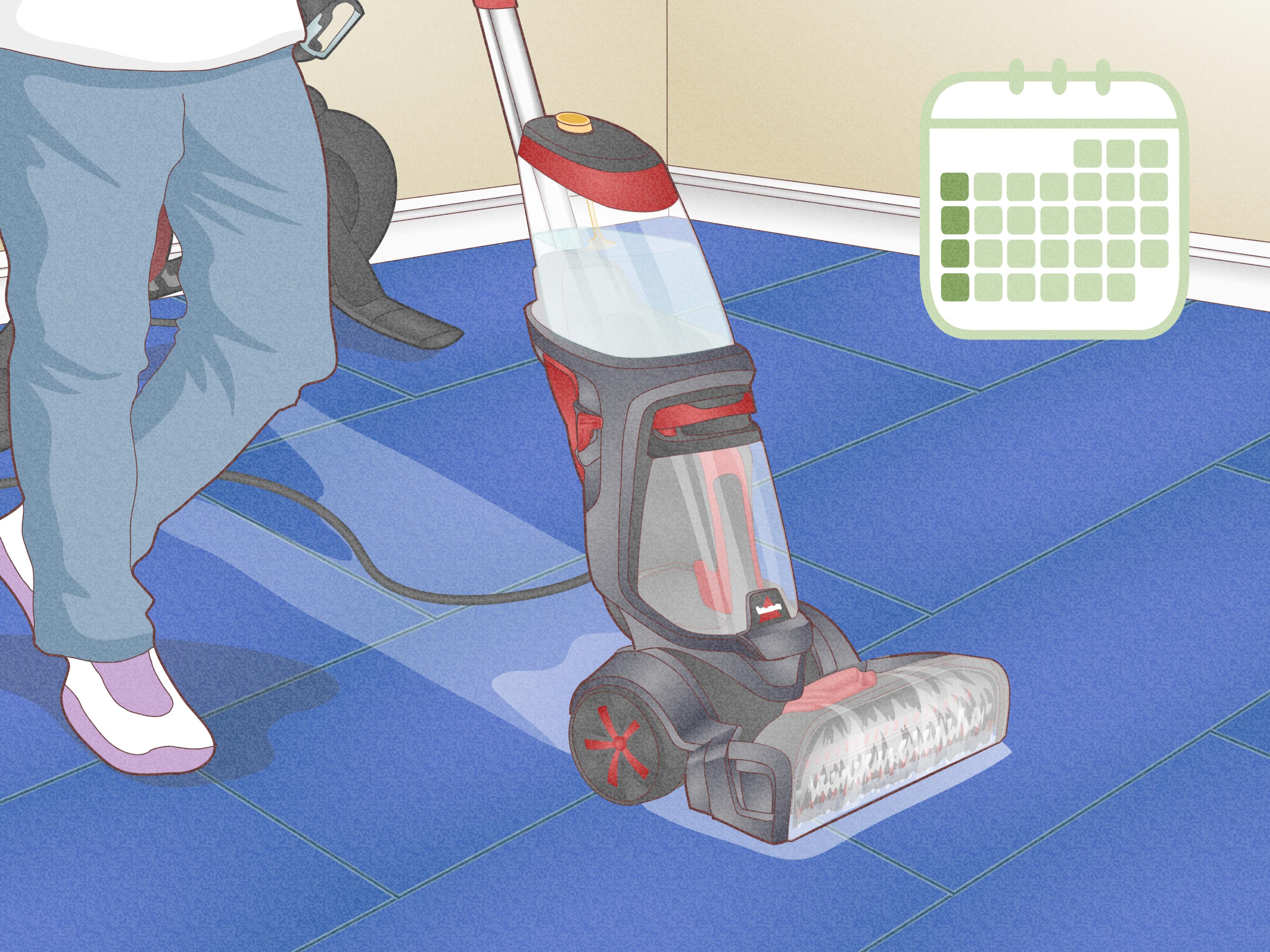
Rubber gym floors are the unsung heroes of fitness spaces. They catch dropped dumbbells, cushion burpees, survive treadmill traffic, and endure enough sweat to make a mop question its career choices. But while rubber flooring is tough, it is not invincible. The wrong cleaner, too much water, or a “more bleach must mean more clean” attitude can shorten its life, dull its finish, and leave your gym smelling less like motivation and more like a forgotten hockey bag.
The good news? Learning how to clean a rubber gym floor is surprisingly simple. Whether you have interlocking rubber tiles in a garage gym, rolled rubber flooring in a commercial fitness center, or thick mats under a squat rack, the basic formula is the same: remove dry debris, clean with a rubber-safe solution, rinse or remove residue, dry thoroughly, and prevent moisture from getting trapped underneath.
This complete guide walks you through daily maintenance, weekly cleaning, deep cleaning, odor control, stain removal, disinfecting, common mistakes, and real-world cleaning experiences. No mystery. No complicated rituals. No need to whisper encouraging words to your mopunless that helps.
Why Rubber Gym Floors Need Special Care
Rubber flooring is popular because it is durable, slip-resistant, shock-absorbing, and comfortable underfoot. It protects subfloors from weight drops, reduces noise, and gives workout areas a professional look. However, rubber is also porous or semi-porous depending on the product, and textured gym flooring can trap dirt, chalk, sweat, body oils, shoe grit, and spilled drinks.
If you ignore routine cleaning, the floor can become dull, sticky, smelly, and slippery. Grit can act like sandpaper under shoes and equipment. Sweat and moisture can settle into seams. Dust can collect around racks and machines. In basement or garage gyms, rubber mats can also trap moisture between the mat and concrete, creating conditions for musty odors or mold underneath.
The goal is not to attack the floor with the strongest cleaner in the cabinet. The goal is to clean it consistently with products that remove soil without damaging the rubber. Think of it like training: steady reps beat one chaotic, overly dramatic cleaning session every six months.
What You Need to Clean a Rubber Gym Floor
Before cleaning, gather the right tools. You do not need a janitor closet that looks like a spaceship control room. For most home gyms and small studios, a simple kit works well.
Basic Cleaning Supplies
- Broom, dust mop, or vacuum with a soft brush attachment
- Microfiber mop or nylon mop
- Bucket with warm water
- pH-neutral floor cleaner suitable for rubber flooring
- Clean microfiber cloths for spot cleaning
- Soft-bristle brush for stubborn grime
- Wet vacuum for larger spaces or deep cleaning
- Fans or good ventilation for drying
For Commercial Gyms
Large facilities may benefit from an automatic floor scrubber, a wet vac, and a cleaning schedule that separates daily, weekly, and periodic deep-cleaning tasks. Use soft pads or brushes approved for rubber flooring. Aggressive pads can scratch or roughen the surface, especially on smooth rubber floors.
The Best Cleaner for Rubber Gym Flooring
The safest choice for most rubber gym floors is a pH-neutral cleaner diluted according to the product label. A neutral cleaner helps lift dirt, sweat, and grime without breaking down the rubber or leaving a sticky film. Warm water helps the cleaner work better, but avoid very hot water because excessive heat is not necessary and may affect certain adhesives or floor finishes.
For light cleaning, a small amount of mild, bleach-free dish soap mixed with water can work in a pinch. However, do not overdo it. Too much soap creates residue, and residue attracts dirt faster than a protein shake attracts gym bros after leg day.
Cleaners to Avoid
- Bleach or chlorinated cleaners unless the flooring manufacturer specifically approves them
- Ammonia-based cleaners
- Acidic cleaners
- Solvent-based cleaners
- Petroleum-based products
- Oil soaps, waxes, and polishes
- Abrasive powders or scouring products
These products can discolor rubber, weaken adhesives, create slippery residue, or cause the surface to crack or degrade over time. A gym floor should be grippy, not glossy like a freshly waxed bowling lane.
How to Clean a Rubber Gym Floor Step by Step
Step 1: Remove Loose Dirt and Debris
Start with dry cleaning. Sweep, dust mop, or vacuum the entire floor to remove dust, hair, chalk, dirt, leaves, and tiny stones tracked in from shoes. This step is easy to skip, but do not skip it. If you mop before removing grit, you turn your mop into a dirt smoothie and drag abrasive particles across the floor.
Use a vacuum with a soft brush attachment or a rolling soft brush if the manufacturer allows it. Avoid vacuums with aggressive beater bars that may damage the surface or pull at seams. Pay special attention to corners, under benches, around weight racks, and near entryways.
Step 2: Spot Clean Spills and Stains
Before mopping the whole floor, treat obvious spots. Wipe up sweat, water, sports drinks, mud, protein shake spills, or chalk piles with a damp microfiber cloth. For sticky residue, apply a small amount of diluted pH-neutral cleaner and let it sit briefly. Scrub gently with a soft-bristle brush, then wipe clean.
Act quickly with spills. Rubber flooring is tough, but sugary drinks and body oils can leave a film. The longer a spill sits, the more likely it is to become a sticky dirt magnet. Also, nobody wants to plank on yesterday’s mystery splash.
Step 3: Mix a Rubber-Safe Cleaning Solution
Fill a bucket with warm water and add your pH-neutral cleaner according to the label. More cleaner does not mean more clean. It usually means more residue, more rinsing, and more muttering under your breath. If you are using mild dish soap, use only a small amountjust enough to help lift soil.
If the floor is newly installed, check the manufacturer’s instructions before wet cleaning. Some glued-down rubber floors need time for adhesives to cure before mopping or scrubbing. Cleaning too soon can interfere with adhesion or allow moisture into seams.
Step 4: Damp Mop, Do Not Flood
Mop the floor with a damp mop, not a dripping one. Work in sections, especially in larger gyms. The floor should look lightly wet, not like you are preparing it for synchronized swimming. Too much water can seep into seams, edges, and subfloor areas, especially with interlocking tiles or loose-laid mats.
Use smooth, overlapping passes. Rinse the mop frequently, and change the water when it becomes dirty. If your bucket water looks like swamp tea, it is no longer cleaningit is redecorating.
Step 5: Remove Residue
After mopping, remove leftover cleaner with a clean damp mop or wet vacuum. This is especially important if you used soap or a concentrated cleaner. Residue can leave the floor tacky, dull, or slippery. It can also make the next cleaning harder because dust clings to residue.
For small home gyms, a second pass with clean water and a well-wrung mop usually does the job. For commercial spaces, a wet vac or auto scrubber can remove dirty solution more efficiently.
Step 6: Let the Floor Dry Completely
Allow the rubber floor to air dry before walking on it or moving equipment back into place. Use fans, open windows, or improve ventilation to speed drying. Drying matters because damp rubber can be slippery, and moisture trapped under mats can cause odor problems later.
If you lifted mats to clean underneath, let both the mat and subfloor dry thoroughly before putting everything back. This step is boring, but so is replacing a moldy mat. Choose your boredom wisely.
Daily, Weekly, and Monthly Cleaning Schedule
Daily Cleaning for Busy Gyms
Commercial gyms, training studios, school weight rooms, and high-traffic fitness spaces should remove dry debris daily. Sweep, dust mop, or vacuum. Spot clean sweat, spills, and chalk. Wipe around benches, racks, and equipment zones where body contact and moisture are frequent.
Weekly Cleaning for Home Gyms
Most home gyms can be damp mopped once a week, depending on use. If you train daily, have pets, park a car nearby, or do chalk-heavy lifting, clean more often. A weekly clean with a pH-neutral solution keeps the floor fresh and prevents grime from building up.
Monthly or Quarterly Deep Cleaning
Deep clean every month for active home gyms and every quarter for lighter-use spaces. Commercial gyms may need deep cleaning more often. Deep cleaning means moving equipment where possible, cleaning under mats, scrubbing textured areas gently, extracting dirty water, and checking seams, edges, and high-impact zones for wear.
How to Deep Clean Rubber Gym Flooring
Deep cleaning is useful when the floor looks dull, feels sticky, smells musty, or has visible soil in the texture. Start by removing equipment, mats, and loose items. Vacuum thoroughly. Apply diluted pH-neutral cleaner in manageable sections so it does not dry on the floor.
Use a microfiber mop, soft-bristle brush, or approved floor machine to agitate the surface. On textured rubber, gentle brushing helps pull dirt from low spots. Do not use steel wool, harsh scrubbing pads, or stiff wire brushes. Rubber is strong, but it does not need to be exfoliated like a rhinoceros.
Pick up the dirty solution with a wet vac or clean mop. Rinse with clean water if needed, then dry completely. In large gyms, deep cleaning after closing time is ideal so the floor has several hours to dry before foot traffic returns.
How to Remove Odors from Rubber Gym Floors
Rubber floors can smell for several reasons: new rubber off-gassing, sweat buildup, trapped moisture, poor ventilation, or grime under mats. If the floor is new, some rubber odor may fade with time and airflow. Open windows, run fans, and clean the surface with a rubber-safe neutral cleaner.
For sweat-related odors, the best solution is consistent cleaning and drying. Remove residue, clean under equipment, and check beneath loose mats. If the smell is musty, lift the mats and inspect the subfloor. Moisture trapped between rubber and concrete is a common culprit in garages and basements.
Some people use diluted vinegar for odor control, but be cautious. Vinegar is acidic, and not all rubber flooring manufacturers recommend it. If you use it, test a small hidden area first, dilute it heavily, rinse afterward, and do not make it your everyday cleaner. For most floors, a pH-neutral cleaner plus better ventilation is the safer long-term plan.
How to Disinfect a Rubber Gym Floor Safely
Cleaning and disinfecting are not the same thing. Cleaning removes dirt and many germs from the surface. Disinfecting uses a chemical product to kill specific germs. In many situations, regular cleaning is enough. Disinfection may be useful in commercial gyms, shared fitness areas, after illness, or when body fluids are present.
Before disinfecting, clean the floor first. Disinfectants work best on a clean surface. Choose an EPA-registered disinfectant that is compatible with rubber flooring, and follow the label exactly. Pay attention to dilution, contact time, ventilation, and whether the product needs rinsing after use.
Never mix cleaning chemicals. Bleach plus ammonia, acids, or other cleaners can create dangerous fumes. Wear gloves when needed, keep the room ventilated, and store products safely. A clean gym is great. A chemistry experiment with consequences? Less great.
How to Clean Under Rubber Gym Mats
Loose rubber mats are convenient, but they can trap dust and moisture underneath. Once a month, or more often in humid spaces, lift mats and inspect the subfloor. Look for damp spots, musty smells, mold, grit, or discoloration.
Vacuum or sweep the subfloor. Clean the underside of the mat with a damp cloth or mop and rubber-safe cleaner. Let both surfaces dry fully before reinstalling. If mats are heavy, roll or lift them carefully with help. Dragging heavy mats can damage edges, seams, or your enthusiasm for home gym ownership.
Common Mistakes to Avoid
Using Too Much Water
Rubber floors should be damp mopped, not flooded. Excess water can seep into seams, under mats, and around edges. This may lead to odor, adhesive issues, or moisture problems beneath the flooring.
Choosing Harsh Chemicals
Bleach, ammonia, solvents, and petroleum-based cleaners can damage rubber. Use a pH-neutral cleaner unless the flooring manufacturer gives different instructions.
Skipping Dry Soil Removal
Dirt and grit scratch and dull the surface over time. Sweeping or vacuuming is the foundation of rubber gym floor maintenance.
Leaving Cleaner on the Floor
Cleaner residue can make the floor sticky or slippery. Remove dirty solution and rinse lightly when needed.
Putting Equipment Back Too Soon
Let the floor dry before replacing benches, racks, or mats. Trapped moisture under equipment feet can create stains or odors.
Stain-Specific Cleaning Tips
Chalk
Vacuum first, then damp mop. Chalk spreads when wet, so remove as much dry powder as possible before using water.
Sweat
Use diluted pH-neutral cleaner and wipe high-contact zones regularly. Sweat contains salts and oils that can leave residue.
Mud
Let wet mud dry, then vacuum or sweep it up. Follow with a damp mop. Scrubbing wet mud usually makes the problem bigger and more artistic.
Grease or Oil
Blot immediately. Use a rubber-safe cleaner and a soft brush. Avoid petroleum-based products, which can worsen rubber damage.
Gum
Harden the gum with ice in a plastic bag, then gently lift it with a plastic scraper. Do not use sharp metal blades.
Best Practices for Keeping Rubber Gym Floors Cleaner Longer
- Place walk-off mats at entrances to reduce dirt and grit.
- Ask users to wear clean indoor shoes.
- Clean spills immediately.
- Use equipment mats under bikes, rowers, and treadmills.
- Improve ventilation in basements and garages.
- Check under loose mats regularly.
- Use only rubber-safe cleaning products.
- Keep a simple cleaning schedule posted in shared gyms.
Prevention is easier than restoration. A five-minute sweep after a workout can save you from a two-hour deep-cleaning session later. Future you will be grateful, and future you has enough to deal with already.
Real-World Experiences: What Cleaning Rubber Gym Floors Teaches You
After cleaning rubber gym floors in real-life settingsfrom garage gyms with dusty concrete edges to compact workout rooms where every square foot works overtimeyou quickly learn that the floor tells on you. If you skip vacuuming for a week, the dirt gathers around the squat rack like it pays rent. If someone spills a pre-workout drink and says, “I’ll clean it later,” the floor will remember. Sticky spots are basically tiny historical monuments to procrastination.
One of the biggest lessons is that routine matters more than intensity. Many people wait until the rubber floor looks terrible, then try to rescue it with a heroic deep clean. That approach works sometimes, but it is harder than simply doing light maintenance regularly. A quick vacuum after messy workouts and a weekly damp mop can keep the floor looking consistently clean. It is the same idea as fitness itself: consistency beats panic.
Another lesson is that water control is everything. The first time you clean rubber flooring, it is tempting to soak the floor because wet looks clean. But too much water creates more problems than it solves. In a garage gym, water can sneak under interlocking tiles or heavy stall mats. In a basement, moisture can linger longer because airflow is limited. Once you have lifted a mat and found trapped dampness underneath, you become a lifelong believer in damp mopping and thorough drying.
Odor is also more complicated than people expect. New rubber can have a strong smell at first, especially in enclosed rooms. Cleaning helps, but airflow helps even more. Fans, open doors, and patience can do a lot. On the other hand, a sour or musty smell usually means sweat residue, moisture, or grime under the mats. In that case, spraying air freshener is like putting cologne on a gym sock. It may distract the nose briefly, but it does not solve the problem.
Textured rubber floors teach another practical lesson: dirt hides in the grooves. A flat mop may glide over the top while soil remains in the low spots. For these floors, a soft-bristle brush or microfiber mop with a little pressure makes a noticeable difference. You do not need to scrub like you are sanding a deck. Gentle agitation is enough to loosen stubborn dirt.
Commercial gyms add a different challenge: people. Lots of them. A home gym floor might deal with one or two users, but a shared facility sees outdoor shoes, spilled water bottles, chalk clouds, sweat towels, and equipment being dragged in every direction. In that environment, a written cleaning schedule is not overkillit is survival. Staff should know what cleaner to use, how much to dilute, when to disinfect, and how long the floor needs to dry.
The most satisfying part of cleaning rubber gym flooring is how quickly it improves the room. A clean floor makes the whole gym feel fresher, safer, and more professional. The black looks deeper, the speckles pop again, and the space smells like a place where workouts happennot where old sneakers go to retire. Best of all, once you understand the process, it becomes easy: remove debris, use the right cleaner, avoid flooding, rinse or extract residue, and dry completely. That is the whole playbook.
Conclusion
Cleaning a rubber gym floor does not require fancy tricks, harsh chemicals, or a dramatic soundtrack. It requires the right habits. Sweep or vacuum regularly. Spot clean spills quickly. Mop with a diluted pH-neutral cleaner. Avoid bleach, ammonia, solvents, oils, and excess water. Deep clean when the floor looks dull or smells off. Check under mats, especially in garages and basements. Let everything dry before the next workout.
When cared for properly, rubber gym flooring can stay strong, safe, and good-looking for years. Treat it well, and it will keep protecting your joints, your subfloor, and your dumbbells from their ongoing commitment to gravity.
Note: Always check your specific flooring manufacturer’s care instructions before using any cleaner, disinfectant, floor machine, sealer, or odor-control product. When in doubt, test a small hidden area first.