

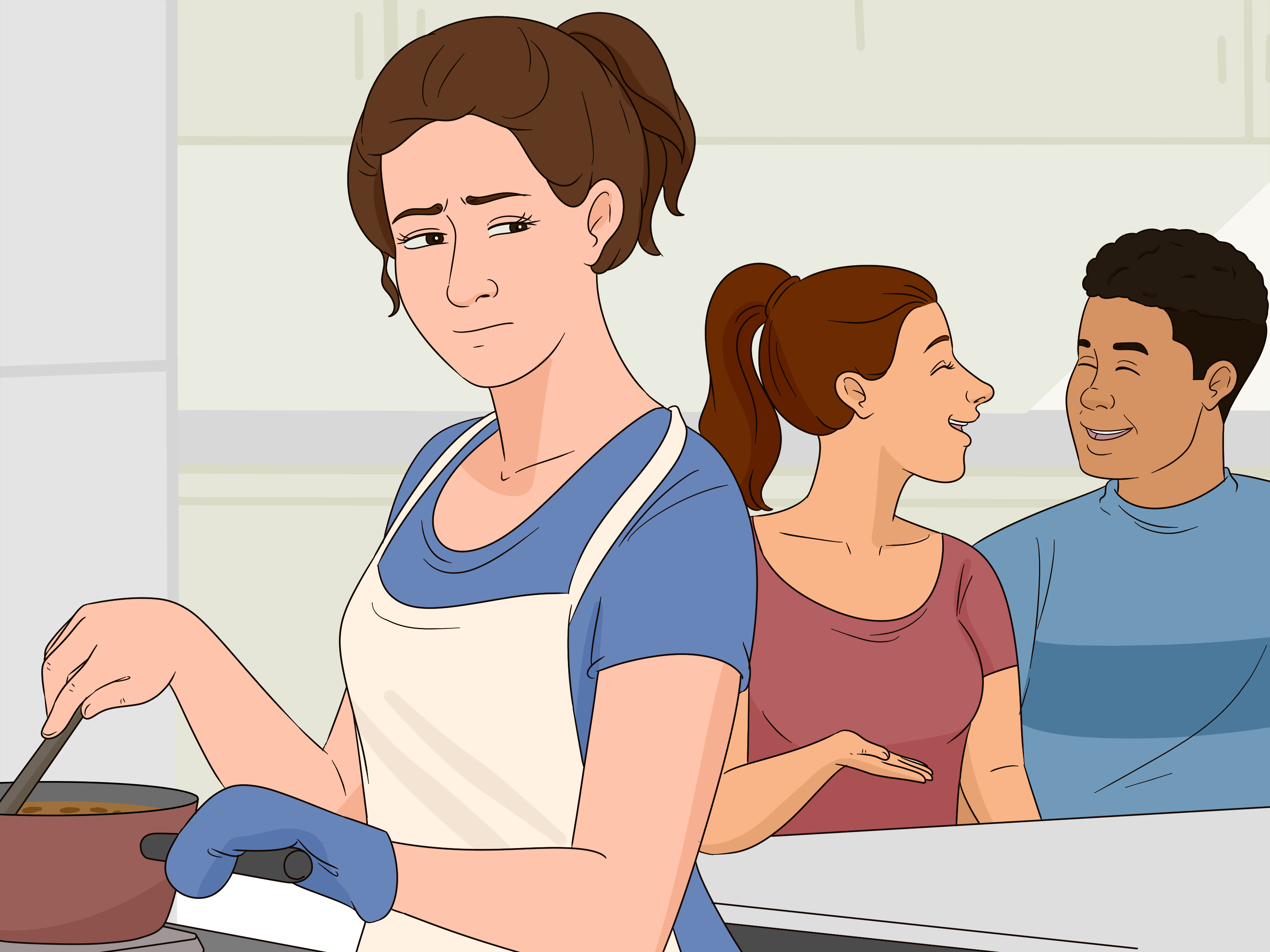
Friendship is beautiful. Friendship is meaningful. Friendship is also the reason someone may text, “I’m nearby, I’ll stop in!” while you are wearing mismatched socks, eating cereal over the sink, and spiritually committed to not speaking to another human until tomorrow.
When friends keep inviting themselves over, the problem is not always that they are rude or selfish. Sometimes they are lonely. Sometimes they are used to a more open-door style of friendship. Sometimes they mistake your polite smile for a legally binding hospitality contract. But even when their intentions are harmless, your home is still your home. You are allowed to protect your space, your time, your privacy, and your peace without feeling like the villain in a neighborhood drama.
This guide explains how to deal with friends who keep inviting themselves over in a kind, firm, and practical way. You will learn why this happens, how to set boundaries without blowing up the friendship, what to say in awkward moments, and how to create a visiting rhythm that works for everyone involved.
Why Friends Invite Themselves Over
Before you decide your friend has declared emotional squatters’ rights on your couch, it helps to understand what may be going on. People treat homes differently depending on their family culture, personality, social habits, and comfort level with boundaries.
They May Think Your Home Is a “Comfort Zone”
Some friends see your place as a safe, cozy, familiar space. That sounds sweet until “safe and cozy” turns into “I brought laundry and might stay through dinner.” If your home has become the default hangout spot, your friend may not realize how much effort hosting requires.
Even casual visits can demand emotional labor. You tidy up, offer drinks, change plans, entertain, and sometimes pretend you were not halfway through a dramatic argument with your fitted sheet. A friend who repeatedly drops by may be enjoying the comfort without noticing the cost.
They May Have Different Boundaries
In some families or social circles, dropping by is normal. Doors are open, snacks are communal, and people wander in like sitcom neighbors. In other households, surprise visitors feel like a pop quiz in human form. Neither style is automatically wrong, but problems happen when one person assumes their version is universal.
If your friend grew up in a “come over anytime” environment, they may genuinely think their visits are warm and friendly. Meanwhile, you may be silently wondering why your doorbell has become a threat.
They May Be Avoiding Rejection
Oddly enough, inviting oneself over can be a way to avoid hearing “no.” Instead of asking, “Can I come by?” the friend announces, “I’m coming over,” because it feels less vulnerable. They may not be trying to pressure you, but the result is still pressure.
Healthy friendship requires room for both yes and no. If someone only gives you a yes-shaped doorway, you may need to gently install a boundary-shaped lock.
The Real Problem: Unspoken Expectations
Most conflicts about unexpected visits are not really about the visit itself. They are about assumptions. Your friend assumes you are available. You assume they should know better. They assume closeness means access. You assume respect means asking first. Everyone is making assumptions, and assumptions are tiny chaos machines wearing casual shoes.
The solution is not to become cold or distant. The solution is to make the expectation clear: visits need to be planned, confirmed, and respectful of your schedule.
How to Set Boundaries Without Sounding Harsh
Setting boundaries with friends can feel uncomfortable, especially if you are used to being the easygoing one. But boundaries are not punishment. They are instructions for how to stay close without resentment building in the walls like emotional mold.
Use “I” Statements
Instead of saying, “You always show up at the worst time,” try, “I need more notice before having people over.” The first version can make your friend defensive. The second version focuses on your need.
Here are a few simple examples:
- “I love seeing you, but I need visits to be planned ahead.”
- “I’m not available for drop-ins anymore, but I’d love to schedule something.”
- “My evenings are pretty packed, so please check with me before coming over.”
- “I need my home time to be quiet time unless we already made plans.”
These sentences are polite, direct, and blessedly free of courtroom-level evidence. You do not have to prove your need for privacy. You can simply state it.
Be Clear Instead of Hinting
Hints are dangerous because people who ignore boundaries often have Olympic-level hint resistance. If you say, “Oh, tonight is kind of busy,” they may hear, “Come tomorrow with chips.”
Be specific. Say what you need and what should happen next. For example: “Please text me first and wait for me to confirm before heading over.” That sentence may feel too direct at first, but it is much kinder than silently resenting someone for not reading your mind.
Keep Your Tone Warm but Firm
Boundary-setting works best when your words are friendly and your message is not negotiable. Think velvet rope, not brick wall. You are not attacking your friend; you are protecting the friendship from becoming annoying enough to require a group chat intervention.
A warm but firm script might sound like this: “I really enjoy spending time with you, but surprise visits are hard for me. From now on, I need us to plan hangouts in advance.”
What to Say When They Text, “I’m Coming Over”
This is the moment when many people panic. You see the text. Your nervous system briefly leaves your body. You consider moving to a different city under a new name. But there is a better option: reply clearly.
Short Responses That Work
Use one of these when you need a quick answer:
- “Today doesn’t work for me. Let’s plan another time.”
- “I’m not having visitors tonight.”
- “Please don’t come by without checking first.”
- “I’m keeping the evening to myself, but I’ll message you later this week.”
- “I can’t host today. Hope you understand.”
Notice that none of these includes a 900-word apology, a fake illness, or a fictional plumbing emergency. You are allowed to say no simply.
If They Are Already on the Way
If your friend says, “I’m five minutes away,” you can still say no. Distance does not cancel your boundary. Try: “I wish you had checked first. I’m not available for a visit today, so please don’t stop by.”
It may feel awkward. Let it be awkward. Temporary awkwardness is better than teaching someone that your home is available whenever they are bored near your zip code.
How to Handle the Doorstep Surprise
Few things test your social courage like an unexpected knock. You did not agree to host, but there they are, smiling on the porch like a boundary pop-up ad.
You Do Not Have to Open the Door
This may sound dramatic, but it is true. If you are not expecting someone and do not want visitors, you do not have to answer. Your home is not a public lobby. If you want to respond by text, say: “I saw you stopped by, but I’m not available. Please text before coming next time.”
Some people feel guilty about this, but remember: showing up unannounced does not create an obligation for you to host. The person who created the awkward situation was the person who skipped the invitation step.
If You Do Open the Door
Keep it brief. You can step outside instead of inviting them in. Say: “Hey, I can’t visit right now. Next time, please text before coming over.” Then close the interaction kindly.
The trick is not to reward the surprise visit with a full hangout if you do not want surprise visits to continue. If every unplanned visit becomes coffee and conversation, your boundary becomes decorative.
Create a New Rule for Visits
Sometimes a general “please ask first” is enough. Other times, you need a practical system. Rules make expectations easier because they remove the need to decide from scratch every time.
Try a 24-Hour Notice Rule
You might say, “I need at least a day’s notice before having people over.” This is especially helpful if you work from home, have children, care for family, manage anxiety, live with roommates, or simply enjoy not being ambushed while folding laundry.
Set Hosting Days
If you like seeing your friend but not spontaneously, choose a rhythm. For example: “Friday nights are usually best for me,” or “I’m happy to host once or twice a month, but not during the workweek.”
This gives your friend reassurance that you still value the relationship while making it clear that access to your home has limits.
Meet Somewhere Else
If your home has become the default gathering place, move the friendship into neutral territory. Suggest coffee shops, parks, walks, libraries, restaurants, gyms, community events, or errands together. Not every friendship moment needs to involve your couch, your snacks, and your dishwasher.
Try: “I’m not up for hosting this week, but I’d love to meet for coffee Saturday.” That keeps connection alive while protecting your space.
What If Your Friend Gets Upset?
A friend may feel embarrassed, rejected, or defensive when you set a new boundary. That does not mean your boundary is wrong. It means change is happening, and change sometimes arrives wearing an emotional backpack.
Validate Without Backtracking
You can care about your friend’s feelings without canceling your own needs. Try: “I understand this may feel different because we’ve been casual about visits before. I still care about you. I just need more notice now.”
This approach offers reassurance without surrendering the boundary. You are not saying, “Never mind, come over whenever.” You are saying, “The friendship matters, and so does my peace.”
Do Not Over-Explain
Over-explaining can make your boundary sound like an argument waiting to be defeated. If you list ten reasons, a pushy friend may try to solve all ten. “I’ll be quiet.” “I don’t mind the mess.” “I only need an hour.” Suddenly your boundary has turned into a negotiation seminar.
Keep it simple: “That doesn’t work for me.” This sentence deserves a tiny trophy.
When the Pattern Is a Red Flag
Most friends will adjust when they understand your needs. But if someone repeatedly ignores your requests, guilt-trips you, shows up anyway, or acts entitled to your home, pay attention. The issue may be bigger than surprise visits.
Signs Your Friend Is Not Respecting You
- They come over after you clearly said no.
- They mock your need for privacy.
- They make you feel guilty for having boundaries.
- They treat your home like their backup living room.
- They expect food, emotional support, or entertainment every time.
- They become angry when you ask for basic respect.
If this happens, you may need stronger limits. That could mean fewer hangouts, meeting only in public places, not answering unexpected visits, or taking space from the friendship.
How to Preserve the Friendship
The goal is not to exile your friend from your life like a medieval trespasser. The goal is to create a healthier friendship where both people feel comfortable.
Offer an Alternative
When possible, pair your no with a real invitation. For example: “Tonight doesn’t work, but I’d love to see you Sunday afternoon.” This shows that the problem is the timing, not the person.
Be Consistent
Consistency teaches people how to treat you. If you say you need notice but then accept every surprise visit, your friend learns that the rule is optional. You do not have to be perfect, but you do need to be steady.
Appreciate Respectful Behavior
When your friend starts asking first, acknowledge it. Say: “Thanks for checking before coming over. That really helps me.” Positive reinforcement is not just for toddlers and golden retrievers. Adults also enjoy knowing they did something right.
Specific Examples for Different Types of Friends
Different friends need different approaches. Here are practical scripts for common situations.
The Lonely Friend
This friend may come over because they need comfort. Be compassionate, but do not become their only support system.
Try saying: “I care about you and I want to support you, but I can’t be available for surprise visits. Let’s plan a time to talk, and maybe we can also think about other support options for you.”
The Party Friend
This person believes every night could become a social event if enough optimism and chips are involved.
Try saying: “I’m not doing spontaneous hangouts at my place anymore. Let’s plan something when I’m actually ready to host.”
The Neighbor Friend
Living nearby can blur boundaries fast. A friend next door may think proximity equals permission.
Try saying: “Since we live so close, I know it’s easy to stop by, but I still need you to text first and wait for me to say yes.”
The Friend Who Brings Other People
One unexpected guest is stressful. One unexpected guest plus two mystery humans is a tiny hostage situation with shoes.
Try saying: “Please don’t bring anyone to my home unless I specifically invite them. I need to know who’s coming ahead of time.”
How to Stop Feeling Guilty
Guilt is common when you start setting boundaries, especially if you are used to being accommodating. But guilt does not always mean you did something wrong. Sometimes guilt means you are doing something new.
Your need for rest is valid. Your need for privacy is valid. Your need to sit in your home without performing “host mode” is valid. You can be generous without being constantly available. You can be friendly without having an open-door policy. You can love your people and still not want them standing in your kitchen unannounced while you are defrosting emotionally after work.
Experience Section: What This Looks Like in Real Life
Many people do not realize they have a problem with self-inviting friends until they start feeling tense before the visit even happens. At first, it may seem harmless. A friend drops by once after work. Then again on Saturday. Then they begin texting, “I’m bored, I’ll come over,” as if your living room is a subscription service. You laugh it off because they are fun, and because saying no feels strangely formal. But after a while, the pattern can drain you.
One common experience is the “I was just in the area” visit. You may be in pajamas at 7 p.m., finally enjoying the sacred silence of your home, when your phone lights up. Your friend is nearby. They want to stop in. You feel trapped because they are already close. So you say yes, even though your whole body says, “Absolutely not, captain.” The visit is pleasant enough, but afterward you feel annoyed with them and disappointed in yourself. That is usually the sign that a boundary is overdue.
Another experience is the friend who assumes closeness means unlimited access. They may say things like, “Why do I need to ask? We’re basically family.” That can sound affectionate, but family-style closeness still needs consent. Even actual family members should not treat your home like a vending machine that dispenses attention, coffee, and emotional support on demand.
When people finally set the boundary, they often discover that the conversation is less dramatic than they feared. A simple message such as, “I love hanging out, but I need you to check with me before coming over,” can change the entire pattern. Some friends immediately apologize. Some are surprised. Some need reminders. But many friendships improve because the host stops quietly building resentment.
The most helpful lesson is that boundaries do not make you less kind. They make your kindness more honest. When you agree to a visit after choosing it freely, you are more relaxed, more present, and less likely to stare at the clock like it owes you money. Planned time together feels better than forced time together.
It also helps to create small rituals. Maybe Sunday brunch is your usual hangout. Maybe Wednesday walks replace random weeknight drop-ins. Maybe your friend learns that texting first is not rejection; it is respect. Over time, the friendship becomes less chaotic and more intentional.
The awkward part is real. The first few times you say no, you may feel like you are being mean. But then your home starts to feel like yours again. You can rest without bracing for the doorbell. You can host when you want to, not because someone has socially cornered you. That is the sweet spot: friendship with warmth, laughter, and enough breathing room for everybody.
Conclusion
Dealing with friends who keep inviting themselves over is not about becoming distant, rude, or unavailable. It is about teaching people how to respect your home and your time. The best approach is clear, kind, and consistent: explain that you need advance notice, say no when a visit does not work, avoid over-explaining, and offer planned alternatives when you genuinely want to connect.
A good friend may feel surprised at first, but they will care enough to adjust. A healthy friendship does not require unlimited access to your couch, fridge, calendar, or nervous system. Your home should feel like a place where you can recharge, not a community center with surprise programming.
So the next time someone says, “I’ll come over,” remember: you are allowed to answer, “Not today.” No guilt. No fake emergency. No hiding behind the curtains holding your breath like a sitcom character. Just a clear boundary, a calm tone, and the quiet joy of reclaiming your own front door.
Note: This article offers general friendship and communication guidance. If a relationship feels unsafe, coercive, or emotionally harmful, consider seeking support from a qualified counselor, therapist, or trusted professional.