

Note: This article is for educational purposes only. Puppy deworming should be guided by a licensed veterinarian, especially for very young, underweight, sick, pregnant, nursing, or newly adopted puppies.
Bringing home a puppy is basically inviting a tiny, fuzzy tornado into your life. There are chew marks, mystery puddles, dramatic naps, and the occasional sock that enters witness protection. But among the less glamorous parts of puppy care, deworming deserves a top spot. It may not be as cute as buying a squeaky toy shaped like a taco, but it is one of the most important things you can do for your puppy’s health.
Puppies are especially vulnerable to intestinal parasites such as roundworms and hookworms. Some puppies can get worms before birth or while nursing. Others pick them up from contaminated soil, feces, fleas, or infected prey. The tricky part? A puppy can have worms even if they look perfectly healthy. That is why learning how to deworm a puppy is not just about giving medicine. It is about timing, testing, hygiene, prevention, and working with your veterinarian like a responsible pet parent with a lint roller in every room.
This guide walks you through 13 practical steps to deworm a puppy, from recognizing possible signs to preventing reinfection. You will also find real-world experience tips at the end to help make the process smoother, safer, and less stressful for both you and your four-legged chaos machine.
Why Puppy Deworming Matters
Intestinal worms can steal nutrients, irritate the digestive tract, and cause serious illness in young puppies. Heavy parasite loads may lead to diarrhea, vomiting, poor growth, a pot-bellied appearance, dull coat, coughing, weakness, or anemia. Hookworms are especially concerning because they can cause blood loss, and very young puppies do not have much reserve to spare.
Deworming also protects your household. Some dog parasites, especially roundworms and hookworms, can infect people. Children are often at higher risk because they play close to the ground, touch everything, and sometimes treat handwashing like an optional side quest. Regular deworming, fecal testing, and cleanup reduce contamination in your home and yard.
How to Deworm a Puppy: 13 Steps
1. Schedule a Veterinary Visit First
The safest first step is simple: book a vet appointment. Your veterinarian can check your puppy’s age, weight, health status, vaccination schedule, and parasite risk. This matters because dewormers are not one-size-fits-all. A product that works for roundworms may not treat tapeworms. A dose meant for a larger puppy could be unsafe for a tiny one. A puppy with diarrhea may need more than a basic worming medication.
If you adopted your puppy from a shelter, breeder, rescue, or neighbor, bring any medical records you received. Look for dates of previous deworming, the medication name, and whether a stool test was performed. If the paperwork says “wormed once,” do not assume the job is finished. Many puppies need repeated treatments.
2. Learn the Common Worms in Puppies
Before you reach for a dewormer, it helps to know the usual suspects. Roundworms are common in puppies and may look like pale spaghetti if seen in vomit or stool. Hookworms are small but dangerous because they feed on blood and can contribute to anemia. Whipworms can cause chronic diarrhea, though they are often more common in older puppies and adult dogs. Tapeworms may look like tiny rice grains near the puppy’s rear or in bedding and are commonly linked to fleas.
There are also non-worm intestinal parasites, such as Giardia and coccidia, that can cause puppy diarrhea but require different treatment. This is why guessing based on symptoms alone is risky. Your puppy’s digestive system is not a game show; “close enough” is not the winning answer.
3. Watch for Symptoms, But Do Not Wait for Them
Possible signs of worms in puppies include diarrhea, soft stool, vomiting, bloated belly, weight loss, slow growth, poor appetite, visible worms, coughing, pale gums, low energy, or a rough coat. However, many infected puppies show no obvious symptoms at first.
That is why routine puppy deworming is recommended even when a puppy appears normal. A bouncy puppy with bright eyes and a tail operating at helicopter speed can still carry parasites. If your puppy has severe diarrhea, repeated vomiting, bloody stool, weakness, dehydration, or pale gums, contact a veterinarian quickly. Those signs can point to serious illness, including heavy parasite infection.
4. Bring a Fresh Stool Sample
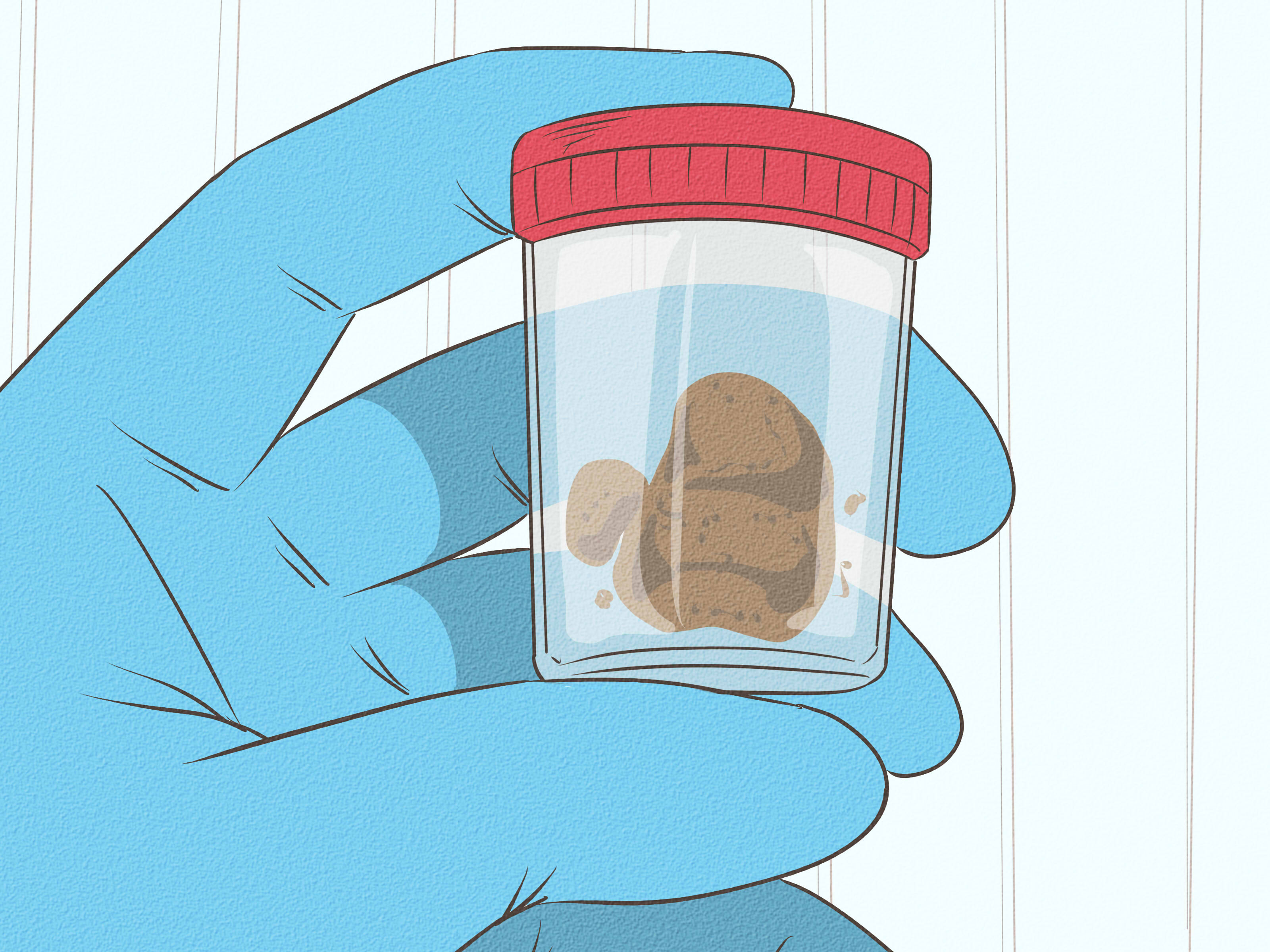
A fecal exam helps your veterinarian identify parasite eggs, larvae, or other organisms. For best results, bring a fresh stool sample in a clean container or sealed plastic bag. It does not need to be gift-wrapped. In fact, please do not gift-wrap poop. Your vet team has seen everything, but there is no need to make it festive.
Testing is useful because different parasites need different medications. A fecal test can also help confirm whether treatment worked. In some cases, puppies may need repeat testing, especially if symptoms continue or the puppy has been exposed to contaminated environments.
5. Use the Dewormer Recommended by Your Veterinarian
Your vet may recommend a broad-spectrum puppy dewormer or a medication targeted to the parasite found on testing. Common veterinary deworming ingredients may include pyrantel, fenbendazole, praziquantel, milbemycin, or other parasite-control medications, depending on the worm type and your puppy’s age and weight.
Do not use random leftover medication from another pet. Do not split adult dog tablets unless your vet specifically instructs you. Do not use livestock dewormers. And definitely do not follow advice from a comment section where someone named “WormWarrior97” claims garlic fixes everything. Puppies need accurate dosing and safe products.
6. Weigh Your Puppy Accurately
Deworming dosage is commonly based on body weight. Puppies grow quickly, so last week’s weight may already be outdated. Your veterinarian can weigh your puppy on a clinic scale, or you can use a home scale for an estimate if your vet approves.
For small puppies, even a small dosing mistake can matter. Too little medication may fail to clear the worms. Too much may increase the risk of side effects. Accurate weight is one of the simplest ways to make deworming safer and more effective.
7. Follow the Puppy Deworming Schedule
Many puppies are dewormed multiple times during their first months of life. A common veterinary schedule begins around two weeks of age and repeats every two weeks during early puppyhood, then transitions into monthly parasite prevention when the puppy is old enough and meets label requirements. Your veterinarian may adjust this based on your puppy’s history, local parasite risks, test results, and overall health.
Repeated treatment is important because some dewormers kill adult worms in the intestines but may not eliminate immature stages migrating through tissues. Follow-up doses help catch parasites as they mature. Think of it like laundry day: one load rarely solves the whole situation when a puppy is involved.
8. Give the Medication Exactly as Directed
Puppy dewormers may come as liquids, tablets, chewables, granules, or topical products. Read the label and follow your veterinarian’s instructions carefully. Some medications are given once. Others are given for several days or repeated after a set interval.
If your puppy spits out the medication, do not automatically give another full dose. Call your vet for guidance. If the medicine is a liquid, measure it with the syringe provided rather than a kitchen spoon. A spoon is great for soup, questionable for medicine, and terrible when your puppy is wiggling like a furry noodle.
9. Monitor for Mild Side Effects
Many puppies tolerate deworming well. Some may have mild digestive upset, temporary soft stool, or visible worms in the stool after treatment. Seeing worms after deworming can be alarming, but it may mean the medication is doing its job.
Contact your veterinarian if your puppy develops repeated vomiting, severe diarrhea, swelling, hives, difficulty breathing, extreme lethargy, collapse, or any reaction that worries you. Also call if your puppy is very young, tiny, or already sick and seems worse after treatment.
10. Clean Up Stool Immediately
Deworming your puppy while leaving contaminated stool in the yard is like mopping the floor while wearing muddy boots. Parasite eggs and larvae can spread through feces and contaminate soil, bedding, crates, and play areas.
Pick up poop promptly, especially during and after treatment. Use gloves or a bag, wash your hands, and dispose of waste properly. Clean crates, bedding, and washable toys. If your puppy has accidents indoors, clean the area thoroughly with a pet-safe cleaner. Good sanitation reduces the chance of reinfection and helps protect other pets and people.
11. Treat Fleas to Help Prevent Tapeworms
Tapeworms are often connected to fleas. Puppies can get tapeworms when they swallow an infected flea during grooming. If you see rice-like segments around your puppy’s rear or bedding, ask your vet about tapeworm treatment and flea control.
Use only flea products approved for your puppy’s age and weight. Some flea treatments are unsafe for young puppies, and products made for dogs can be dangerous for cats in the same household. Your vet can recommend a safe parasite prevention plan that fits your puppy and your home.
12. Start Monthly Parasite Prevention When Appropriate
Once your puppy is old enough, your veterinarian may recommend monthly parasite prevention. Some preventives protect against heartworm and also treat or control certain intestinal worms, fleas, or ticks. The right choice depends on your puppy’s age, weight, health, location, lifestyle, and exposure risk.
Monthly prevention does not replace every fecal test or every treatment need, but it helps reduce the risk of common parasites. Consistency is key. Put reminders on your phone, calendar, fridge, or anywhere you will not ignore them. Puppies have no problem reminding you when dinner is late, but they are surprisingly quiet about parasite prevention dates.
13. Retest and Keep Vet Checkups on Track
Deworming is not always a one-and-done event. Your veterinarian may recommend follow-up fecal testing to confirm parasites are gone or to check for reinfection. Puppies usually have several wellness visits for vaccines, growth checks, and parasite control during their first months.
Keep those appointments. They help your vet monitor weight gain, stool quality, nutrition, vaccine timing, and overall development. If your puppy continues to have diarrhea after deworming, do not assume the worms are “just leaving.” Persistent diarrhea may be caused by another parasite, diet change, infection, stress, or another medical problem.
What Not to Do When Deworming a Puppy
Do Not Guess the Dose
Guessing can lead to underdosing or overdosing. Always use your puppy’s current weight and the product directions approved by your veterinarian.
Do Not Mix Dewormers Without Veterinary Advice
Combining products can increase risk, especially if ingredients overlap. Tell your vet about every supplement, flea product, heartworm preventive, or medication your puppy receives.
Do Not Assume Natural Remedies Are Safe
Some “natural” parasite remedies are ineffective, irritating, or unsafe. Puppies are delicate, and worms are not impressed by kitchen experiments.
Do Not Forget the Environment
Medication treats the puppy, but cleanup helps treat the problem. Wash bedding, remove feces, and keep play areas clean and dry when possible.
When to Call the Vet Immediately
Call your veterinarian promptly if your puppy has bloody diarrhea, repeated vomiting, pale gums, severe weakness, dehydration, a swollen painful belly, rapid breathing, or collapse. You should also call if your puppy is younger than eight weeks, very small, not eating, or already diagnosed with anemia or another health issue.
Emergency signs should not wait for a blog article, even a charming one. Young puppies can decline quickly, and early care can make a major difference.
Experience-Based Tips for Deworming a Puppy
After helping many new puppy owners understand the deworming process, one pattern becomes clear: the medicine is usually not the hardest part. The hardest part is staying organized while your puppy is busy chewing shoelaces, discovering gravity, and treating every leaf like breaking news. Deworming goes better when you make it part of a simple puppy-care system instead of a dramatic one-time event.
One useful habit is to create a puppy health folder. This can be a physical folder, a phone note, or a spreadsheet if you are the kind of person who finds peace in columns. Record your puppy’s weight, deworming dates, medication names, stool test results, vaccine dates, and any symptoms. When your veterinarian asks, “When was the last dose?” you will not have to stare into space while your puppy attempts to lick the exam table.
Another practical tip is to plan medication time when your puppy is calm. Right after wild playtime may seem convenient, but a zooming puppy is not famous for cooperation. Try after a potty break or before a meal, depending on the medication instructions. If the dewormer is flavored, some puppies accept it like a treat. Others act as if you have personally offended their ancestors. Stay patient, use a calm voice, and avoid turning it into a wrestling match.
For liquid dewormers, ask your vet team to show you how to place the syringe gently along the side of the mouth, not straight down the throat. Give the liquid slowly so your puppy can swallow. For tablets or chewables, ask whether they can be hidden in a small amount of food. Do not hide medication in a giant snack unless your vet approves, because some puppies will eat around the medicine with the skill of a tiny surgeon.
Expect stool changes. Some puppies pass softer stool after deworming, and some may pass visible worms. This is not a pleasant discovery, especially before breakfast, but it can happen. Take a photo if you need to show the vet, then clean it up quickly. Wash your hands well, clean the area, and keep children away from contaminated spaces.
If you have multiple pets, ask your veterinarian whether they should be tested or treated too. Parasites can circulate through a household, especially when pets share yards, bedding, or grooming habits. Flea control is also important because fleas can spread tapeworms. Treating only the puppy while ignoring fleas is like locking the front door but leaving the windows open.
Finally, do not feel embarrassed if your puppy has worms. Many puppies do. Worms are common, not a sign that you failed as an owner. The important thing is to respond quickly, follow veterinary guidance, keep the environment clean, and stay consistent with prevention. Puppy parenting is a learning curve with paws. Deworming is just one of the early lessons, right next to “never trust silence” and “your slipper is not safe.”
Conclusion
Learning how to deworm a puppy is about more than giving a dose of medicine. It starts with a veterinary exam, a stool test when recommended, the right dewormer, accurate weight-based dosing, repeat treatments, cleanup, flea control, and long-term prevention. Puppies can pick up worms from their mother, contaminated environments, fleas, or everyday exploring, so a smart parasite plan protects both your puppy and your household.
The best approach is simple: partner with your veterinarian, follow the schedule, clean up quickly, and keep records. Your puppy may never thank you for deworming day, but they will benefit from better growth, better comfort, and a healthier start in life. And really, that is the goal: fewer worms, fewer worries, and more time enjoying the adorable chaos of puppyhood.