

Dressing “like a girl” is not a single outfit, color palette, or shopping list. Girls and women wear everythletic gear, and vintage band tees. There is no fashion police officer waiting behind a department-store mannequin to confiscate your girl card.
For the purpose of this guide, dressing like a girl means creating a look that feels intentionally feminine to you. That might involve soft fabrics, defined silhouettes, delicate accessories, playful colors, polished grooming, or simply clothing that makes you feel confident. The best feminine style is not a costume. It is a personal wardrobe that supports your lifestyle, fits properly, and gives you a little extra sparkle when you catch your reflection.
Start by Defining Your Version of Feminine Style
Before filling an online cart with pink sweaters and floral skirts, decide what femininity actually looks like in your world. A college student, corporate attorney, stay-at-home parent, musician, and marathon runner may all enjoy feminine fashion, but their closets should not look identical.
Choose Three Words for Your Style
Describe your ideal wardrobe using three adjectives. Examples include “romantic, relaxed, modern,” “classic, polished, soft,” or “bold, glamorous, playful.” These words become a filter for future purchases. A satin midi skirt may fit a romantic wardrobe, while a structured blazer may suit a polished one.
When you consider buying something, ask whether it matches at least two of your three words. If it matches none, it may become one of those closet residents that never pays rent.
Create an Inspiration Board
Collect images of outfits you would realistically wear, not just dramatic runway looks that require a limousine and a wind machine. Look for repeated details. You may notice that you consistently save wrap dresses, fitted cardigans, high-waisted jeans, gold jewelry, neutral handbags, or monochrome outfits.
These patterns reveal your true preferences. They also prevent random shopping, which is how a closet ends up containing five party tops, no useful pants, and one hat purchased during an emotional crisis.
Build a Feminine Wardrobe Foundation
A practical wardrobe begins with versatile pieces that work together. You do not need dozens of dresses or an entire wall of shoes. A focused collection of basics creates more outfits and makes statement pieces easier to wear.
Start With Reliable Tops
Useful feminine tops may include a fitted T-shirt, soft blouse, ribbed tank, crisp button-down, lightweight sweater, and cardigan. Necklines influence the mood of an outfit. Scoop, square, sweetheart, boat, and V-neck styles can create a softer or more open appearance, while a collared shirt feels polished and structured.
Fit matters more than the neckline’s official name. Shoulder seams should sit near your shoulders, buttons should lie flat, and the fabric should not twist or pull. A basic top that fits beautifully often looks more elegant than an expensive blouse fighting for its life.
Add Bottoms That Create Different Silhouettes
A balanced wardrobe may contain straight-leg jeans, tailored trousers, a midi skirt, and a casual short or mini skirt if those suit your comfort level. High-waisted bottoms can emphasize the waist, while A-line skirts create movement and offer an easy traditionally feminine shape.
Wide-leg pants can also look feminine, especially when paired with a fitted top, tucked blouse, heeled sandal, or refined flat. Femininity does not require squeezing into tiny clothing. Volume can look graceful when the proportions are intentional.
Choose One or Two Easy Dresses
Dresses are efficient because they provide an almost complete outfit in one piece. A wrap dress offers adjustable definition, a shirt dress feels polished, a slip dress works for layering, and a knit dress can be comfortable enough for everyday wear.
Choose a hemline that lets you sit, walk, and bend without conducting a continuous emergency inspection. Clothing should support your life, not turn every staircase into a tactical operation.
Invest in Versatile Layers
A cardigan, blazer, denim jacket, trench coat, or cropped jacket can change the entire personality of an outfit. A blazer adds authority to a floral dress. A cardigan softens jeans and a tank. A leather jacket gives a delicate skirt an appealing contrast.
Look for layers that work with most of your closet. Neutral shades such as black, cream, navy, camel, gray, or chocolate are easy to combine, but a signature color can work just as hard when it complements your favorite clothes.
Use Fit and Proportion to Make Outfits Look Intentional
Many outfits fail not because the individual pieces are unattractive, but because their proportions compete. Styling is often the art of deciding where an outfit should be fitted, where it should be relaxed, and where the eye should land.
Balance Loose and Fitted Pieces
Pair an oversized shirt with slim or structured bottoms, or wear wide-leg pants with a fitted tank. This is not an unbreakable law. Oversized pieces can look wonderful together, but they usually need a visible structure, such as a tucked hem, rolled sleeve, defined shoulder, cropped length, or strong shoe.
Define the Waist When You Want More Shape
A belt, wrap design, cropped jacket, strategic tuck, or high-rise waistband can define the waist without requiring uncomfortable shapewear. Even a small front tuck can turn a boxy combination into a deliberate silhouette.
Waist definition is an option, not an obligation. Column dresses, long tunics, and relaxed tailoring can look equally feminine. The goal is to understand the shape you are creating rather than automatically trying to make every body look like an hourglass.
Tailor the Clothes You Already Own
Simple alterations can dramatically improve a wardrobe. Hemming pants, shortening sleeves, adjusting straps, or taking in a waistband may cost less than replacing an otherwise excellent garment. Tailoring is especially valuable for blazers, trousers, formal dresses, and frequently worn jeans.
Ready-to-wear sizing is standardized for production, not customized for every human body. Needing an alteration does not mean your body is wrong. It means the garment was introduced to you before receiving complete instructions.
Experiment With Color, Fabric, and Print
Traditionally feminine style often uses color and texture to create softness, movement, or visual interest. You can use these tools subtly or enthusiastically.
Build a Personal Color Palette
Select two or three neutral colors and several accents you enjoy wearing. For example, a wardrobe might be based on cream, navy, and denim with accents of burgundy, pale blue, and green. Another might use black, white, and gray with bright red or cobalt accessories.
Pastels can feel delicate, jewel tones can feel luxurious, and monochrome dressing can look sleek and sophisticated. Pink is available, of course, but it is not the entrance fee for femininity.
Use Texture to Add Depth
Lace, satin, silk, velvet, ribbed knits, chiffon, soft cotton, tweed, and linen can make simple silhouettes more interesting. A cream satin skirt with a plain T-shirt feels feminine without looking overly formal. A lace-trimmed camisole under a blazer creates contrast. A chunky cardigan over a slip dress makes the outfit more relaxed.
When combining textures, keep the color palette relatively controlled. This helps the outfit feel rich rather than busy.
Introduce Prints Carefully
Floral, polka-dot, gingham, striped, and abstract prints can bring personality to a feminine wardrobe. Beginners may find it easier to wear one printed item with solid pieces. A floral skirt, white shirt, and neutral shoes create a complete look without requiring advanced pattern diplomacy.
Let Accessories Do Some of the Work
Accessories can make a basic outfit feel feminine in seconds. They are especially useful when you prefer practical or neutral clothing.
Choose Jewelry That Matches the Mood
Small hoops, pearl studs, delicate chains, layered necklaces, rings, or a simple watch can add polish. Larger earrings or sculptural pieces create a bolder effect. You do not need to wear everything at once. Unless your goal is “charming antique chandelier,” select one or two focal points.
Use Bags to Create Structure or Softness
A structured top-handle bag feels polished, while a slouchy shoulder bag appears relaxed. Crossbody bags offer convenience, and small evening bags can make basic dresses feel event-ready. Select a size that suits your routine. A microscopic purse is less adorable when it cannot accommodate your keys.
Find Shoes You Can Actually Walk In
Ballet flats, loafers, ankle boots, sleek sneakers, sandals, low heels, and pumps can all support feminine outfits. Pointed toes often create a sharper, elongated look, while rounded toes feel softer. A low block heel offers height with greater stability than a narrow stiletto.
Comfort influences posture, movement, and confidence. The most glamorous shoe in the room loses some magic when its wearer is silently negotiating with every toe.
Add Hair Accessories or a Scarf
A headband, ribbon, claw clip, silk scarf, or decorative barrette can add color and detail without requiring a new outfit. A scarf can be worn at the neck, on a bag handle, around a ponytail, or as a belt.
Simple Feminine Outfit Formulas
Outfit formulas reduce decision fatigue while leaving room for creativity. Use these combinations as starting points rather than strict uniforms.
Casual Everyday Outfit
Pair straight-leg jeans with a fitted T-shirt, cardigan, small earrings, and clean sneakers or ballet flats. Tuck in the shirt partially and add a belt for extra definition.
Soft and Romantic Outfit
Wear a midi skirt with a lightweight knit top, delicate necklace, and low-heeled shoes. Choose a floral print, satin texture, or soft color if you want a stronger romantic effect.
Polished Work Outfit
Combine tailored trousers with a tucked blouse, blazer, structured bag, and loafers or block heels. Keep the base neutral and add personality through earrings, lipstick, a scarf, or a colored shoe.
Relaxed Dress Outfit
Style a simple knit or shirt dress with a denim jacket, crossbody bag, and sneakers. Replace the jacket with a blazer and the sneakers with heels when you need a dressier version.
Edgy Feminine Outfit
Pair a slip dress or flowing skirt with a leather jacket, ankle boots, and bold jewelry. Combining soft and tough elements often looks more modern than wearing every feminine detail simultaneously.
Dress for the Occasion Without Losing Your Personality
A useful outfit must fit the setting. Consider the dress code, weather, walking distance, seating arrangements, and activities before choosing clothes.
For work, polished fabrics and secure necklines may matter more than trendy details. For a wedding, review the requested dress code and avoid clothing that may compete with the couple’s ceremonial attire. For travel, prioritize breathable layers, practical shoes, and pieces that resist wrinkles. For a date, wear something that makes you feel attractive without requiring constant adjustment.
Being appropriately dressed does not mean becoming invisible. A familiar color, signature accessory, favorite silhouette, or personal beauty detail can keep the outfit recognizably yours.
Common Mistakes to Avoid
Copying an Entire Aesthetic Overnight
Buying a complete “coquette,” “old money,” “clean girl,” or “cottagecore” wardrobe may feel exciting for approximately one social-media cycle. Introduce one or two elements first and see whether they fit your actual life.
Ignoring Comfort
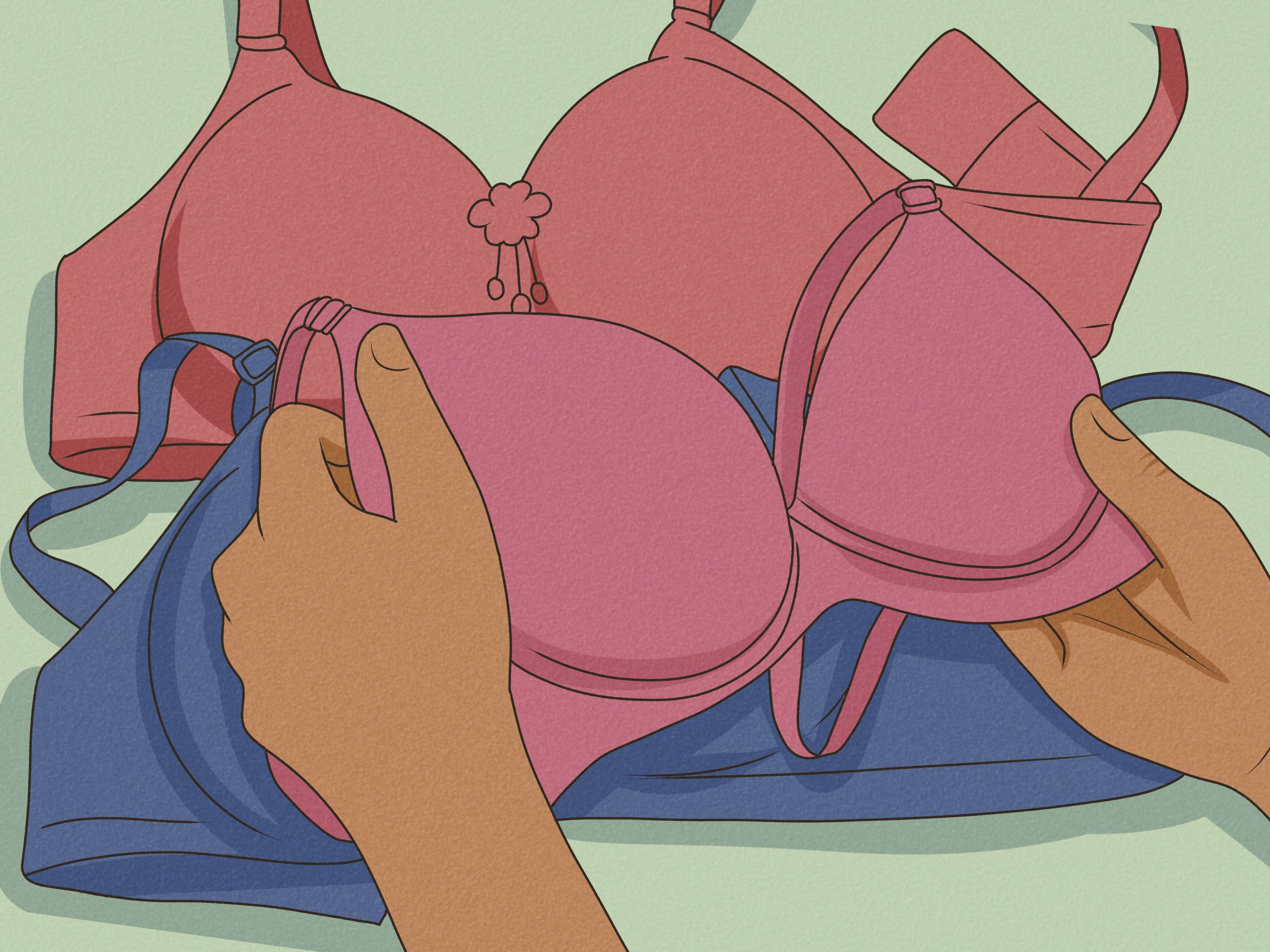
If a skirt rides up, a bra digs in, or a heel makes walking miserable, you will not feel confident. Comfort is not the opposite of style. Proper fit, breathable fabric, supportive undergarments, and functional footwear make style easier to enjoy.
Buying for a Fantasy Schedule
Shop for the activities you genuinely do. If most of your week includes school, commuting, errands, or casual work, those clothes should receive most of the budget. One elegant event dress is useful. Twelve event dresses may indicate that your closet believes you attend significantly more galas than you do.
Believing Femininity Requires Expensive Brands
Fit, coordination, fabric care, and thoughtful styling matter more than a visible logo. An ironed thrift-store blouse with tailored trousers can look more polished than a designer outfit that is wrinkled, uncomfortable, or poorly fitted.
How to Build Your Wardrobe on a Budget
Begin by shopping your own closet. Photograph outfits you like so you can repeat them. Identify genuine gaps instead of browsing without a plan. A written list helps distinguish a useful purchase from an item that merely looked charming under flattering store lighting.
Thrift stores, consignment shops, clothing swaps, resale platforms, and seasonal sales can provide quality pieces at lower prices. Inspect seams, zippers, buttons, lining, and fabric condition before buying. Prioritize better construction for frequently worn items such as jeans, jackets, shoes, and bags.
Use a cost-per-wear mindset. A $100 coat worn 100 times costs $1 per wear. A $25 novelty top worn once costs $25 per wear and then begins its second career as closet insulation.
A Real-World Style Experience: What a Seven-Day Experiment Can Teach You
A useful way to discover feminine style is to conduct a one-week wardrobe experiment. The experience is less about producing seven flawless outfits and more about noticing what makes you comfortable, confident, and eager to get dressed.
On the first day, start with familiar clothing and add one feminine detail. Someone who normally wears jeans and a T-shirt might add small hoop earrings, a fitted cardigan, or ballet flats. This usually feels more natural than changing everything at once. The key observation is whether the added detail feels expressive or distracting.
On day two, experiment with proportion. Try a tucked blouse with high-waisted trousers or a fitted top with a flowing skirt. Many people discover that the outfit looks more deliberate simply because the waistline is visible or the volume is balanced. A mirror photo is helpful because proportions sometimes appear differently in a photograph than they do while standing six inches from a bathroom mirror.
Day three can focus on color. Wear an accent shade near your face, perhaps through a sweater, scarf, or earrings. Notice whether the color brightens your appearance and whether you receive compliments. Compliments are not the goal, but repeated positive reactions may reveal colors that work especially well for you.
On day four, test a dress. A casual knit, wrap, or shirt dress is a good option because it can be styled without ceremony. Add sneakers or a denim jacket if the dress feels too formal. People who rarely wear dresses often discover that footwear determines whether the look feels natural. The same dress can seem glamorous with heels and completely relaxed with sneakers.
Day five is an accessory experiment. Begin with a simple outfit and add a belt, layered necklace, structured bag, scarf, or hair accessory. This demonstrates how small details can create a stronger style identity without requiring a large wardrobe. It may also reveal your accessory limit. Some people love layered details; others feel best with one excellent piece.
On day six, combine contrasting elements, such as a satin skirt with a graphic tee or a floral dress with boots. Contrast prevents feminine clothing from feeling costume-like and often creates the most personal outfits. A person who enjoys both romantic and edgy fashion does not have to choose a single team.
On the final day, repeat the outfit that felt best and improve one detail. Adjust the hem, change the shoe, add a layer, or remove an accessory. Repeating an outfit is valuable because personal style develops through refinement, not endless novelty.
At the end of the week, review the photographs and write down what worked. You may learn that you prefer defined waists but dislike short hemlines, enjoy dresses only with flat shoes, love strong colors, or feel most feminine in tailored clothing rather than ruffles. These observations are more useful than any universal checklist because they are based on your body, schedule, climate, and personality.
The most important experience is the shift from asking, “Does this make me look enough like a girl?” to asking, “Does this outfit look and feel like me?” Once that question changes, getting dressed becomes less of a performance and more of a creative routine.
Conclusion
Learning how to dress like a girl is not about obeying a narrow rulebook. It is about discovering which colors, shapes, fabrics, accessories, and outfit combinations help you express femininity on your own terms.
Begin with versatile basics, improve the fit of what you own, and experiment with one detail at a time. Use dresses, skirts, tailoring, denim, jewelry, sneakers, boots, or heels in whatever combination supports your lifestyle. The strongest outfit is one that lets you move comfortably, suits the occasion, and makes you feel more like yourself rather than someone wearing a carefully assembled disguise.
Note: The phrase “dress like a girl” is used here to describe optional feminine styling techniques, not to define how girls or women are expected to look. Personal style, gender identity, comfort, culture, and individual preference should always come before fashion stereotypes.