

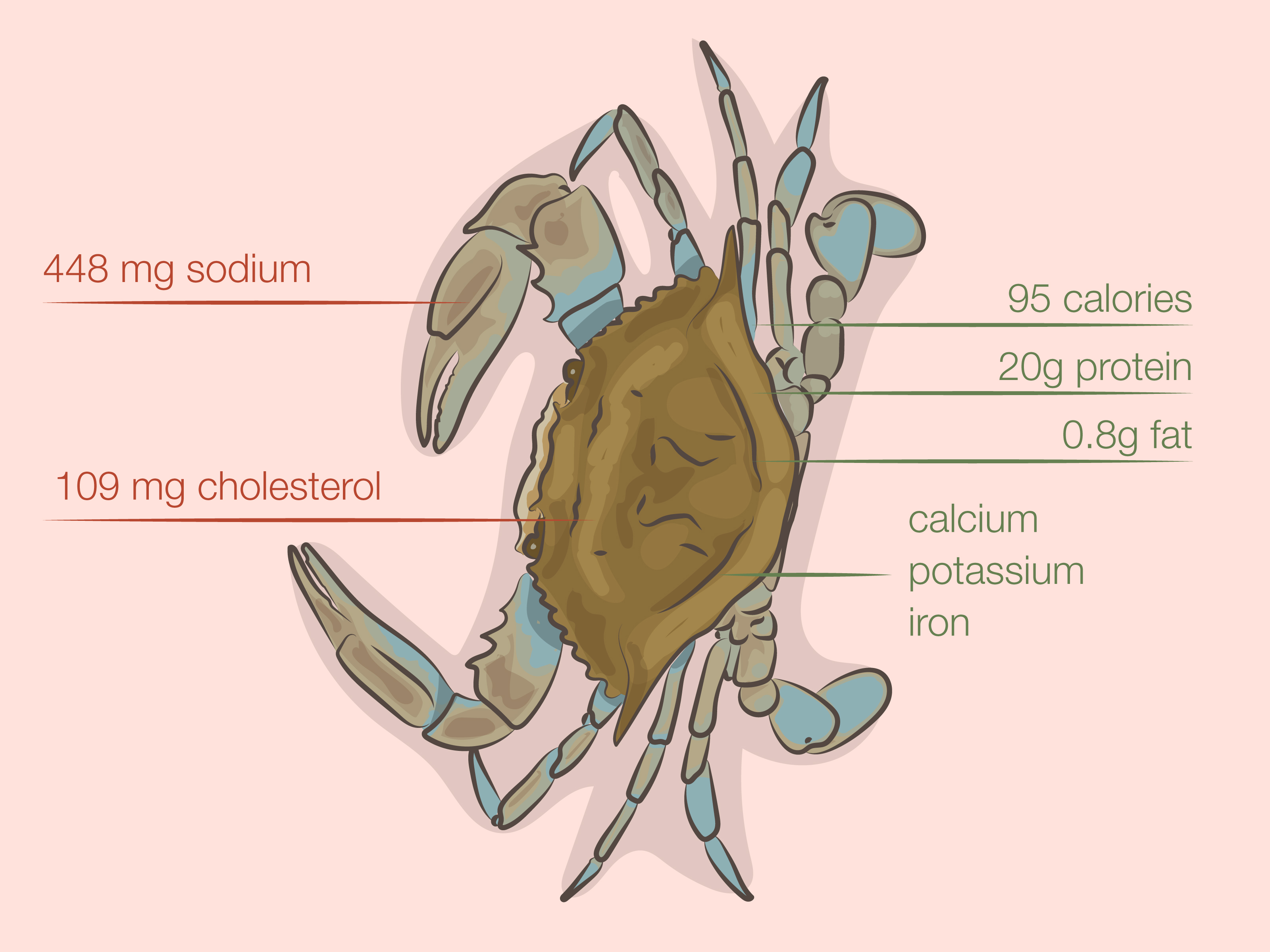
Soft shell crab is one of those seafood treats that looks fancy on a restaurant menu but is surprisingly friendly in a home kitchen. It is crispy, juicy, sweet, briny, and just dramatic enough to make dinner feel like a tiny coastal vacation. The best part? You eat almost the whole crab. No mallets. No cracking claws. No digging around with a fork like you are performing seafood surgery.
Still, soft shell crab can be intimidating the first time you meet it. It has legs. It has a face. It may look like it is judging your cooking skills. But once you understand what it is, how to buy it, how to clean it, and how to cook it, this seasonal delicacy becomes wonderfully simple. This guide walks you through everything: choosing fresh soft shell crabs, storing them safely, cleaning them properly, cooking them until crisp and golden, and eating them without fearor embarrassment.
What Is Soft Shell Crab?
Soft shell crab is not a separate crab species. In the United States, it usually refers to blue crab that has recently molted, meaning it has shed its hard outer shell so it can grow. For a short window after molting, the new shell is thin, tender, and edible. That is the magic moment seafood lovers wait for all year.
Because the shell starts hardening again fairly quickly, soft shell crabs are harvested or held carefully during this brief stage. This is why they are seasonal, prized, and sometimes a little more expensive than regular crab. You are not just buying crab; you are buying perfect timing.
When Is Soft Shell Crab Season?
Soft shell crab season generally begins in spring and runs through late summer, with peak availability often in late spring and early summer. Exact timing depends on region, water temperature, and local harvest conditions. Along the Atlantic and Gulf coasts, especially in places like Maryland, Virginia, Louisiana, and the Carolinas, soft shell crab is a beloved warm-weather specialty.
If you see fresh soft shell crabs at a trusted fish market in May, June, or July, do not wander off to “think about it” for three days. This is not a bag of rice. Good soft shells are seasonal and perishable, so buy them when they look fresh and cook them soon.
What Does Soft Shell Crab Taste Like?
Soft shell crab tastes sweet, lightly briny, buttery, and deeply crabby in the best possible way. The texture is the real showstopper. When fried or pan-seared, the outside turns crisp while the inside stays moist and tender. A good soft shell crab gives you crunch, sweetness, and ocean flavor in one bite.
Because the whole crab is edible after cleaning, the flavor is more intense than picked crab meat. You get meat, shell, legs, claws, and those crispy edges that make people suddenly very quiet at the dinner table. That silence is respect.
How to Buy Soft Shell Crab
Choose a Reliable Seafood Market
Start with a reputable fishmonger, seafood counter, or specialty grocer. Soft shell crabs spoil quickly after death, so quality handling matters. A good seller should be able to tell you whether the crabs are live, fresh dressed, or frozen; when they arrived; and whether they have already been cleaned.
Look for Freshness
Fresh soft shell crabs should smell clean, mild, and ocean-like. Avoid any crab with a sour, fishy, rancid, or ammonia-like odor. That smell is not “extra seafood flavor.” It is your kitchen politely telling you to choose something else.
If buying live crabs, look for slight leg movement. Soft shell crabs do not move aggressively like hard shell crabs, so do not expect a crab rodeo. A little movement is a good sign. Their shells should feel pliable, not brittle or dry.
Fresh vs. Frozen Soft Shell Crab
Fresh soft shell crab is wonderful when you can get it from a reliable source and cook it quickly. Frozen soft shell crab can also be a smart option, especially if you live far from the coast. Many frozen soft shells are already cleaned, which saves time and emotional negotiation with the crab’s face.
When buying frozen soft shell crab, avoid packages with heavy ice crystals, freezer burn, torn wrapping, or signs that the product thawed and refroze. The crabs should be solidly frozen and packaged neatly.
How Many Soft Shell Crabs Per Person?
For an appetizer, plan on one soft shell crab per person. For a main dish, two medium crabs per person is usually satisfying. If you are serving big sandwiches, one large crab per sandwich may be enough, especially with slaw, fries, salad, or corn on the cob on the side.
How to Store Soft Shell Crab Safely
Soft shell crab should be kept very cold. If you are using fresh crabs within two days, store them in the refrigerator at 40°F or below. Place them in a covered container over ice or on a tray lined with paper towels, depending on how your fishmonger packed them. Do not seal live crabs in an airtight bag; they need to breathe.
For best flavor and safety, cook fresh soft shell crabs the same day you buy them. If they are already cleaned, use them quickly. Cleaning exposes more surface area, which means quality can decline faster. If frozen, keep them frozen until you are ready to thaw and cook.
How to Thaw Frozen Soft Shell Crab
The safest method is to thaw frozen soft shell crabs overnight in the refrigerator. Place them on a plate or tray to catch drips. For a quicker method, seal them in a plastic bag and place the bag in cold water, changing the water as needed. Avoid thawing seafood on the counter, where the outside can warm up while the inside is still icy. Seafood does not enjoy spa day temperatures.
How to Clean Soft Shell Crab
Many fishmongers will clean soft shell crabs for you. Say yes if you are squeamish or short on time. If you clean them at home, the process is quick and simple. Use kitchen shears or a sharp knife, work over a cutting board, and keep the crabs cold until you are ready.
Step 1: Rinse Briefly
Rinse the crab gently under cold running water to remove any grit. Pat it dry with paper towels. Drying is important because wet crabs splatter in hot oil and refuse to crisp properly. Moisture is the enemy of crunch.
Step 2: Remove the Face
Using kitchen shears, cut straight across the front of the crab, just behind the eyes and mouthparts. This removes the face section. It sounds dramatic, but it takes two seconds and is standard soft shell crab prep.
Step 3: Remove the Gills
Lift one side of the top shell. You will see feathery, grayish gills, sometimes called “dead man’s fingers.” Pull them out and discard them. Repeat on the other side. The gills are not pleasant to eat, so do not leave them in for “rustic charm.”
Step 4: Remove the Apron
Flip the crab over. On the underside, you will see a small flap called the apron. Pull it back and remove it. After that, the crab is cleaned and ready to cook.
Can You Eat the Whole Soft Shell Crab?
Yes, once cleaned, you can eat the body, legs, claws, and soft shell. The parts typically removed are the face, gills, and apron. After that, the crab is meant to be cooked and eaten whole. This is the main reason soft shell crab is so popular: it delivers full crab flavor without the usual cracking, picking, and shell shrapnel.
Best Ways to Cook Soft Shell Crab
Soft shell crab cooks quickly. The goal is a crisp outside and tender inside. Overcooking can make it dry, while undercooking leaves the texture unpleasant. Cook crab until the flesh is opaque and the exterior is golden if breaded or floured.
Pan-Fried Soft Shell Crab
Pan-frying is the classic home method. Season the crabs with salt and pepper, dredge lightly in flour or a mix of flour and cornmeal, and cook in a skillet with butter and oil. The oil helps prevent the butter from burning; the butter adds flavor. Cook for about 3 to 4 minutes per side, depending on size, until golden and crisp.
Finish with lemon juice, parsley, and a few capers if you want a bright, restaurant-style touch. The sauce takes less than a minute and makes you look like you own linen napkins.
Deep-Fried Soft Shell Crab
For maximum crunch, dip cleaned crabs in seasoned flour, then egg, then breadcrumbs, cornmeal, or panko. Fry in hot oil until deeply golden. If deep-frying, be careful: steam can build inside the claws and legs, causing splatter. Some cooks gently prick the legs and claws before frying to reduce this risk.
Grilled Soft Shell Crab
Grilling gives soft shell crab a smoky flavor. Brush cleaned crabs with oil or melted butter, season simply, and grill over medium-high heat for a few minutes per side. Because they are delicate, use a clean, well-oiled grate and turn them carefully with a wide spatula.
Broiled Soft Shell Crab
Broiling is fast and convenient. Brush the crabs with butter or oil, season them, and place them under the broiler until cooked through and lightly browned. Watch closely. A broiler can turn dinner from golden to “call for pizza” in record time.
Easy Soft Shell Crab Recipe
Ingredients
- 4 cleaned soft shell crabs
- 1/2 cup all-purpose flour
- 1/4 cup cornmeal
- 1 teaspoon Old Bay or seafood seasoning
- 1/2 teaspoon kosher salt
- 1/4 teaspoon black pepper
- 2 tablespoons butter
- 2 tablespoons neutral oil
- 1 lemon, cut into wedges
- Chopped parsley, optional
Instructions
- Pat the cleaned soft shell crabs very dry.
- Mix flour, cornmeal, seafood seasoning, salt, and pepper in a shallow dish.
- Dredge each crab lightly, shaking off excess coating.
- Heat butter and oil in a large skillet over medium-high heat.
- Add crabs top-side down and cook for 3 to 4 minutes.
- Flip carefully and cook another 3 to 4 minutes, until crisp and opaque.
- Drain briefly on paper towels and serve with lemon wedges.
How to Eat Soft Shell Crab
The easiest way to eat soft shell crab is with a fork and knife, cutting it into bite-size pieces. If it is served as a sandwich, pick it up and enjoy the crispy legs sticking out of the bun. That is not a mistake; that is part of the charm. A soft shell crab sandwich should look a little rebellious.
Take a first bite from the body section if you want the meatiest part, or start with the crispy legs if you are here for crunch. Add lemon, tartar sauce, remoulade, spicy mayo, or a simple slaw. Just avoid drowning the crab in heavy sauce. Soft shell crab has a delicate sweetness, and it deserves to be the star, not an unpaid extra in a mayonnaise documentary.
Best Side Dishes for Soft Shell Crab
Soft shell crab pairs well with bright, crisp, and fresh sides. Try vinegar slaw, cucumber salad, roasted corn, tomato salad, French fries, potato salad, or a simple green salad with lemon vinaigrette. For a Southern-inspired plate, serve it with hush puppies and coleslaw. For a lighter meal, place the crab over arugula with lemon, olive oil, and shaved fennel.
Common Mistakes to Avoid
Cooking Wet Crabs
Always pat crabs dry before cooking. Wet seafood steams instead of browns, and it can cause hot oil to splatter.
Using Too Much Coating
A light dredge is usually better than a thick crust. You want to taste the crab, not build a flour bunker around it.
Overcooking
Soft shell crab cooks fast. Once the coating is golden and the flesh is opaque, it is done.
Waiting Too Long After Buying
Fresh soft shell crabs are highly perishable. Buy them from a trusted source, keep them cold, and cook them quickly.
Food Safety Tips for Soft Shell Crab
Keep raw soft shell crab separate from ready-to-eat foods. Wash your hands, cutting boards, knives, and counters after handling raw seafood. Cook crab until the flesh is opaque, pearly, and firm. Do not eat soft shell crab raw or undercooked, especially if you are pregnant, older, immunocompromised, or have liver disease or another condition that increases your risk from foodborne illness.
Do not leave cooked crab at room temperature for more than two hours, or more than one hour if the temperature is above 90°F. Refrigerate leftovers promptly and reheat them gently. For best texture, re-crisp leftovers in a skillet or air fryer instead of microwaving them into sadness.
Experience Notes: What It Is Really Like to Buy, Clean, Cook, and Eat Soft Shell Crab
The first soft shell crab experience is usually a mix of excitement and suspicion. You bring home the crabs, open the package, and suddenly remember that dinner once had legs. That is normal. The trick is to treat soft shell crab like any other premium seafood: keep it cold, prep it calmly, and do not overcomplicate it. Confidence comes fast, usually right after the first crispy bite.
At the seafood counter, the best experience starts with asking questions. Ask when the crabs arrived, whether they are cleaned, and whether they were previously frozen. A good fishmonger will not be offended. In fact, fishmongers often enjoy customers who care about freshness. If the crabs smell mild and clean, look moist but not slimy, and feel soft without falling apart, you are heading in the right direction. If they smell harsh or ammonia-like, walk away politely. No dinner is worth arguing with your nose.
Cleaning soft shell crab feels more intimidating than it is. The first crab may take a few minutes because you are identifying the face, the gills, and the apron. By the second crab, you will feel like a seafood professional. By the fourth, you may start explaining the process to an imaginary cooking show audience. Keep the cuts clean, rinse briefly, and dry the crabs thoroughly. That last step makes a big difference. Dry crabs brown beautifully; wet crabs hiss, spit, and make the skillet act like it has personal problems.
Cooking soft shell crab is fast, so set up everything before the crabs hit the pan. Have your flour mixture ready, your plate lined with paper towels, your lemon wedges cut, and your sides finished. Once the crab starts cooking, dinner moves quickly. The smell of butter, seafood seasoning, and browning crab is incrediblesweet, nutty, and beachy without being overpowering. It is the kind of smell that makes people wander into the kitchen asking casual questions like, “So, when exactly are we eating?”
The first bite is the payoff. The legs are crisp, the body is tender, and the flavor is richer than ordinary crab meat. Some people expect the shell to be strange, but it is usually delicate and pleasantly crunchy when cooked well. A squeeze of lemon wakes everything up. A little slaw adds freshness. A soft bun turns it into a sandwich that feels both humble and luxurious. It is messy, yes, but in the cheerful way seafood should be messy.
If serving soft shell crab to guests, give them a quick explanation before they eat: “Yes, you eat the whole thing.” This prevents the classic pause where someone stares at the crab like it came with missing instructions. Once everyone understands, the meal becomes fun. Soft shell crab is not just food; it is an experienceseasonal, hands-on, crispy, and memorable. And after you have cooked it once, you will wonder why you ever let those tiny claws intimidate you.
Conclusion
Soft shell crab may look like a chef-only ingredient, but it is surprisingly easy to enjoy at home. Buy fresh or properly frozen crabs from a trustworthy seafood source, keep them cold, clean them by removing the face, gills, and apron, and cook them quickly until crisp and opaque. Whether pan-fried, deep-fried, grilled, broiled, or tucked into a sandwich, soft shell crab delivers big coastal flavor with very little fuss.
The secret is simplicity. Do not bury it under heavy sauces or complicated techniques. Let the crab shine with lemon, butter, light seasoning, and a hot pan. Once you master the basics, soft shell crab becomes less mysterious and more like what it really is: one of seafood season’s most delicious little miracles.