

Acne has a rude little habit: even after the breakout leaves, it sends a replacement to haunt your mirror. That lingering mark is often a dark spot, and it can stick around long enough to make you wonder whether your skin is holding a grudge. The good news is that many of these spots are not true scars. They are usually post-inflammatory hyperpigmentation, which means your skin made extra pigment after inflammation from a pimple, cyst, or the all-too-human decision to poke at it “just a little.”
If that sounds familiar, take heart. Dark spots from acne can fade. The trick is not a 17-step routine, a mystery serum with a galaxy-themed label, or the kind of DIY acid experiment that makes dermatologists stare into the distance. The trick is a smart, steady routine that prevents new breakouts while gently helping old marks disappear.
This guide walks you through eight practical steps to get rid of dark spots from acne, plus real-world lessons from people who have tried to fix the problem with both patience and panic. We will keep the science real, the routine realistic, and the drama limited to your old yearbook photos.
First, Know What You Are Treating
Not every mark left behind by acne is the same. A dark spot is usually flat. It may look brown, tan, gray-brown, or even purplish depending on your skin tone. That is very different from a true acne scar, which tends to be indented, raised, or textured.
Why does that matter? Because flat dark spots often respond well to sunscreen, acne control, and pigment-fading ingredients. Textured scars usually need dermatologist procedures such as microneedling, peels, fillers, or lasers. Translation: if you are rubbing brightening serum onto a deep ice-pick scar and waiting for magic, your serum is working hard, but not in the right job description.
Step 1: Stop New Breakouts Before You Chase Old Marks
This is the least glamorous step and the most important one. If you keep getting acne, your skin keeps getting inflamed. If your skin keeps getting inflamed, new dark spots keep showing up. That is like mopping the floor while the sink is still overflowing.
Focus on acne control first:
- Wash with a gentle cleanser once or twice a day.
- Use non-comedogenic moisturizer, even if your skin feels oily.
- Choose acne treatments that match your skin type and tolerance.
- Avoid harsh scrubs, gritty brushes, and “burn-it-off” products.
If your acne is mild, over-the-counter ingredients such as benzoyl peroxide, salicylic acid, adapalene, or azelaic acid can help. If you have painful cysts, frequent flare-ups, or marks that appear after nearly every breakout, it may be time to see a dermatologist sooner rather than later. Early treatment is one of the best ways to prevent more discoloration.
Step 2: Wear Sunscreen Every Single Morning
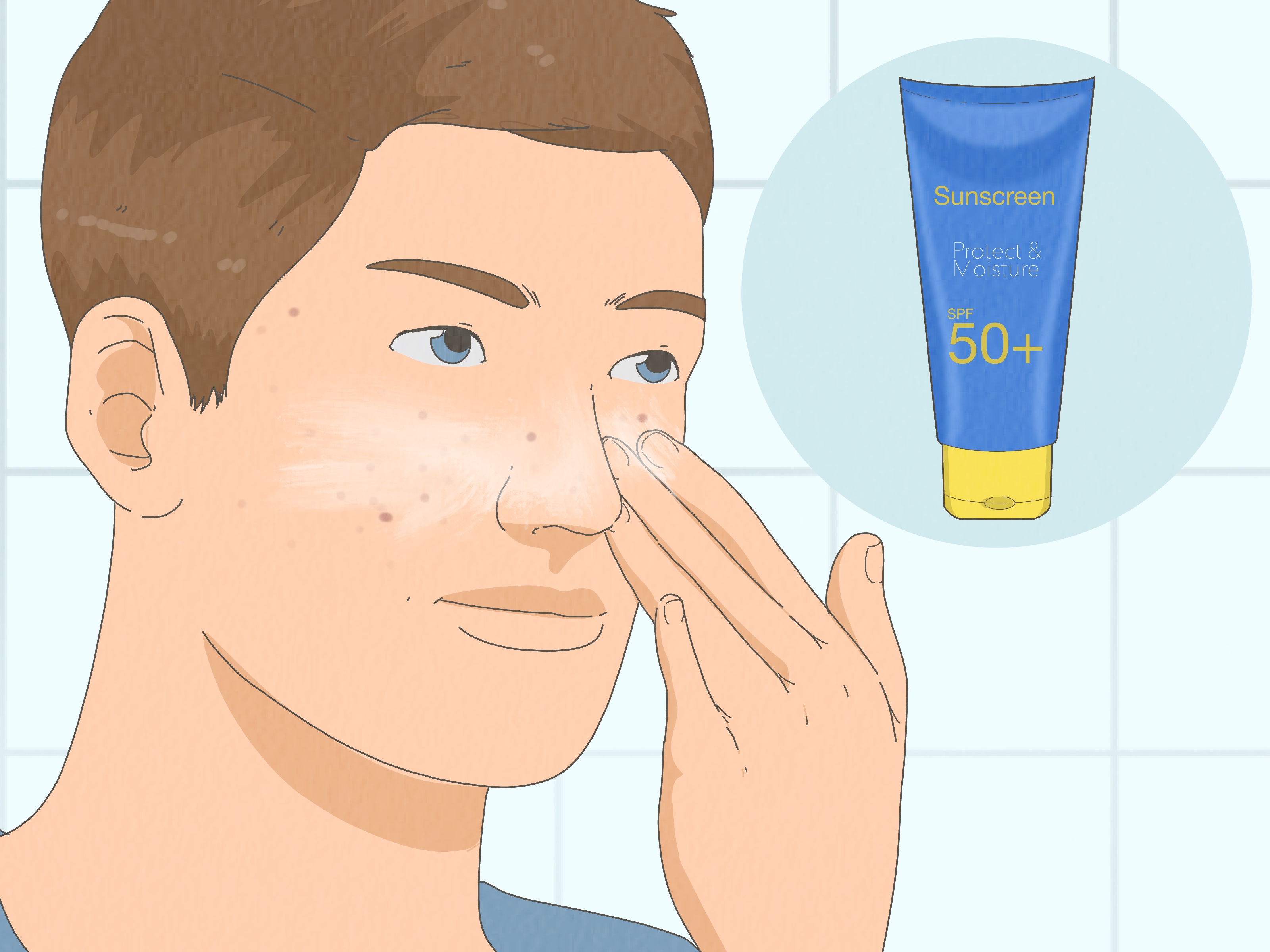
If you do nothing else, do this. Sun exposure can make acne dark spots last longer and look more noticeable. Even a brilliant fading product cannot do much if your skin is getting a daily reminder to hold onto extra pigment.
Use a broad-spectrum sunscreen with SPF 30 or higher every morning, even when it is cloudy, even when you say, “But I am mostly indoors,” and especially when you spend time near windows or outside for short periods. Reapply if you are outdoors for extended time.
What to look for:
- Broad-spectrum SPF 30+
- Non-comedogenic formula
- Lightweight texture you will actually wear
- Tinted formulas if you prefer extra coverage or want help masking marks
A good sunscreen does two jobs at once: it helps prevent spots from getting darker, and it protects your progress while other treatments do the slow, patient work. Skin care is many things, but it is rarely fast. Sunscreen is the reliable friend who shows up on time.
Step 3: Build a Gentle Routine That Does Not Irritate Your Skin
Dark spots fade better when your skin barrier is calm. Irritated skin is more likely to become inflamed, flaky, red, and stubborn. In some cases, irritation itself can worsen discoloration, especially in medium to deep skin tones.
Morning routine
- Gentle cleanser
- Optional treatment serum
- Moisturizer
- Sunscreen
Night routine
- Gentle cleanser
- Acne or pigment treatment
- Moisturizer
That is it. Your face is skin, not a chemistry lab. The more irritated your routine becomes, the more likely you are to end up with dryness, redness, and a cabinet full of expensive regret. Keep the base simple so your active ingredients have room to work.
Step 4: Add Azelaic Acid for the Best Two-in-One Option
If acne and dark spots are happening at the same time, azelaic acid is one of the most useful ingredients to consider. It can help unclog pores, reduce inflammation, and gradually fade post-acne discoloration. That makes it a strong multitasker for people who want one product that addresses both the breakout and the mark it leaves behind.
Azelaic acid is often well tolerated compared with stronger actives, though it can still sting or tingle at first. Start slowly. Try it every other day, then increase if your skin handles it well.
Good candidates for azelaic acid include:
- People with both acne and dark spots
- People with sensitive or reactive skin
- People who want a simpler routine
If your skin throws tiny protests whenever you introduce a new product, azelaic acid is often a better opening act than a whole cast of peels, retinoids, and acids all at once.
Step 5: Use a Retinoid at Night to Speed Cell Turnover
Retinoids are some of the most useful ingredients in acne care because they help keep pores from clogging and can also improve uneven pigment over time. If your goal is fewer breakouts and gradually clearer-looking skin, a retinoid deserves serious consideration.
Adapalene is a popular over-the-counter option. A pea-sized amount for the whole face is enough. More is not more. More is usually just “congratulations on your new dryness.”
How to start:
- Use it 2 to 3 nights a week at first.
- Apply to dry skin.
- Follow with moisturizer.
- Increase gradually as tolerated.
Retinoids can cause dryness, flaking, and irritation at the beginning. That does not always mean the product is wrong for you; it may mean your skin needs a slower introduction. If you are pregnant, trying to become pregnant, or breastfeeding, ask a clinician before using retinoids, and avoid them unless your medical team says they are appropriate.
Step 6: Choose One Brightening Ingredient, Not Five
When people want dark spots gone quickly, they often layer vitamin C, glycolic acid, niacinamide, kojic acid, retinol, exfoliating pads, and a serum that smells like citrus and financial optimism. Then their skin barrier waves a tiny white flag.
A better move is to pick one brightening helper and use it consistently. Options commonly used for uneven tone include:
- Vitamin C for brightening and antioxidant support
- Niacinamide for tone support and barrier-friendly care
- Glycolic acid for surface exfoliation
- Kojic acid in targeted brightening formulas
Which one should you try? That depends on your skin.
If your skin is sensitive
Try niacinamide or azelaic acid first.
If your skin is oily or acne-prone
Adapalene plus azelaic acid or a gentle vitamin C product may work well.
If your skin is already dry or irritated
Do not jump straight into strong acids. Fix your barrier first, then add actives slowly.
Consistency beats intensity. A product you can use for three months is usually more helpful than one that peels your face for six days and then gets banished to the back of the drawer.
Step 7: Exfoliate Carefully and Stop Picking
Let us address the two habits that sabotage progress faster than almost anything else.
Careful exfoliation
Gentle chemical exfoliation can help fade surface discoloration by loosening dead skin cells and improving skin turnover. Ingredients like glycolic acid or salicylic acid may be helpful, but they should be used carefully. Over-exfoliating can trigger irritation, and irritation can deepen the very problem you are trying to solve.
Smart rule: exfoliate lightly, not heroically. Once or twice a week may be plenty if you are also using a retinoid or acne treatment.
Stop picking, squeezing, and scratching
Popping pimples can worsen inflammation, increase the risk of infection, and make both dark spots and scars more likely. It feels productive in the moment, but your skin often experiences it as a surprise demolition project.
Instead:
- Use a hydrocolloid pimple patch for whiteheads
- Spot-treat inflamed pimples
- See a dermatologist for painful cysts or nodules
Step 8: See a Dermatologist If the Spots Are Stubborn
If you have been consistent for 8 to 12 weeks and your skin is still not improving much, professional help can save you time, irritation, and guesswork. A dermatologist can tell whether your marks are post-inflammatory hyperpigmentation, true scars, melasma, or something else entirely.
Professional options may include:
- Prescription-strength retinoids
- Prescription azelaic acid
- Hydroquinone under medical guidance
- Chemical peels
- Microneedling
- Laser or light-based treatments
These treatments are not one-size-fits-all. Skin tone, acne history, sensitivity, and the depth of pigmentation all matter. That is especially important if you have medium, tan, brown, or deep skin, because aggressive treatment can sometimes create more pigment problems if it is not chosen carefully.
How Long Does It Take to Fade Dark Spots from Acne?
Usually longer than anyone wants. Some spots begin to look better in a few weeks once acne is under control and sunscreen becomes a daily habit. Many take several months to fade. Deeper or darker discoloration can take longer.
That does not mean your routine is failing. It means pigment is slow. Very slow. “Watching paint dry” slow. Keep this general timeline in mind:
- 2 to 6 weeks: irritation settles if your routine is balanced
- 6 to 12 weeks: early improvement in breakouts and some tone changes
- 3 to 6 months: more visible fading in many people
- Longer: stubborn or deeper pigment may need prescription help
Common Mistakes That Keep Acne Marks Hanging Around
- Skipping sunscreen because the weather looks “emotionally overcast”
- Using too many active products at once
- Picking at every breakout
- Changing products every 10 days
- Scrubbing hard because the skin feels rough
- Trying strong at-home peels without guidance
- Ignoring ongoing acne while focusing only on old spots
If your routine is harsh, inconsistent, or chaotic, simplify it. Clearer skin usually comes from steadiness, not drama.
What Real-Life Experience Teaches About Fading Acne Dark Spots
One of the biggest lessons people learn is that dark spots often feel more permanent than they really are. The emotional part arrives first. You look in the mirror, the breakout is technically gone, and yet there it is: the shadow of the pimple, lingering like it forgot checkout time. A lot of people assume the skin is scarred forever, panic-buy three serums, and then make the problem worse with irritation. The more useful experience is usually less dramatic and more boring: gentle care, sunscreen, a couple of well-chosen actives, and time.
Another common experience is realizing that treating acne and treating discoloration cannot be separated. People often say they spent months buying dark spot correctors while still getting new breakouts every week. Once they finally got the acne under better control, the fading process became much more obvious. In other words, the skin does not love multitasking under pressure. It prefers that you stop the fire before you repaint the wall.
People with deeper skin tones often describe a second frustration: the pimple may heal, but the mark can outstay the breakout by months. That can make acne feel more severe than it looks on paper. A few inflamed pimples can leave behind several visible spots, which changes the whole experience of “mild acne.” In real life, that is why early treatment matters so much. For many people, preventing one inflamed breakout can be more meaningful than chasing one old mark later.
There is also a practical lesson about consistency. The routines that tend to work are rarely the flashiest ones. Someone may start with a gentle cleanser, azelaic acid in the morning, adapalene a few nights a week, moisturizer, and daily sunscreen. That routine does not sound glamorous enough for social media. It sounds almost suspiciously normal. But after a few months, the skin often looks calmer, the breakouts are less frequent, and the dark spots slowly become easier to cover, then easier to ignore, then harder to find.
On the flip side, many people have a story about overdoing it. They start vitamin C, retinoid, exfoliating toner, peel pads, spot treatment, and a scrub “just for texture,” then wake up with stinging, peeling, and a brand-new relationship with moisturizer. Skin that is too irritated can look duller, redder, and more uneven, which makes people think they need even more treatment. That spiral is incredibly common. The smarter experience is learning when to back off.
Finally, there is the patience lesson. People who make the best progress usually stop asking, “Why is this not gone in ten days?” and start asking, “Is my skin trending better over the last two months?” That is the right question. Fading acne dark spots is usually a marathon, not a sprint. Annoying? Yes. Hopeless? No. If your routine is balanced and your skin is not constantly inflamed, improvement is often gradual, real, and worth waiting for.
Conclusion
If you want to get rid of dark spots from acne, the winning strategy is not aggression. It is control, protection, and consistency. Treat the acne that causes the marks, wear sunscreen every morning, use proven ingredients like azelaic acid or retinoids, avoid picking, and give your skin enough time to respond. If the marks are stubborn, a dermatologist can help you move from trial-and-error to an actual plan.
The short version: calm the acne, protect the skin, fade the pigment, and stop declaring war on your face. Your skin is trying to recover, not audition for an action movie.