

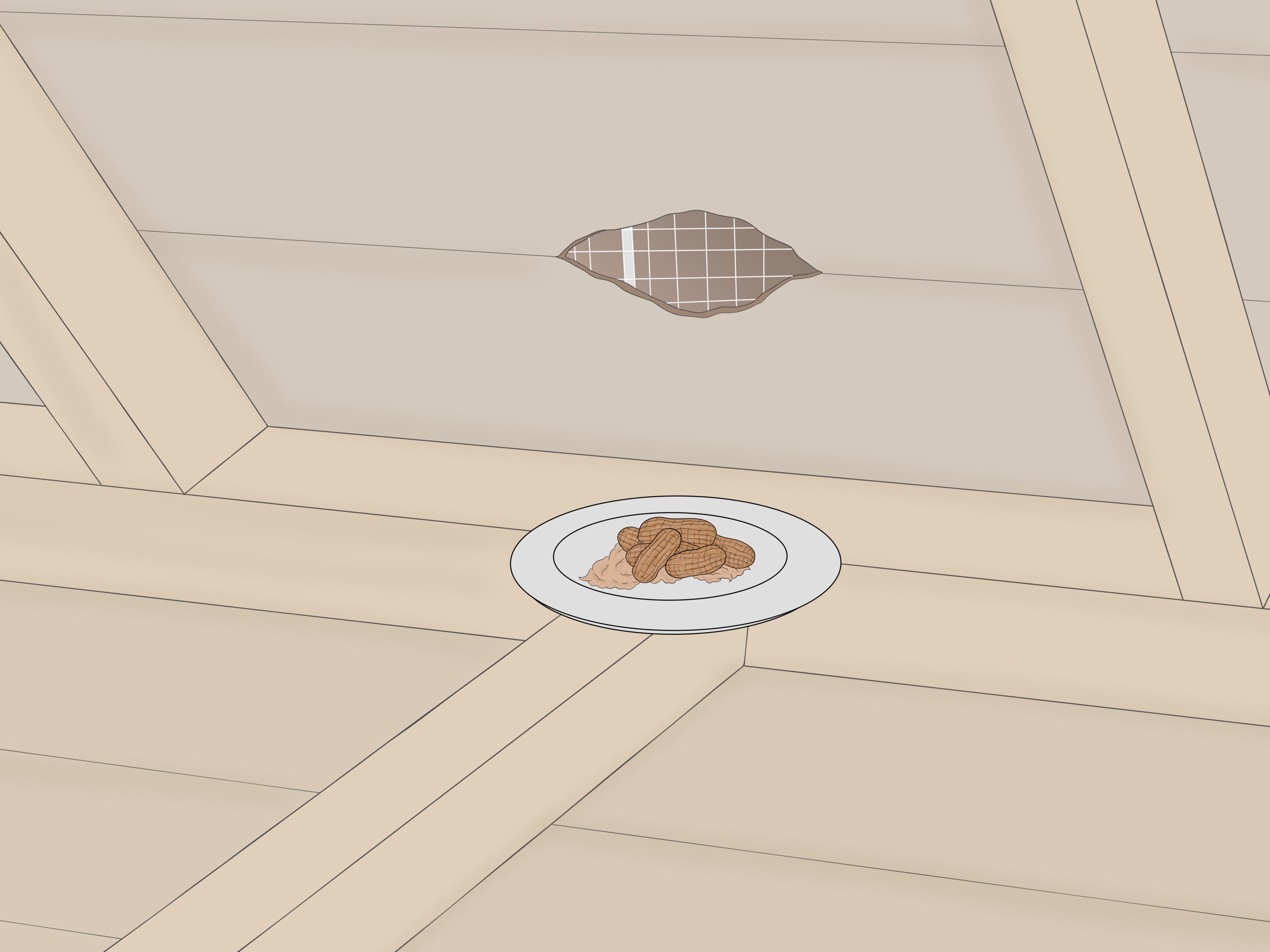
If your ceiling sounds like a tiny bowling league opens every morning at 6:15, congratulations: you may have squirrels in the attic. These fluffy-tailed acrobats look adorable in the yard, but once they move above your bedroom, the charm fades faster than a cheap flashlight battery. Squirrels can tear insulation, gnaw wood, damage vents, chew wiring, and turn a peaceful home into a scratchy, scampering sound studio.
The good news is that getting rid of squirrels in the attic does not require panic, poison, or a dramatic battle scene involving a broom. The expert approach is simple in theory: identify the animal, find how it got in, remove it humanely, seal the entry points permanently, clean the contaminated area safely, and make your roof less inviting than a hotel with no breakfast buffet.
This guide explains how to remove squirrels from an attic using practical, humane, and professional methods. It also covers what not to do, when to call a wildlife control expert, and how to prevent squirrels from coming back for a second season of “Attic Olympics.”
Why Squirrels Move Into Attics
Squirrels do not enter attics because they admire your architecture. They are usually looking for shelter, warmth, and a safe nesting site. Tree squirrels naturally use cavities in trees, but an attic can look like a luxury woodland condo: dry, elevated, insulated, and protected from predators. Female squirrels may enter attics to raise young, especially when vents, soffits, fascia boards, roof edges, or trim are loose, rotten, or damaged.
Gray squirrels and fox squirrels are active during the day, so daytime scratching, running, rolling, or gnawing often points toward squirrels rather than mice or rats. Flying squirrels, however, are mostly nocturnal, so nighttime activity does not automatically rule squirrels out. The timing of the noise is a clue, not a courtroom confession.
Common Signs of Squirrels in the Attic
Before you grab tools, confirm what you are dealing with. Removing the wrong animal the wrong way can make the problem worse. Bats, raccoons, mice, rats, birds, and squirrels can all make attic noises, but squirrel activity has some common patterns.
1. Scratching and Running During the Day
Tree squirrels are typically active in daylight. If you hear rapid scampering in the morning or afternoon, especially near the roofline, soffit, or gable vent, squirrels are likely suspects. The sound can resemble quick footsteps, rolling nuts, or someone dragging tiny furniture across the attic floor.
2. Chewed Entry Holes
Squirrels are rodents, which means their front teeth keep growing and they need to gnaw. They may enlarge small gaps into round or ragged openings. Look for damage near fascia boards, soffits, roof returns, dormers, vents, chimney edges, and roof intersections.
3. Torn Insulation and Nesting Material
Squirrel nests in attics are often made from insulation, leaves, cardboard, paper, and other soft materials. If insulation is shredded, piled, or flattened near an entry point, you may have found the squirrel nursery.
4. Droppings, Urine Odor, or Stains
Squirrels leave droppings and urine behind, especially around nesting and travel areas. A strong, stale odor can develop over time. Do not sweep or vacuum droppings dry, because contaminated dust can become airborne.
5. Chewed Wires or Wood
One of the biggest risks is electrical damage. Squirrels can chew wiring, which creates a potential fire hazard. If you suspect chewed wires, call a licensed electrician before spending much time in the attic.
Step-by-Step: How to Get Rid of Squirrels in the Attic
Step 1: Inspect Safely Before Taking Action
Start outside. Walk around the house and inspect the roofline from the ground using binoculars. Look for gaps, chewed holes, loose vents, missing screens, damaged soffits, uncapped chimneys, and tree branches touching or hanging near the roof. Do not climb onto a steep roof unless you are trained and properly equipped. A squirrel problem is bad; a squirrel problem plus a ladder injury is the kind of plot twist nobody requested.
If you can safely access the attic, wear gloves, a respirator or protective mask, eye protection, long sleeves, and sturdy shoes. Avoid cornering wildlife. If an animal is present, back out and reassess. Wild squirrels may bite or scratch if trapped or frightened.
Step 2: Find the Main Entry Point
Most squirrel removal plans depend on locating the active entrance. Squirrels often use one main hole and may have backup gaps nearby. Search around roof vents, gable vents, soffit edges, fascia boards, chimney flashing, plumbing vents, and areas where different roof sections meet.
Clues include greasy rub marks, fresh gnawing, droppings, disturbed insulation, daylight entering the attic, and outdoor scratch marks. From inside the attic, look for light coming through cracks or gaps during the day. From outside, look for chewed edges and paths leading from branches, utility lines, or roof corners.
Step 3: Check for Baby Squirrels
This step is crucial. If you seal a mother squirrel outside while babies remain inside, the young may die in the attic, and the mother may chew aggressively to get back in. That can turn one entry hole into several larger holes, plus a smell you will remember with unnecessary clarity.
Baby squirrels are commonly a concern in late winter through spring and again in late summer into fall, though timing varies by region and species. Search for nests near the entry point, especially piles of insulation close to the outer edges of the attic. Listen for high-pitched squeaking. If babies are present, the most humane and effective option is often to wait until they are old enough to leave with the mother or hire a wildlife control professional who can reunite the family outside.
Step 4: Use Humane Eviction Methods
If there are no dependent young, make the attic uncomfortable for adult squirrels. Bright lights, human voices, careful noise near the nesting area, and strong odors such as cider vinegar-soaked rags may encourage squirrels to move out. These are not magic spells, but they can help when used with exclusion.
A one-way squirrel door is one of the most effective professional methods. It is installed over the active entry point so squirrels can exit but cannot re-enter. This method works best when all other potential openings are sealed first, leaving only the one-way exit. After several days with no activity inside, the device is removed and the final opening is permanently repaired.
However, one-way doors must be used carefully. They should not be installed when dependent young are inside. They also must be fitted tightly, because squirrels are stubborn problem-solvers with built-in wire cutters for teeth.
Step 5: Seal Entry Points Permanently
Permanent exclusion is the real solution. Trapping squirrels without repairing the home is like mopping the floor while the sink is still overflowing. New squirrels may move in, or the same squirrel may find another weak spot.
Use durable materials such as galvanized hardware cloth, metal flashing, metal vent covers, heavy-gauge wire mesh, and proper exterior-grade building materials. Avoid relying on foam alone. Expanding foam may stop drafts, but squirrels can chew through it like it is a mildly interesting snack.
Important repair targets include:
- Gable vents and attic louvers
- Roof vents and ridge vent gaps
- Soffit and fascia damage
- Chimneys without secure caps
- Loose siding or rotten trim
- Openings around utility lines and pipes
- Roof returns and dormer corners
Never seal all holes while squirrels may still be inside. First remove or exclude the animals, then close the final opening.
What Not to Do When Removing Squirrels
Do Not Use Poison
Poison is not a recommended solution for squirrels in an attic. There are no good reasons to risk dead animals inside walls, secondary poisoning of pets or predators, and unnecessary suffering. Poison also fails to solve the entry problem. Even if one squirrel dies, the attic remains open for the next ambitious tenant.
Do Not Scatter Mothballs in the Attic
Mothballs are pesticides designed for specific labeled uses, not general wildlife eviction. Using them openly in an attic to repel squirrels can create strong indoor odors and expose people and pets to harmful fumes. The smell may bother you more than the squirrel, which is a poor trade unless your goal is to lose both the squirrel and your enthusiasm for breathing.
Do Not Trap and Relocate Without Checking Laws
Live trapping sounds kind, but relocating wildlife is often restricted or illegal, depending on state and local rules. Relocated squirrels may also struggle to survive in unfamiliar territory. In many cases, exclusion and on-site eviction are more practical, humane, and effective.
Do Not Ignore Electrical Damage
If squirrels have been in the attic for more than a short visit, inspect for chewed wires. If you see exposed wiring, damaged insulation around wires, scorch marks, or flickering electrical issues, call an electrician. This is not the moment to prove your courage with a flashlight and optimism.
How to Clean the Attic After Squirrel Removal
Once the squirrels are gone and entry points are sealed, cleanup begins. Wear gloves, eye protection, and respiratory protection. Ventilate the area when possible. Avoid sweeping or vacuuming dry droppings, urine-soaked debris, or nesting material because dust can become airborne.
Spray droppings and contaminated material with a disinfectant or appropriate bleach solution until wet, let it soak according to product directions, and then remove it with disposable towels or bags. Heavily contaminated insulation may need to be removed and replaced. If the attic has extensive droppings, strong odor, damaged insulation, mold, or HVAC contamination concerns, hire a professional attic remediation company.
Cleaning is not just about making the attic look better. Odors and nesting material can attract more wildlife. Damaged insulation can also reduce energy efficiency, making your heating and cooling system work harder.
How to Keep Squirrels Out of the Attic for Good
Trim Tree Branches Away From the Roof
Squirrels are impressive jumpers. Keep branches several feet away from the roofline, and aim for a wider clearance when possible. Many wildlife professionals recommend around 6 to 10 feet of separation, depending on the tree, roof height, and squirrel pressure in the area.
Install Chimney Caps and Vent Covers
A secure chimney cap can prevent squirrels, birds, raccoons, and other animals from entering. Vents should be covered with sturdy, properly sized metal screening that allows ventilation while blocking animal access. Dryer vents need covers designed for dryer airflow so lint does not build up.
Repair Rotten Wood Quickly
Soft, rotten, or water-damaged trim is an invitation. Squirrels exploit weak spots and can enlarge them with gnawing. Repair roof leaks, replace damaged fascia, and maintain soffits before wildlife discovers the opening.
Manage Food Sources Around the House
Bird feeders, open trash, pet food, fallen fruit, and accessible seed can attract squirrels to your property. You do not have to declare war on every acorn, but reducing easy food sources near the home can lower activity around the roof.
Schedule Seasonal Inspections
Check the roofline in early spring and early fall. These are smart times to catch damage before nesting becomes a larger issue. A 20-minute inspection can save weeks of scratching, chewing, and suspicious ceiling noises.
When to Call a Professional Wildlife Control Expert
DIY squirrel removal can work for simple cases, but some situations deserve professional help. Call an expert if the attic is hard to access, the roof is steep, babies are present, wiring is damaged, there are multiple entry points, you cannot identify the animal, or squirrels keep returning after repairs.
A reputable wildlife control professional should inspect the home, identify entry points, explain the removal plan, use humane methods when possible, address baby season concerns, provide permanent exclusion repairs, and offer a warranty for the repaired areas. Be cautious of anyone who only wants to set traps without discussing how the squirrels got in. That is not a solution; that is a subscription plan.
Expert Removal Plan: A Practical Example
Imagine a homeowner hears scratching above the upstairs bathroom every morning. Outside, there is a maple branch touching the roof and a chewed opening at the soffit corner. Inside the attic, insulation is piled within a few feet of that corner. The expert plan would look like this:
- Confirm the animal is likely a squirrel based on daytime activity and entry damage.
- Inspect for babies before installing any exclusion device.
- Seal secondary gaps with metal flashing or hardware cloth.
- Install a one-way door over the active opening if no dependent young are present.
- Monitor for several days until activity stops.
- Remove the one-way door and permanently repair the soffit.
- Trim the maple branch away from the roof.
- Clean droppings and replace contaminated insulation if needed.
- Recheck the attic after one week and again after the next major storm.
This approach works because it solves the whole problem: animal, opening, damage, cleanup, and prevention.
Experience Notes: What Homeowners Learn the Hard Way
After dealing with squirrel attic problems, most homeowners say the same thing: the noises started small. A few scratches. A little running. One mysterious thump that everyone blamed on the house “settling.” Then, suddenly, the attic sounded like a woodland gymnasium with a strict training schedule.
One common experience is underestimating the entry hole. Many people expect a dramatic opening, but squirrels often begin with a loose vent edge, a narrow gap under fascia, or a small rotten spot near the roofline. From the ground, the damage may look like nothing. Up close, it becomes obvious that the squirrel has been remodeling without permits.
Another lesson is that sealing too soon can backfire. Homeowners sometimes see a hole and immediately close it, thinking they have solved the problem. If the squirrel is outside, that may work for about five minutes. If babies are inside, or if an adult is trapped in the attic, the situation can become louder, smellier, and more expensive. The best repair is timed repair: confirm the squirrels are out first, then seal permanently.
People also learn that repellents are not a reliable long-term strategy. Peppermint oil, vinegar rags, lights, and radios may encourage squirrels to leave, but they rarely solve the root cause by themselves. A determined squirrel with a warm nest will not pack its bags just because your attic smells like a salad dressing experiment. Deterrents can support eviction, but exclusion is the main event.
The most successful homeowners treat squirrel removal like a home maintenance project rather than a one-time pest scare. They inspect the roofline, repair weak materials, screen vents properly, trim branches, clean the attic, and keep an eye on the area afterward. They also document the work with photos, which helps if they hire a contractor or need to compare future damage.
Finally, many homeowners realize that professional help can be cheaper than repeated DIY attempts. A skilled wildlife control operator can identify hidden openings, avoid separating mothers from young, install a proper one-way door, and repair vulnerable areas with chew-resistant materials. That expertise matters, especially when the attic is cramped, the roof is steep, or the squirrel has already proven it is more committed than expected.
The real goal is not simply to “get rid of squirrels.” It is to make the attic boring, inaccessible, clean, and structurally sound. Once your home stops offering free shelter, soft insulation, and easy roof access, squirrels usually return to trees, where they can continue their important work of judging everyone from a branch.
Conclusion
Getting rid of squirrels in the attic requires patience, safety, and a complete plan. Start by confirming the animal and finding the entry point. Check for baby squirrels before using exclusion. Use humane eviction methods such as one-way doors when appropriate, then seal every vulnerable opening with strong materials like metal flashing or hardware cloth. Clean the attic safely, repair damaged insulation or wiring, and reduce roof access by trimming branches and securing vents.
The expert method is not the fastest-looking shortcut. It is the method that keeps working after the noise stops. Squirrels are clever, athletic, and persistent, but your home does not have to be their vacation property. With careful exclusion, smart repairs, and seasonal prevention, you can reclaim your attic and finally enjoy a quiet ceiling again.