

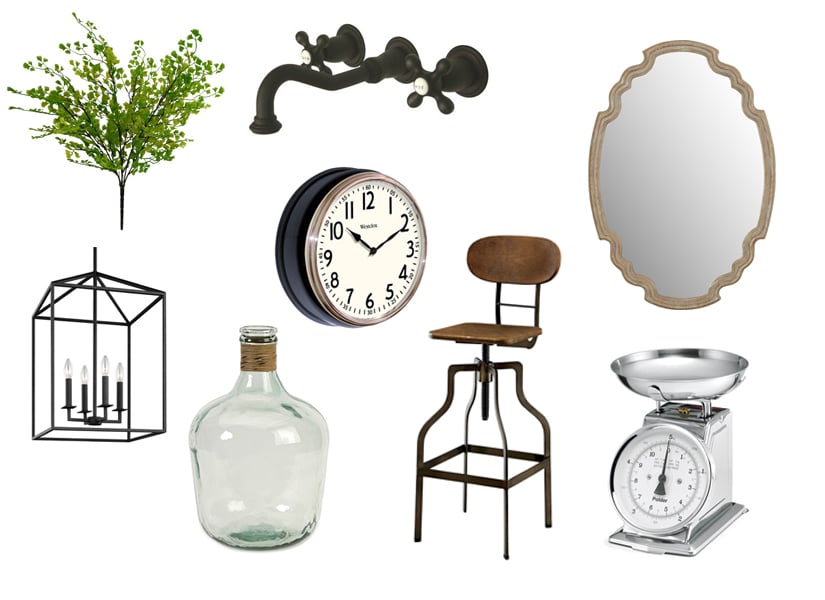
The Fixer Upper look has a recognizable magic trick: It makes ng muddy boots, Sunday dinners, and suspiciously large family gatherings for generations. The rooms look clean but not sterile, rustic but not stuck in 1897, and polished without appearing afraid of fingerprints.
Although the style is closely associated with Chip and Joanna Gaines, its broader design foundation is modern farmhouse: practical layouts, uncomplicated shapes, natural materials, vintage character, and contemporary comfort. The best examples balance old and new rather than turning every available surface into shiplap. do not need a neglected farmhouse, a demolition crew, or a spouse who cheerfully removes walls before breakfast. With thoughtful color choices, texture, architectural details, functional furniture, and a few carefully selected vintage pieces, almost any home can capture the warmth of the style.
Understand What the Fixer Upper Look Really Is
Before buying a barn door and fourteen galvanized buckets, identify the design principles beneath the television-ready reveal.
It Puts Function Before Decoration
Farmhouses were working homes. Their rooms, furniture, and storage solutions existed to support daily life. That functional heritage is why a convincing Fixer Upper-inspired interior often includes generous dining tables, durable flooring, sturdy hooks, deep sinks, practical shelving, and comfortable seating.
Every attractive feature should ideally do something. A vintage cabinet stores dishes. A woven basket hides toys. A bench provides seating while holding shoes underneath. Open shelves keep frequently used kitchenware within reach. Even decorative cutting boards can earn their counter space by occasionally meeting an actual vegetable.
It Balances Rustic and Refined
The Fixer Upper aesthetic is not purely rustic. A room filled entirely with distressed wood, rusty metal, and burlap may begin to resemble a very stylish tool shed. The signature look works because aged materials are placed beside cleaner elements.
For example, pair a weathered farmhouse table with streamlined chairs. Place black metal lighting over smooth quartz countertops. Use an antique dresser against freshly painted walls. A reclaimed wood island can become the warm focal point of an otherwise crisp kitchen. Feels Collected, Not Purchased as a Set
The most welcoming rooms appear to have evolved over time. Furniture does not have to match perfectly. Wood tones can vary, metals can be mixed, and accessories can come from different decades. The goal is coordination, not cloning.
A mass-produced “farmhouse collection” placed in one room may be convenient, but it often lacks personality. Mix one new sofa with an inherited side table, a flea-market lamp, contemporary art, and a handmade ceramic bowl. Suddenly, the room has a story instead of a SKU number.
Start With a Warm, Neutral Color Palette
Warm neutrals create the calm background associated with the Fixer Upper look. White remains popular, but it is not the only option. Cream, ivory, beige, taupe, greige, muted gray, soft green, dusty blue, and earthy brown can all work beautifully.
Modern farmhouse palettes commonly use white, off-white, gray, and greige as foundational colors, then introduce controlled accents through wood, textiles, art, and painted cabinetry. ose White Paint Carefully
A bright, blue-toned white can make a room feel cold, especially when paired with gray floors or limited sunlight. For a softer farmhouse atmosphere, look for whites with warm, creamy, beige, or slightly gray undertones.
Always test paint on several walls. Observe the samples in morning light, afternoon light, and artificial light. The perfect warm white in a paint store can become pale yellow beside oak flooring or surprisingly gray in a north-facing room. Paint has a mischievous social life; it behaves differently depending on who stands next to it.
Add Color in Earthy, Muted Doses
Use subdued colors that feel connected to nature. Sage green cabinets, smoky blue built-ins, clay-colored pillows, a charcoal island, or a deep navy door can prevent an all-neutral room from feeling flat.
Keep expensive permanent finishes relatively versatile, then introduce stronger color through items that are easier to change. Rugs, curtains, artwork, pillows, lamps, and smaller furniture allow experimentation without requiring another kitchen renovation when your olive-green phase ends.
Layer Natural Materials and Honest Texture
Texture is what makes a neutral farmhouse room feel warm rather than unfinished. Combine materials that reflect light differently and invite touch.
- Natural or reclaimed wood
- Linen, cotton, wool, and canvas
- Stone, brick, ceramic, and terracotta
- Woven jute, sisal, cane, and rattan
- Aged brass, iron, copper, and matte black metal
- Leather with a natural patina
You do not need every material in every room. Select three or four and repeat them subtly throughout the house. A white kitchen might include oak shelves, woven stools, brass hardware, and linen café curtains. A living room could combine a slipcovered sofa, wool rug, leather chair, and reclaimed wood coffee table.
Add Architectural Character Without Overdoing It
Architectural details give a home the sense of history that makes Fixer Upper transformations memorable. The key is choosing features that suit the scale and architecture of your property.
Use Shiplap as an Accent
Shiplap adds linear texture and rustic character, but it does not have to cover every room. One fireplace wall, ceiling, entryway, bathroom, or bedroom wall may be enough. Vertical paneling can also make a ceiling appear taller and provide a fresher variation on traditional horizontal boards. Magnolia projects have used both exposed ceiling shiplap and vertical wall paneling to create character while supporting the individual architecture of a room. an economical alternative, consider tongue-and-groove boards, beadboard, board-and-batten, or simple applied molding. Each can create dimension without making your home look as though it lost a bet with a lumberyard.
Highlight Beams, Trim, and Existing Features
Original beams, brick, stone, molding, old doors, and wood floors are valuable design assets. Restore them when practical rather than automatically replacing them. Even imperfect materials can introduce the patina that new construction often lacks.
If your home has little architectural detail, add restrained upgrades such as a thicker mantel, window trim, ceiling beams, wall molding, or a built-in bench. Faux beams can be effective when properly proportioned and convincingly finished. Tiny foam beams floating beneath a large ceiling are less “historic farmhouse” and more “stage scenery at the community theater.”
Create a Strong Fireplace Focal Point
A fireplace naturally supports the cozy, gathering-centered mood of farmhouse interiors. Update an existing fireplace with limewashed brick, stone veneer, simple tile, or a substantial wood mantel. Decorate it with one large mirror or piece of art, then add a limited number of smaller objects in varied heights.
Avoid covering every inch of the mantel. Negative space gives meaningful pieces room to breathe and saves you from dusting thirty-seven decorative objects every Saturday.
Design a Fixer Upper-Style Kitchen
The kitchen is often the star of this aesthetic because farmhouse design values both hospitality and utility. A successful version should support real cooking, storage, and conversationnot just look good beside a bowl of decorative lemons.
Combine Clean Cabinets With Warm Details
Simple Shaker-style cabinets are an excellent foundation. White, cream, mushroom, sage, navy, and natural wood finishes all suit the look. Add warmth through a stained island, butcher-block section, wood range hood, ceiling beams, or open shelving.
Black or brass hardware creates contrast without requiring a dramatic renovation. For greater authenticity, consider bin pulls, simple knobs, bridge faucets, or vintage-inspired latches.
Choose Classic, Practical Surfaces
Subway tile, handmade-look tile, brick, beadboard, marble, soapstone, butcher block, and understated quartz can all support a farmhouse kitchen. Mixing one visibly aged material with cleaner surfaces usually looks more balanced than making everything intentionally distressed.
An apron-front sink can become a strong farmhouse feature, but it is not mandatory. A standard undermount sink beneath a window can work just as well when surrounded by warm wood, classic hardware, and unfussy cabinetry. Farmhouse kitchens are commonly defined by functionality, wood, natural finishes, vintage details, and uncomplicated materials rather than one required fixture. Open Shelving Selectively
Open shelves can make a kitchen feel lighter and allow attractive everyday dishes to become part of the decor. They also provide a front-row seat to every dusty mug you have forgotten to use since 2019.
Use them in one controlled area rather than replacing all upper cabinets. Display frequently used dishes, glassware, cookbooks, and a few decorative items. Keep less photogenic necessities behind closed doors, where mismatched food containers may continue their secret lives.
Create a Comfortable Farmhouse Living Room
A Fixer Upper-style living room should invite people to sit down without asking whether the sofa is “for guests only.” Start with comfortable, generously scaled seating in durable neutral upholstery. Then build warmth with wood, textiles, and personal objects.
Use a large area rug to anchor the seating arrangement. Linen curtains, plaid or striped pillows, a chunky throw, and a leather accent chair introduce texture. Choose a substantial coffee table, trunk, or pair of vintage benches rather than a tiny table stranded in the middle of the room.
Arrange furniture for conversation. Chairs and sofas should relate to one another instead of staring exclusively at the television like participants in a very quiet meeting. Farmhouse living rooms are most successful when they combine generous seating, architectural features, natural materials, and an unstuffy atmosphere. ng the Look Into Bedrooms and Bathrooms
Keep Bedrooms Soft and Simple
Use warm white or muted walls, layered bedding, natural wood nightstands, and uncomplicated lighting. A quilt, striped blanket, cane headboard, vintage bench, or old dresser can add character without overwhelming the room.
Mix crisp modern elements with one or two visibly aged pieces. For example, place contemporary sconces above reclaimed wood nightstands, or pair a tailored upholstered bed with an antique chest. The contrast keeps the bedroom relaxed without becoming overly themed.
Give Bathrooms Durable Farmhouse Character
Consider beadboard, shiplap, classic subway tile, hexagonal floor tile, a wood vanity, or a furniture-style cabinet. Black-framed mirrors and vintage-inspired lighting provide definition against pale walls.
Because bathrooms contain moisture, select materials for durability first. Use properly sealed wood, moisture-resistant wall products, adequate ventilation, and fixtures that are easy to clean. Rustic charm is delightful; mysterious swelling around the vanity is less so.
Mix New Furniture With Vintage Finds
Vintage and antique pieces provide the history that cannot be convincingly delivered in a cardboard box labeled “factory distressed.” Search flea markets, architectural salvage stores, thrift shops, estate sales, and online marketplaces for solid wood tables, cabinets, stools, frames, pottery, mirrors, and old doors.
One authentic piece has more impact than a room full of reproductions. A scratched pine table, for example, can anchor an entire dining room. Surround it with newer chairs and modern lighting so the result feels intentional rather than frozen in time.
Inspect secondhand furniture for structural problems, pests, odors, peeling lead paint, and failed repairs. Patina is attractive. A chair that folds during dinner is merely memorable.
Upgrade Lighting and Hardware
Lighting is one of the fastest ways to move a room toward the Fixer Upper aesthetic. Look for lanterns, iron chandeliers, glass pendants, aged brass sconces, ceramic lamps, and simple industrial fixtures.
Match the visual scale of the fixture to the room. A large dining table usually needs a substantial chandelier or a pair of pendants. An undersized fixture can make the room feel unfinished, while an enormous chandelier in a small breakfast nook may require guests to duck before receiving coffee.
Hardware should feel straightforward and durable. Matte black, aged brass, bronze, iron, and polished nickel can all work. Metals do not need to match exactly; repeating each finish at least twice usually makes the mix look purposeful.
Decorate With Restraint and Personality
Choose accessories that suggest daily life and personal history. Display family photographs, old books, handmade ceramics, landscape paintings, cutting boards, baskets, plants, heirloom dishes, and objects connected to your region or family.
Avoid filling the house with generic signs announcing that the kitchen is, in fact, a kitchen. One playful sign may be charming. Twelve signs explaining how to eat, gather, laugh, wash, and remain blessed can make the home feel unusually demanding.
Add plants and branches to soften straight lines. Olive branches, eucalyptus, herbs, ferns, wildflowers, and simple backyard clippings work especially well in stoneware or clear glass containers. Real greenery adds movement and natural variation, although a high-quality artificial stem is perfectly acceptable in a dark corner where living plants routinely go to reconsider their choices.
How to Get the Fixer Upper Look on a Budget
Start with changes that influence the entire room before buying small decor. Paint, layout, lighting, curtains, and rugs usually produce a larger transformation than another basket or decorative pitcher.
High-Impact Affordable Updates
- Paint walls in a warm neutral shade.
- Replace dated cabinet knobs and drawer pulls.
- Install simple board-and-batten in an entry or bedroom.
- Swap a small light fixture for a larger statement piece.
- Hang curtains closer to the ceiling to emphasize height.
- Refinish or paint a solid secondhand dresser.
- Add a large natural-fiber or vintage-style rug.
- Group small decorations into one purposeful display.
- Replace clutter with baskets, hooks, and closed storage.
Know Where to Spend and Where to Save
Spend more on hardworking items: sofas, mattresses, dining tables, faucets, flooring, and frequently used lighting. Save on pillow covers, frames, baskets, side tables, decorative ceramics, and seasonal greenery.
Do not buy a poor-quality item merely because it resembles the style. Fixer Upper design celebrates craftsmanship and usefulness. A sturdy secondhand table is usually a better investment than a flimsy new table that arrives already “distressed” and becomes genuinely distressed after one holiday dinner.
Common Fixer Upper Decorating Mistakes
Using Too Much White
White walls, white furniture, white rugs, and white accessories can drain a room of dimension. Add natural wood, darker accents, greenery, pattern, and tactile fabrics.
Making Everything Rustic
Too many distressed finishes create visual noise. For every rough or aged item, add something clean and tailored.
Ignoring the Home’s Architecture
A ranch, townhouse, cottage, apartment, and Victorian house should not receive identical treatments. Adapt the principles to your building rather than forcing a television set onto it.
Choosing Decoration Over Practicality
Do not install open shelves when you need concealed storage. Do not use a sliding barn door where sound privacy matters. Do not buy pale upholstery that cannot survive your household. Attractive design should improve daily life, not turn it into an obstacle course.
Finishing the Entire House at Once
Rooms look more authentic when they develop gradually. Begin with the layout and largest pieces, live with them, and add smaller layers over time. A house with a little breathing room feels more confident than one decorated during a single panicked weekend.
Experience-Based Lessons for Creating the Fixer Upper Look
One of the most useful lessons from working through farmhouse-inspired makeovers is that the first version of a room is often too literal. Homeowners see shiplap, black hardware, a barn door, and a farmhouse sign, then understandably assume they need all four. Once those items are installed together, however, the space can feel more like a themed restaurant than a relaxed family home. Removing one or two obvious farmhouse symbols usually improves the result. The room still communicates warmth through wood, texture, practical furniture, and vintage character, but it stops trying so hard to explain itself.
Another recurring experience is that warm materials matter more than the precise shade of white. People can spend weeks comparing nearly identical paint samples while overlooking the laminate table, cool gray floor, and bare windows making the room feel cold. After adding a wood table, linen curtains, woven shades, and a textured rug, the same wall color often looks dramatically better. Paint contributes to the mood, but it works as part of a larger material palette. When a neutral room feels lifeless, adding texture is frequently more effective than repainting it for the third time.
Scale also determines whether the finished room looks professionally designed. Many homeowners purchase accessories that are too small because small objects seem safer and less expensive. The result is a large wall covered with tiny frames, a substantial sofa sitting beneath miniature artwork, or a long dining table illuminated by a pendant the size of a cereal bowl. Using fewer, larger pieces creates a calmer and more confident composition. One appropriately sized landscape painting often does more for a living room than nine unrelated signs, three shelves, and a clock large enough to supervise several time zones.
Vintage shopping teaches patience. The right old cabinet or farmhouse table may not appear during the first trip, and buying an unsuitable substitute simply to complete the room can lead to regret. It is better to leave a space partially unfinished than fill it with objects that have no meaning or practical role. Measure the available area, keep a list of desired pieces, and carry photographs of the room while shopping. This prevents the thrilling purchase of a six-foot church pew followed by the less thrilling discovery that your entryway is five feet wide.
The most successful projects also respect household routines. A beautiful reveal can conceal the fact that people need places for backpacks, charging cables, pet supplies, mail, and shoes. Before choosing decor, observe where clutter naturally collects. Add drawers, baskets, hooks, cabinets, or a bench exactly where those items are used. When storage follows behavior, the home remains attractive after the reveal photographs are taken. This practical planning is one of the strongest farmhouse principles: rooms should serve people first and impress visitors second.
Finally, personality is what separates a warm Fixer Upper-inspired house from a copied trend. Family photographs, local artwork, inherited furniture, travel finds, children’s creations, and handmade pieces introduce details that cannot be duplicated. Even a modern home begins to feel established when its rooms reflect the people living there. The goal is not to recreate someone else’s farmhouse perfectly. It is to borrow the balance of comfort, history, usefulness, and simplicity, then translate those qualities into a home that looks unmistakably yours.
Conclusion
To get the Fixer Upper look, begin with function, warmth, and architectural honesty. Build a versatile neutral palette, layer natural materials, mix clean modern pieces with genuine vintage finds, and use farmhouse details selectively. Concentrate on comfortable seating, durable surfaces, practical storage, strong lighting, and personal objects that make the house feel lived in.
The style works best when it is not treated as a checklist. Your home does not need shiplap, a barn door, an apron sink, or a wall sign issuing emotional instructions. It needs balance: old beside new, rough beside smooth, light beside dark, and beauty beside usefulness. Achieve that balance, and even a suburban builder-grade room can gain the relaxed character of a memorable Fixer Upper revealpreferably without discovering dangerous wiring behind the drywall.
Note: Adapt these ideas to your home’s architecture, climate, maintenance needs, and daily routines rather than copying every farmhouse feature literally.