

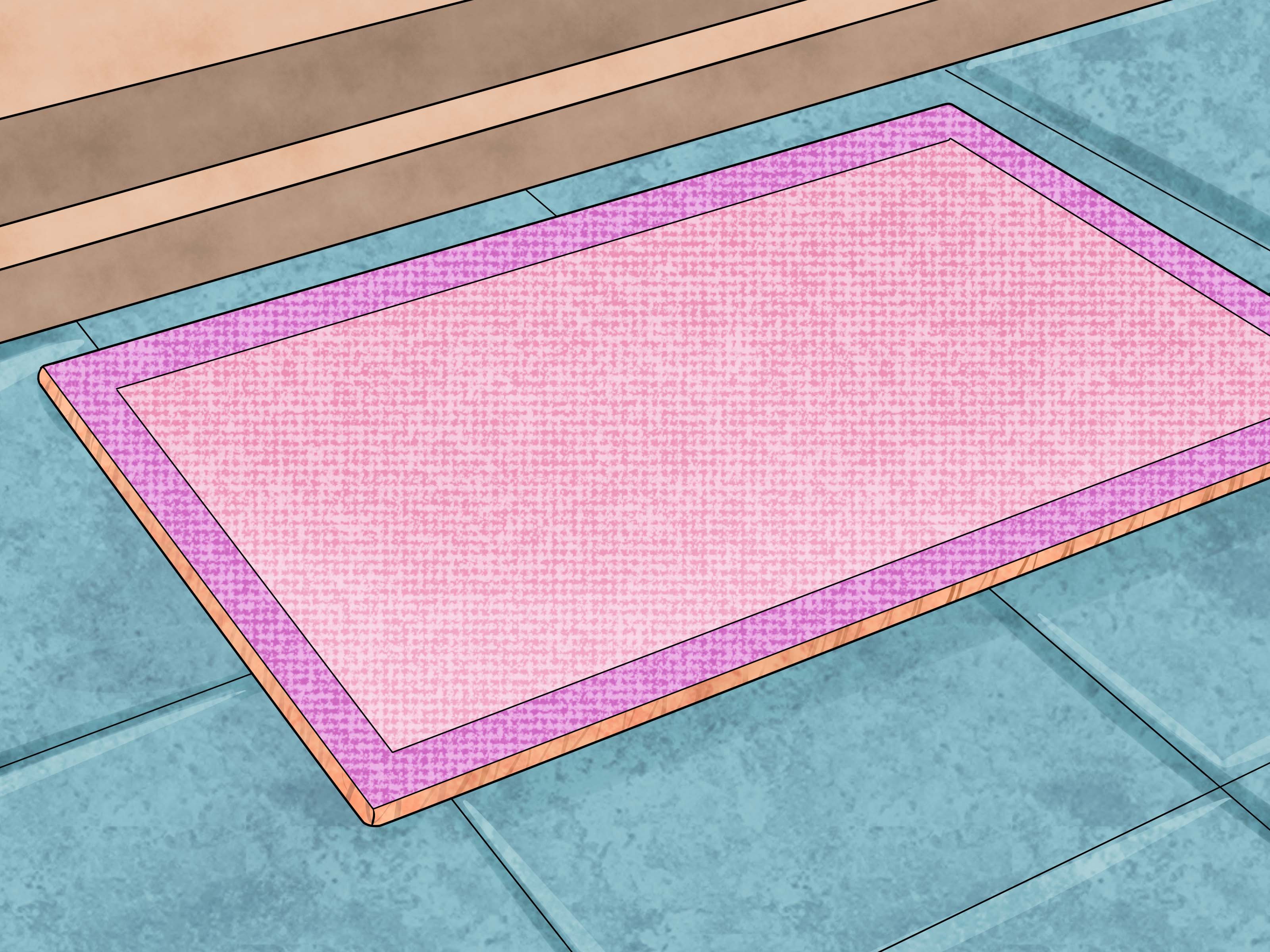
Turning carpet into a rug is one of those DIY projects that feels suspiciously simple at first. You stare at a leftover carpet remnant, it stares back, and suddenly you think, “Wait… could this be a custom area rug instead of garage clutter?” Good news: yes, it absolutely can. Even better, you do not need a secret flooring degree, a warehouse full of tools, or the emotional resilience of someone assembling flat-pack furniture at midnight.
Learning how to make a carpet into a rug is mostly about three things: cutting it cleanly, finishing the edges, and making sure it stays safely in place. A carpet remnant without finished edges can fray, curl, shed, or look like it lost a fight with a lawn mower. But with the right measurements, a sharp blade, carpet binding tape, adhesive, and a good rug pad, that same piece can become a polished custom rug for a living room, bedroom, hallway, office, playroom, or pet corner.
This guide walks you through 14 practical steps to transform wall-to-wall carpet, leftover carpet scraps, or a store-bought remnant into a real area rug. Along the way, you will learn how to choose the right piece, cut straight lines, bind carpet edges, prevent slipping, avoid common mistakes, and decide when it is worth calling a professional carpet binder. Your floor is about to get an upgrade, and your carpet remnant is about to have its main-character moment.
Why Turn Carpet Into a Rug?
Making a rug from carpet is budget-friendly, customizable, and surprisingly satisfying. Area rugs can be expensive, especially when you need an odd size. Carpet remnants, on the other hand, are often sold at a discount because they are leftover pieces from larger rolls. If you already have extra carpet after an installation, the savings are even better: free material is the DIY equivalent of finding fries at the bottom of the takeout bag.
A custom carpet rug can also solve design problems. Maybe you need a long runner for a hallway, a soft play rug for a child’s room, a durable mat under a desk chair, or a cozy layer over cold tile. Instead of hunting for the perfect store-bought rug, you can create one in the size, texture, and color you actually need.
Tools and Materials You Will Need
Before you begin, gather your supplies. You do not want to be halfway through cutting carpet and realize your only scissors are the tiny ones from a junk drawer that can barely open a snack bag.
- Carpet remnant or clean piece of carpet
- Tape measure
- Marker, chalk, or painter’s tape
- Metal straightedge or T-square
- Sharp carpet knife or heavy-duty utility knife
- Cut-resistant gloves
- Scrap plywood, cardboard, or cutting mat
- Carpet binding tape, Instabind-style edging, or rug binding kit
- Hot glue gun, carpet adhesive, or manufacturer-recommended glue
- Double-sided carpet tape, if needed
- Non-slip rug pad
- Vacuum
- Heavy books or weights for flattening edges
How to Make a Carpet Into a Rug: 14 Steps
Step 1: Choose the Right Carpet Piece
Start with a carpet remnant that is clean, dry, and structurally sound. The backing should not be brittle, crumbling, moldy, or separating from the pile. If the carpet smells like a basement, a wet dog, or a mystery you do not want to solve, skip it. Odors trapped in carpet backing can be stubborn.
For best results, choose carpet with a tight weave or sturdy backing. Low-pile carpet is easier to cut and bind than thick shag. Berber, loop pile, cut pile, nylon, polyester, wool, and polypropylene carpets can all work, but each behaves differently. Loop carpet may unravel if cut carelessly, while plush carpet may hide slight cutting flaws better.
Step 2: Decide Where the Rug Will Go
Measure the room or area before cutting anything. In a living room, a rug usually looks best when it anchors the furniture. In a bedroom, it should extend beyond the bed enough to greet your feet in the morning. In a hallway, leave several inches of floor visible on both sides so the runner does not look like wall-to-wall carpet wearing a disguise.
Think about doors, furniture legs, floor vents, and traffic patterns. A thick carpet rug placed too close to a door may block it from opening. A rug in a high-traffic area needs stronger edge finishing and a better rug pad than one tucked under a reading chair.
Step 3: Measure Twice, Then Add a Reality Check
Measure the desired rug length and width carefully. Write the numbers down. Then measure again, because carpet has a magical ability to make confident people suddenly question arithmetic.
If the carpet has a pattern, check whether the design is centered. A plaid, stripe, or geometric pattern that is slightly crooked can become very noticeable once the rug is on the floor. If needed, adjust your cut lines so the pattern looks balanced. For a plain carpet, focus on getting clean, square corners.
Step 4: Mark the Cut Lines
Flip the carpet over and mark the backing rather than the face whenever possible. Use chalk, painter’s tape, or a marker that will not bleed through. A metal straightedge, carpenter’s square, or T-square helps keep lines straight.
For a rectangle, mark all four sides and check the diagonals. If both diagonal measurements match, your corners are square. If they do not, your future rug may become a parallelogram, which is great for geometry class but less charming under a coffee table.
Step 5: Set Up a Safe Cutting Area
Place the carpet on scrap plywood, thick cardboard, or a cutting mat. Never cut directly on hardwood, vinyl, laminate, tile, or any floor you love. A fresh utility blade can go through carpet backing faster than expected.
Wear cut-resistant gloves and keep your free hand away from the cutting line. Use good lighting. If the carpet is large, ask someone to help hold it flat. The goal is to make a rug, not create a dramatic home-improvement story involving bandages.
Step 6: Cut the Carpet Slowly and Cleanly
Use a sharp carpet knife or heavy-duty utility knife. Place the straightedge on the cut line and make several controlled passes instead of trying to slice through the carpet in one heroic motion. Light, repeated cuts are safer and usually cleaner.
Cut from the backing side when possible. This helps you follow the marked line and reduces visible pile disturbance. For thick carpet, you may need to bend the cut open slightly as you work. Replace the blade if it starts dragging, skipping, or chewing the edge. A dull blade turns a simple DIY job into a fuzzy crime scene.
Step 7: Trim Loose Fibers
After cutting, inspect all edges. Trim loose tufts or long fibers with sharp scissors. Do not pull threads aggressively, especially with loop pile carpet. Pulling can start a run, and suddenly one tiny thread becomes a carpet noodle with ambition.
If the edge looks uneven, lightly trim it with the straightedge and knife. Minor imperfections are normal and will often be hidden by binding tape, but large waves or jagged sections should be corrected now.
Step 8: Choose Your Edge Finish
The edge finish is what turns a carpet scrap into a rug. Without it, the edge may fray, curl, or shed. You have several options:
- DIY carpet binding tape: A practical choice for many home projects. It wraps or attaches along the edge and is secured with adhesive.
- Instabind-style edging: A no-sew product designed for finishing carpet remnants at home.
- Serging: A professional stitched finish that wraps yarn around the edge.
- Professional binding: A flooring shop cuts and finishes the rug for a cleaner, longer-lasting result.
- Fringe: Decorative, but less practical for high-traffic or pet-heavy homes.
For a budget DIY rug, binding tape is usually the easiest route. For expensive wool carpet, large rugs, curved shapes, or highly visible rooms, professional binding may be worth the cost.
Step 9: Dry-Fit the Binding Tape
Before using glue, lay the binding tape around the entire rug. Start on one side, work around the corners, and make sure the tape sits evenly. Some binding products have a decorative cord or lip that should show from the top, while the adhesive portion stays underneath.
At corners, fold carefully and avoid bulky lumps. If your binding kit includes specific corner instructions, follow them. Different products behave differently, and the manufacturer’s directions are not just decorative literature.
Step 10: Attach the Binding in Small Sections
Work slowly, attaching the binding a few inches at a time. Many DIY carpet binding methods recommend applying the tape in short increments so it stays aligned. Press the carpet edge firmly into the adhesive area. If the product requires hot glue, apply a controlled bead along the edge where the carpet meets the binding.
Keep the visible edge consistent. Do not stretch the binding too tightly, or it may pucker. Do not leave it loose, or it may ripple. Think of it like wrapping a gift, except the gift is heavy, fuzzy, and determined to shift when you least expect it.
Step 11: Seal the Corners and Ends
Corners are the first place a DIY rug usually tattles on you. Take your time. Fold or miter the binding neatly, then secure it with hot glue or adhesive as directed. Where the binding ends meet, overlap slightly or butt them together cleanly, depending on the product.
Add a small amount of glue to seal the joint. Wipe away excess before it hardens. The goal is a finished edge, not a glue sculpture. Let the adhesive cool or cure fully before moving the rug.
Step 12: Add a Rug Pad
A rug pad is not optional if the rug will sit on hardwood, tile, laminate, vinyl, or any slick surface. It helps prevent slipping, adds cushioning, improves comfort, and can make vacuuming easier. Choose a pad compatible with your floor type. Felt-and-rubber pads are popular because they add cushion while helping the rug stay put.
Trim the rug pad so it is slightly smaller than the rug, usually about one inch shorter on every side or roughly two inches shorter in total width and length. This keeps the pad hidden and prevents a raised edge that could become a tripping hazard.
Step 13: Place and Flatten the Rug
Move the rug into position and let it relax. If it was rolled tightly, the corners may curl. Place heavy books, clean boxes, or flat weights on the corners for a day or two. Avoid placing heavy furniture directly on freshly glued binding until the adhesive has cured.
Check that doors clear the rug. Walk across it from several directions. If it slides, bunches, or ripples, adjust the rug pad or add rug grippers designed for your floor type. A rug should make a room feel finished, not turn the hallway into a low-budget skating rink.
Step 14: Vacuum and Maintain Your New Rug
Vacuum the rug to remove loose fibers from cutting and binding. Use a suction setting appropriate for the pile height. Avoid aggressive beater bars on delicate loop carpet or handmade finishes. Spot-clean spills quickly using products safe for the carpet fiber.
Rotate the rug every few months if it gets uneven sunlight or foot traffic. Check the binding occasionally. If a corner begins to lift, repair it early with compatible adhesive before the problem grows. A few minutes of maintenance can add years to the life of your custom carpet rug.
DIY Binding vs. Professional Carpet Binding
DIY binding is ideal for small rugs, casual spaces, budget projects, and low-stakes experiments. It is affordable, accessible, and satisfying. Professional binding is better for large rugs, expensive carpet, stair runners, patterned carpet, rounded shapes, or any rug that will live in a formal room where every edge will be judged by guests who say things like “interesting” while quietly inspecting your corners.
A flooring shop can usually cut carpet to size, bind or serge the edges, add non-slip backing, and sometimes provide a custom rug pad. This costs more than DIY binding, but the finish is cleaner and more durable. If your carpet remnant is wool, very thick, unusually shaped, or sentimental, professional finishing may save both the rug and your sanity.
Common Mistakes to Avoid
Using a Dull Blade
A dull blade tears carpet backing and creates ragged edges. Replace blades often. They are cheaper than regret.
Skipping the Rug Pad
A carpet rug without a pad can slide, curl, scratch certain floors, or feel uneven. The right pad improves safety and comfort.
Cutting From the Wrong Side
Cutting from the face side can disturb the pile and make mistakes more visible. Mark and cut from the backing when possible.
Ignoring Pattern Direction
Patterned carpet needs extra planning. Align the design before cutting so the finished rug looks intentional.
Rushing the Corners
Corners make or break the look of a DIY rug. Slow down, fold neatly, and glue carefully.
Best Places to Use a Carpet Remnant Rug
A custom carpet rug works beautifully in many areas of the home. Use one beside a bed for a soft landing in the morning. Place one under a desk to reduce chair noise and warm up a home office. Add one to a playroom so kids have a cushioned area for games, reading, and toy explosions. Use durable carpet remnants in mudrooms, basements, craft rooms, laundry rooms, or pet zones.
For dining rooms, choose low-pile carpet that is easier to clean and allows chairs to move smoothly. For bedrooms, plush carpet feels luxurious. For entryways, choose stain-resistant carpet and strong binding. For hallways, measure carefully so the runner leaves an even border on both sides.
Extra Experience: What This Project Teaches You in Real Life
The first thing you learn when making a carpet into a rug is that carpet is heavier than it looks. A rolled remnant sitting politely in the corner of a store seems harmless. Then you try to carry it through a doorway and it behaves like a sleepy bear wrapped in fabric. Give yourself room to work, and do not underestimate the value of a second person. Even if that person mostly says, “A little to the left,” they are still useful.
The second lesson is that straight lines matter more than confidence. Many DIYers begin with the noble belief that they can “eyeball it.” This belief usually lasts until the rug is placed beside a straight sofa, where every wavy edge becomes visible. Use a straightedge. Mark the backing. Check the corners. A few extra minutes of measuring can make the finished rug look custom instead of homemade in the “we tried our best” sense.
Another real-world discovery is that binding tape is simple, but not magical. It will hide small imperfections, but it will not fix a badly cut edge, a damp carpet, or corners that were folded during a moment of emotional impatience. Dry-fit the tape first. Practice on a scrap if you have one. Keep glue controlled. Hot glue strings are funny for about five seconds, and then they are everywhere, including places glue should never be.
Comfort is also a bigger deal than many people expect. A carpet remnant can technically sit directly on the floor, but a rug pad makes it feel much more finished. The pad adds cushion, keeps the rug from shifting, and helps the rug lie flatter. In high-traffic rooms, the pad is the quiet hero. Nobody compliments it, nobody sees it, but without it the rug starts wandering around the room like it has weekend plans.
You also learn that not every carpet deserves a second life as a rug. Some remnants are perfect: clean, sturdy, attractive, and easy to cut. Others are stained, curled, brittle, or too thick for a DIY edge. Be honest before investing time and supplies. If the carpet is already shedding badly, smells musty, or has damaged backing, turning it into a rug will not make those problems disappear. It will simply make them portable.
One of the most satisfying parts of this project is the customization. Store-bought rugs often come in standard sizes that almost fit. A DIY carpet rug can be made for the awkward nook, the narrow hallway, the oversized mudroom, or the exact space between the couch and media console. That custom fit can make a room look more intentional, even if the project started because you refused to throw away leftover carpet.
Finally, making a carpet into a rug teaches the best kind of DIY confidence: practical confidence. You are not just decorating; you are measuring, cutting, finishing, problem-solving, and upcycling. You are keeping useful material out of the trash and creating something functional. And when someone asks where you bought the rug, you get the tiny pleasure of saying, “Actually, I made it.” Try not to say it too smugly. Or do. You earned it.
Conclusion
Making a carpet into a rug is a smart way to save money, reduce waste, and create a custom floor covering that fits your home perfectly. The process is straightforward: choose a good carpet remnant, measure carefully, cut with a sharp blade, finish the edges with binding, add a proper rug pad, and maintain it like any other area rug.
The most important details are patience and edge finishing. A clean cut gives the rug its shape, but binding gives it durability and polish. Whether you use DIY carpet binding tape or hire a professional for serging or custom binding, the finished edge is what keeps the carpet from looking like a leftover and helps it become a real rug.
So before you toss that extra carpet into the garage forever, give it a second look. With 14 steps, a few supplies, and a little patience, it might become the cozy living room rug, hallway runner, pet mat, or bedroom accent you were about to spend far too much money buying.