

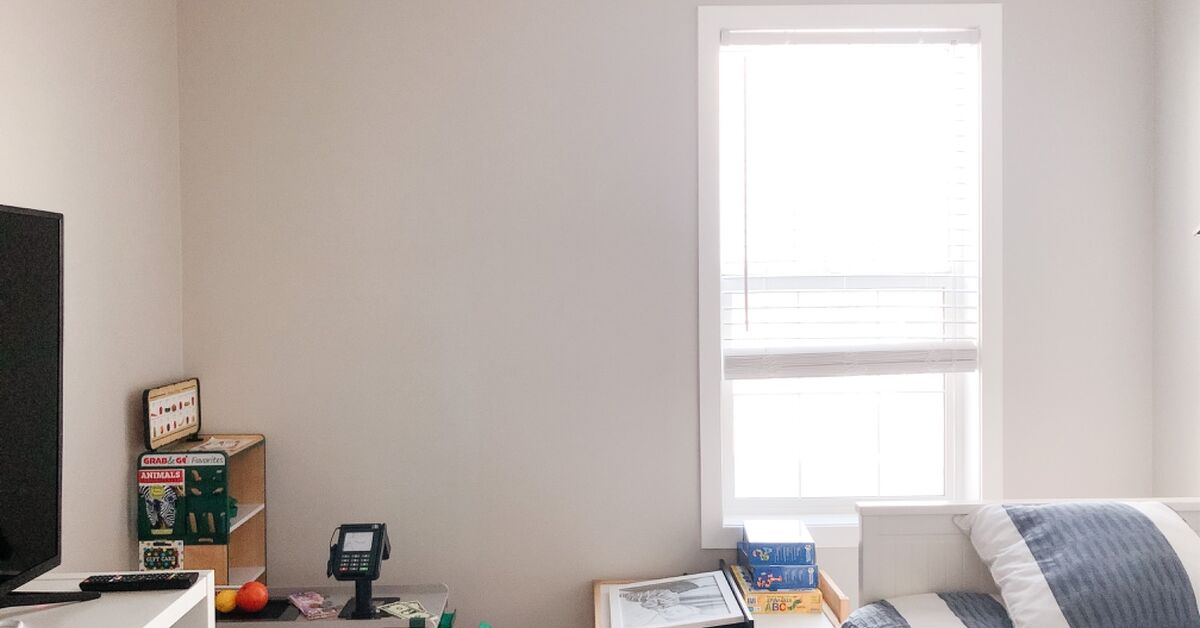
A playroom accent wall is one of those magical home projects that can make a room feel brand-new without requiring a full renovation, a contractor, or a second mortgage disguised as “custom millwork.” Even better, a DIY accent wall can give kids a place that feels playful, organized, creative, and intentionally designed instead of looking like a toy box sneezed across the floor.
The good news? You do not need to be a professional carpenter to pull this off. With basic tools, smart planning, kid-safe materials, and a weekend of focused work, you can create a playroom DIY accent wall that adds color, texture, storage, and personality. Whether you love board and batten, painted arches, peel-and-stick wallpaper, a chalkboard section, or a wall with shelves and hooks, the key is building something beautiful that can survive crayons, building blocks, stuffed animals, and tiny humans with surprisingly sticky fingers.
This guide walks you through how to make a playroom DIY accent wall from idea to final touch-up, with practical steps, design examples, safety notes, material suggestions, and experience-based tips to help you avoid the most common “oops, why is that crooked?” moments.
Why a DIY Accent Wall Works So Well in a Playroom
A playroom needs to do more than look cute in photos. It has to work hard. It should support imagination, make cleanup easier, and hold up to daily activity. A DIY accent wall helps define the room’s purpose while giving the space a visual anchor. Instead of decorating every corner, you can focus your effort on one wall and let it carry the design.
An accent wall can also help separate zones. For example, a chalkboard accent wall can become the art corner. A board and batten wall with low hooks can become the dress-up station. A wallpaper accent wall behind a reading nook can make story time feel special. In a small room, this is especially useful because you get impact without overcrowding the space.
Choose the Best Accent Wall Style for Your Playroom
Before buying supplies, decide what kind of wall fits your room, your skill level, and your child’s age. The best playroom accent wall is not always the most complicated one. Sometimes a bold paint color and a few smart shelves beat a fancy geometric trim pattern that takes three weekends and one emotional support coffee maker.
Board and Batten Accent Wall
Board and batten is a popular choice because it adds texture, structure, and a custom built-in look. It works beautifully in playrooms because the lower portion of the wall can take more visual wear. You can paint it a cheerful color, a calming neutral, or a rich shade like forest green, navy, clay, or warm blue.
For a kid-friendly version, use simple vertical battens spaced evenly across the wall. You can keep the height at one-half or two-thirds of the wall, then paint the upper section a lighter color or add wallpaper above it.
Painted Mural or Color-Block Wall
A painted mural is budget-friendly and flexible. Try mountains, arches, oversized polka dots, stripes, clouds, rainbows, or a sunburst behind a reading chair. This option is great if you want color without cutting wood. It is also easier to change later when your toddler’s dinosaur kingdom becomes a big-kid LEGO laboratory.
Peel-and-Stick Wallpaper Accent Wall
Peel-and-stick wallpaper is ideal for renters or anyone who wants pattern without permanent commitment. Look for playful but not overly busy patterns, such as stars, animals, abstract shapes, botanical prints, or soft geometric designs. In a playroom, washable or wipeable wallpaper is a big plus.
Chalkboard or Creative Wall
A chalkboard accent wall gives children permission to draw on the wall, which is both exciting and slightly terrifying. Keep it controlled by framing one section with trim or painting only the lower half. Pair it with a small tray or wall-mounted cup for chalk. For less dust, consider a whiteboard panel or magnetic board area instead.
Storage Accent Wall
A storage wall can be both decorative and practical. Combine open shelves, picture ledges, hooks, cubbies, peg rails, and baskets. Keep heavier items low and anchor furniture securely. The goal is to make cleanup easy enough that kids can help without requiring a treasure map.
Plan the Design Before You Touch the Wall
Good planning saves money, time, and the unfortunate experience of realizing your last batten lands directly on an outlet. Start by measuring the wall from corner to corner and floor to ceiling. Note outlets, vents, light switches, windows, baseboards, and any furniture that will sit against the wall.
Sketch the layout on paper or use painter’s tape directly on the wall to test the design. This is especially helpful for board and batten, arches, stripes, or geometric patterns. Step back and view it from the doorway because that is usually where the wall makes its first impression.
For board and batten spacing, decide how many vertical strips you want, then calculate the gaps evenly. A simple formula is: wall width minus total batten width, divided by the number of spaces. Do not worry if your spacing is not a perfect round number. Walls are rarely perfect. They have personalities, and sometimes those personalities are “slightly bowed.”
Gather Tools and Materials
Your exact supply list depends on the design, but most playroom DIY accent wall projects use a similar set of basics.
Basic Supplies
- Measuring tape
- Level or laser level
- Pencil
- Painter’s tape
- Drop cloth
- Stud finder
- Spackling compound or wood filler
- Sandpaper or sanding block
- Caulk and caulk gun
- Primer, if needed
- Interior paint
- Paint brush and roller
- Safety glasses
For Board and Batten
- Pre-primed MDF or pine boards
- Miter saw or hand saw
- Construction adhesive
- Brad nailer or finish nails
- Nail set
- Wood filler
For a playroom, pre-primed MDF is often easy to work with because it is smooth and paints well. Pine is stronger and handles bumps better, but it may have knots or grain that need more prep. If the wall is in a basement or damp area, avoid materials that swell easily and choose products suitable for the room’s conditions.
Pick Kid-Friendly Paint and Finishes
Paint matters in a playroom. Flat paint may look lovely at first, but it can show smudges quickly. Eggshell, satin, or pearl finishes are often better choices because they offer more durability and are easier to wipe clean. For trim, battens, shelves, or hooks, satin or semi-gloss can handle more contact.
Choose low-odor or low-VOC paint when possible, and ventilate the room while painting and drying. Open windows, use fans safely, and follow the paint label’s instructions. Even when a paint is labeled low odor, the room should still air out before children spend time there.
Color also affects the room’s energy. Bright colors can be fun, but an entire wall of neon orange may turn the playroom into a tiny indoor traffic cone. Try balancing bold colors with soft neutrals, natural wood, white trim, or calming blues and greens. For long-term flexibility, use a strong accent color on the wall and keep furniture more neutral.
Prepare the Wall Like a Pro
Wall prep is not glamorous, but it is the secret behind a polished result. First, remove wall decor, outlet covers, nails, hooks, and anything else in the way. Pull furniture away from the wall and cover the floor with a drop cloth.
Clean the wall with a damp cloth or mild cleaner to remove dust and fingerprints. Patch holes with spackling compound, let it dry, then sand smooth. If the wall has glossy paint, lightly sand it so primer or new paint can grip. If you are adding trim, check for uneven baseboards or bowed sections before cutting your boards.
Important safety note: if your home was built before 1978, old paint may contain lead. Do not sand, scrape, or disturb old paint unless you know it is safe. Use proper testing and certified help when needed, especially in spaces used by children.
Step-by-Step: How to Make a Board and Batten Playroom Accent Wall
Board and batten is one of the best DIY accent wall options for a playroom because it looks custom, hides minor wall imperfections, and can be designed with hooks or ledges for added function.
Step 1: Measure and Mark Your Layout
Measure the full width of the wall. Decide the height of your accent wall if you are not going floor to ceiling. A common height is 48 to 60 inches, but you can go taller for drama. Use a level to draw a horizontal line where the top rail will go.
Next, mark where each vertical batten will sit. Use painter’s tape to test the spacing visually. Make sure battens do not block outlets or switches. If one does, adjust the spacing slightly or plan a careful cutout.
Step 2: Install the Top and Bottom Rails
If you are creating a framed section, install the top rail first along your level line. Apply construction adhesive to the back, position it on the wall, then nail it into studs where possible. If you are adding a bottom rail above the baseboard, install it the same way.
Some DIYers use the existing baseboard as the bottom rail. That can work if the baseboard has a flat surface and enough depth to meet the battens neatly. If your baseboard is thin or angled, adding a new bottom board may look cleaner.
Step 3: Cut and Attach the Vertical Battens
Measure each vertical section individually. Do not assume every piece will be the same length because floors and walls can be slightly uneven. Cut each batten, dry-fit it, then attach it with adhesive and nails. Use a level on every piece. Your eye will notice crooked battens faster than a child notices an unattended marker.
Step 4: Fill, Caulk, and Sand
Fill nail holes with wood filler. Once dry, sand smooth. Run a thin bead of paintable caulk along the seams where the boards meet the wall. Caulk makes the project look finished and hides tiny gaps. Wipe away excess with a damp finger or cloth.
Step 5: Prime and Paint
If your boards are pre-primed and your wall is in good shape, you may not need a full primer coat. However, primer is helpful when painting over dark colors, raw wood, patched areas, or glossy surfaces. Apply paint with a brush around edges and trim, then use a roller for larger sections. Two thin coats usually look better than one thick coat.
Easy Painted Accent Wall Ideas for Beginners
If cutting boards is not on your weekend wish list, a painted accent wall can still transform the playroom. Try a large painted arch behind a bookshelf, a mountain mural behind a toy storage bench, or wide horizontal stripes for a cheerful look. Painter’s tape is your best friend here. Press the tape edges firmly, and remove the tape while the paint is slightly wet for cleaner lines.
For circles or arches, tie a pencil to a string and use it as a simple compass. For murals, sketch lightly with pencil first. Keep shapes simple and oversized. Small, detailed designs can look busy once toys, books, and furniture return to the room.
Add Storage Without Losing Style
A playroom accent wall should not only say, “Look at me.” It should also whisper, “Please put the blocks somewhere.” Add storage that works with your wall design. Low shelves let kids reach books and toys independently. Peg rails can hold costumes, bags, hats, and art smocks. Picture ledges display rotating artwork or favorite books with covers facing forward.
Keep safety at the center of your design. Anchor shelving, cabinets, and tall storage pieces to the wall. Avoid placing tempting toys on top of high furniture because children may climb to reach them. Use rounded hooks where possible, and keep heavy items low.
Playroom Accent Wall Safety Tips
Because this is a child’s space, safety matters as much as style. Secure furniture and shelves properly. Check that trim pieces are firmly attached and that there are no sharp edges, exposed nails, or splintered wood. If you install hooks, place them at a child-friendly height but away from running paths.
Use washable materials where possible. Avoid delicate finishes that cannot handle cleaning. If you add wallpaper, choose a durable type and install it according to the manufacturer’s instructions. If you paint a chalkboard area, keep chalk storage contained and clean the surrounding floor often.
Budget-Friendly Ways to Customize the Wall
You do not need expensive materials to create a memorable accent wall. Paint is the most affordable upgrade. Leftover wood trim can become a mini gallery rail. Peel-and-stick decals can add stars, animals, letters, or shapes without long-term commitment. Framed children’s art can make the wall feel personal and changeable.
Another smart idea is to combine one permanent feature with one flexible feature. For example, install board and batten on the lower half and use removable wallpaper above it. Or paint a mural and add floating shelves that can later hold books, trophies, or craft supplies as your child grows.
Common Mistakes to Avoid
Skipping the Measuring Stage
Measuring once and cutting immediately is how DIY legends become cautionary tales. Measure twice, mark clearly, and test the layout before installing anything permanent.
Choosing Paint That Is Hard to Clean
Playrooms are high-touch spaces. Choose a finish that can handle fingerprints, smudges, and mystery marks. Satin, eggshell, or pearl finishes are usually more forgiving than flat paint.
Ignoring Wall Outlets and Switches
Always plan around electrical features. Do not cover outlets with trim or shelves. If electrical work is needed, hire a qualified professional.
Making the Design Too Busy
Remember that toys, books, rugs, and artwork add color too. A slightly simpler wall often looks better once the room is fully in use.
of Real-World Experience: What Actually Helps When Building a Playroom DIY Accent Wall
After working through playroom accent wall ideas, one experience-based lesson stands above the rest: design for the room your family actually uses, not the room you imagine when everything is clean for seven magical minutes. Playrooms are active spaces. Kids sit on the floor, drag baskets around, lean toys against walls, build forts, and occasionally treat furniture like gym equipment. A good DIY accent wall should look great, but it also needs to forgive real life.
One practical experience is to start with the cleanup problem before choosing the design. If the room always has books on the floor, add forward-facing book ledges. If costumes pile up on chairs, add low hooks. If art supplies wander around like tiny colorful nomads, include a pegboard or labeled bins near the accent wall. When storage is part of the wall, the design becomes useful every day, not just decorative.
Another lesson is to test colors in the actual room. Playrooms often have changing light throughout the day, and a color that looks soft in the store can become surprisingly loud on a full wall. Paint a sample and look at it in morning light, afternoon light, and evening lamp light. If the color still feels good after a full day, it is probably a keeper. If it makes the room feel like a cartoon rocket launch, tone it down.
For board and batten, patience during caulking and filling makes a huge difference. Many beginners rush this stage because the wall already “looks done.” But nail holes, seams, and small gaps become more obvious after paint. Taking time to fill, sand, and caulk is what makes the project look built-in instead of homemade in the wrong way. Homemade cookies? Excellent. Homemade-looking wall seams? Less excellent.
It also helps to think about height from a child’s perspective. Adults often hang shelves and art too high. In a playroom, lower elements make the wall more interactive. A low chalkboard section, reachable book ledges, or kid-height hooks encourage independence. Children are more likely to clean up when the system is easy to use. They may not do it every time, because they are children, not tiny professional organizers, but the odds improve.
Finally, leave room for the wall to evolve. A playroom for a three-year-old may need picture books, stuffed animals, and pretend-play hooks. A few years later, that same wall might need LEGO storage, craft supplies, sports medals, or a homework station. Choose a base design that can grow with your family. Simple trim, durable paint, and flexible storage will last longer than a narrow theme. A beautiful playroom DIY accent wall is not just about creating a cute backdrop. It is about building a space where kids can imagine, learn, make messes, and maybe even help clean them up before bedtime. We believe in miracles.
Conclusion
Making a playroom DIY accent wall is one of the most rewarding ways to upgrade a child’s space. With careful planning, safe materials, durable paint, and a design that supports both play and organization, one wall can transform the entire room. Whether you choose board and batten, a painted mural, peel-and-stick wallpaper, a chalkboard wall, or storage-focused shelving, the best result is a space that feels fun, practical, and personal.
Start with the wall’s purpose, measure carefully, prep properly, and choose finishes that can handle everyday play. Most importantly, build a wall that works for your family’s real routine. A playroom should invite creativity, not require museum-level maintenance. When the accent wall looks good and helps control clutter, everyone winsespecially the parent who no longer steps on tiny plastic toys before coffee.