

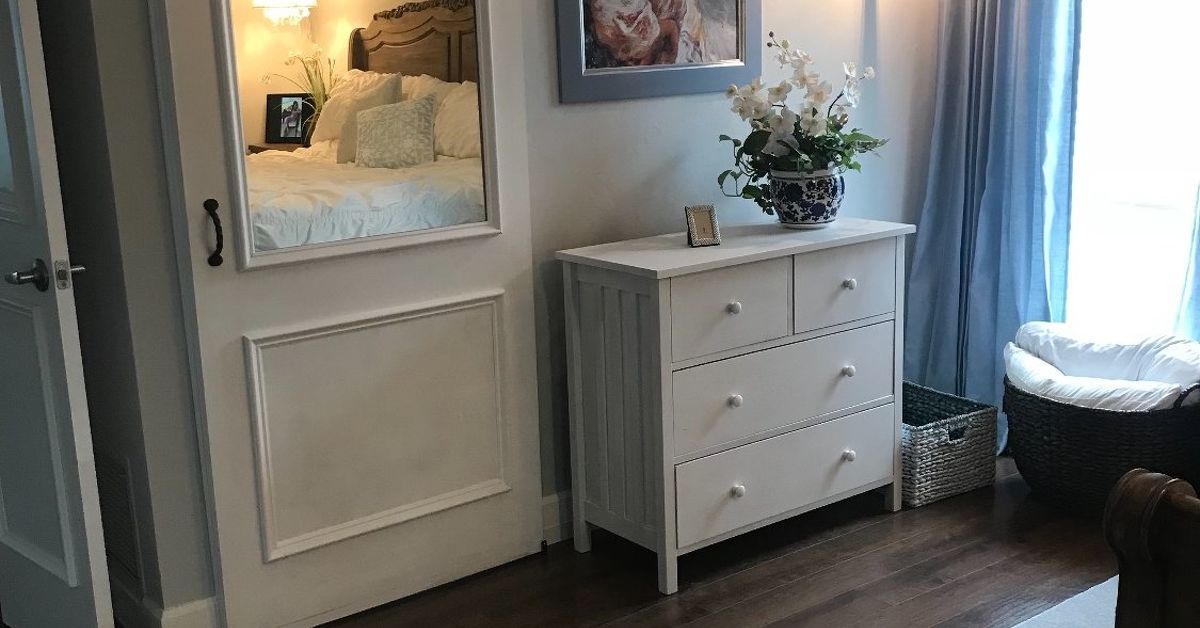
A sliding barn door is one of those magical DIY projects that looks like it required a contractor, a design degree, and possibly a small woodland workshop full of singing birds. In reality, it is a very doable home improvement project if you measure carefully, choose the right materials, and remember that “pretty” is not the opposite of “sturdy.” A door can be charming and still behave itself.
Whether you want to upgrade a closet, separate a laundry room, add farmhouse character to a hallway, or hide a pantry that looks like a cereal box convention, a DIY sliding barn door can give your space instant personality. The secret is planning. The wood, hardware, finish, trim pattern, wall clearance, and track installation all matter. Skip the planning, and your door may slide like a shopping cart with one rebellious wheel. Do it right, and you get a smooth, stylish feature that feels custom without a custom price tag.
Why a DIY Sliding Barn Door Is Worth Building
A sliding barn door is popular for three big reasons: it saves swing space, adds visual interest, and can be customized to match almost any home style. Although people often associate barn doors with rustic farmhouse decor, they can also look modern, coastal, cottage, industrial, or minimalist depending on the wood, color, and hardware you choose.
For small rooms, narrow hallways, closets, pantries, laundry spaces, and home offices, a sliding door can be especially useful because it moves along the wall instead of swinging into the room. That makes it a clever option where a traditional hinged door feels awkward. It also gives you a chance to turn a plain opening into a design moment. Think of it as wall art that politely moves out of the way.
However, a barn door is not perfect for every spot. Because it hangs slightly away from the wall, it usually does not seal sound, light, or odors as tightly as a standard door. For bathrooms and bedrooms, privacy should be considered carefully. For closets, pantries, offices, laundry rooms, mudrooms, and decorative room dividers, it is often a star performer.
Plan Before You Buy Anything
The prettiest DIY barn door begins with the least glamorous step: measuring. Grab a tape measure, a pencil, and a level. Measure the width and height of the opening you want to cover. A sliding barn door should usually overlap the opening on both sides and at the top to reduce gaps and create a finished look. A common approach is to make the door at least two inches wider than the opening, though wider overlap may look better depending on trim and privacy needs.
Check Wall Space
The door needs enough empty wall space on one side so it can slide fully open. If your opening is 36 inches wide, you generally need at least 36 inches of open wall next to it, plus a little extra room for stops and hardware. Watch for outlets, light switches, artwork, vents, thermostats, and furniture. A barn door does not care that your favorite framed print is hanging there. It will simply slide into it with confidence.
Check Studs and Support
Barn door hardware must be secured into solid framing, not just drywall. Use a stud finder to locate wall studs above and beside the opening. Many installations use a mounting or header board attached to the studs, then the track attaches to that board. This spreads the load and gives you a strong, level surface for the rail. A sliding door can be heavy, especially if made from solid wood, so support is not the place to freestyle.
Choose the Door Style
There are several attractive DIY barn door designs:
- Classic Z-brace: Rustic, simple, and instantly recognizable.
- X-brace: Bold farmhouse style with strong symmetry.
- Chevron pattern: Modern, decorative, and great for a statement wall.
- Shiplap panel: Clean, casual, and easy to paint.
- Flat panel with trim: More contemporary and less “country barn.”
- Reclaimed wood look: Warm, textured, and full of character.
If your room already has a lot going on, choose a simpler door. If the space is plain, a patterned barn door can become the main feature. The goal is to make the door look intentional, not like it wandered in from another house and is waiting for directions.
Tools and Materials You Will Need
The exact materials depend on your design, but most DIY sliding barn doors require the same basic supplies.
Tools
- Tape measure
- Level
- Stud finder
- Pencil
- Miter saw or circular saw
- Drill and driver bits
- Clamps
- Random-orbit sander or sanding block
- Safety glasses and hearing protection
- Paintbrush, roller, or staining rags
Materials
- 1×6, 1×8, or plywood panels for the door body
- Trim boards for rails, stiles, and decorative braces
- Wood glue
- Wood screws or brad nails
- Wood filler
- Sandpaper in medium and fine grits
- Primer, paint, stain, or clear topcoat
- Barn door hardware kit with rail, hangers, spacers, stops, and floor guide
- Header board, often a 1×4 or 1×6, if needed
- Lag screws suitable for your wall framing
For a beginner-friendly build, plywood with applied trim is often easier than joining multiple boards edge to edge. It stays flatter, requires fewer tricky joints, and can still look beautiful once framed and painted. Solid boards can look more authentic, but they may cup or warp if not selected and assembled carefully.
Step-by-Step: How to Make a Pretty Sliding Barn Door DIY
Step 1: Measure the Opening
Measure the width and height of the doorway or opening. Add overlap to the width so the door covers the opening comfortably. For height, allow enough clearance at the bottom for the floor guide and smooth movement. Many installations leave about half an inch to one inch of floor clearance, but always check your hardware instructions. Hardware kits vary, and the manufacturer’s directions should win every argument.
Step 2: Design the Door on Paper
Sketch your door before cutting wood. Mark the total width, height, trim placement, and brace pattern. For a pretty but approachable design, try a flat plywood center with a border frame and diagonal brace. This gives you the barn door look without requiring advanced joinery. If you want a modern version, skip the diagonal brace and use thin vertical trim for a clean paneled effect.
Step 3: Cut the Door Panel
Cut your plywood or panel boards to size. If you are using plywood, choose a smooth cabinet-grade or sanded panel for a cleaner finish. If you are using individual boards, lay them out with the best-looking faces up. Mix grain patterns so the finished door feels balanced. Avoid badly twisted boards unless your personal design style is “haunted farmhouse.”
Step 4: Add the Frame and Decorative Trim
Cut top and bottom rails, side stiles, and any decorative braces. Dry-fit all pieces before attaching them. Once everything looks right, apply wood glue and fasten the trim with brad nails or screws. Keep checking for square as you work. A door that is out of square may still be pretty, but it will be pretty in the way a leaning birthday cake is pretty: briefly and with concern.
For a classic design, create a border around the door, then add one diagonal brace from bottom corner to opposite top corner. For an X-brace, add two diagonals. For a chevron style, cut angled trim pieces that meet in the center line. Chevron takes more patience, but the payoff is huge if you want a high-end look.
Step 5: Fill, Sand, and Smooth
Fill nail holes, small gaps, and imperfections with wood filler. Once dry, sand the entire door. Start with medium grit to smooth rough spots, then move to finer grit for a finish-ready surface. Slightly soften sharp edges with sandpaper. This helps paint or stain adhere better and makes the door feel finished instead of freshly wrestled from a lumber pile.
Step 6: Paint or Stain the Door
This is where “pretty” really happens. A white sliding barn door feels bright and timeless. Soft gray works well in modern farmhouse spaces. Black creates drama and pairs beautifully with matte black hardware. Navy, sage green, dusty blue, and warm beige are excellent choices if you want personality without shouting across the room.
If staining, test the stain on scrap wood first. Pine, common in DIY projects, can absorb stain unevenly, so a pre-stain wood conditioner may help. For painted doors, use primer first, especially if you are painting raw wood or covering knots. Apply two thin coats instead of one thick coat. Thick paint is like too much frosting: tempting at first, regrettable later.
Step 7: Install the Header Board
If your hardware instructions recommend a header board, cut it slightly longer than the track or wide enough to span the needed studs. Paint or stain it before installation for a cleaner look. Use a level to mark its position above the doorway. Secure the header board into studs with appropriate lag screws. This board must be straight and strong because the rail depends on it.
Step 8: Mount the Track
Hold the track in position on the header board or wall, depending on your kit. Mark hole locations, drill pilot holes, and attach the rail with spacers and lag bolts. The rail must be level. If it tilts, gravity will turn your lovely barn door into a slow-motion escape artist. Install end stops according to the hardware instructions so the door cannot roll off the track.
Step 9: Attach the Hangers to the Door
Use the template included with your hardware kit, if provided. Mark the hanger locations carefully and drill straight holes. Attach the hangers with the included bolts, washers, and nuts. Do not overtighten to the point of damaging the wood, but make sure the hardware is secure. This is a good moment to ask another person for help, because lifting a finished barn door alone is not a personality test anyone needs to pass.
Step 10: Hang the Door and Add the Floor Guide
Lift the door onto the track and test the slide. It should move smoothly without scraping the wall, floor, or trim. Install the floor guide so the bottom of the door stays aligned and does not swing outward. Some guides fit into a groove on the bottom of the door, while others guide from the sides. Follow the kit instructions and make small adjustments until the door glides cleanly.
Pretty Design Ideas That Make the Door Look Custom
The difference between a basic DIY barn door and a beautiful DIY barn door is usually in the details. A few thoughtful choices can make your project look polished rather than homemade in the “we ran out of screws and hope” sense.
Use Contrasting Hardware
Matte black hardware is classic and works with farmhouse, industrial, and modern spaces. Brushed nickel looks softer and more contemporary. Brass or gold-toned hardware can make the door feel elegant, especially with white, navy, or deep green paint.
Add a Handle That Matches the Room
A long pull handle gives the door a professional look. Match the finish to nearby fixtures, cabinet hardware, or lighting. If the door opens from both sides, consider adding a recessed pull on the back so it clears the wall.
Paint the Header Board to Blend In
If you want the hardware to stand out, paint the header board the same color as the wall. If you want a framed, built-in look, paint it the same color as the door. Both options work; the trick is choosing one intentionally.
Decorate With Trim, Not Clutter
Pretty does not have to mean complicated. Clean trim lines, balanced proportions, and a smooth finish often look better than too many decorative pieces. Let the door breathe. It is a door, not a scrapbook page.
Common DIY Barn Door Mistakes to Avoid
First, do not skip the floor guide. Without it, the door can sway, bump, or feel unstable. Second, do not mount the rail only into drywall. The track needs structural support. Third, do not forget wall clearance. The door needs room to slide, and the hardware needs space away from trim and casing.
Another common mistake is building the door too narrow. If the door barely covers the opening, gaps become obvious. Wider overlap looks more intentional and improves privacy. Also, be careful with heavy materials. A thick, solid door may look impressive, but it requires hardware rated for the weight. Always check the weight capacity of your kit.
Safety Tips Before You Start
Wear eye protection when cutting, drilling, and sanding. Use hearing protection with saws. Clamp wood before cutting whenever possible. If you are new to power tools, get help from someone experienced. Before drilling into walls, be mindful of electrical wires, plumbing, and hidden obstacles. When in doubt, stop and investigate. A beautiful barn door is not improved by surprise plumbing drama.
Use two people to lift and hang the finished door. Even a medium-size door can be awkward. Keep fingers away from rollers and stops while testing the slide. After installation, check bolts and screws periodically, especially during the first few weeks as the door settles into regular use.
Real-Life Experience: What Makes a DIY Barn Door Turn Out Better
After building and studying plenty of DIY-style home projects, one lesson stands above the rest: the best sliding barn doors are not necessarily the most expensive ones. They are the ones where the builder took time to slow down during the boring steps. Measuring twice is helpful, but measuring twice, marking clearly, dry-fitting the pieces, and then taking a snack break before cutting is even better. Snacks prevent bad carpentry. This is not science, but it feels true.
One practical experience is that plywood doors are often underrated. Many DIYers assume a beautiful barn door must be made from individual planks, but a smooth plywood base with attractive trim can look cleaner and stay flatter. This is especially useful in homes with changing humidity. If you want a painted finish, plywood can be your best friend. Once the trim is attached and everything is painted, most people will not know whether you used individual boards or a sheet panel. They will simply say, “Wow, nice door,” which is the correct response.
Another useful tip is to finish the door before hanging it. Some people install first and paint later, but painting a vertical door while dodging hardware is not a relaxing hobby. It is much easier to paint or stain the door while it rests on sawhorses. You can reach the edges, avoid drips, and apply a smoother finish. Just remember to finish all sides, including the back and edges. Sealing only one side can encourage uneven moisture movement, which may lead to warping.
Hardware choice also makes a big difference. Cheap hardware can work, but it should still be rated for the door weight and include key parts such as stops and a floor guide. Smooth rollers make the finished project feel more expensive. If the door rattles, scrapes, or wobbles, it does not matter how pretty the paint color is. Function is part of beauty. A door that glides quietly feels luxurious, even if you built it in the garage while surrounded by extension cords and mild confusion.
One of the most common regrets is using a barn door where a tight seal is needed. For a pantry, closet, laundry room, craft room, or office nook, it can be fantastic. For a main bathroom, think carefully. Barn doors can leave side gaps, and many do not lock like traditional doors. If privacy matters, consider extra overlap, privacy strips, soft-close hardware, or a different door style altogether. Good design is not just about how something looks in photos; it is about how it behaves on a Tuesday morning when real life is happening.
Finally, the prettiest barn doors usually match the house instead of copying a trend. If your home is modern, make the lines clean and use a sleek color. If your style is cottage, try soft paint and simple trim. If your room has warm wood tones, stain the door to complement them rather than compete. A DIY sliding barn door should look like it belongs, not like it arrived wearing a costume. When the color, hardware, size, and trim all work together, the finished door becomes more than a space-saver. It becomes the kind of detail that makes a room feel loved.
Conclusion
Learning how to make a pretty sliding barn door DIY is really about combining solid construction with personal style. Start with accurate measurements, choose materials that fit your skill level, build a square and sturdy door, finish it beautifully, and install the hardware with patience. The project is approachable, but it rewards careful work. In return, you get a custom-looking feature that saves space, adds charm, and makes your home feel more thoughtfully designed.
A sliding barn door is not just a door. It is a moving piece of decor, a practical room divider, and occasionally the thing guests compliment before they even notice you cleaned. Build it well, make it pretty, and let it glide.
Note: Always follow the instructions included with your specific barn door hardware kit, confirm the hardware weight rating, and use proper wall support. If you are unsure about framing, wiring, or structural attachment, ask an experienced adult, carpenter, or qualified installer before drilling.