

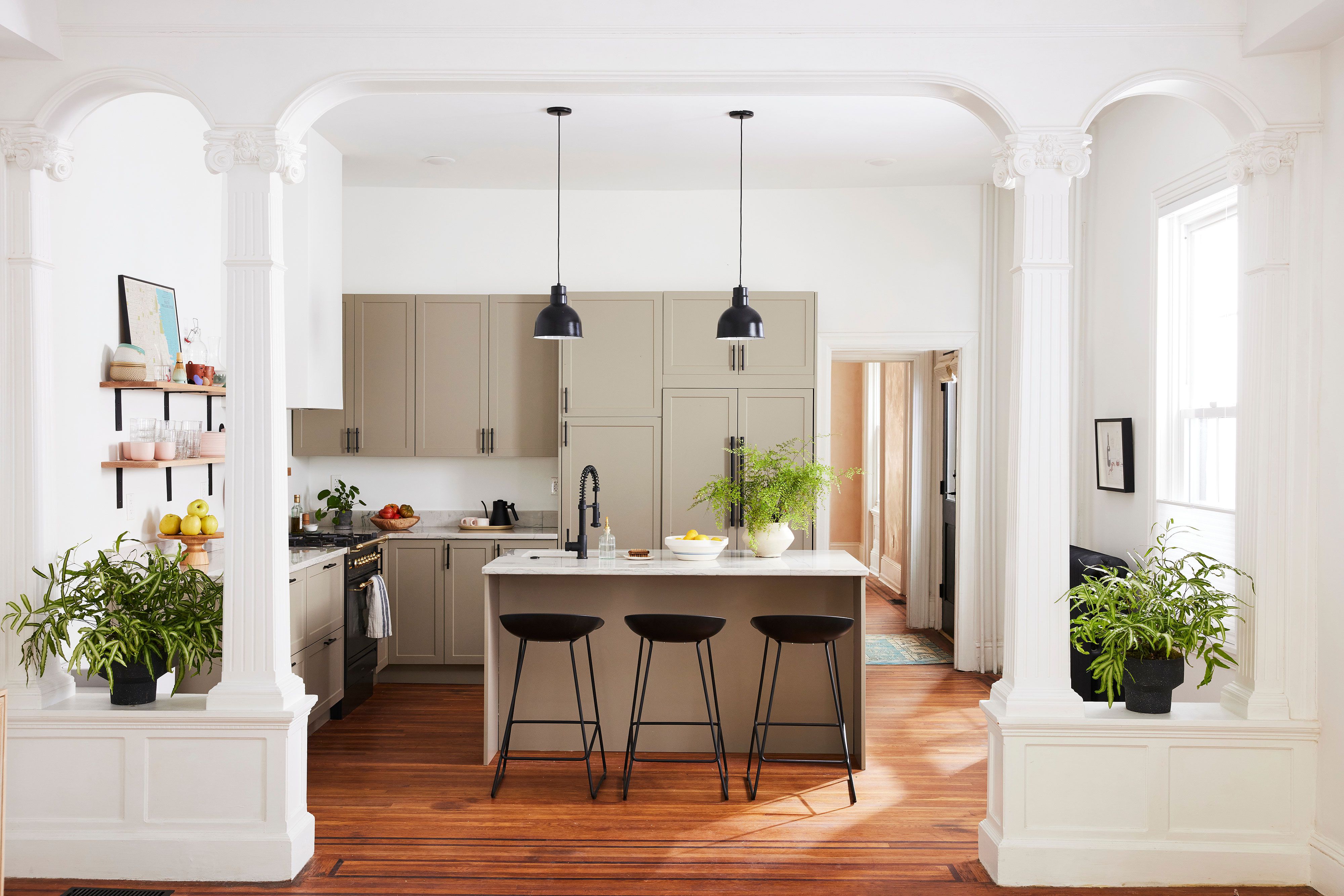
If you live in a closed-concept home, congratulations: you own walls. In today’s economy, that may be your most luxurious feature after a functioning garbage disposal. While open floor plans spent years being treated like the final form of human evolution, many homeowners are rediscovering the magic of defined rooms, quieter corners, and spaces that do not force the kitchen, dining room, and sofa to live in one giant group chat.
A closed-concept layout is not outdated. It is simply misunderstood. The problem usually is not the layout itself. The problem is that many closed-concept homes still wear design choices from another era like they are emotionally attached to beige trim, one lonely ceiling light, and furniture arranged as if the room is waiting for a formal portrait. The good news is that you do not need to knock down every wall to make your home feel current. In fact, some of the most effective upgrades are smaller, smarter, and far less likely to require a contractor who says, “Well, while we’re here…”
If your goal is to make a traditional floor plan feel brighter, more stylish, and more connected without erasing its character, start with the fundamentals: light, color, flow, texture, storage, and purpose. A modern closed-concept home feels intentional. Each room has a job, a personality, and a relationship to the next room. Nothing feels random. Nothing feels stale. And nothing feels like it came free with the house in 1997.
Why Closed-Concept Layouts Are Worth Keeping
Before we start modernizing, let’s rescue the reputation of the closed-concept layout. Separate rooms offer benefits that open plans often struggle with: privacy, better acoustics, stronger visual boundaries, easier organization, and more decorating freedom. One room can be moody and dramatic, another airy and calm, and neither has to argue with the kitchen backsplash about it.
That flexibility is exactly what makes closed-concept homes so appealing right now. You can create a cozy media room, a real dining space, a productive office nook, or a quieter reading room without needing every square foot to match the same vibe. A fresh and modern home is not always the one with the fewest walls. Often, it is the one with the clearest design thinking.
Start With a Whole-Home Color Story
The fastest way to make a closed-concept layout feel choppy is to treat every room like it belongs to a different zip code. The fastest way to modernize it is to build a connected color story. That does not mean every room must be painted the same shade of agreeable something. It means the rooms should feel related.
Pick one “anchor” room first. Usually, this is the living room, family room, or kitchen-adjacent space where your household spends the most time. From there, create a palette built on a dominant neutral and a few supporting tones. Soft white, warm greige, muted taupe, mushroom, dusty blue, olive gray, and gentle clay tones all work beautifully in a closed-concept home because they feel current without screaming for attention.
Modern homes tend to look cohesive because they repeat undertones, not necessarily exact colors. If your main room leans warm, let nearby rooms echo that warmth in paint, rugs, upholstery, or art. If your central palette feels soft and cool, carry that calm into hallways and adjoining spaces through trim color, textiles, or accent pieces. This creates visual continuity while still allowing each room to have its own identity.
Paint Smarter, Not Just Lighter
People love saying “paint it white” the way it is a universal cure, like chicken soup for architecture. But the best paint choice depends on the light. North-facing rooms usually feel cooler and flatter, so warm whites and creamy neutrals help them feel more balanced. Rooms with stronger sunlight can handle slightly deeper or more nuanced shades without turning gloomy.
Also, do not forget the ceiling. A ceiling that is a touch lighter than the wall color can visually lift a room and make it feel taller. In narrow rooms, strategic contrast can also help correct proportions. This is one of those subtle design moves nobody notices directly, yet everybody feels.
Layer Your Lighting Like an Adult Who Deserves Better Than One Overhead Fixture
If your closed-concept rooms feel tired, dim, or smaller than they are, lighting is usually the culprit. Modern interiors rarely rely on one central ceiling light and blind optimism. They use layered lighting: ambient, task, and accent lighting working together at different heights.
Start with your overhead fixture, but do not stop there. Add table lamps, floor lamps, sconces, picture lights, or under-cabinet lighting where appropriate. A room feels fresher when light is distributed evenly instead of blasting down from one sad fixture in the middle of the ceiling like an interrogation scene.
Warm, dimmable bulbs help rooms feel softer and more intentional. In living rooms and bedrooms, aim for a gentle glow that flatters both the furniture and the humans sitting in it. In entryways and hallways, better lighting can instantly make the home feel more open and more welcoming. In dining rooms, a sculptural pendant over the table can modernize the space faster than almost any other single change.
Light the Corners Too
Dark corners make closed rooms feel smaller and older. Put a floor lamp in the corner that has been quietly depressing you for years. Add a lamp to a console table. Use sconces in a hallway. Let light bounce around the room instead of stopping at the center. This creates depth, improves mood, and makes the layout feel more polished without changing the footprint at all.
Use Mirrors, Glass, and Reflection to Open Up Sightlines
Mirrors are the classic trick because they work. A well-placed mirror reflects light, creates the illusion of more square footage, and can act almost like an extra window. In a closed-concept layout, that matters even more because each room benefits from every little boost in brightness and perceived depth.
Hang a mirror opposite a window if possible. Use an oversized mirror in a small living room, hallway, or dining room to make the room feel more expansive. Consider mirrored or glass-front furniture in tighter spaces where bulky wood pieces might visually crowd the room. Glass coffee tables, acrylic side chairs, or open-legged consoles can all help a room breathe a little easier.
The key is restraint. You are going for “airy and intentional,” not “dance studio in a suburban foyer.”
Make Every Room Feel Purposeful
One of the best things about a closed-concept floor plan is that every room can be given a clear function. Modern homes feel good when they are edited. That means each room should answer one question immediately: what happens here?
If your dining room has turned into a storage unit with a chandelier, either reclaim it or redefine it. A formal living room can become a library lounge, music room, grown-up conversation space, or hybrid entertaining zone. A small den can become a media room with richer color, better lighting, and built-in storage. A spare bedroom can become a true guest room and office, instead of a place where unused exercise equipment goes to think about its future.
Function creates freshness. When a room has a clear purpose, furniture placement makes more sense, storage improves, clutter decreases, and the space feels more current because it is serving the way people actually live now.
Create Micro-Zones Inside Traditional Rooms
Even inside separate rooms, modern design loves “micro-zoning.” In a living room, that could mean one corner for reading, another for conversation, and one surface dedicated to games, drinks, or display. In a bedroom, it might mean a sleeping zone, a vanity zone, and a compact work corner. These smaller purposeful pockets make a room feel curated instead of generic.
Modernize the Architectural Details You Already Have
Closed-concept homes often have great bones. They just need editing. Instead of fighting the architecture, update it. Swap heavy drapery for cleaner window treatments. Replace shiny dated hardware with something more timeless, such as aged brass, matte black, or understated bronze. Update hollow-core doors if your budget allows. Refresh trim with a crisp paint color. Even changing outlet covers, switch plates, and door levers can make a surprisingly noticeable difference.
Wall treatments can also help. A little applied molding, board and batten, picture-frame trim, or a modern limewash finish adds texture and character without making the house feel fussy. The trick is balance. Traditional details feel modern when paired with simpler furnishings, cleaner color palettes, and fewer but better accessories.
Arched openings, cased doorways, partial built-ins, or widened pass-throughs can be especially effective when you want more visual connection between rooms without fully removing walls. This creates a “best of both worlds” effect: some openness, some definition, and a lot more character than a giant blank box.
Let Rugs and Furniture Improve the Flow
Good flow is not just for open layouts. Closed-concept homes need it too. The secret is keeping visual weight under control and ensuring the path from room to room feels easy.
Use rugs to define seating groups, entry zones, or dining areas. In living rooms that connect to entryways, a rug can signal where one zone ends and another begins. Furniture placement matters just as much. Float furniture when possible instead of shoving every piece against the wall like it is being punished. Add a console behind a sofa to create structure and hidden storage. Choose pieces with visible legs so the floor stays more open to the eye.
If a room feels cramped, try fewer, larger pieces instead of lots of smaller ones. That sounds backward, but it usually works. Too many tiny items create visual chatter. A closed-concept room feels fresher when it has a confident layout and a little breathing room.
Control Clutter With Storage That Looks Intentional
Nothing makes a closed-concept layout feel older faster than visible clutter. Separate rooms can be wonderful, but they can also become individual clutter ecosystems if you do not give stuff a home.
Look for furniture that multitasks: ottomans with storage, benches with baskets underneath, slim cabinets in hallways, console tables with drawers, and sideboards that hide everything from board games to charging cords. In entryways, hooks, cubbies, and a washable rug can turn chaos into a real landing zone. In living rooms, closed storage mixed with open shelving keeps the room feeling styled instead of stuffed.
Modern spaces do not necessarily own less. They simply hide the boring things better.
Bring the House Into This Century With Texture and Contrast
A fresh home rarely relies on color alone. Texture is what keeps neutral rooms from feeling flat. In a closed-concept layout, texture is especially helpful because it gives each room dimension while still allowing the whole home to feel connected.
Mix matte walls with a subtle sheen on trim. Pair wood furniture with boucle, linen, leather, cane, plaster, ceramic, or brushed metal. Add a woven shade in one room, a ribbed glass lamp in another, and a nubby wool rug in the room next door. When materials vary but the palette stays coordinated, the home feels layered and modern rather than theme-y.
This is also where contrast helps. If your home has traditional architecture, bring in a few cleaner-lined furnishings. If the layout feels boxy, soften it with curves: round mirrors, arched bookcases, oval dining tables, barrel chairs. That mix of old and new is where the magic lives.
A Quick Room-by-Room Example
Imagine a typical closed-concept main floor with a foyer, living room, dining room, and kitchen. Instead of trying to make them all feel like one giant open area, give them a shared language.
The foyer gets a warm white wall color, a patterned runner, a modern pendant, and a narrow console with drawers. The living room keeps the same trim color, adds a large rug, a sofa floated slightly off the wall, layered lamps, and one oversized mirror opposite the window. The dining room goes moodier with a dusty olive or soft mushroom tone, a sculptural chandelier, and fewer but larger accessories. The kitchen connects back through hardware finishes, bar stool upholstery, and repeated wood tones. Suddenly the house feels curated instead of chopped up.
No demo crew. No dust cloud. No emotional support sledgehammer. Just better decisions.
Mistakes That Make a Closed-Concept Home Feel Dated
- Using a completely different paint family in every room with no transition.
- Relying only on overhead lighting.
- Choosing undersized rugs that make furniture look like it is avoiding commitment.
- Pushing all furniture against the walls.
- Keeping heavy, dark window treatments that block natural light.
- Ignoring hallways and entryways, which are the glue between rooms.
- Over-decorating every surface instead of editing for impact.
- Holding onto “formal” rooms that no longer serve your life.
Final Thoughts
A closed-concept layout does not need to be “fixed.” It needs to be understood. The goal is not to force your home into someone else’s idea of modern living. The goal is to create spaces that feel brighter, calmer, more functional, and more connected to the way you actually live.
Fresh and modern design is less about removing walls and more about removing friction. Better light. Better storage. Better flow. Better color choices. Better use of each room. Once those pieces are in place, a closed-concept home stops feeling boxed in and starts feeling composed.
And honestly, there is something deeply satisfying about having a real room with a real purpose and a door you can close when the blender starts auditioning for a rock band. Modern living can keep its giant echo chamber. Your home can have character.
Experience and Real-Life Lessons From Updating a Closed-Concept Home
One of the biggest surprises people have when they start refreshing a closed-concept home is realizing how much mood comes from the transitions, not just the rooms themselves. Homeowners often expect the dramatic transformation to happen in the living room or kitchen, but the real shift usually begins in the hallway, the doorway, the entry corner, or the odd little pass-through space that everyone has ignored for years. Once those “in-between” areas are cleaned up, painted well, and lit properly, the whole house starts feeling more deliberate.
Another common experience is that people initially underestimate the power of furniture layout. They assume the home feels dated because the architecture is old-fashioned, when in reality the room simply has too much furniture, too little lighting, or no focal point. A sofa moved six inches off the wall, a larger rug, and one good lamp can do more for a room than three weekends of panic shopping. Many homeowners discover that the room did not need more stuff. It needed less confusion.
Color also tends to be an emotional turning point. In many closed-concept homes, every room was painted separately over the years, often with good intentions and unfortunate outcomes. One room is yellow, the next is gray, then suddenly there is a burgundy powder room making strong eye contact with the hallway. Creating a connected color palette often feels like the moment the house finally starts making sense. It is not boring. It is calming. And once the walls stop competing, the furniture, art, and architectural details get to shine.
Lighting upgrades consistently deliver the biggest “why didn’t I do this sooner?” response. People live with dim entryways, shadowy corners, and harsh overhead bulbs for so long that they forget the home can feel completely different at night. Add a pair of sconces, swap cold bulbs for warmer ones, place a lamp where there used to be a dark void, and suddenly the room feels expensive. Not because it was expensive, but because it now feels considered.
There is also a practical side to the experience of updating a closed-concept layout: separate rooms work best when they are not trying to be everything at once. Families who give each room a clearer role usually report that the house becomes easier to maintain. The dining room becomes a real dining room again, or a true library, or a game room used every week. The front room becomes a quiet retreat instead of a storage zone for unopened packages and decorative pillows no one trusts. Purpose reduces clutter, and reduced clutter makes the entire home feel more modern almost by accident.
Perhaps the most encouraging lesson is that homeowners rarely miss the fantasy version of open concept once their closed-concept home is functioning well. They stop wishing every wall would disappear and start appreciating the privacy, the coziness, and the freedom to let one room be moody while another stays bright and airy. In real life, people often want a home that can flex between connection and separation. They want to cook while someone else reads. They want to work without hearing every television sound effect. They want beauty, but they also want relief.
That is why the best updates usually feel subtle at first. Nothing looks wildly trendy. Nothing is trying too hard. The rooms simply feel better. They flow better. They photograph better. They hold daily life better. And over time, that kind of quiet improvement is the one people appreciate most, because it keeps working long after the excitement of a renovation reveal wears off.