

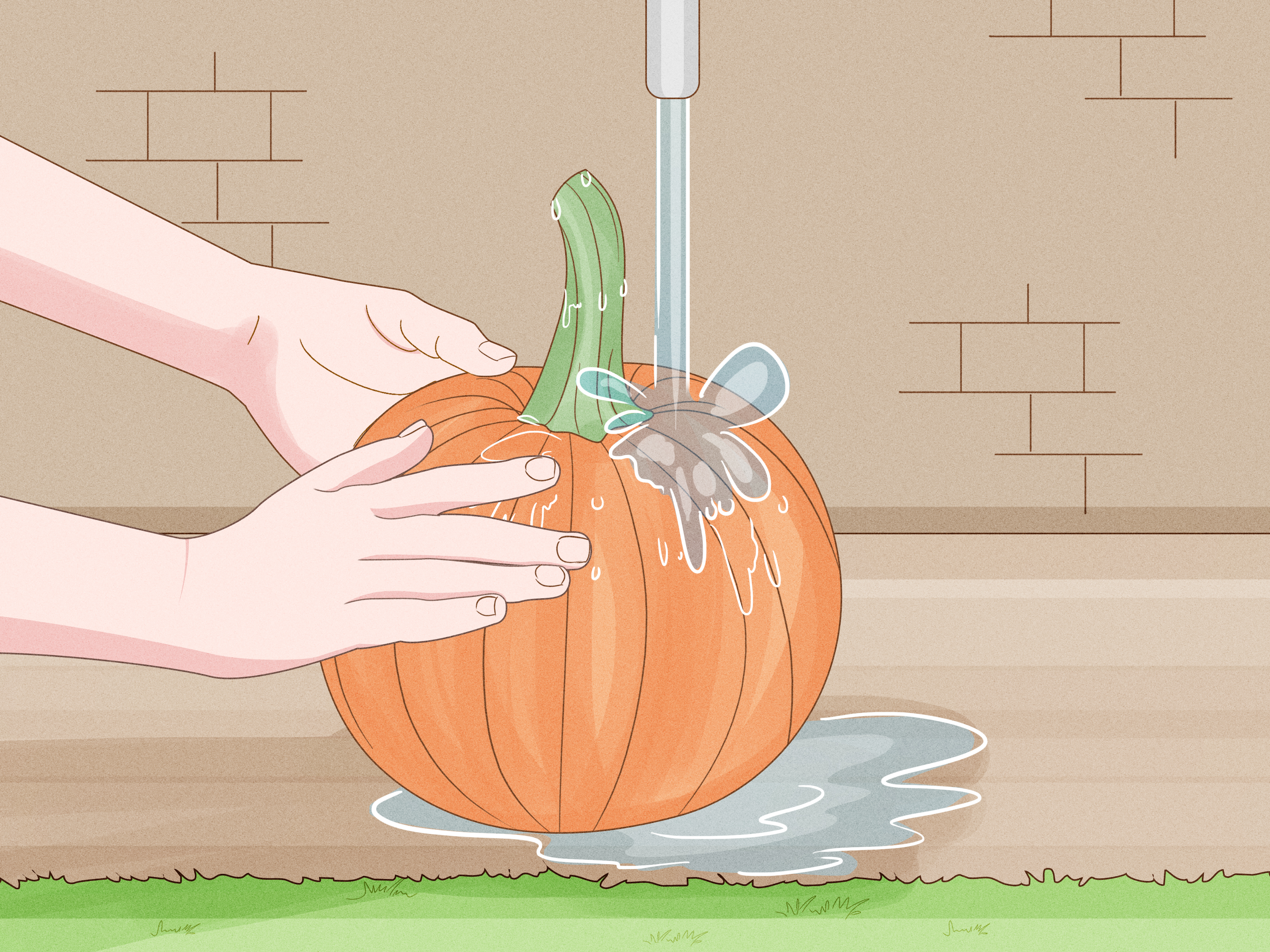
If you’ve ever carved a jack-o’-lantern, baked a pumpkin pie, or ordered a seasonal latte you can’t pronounce, you’ve already met the star of this story: the pumpkin. The fun twist? You don’t have to buy your pumpkins every fall. With just a small packet of seeds and a little know-how, you can grow your own pumpkin patch right in your backyard (or even in a raised bed or big container).
This beginner-friendly guide walks you through everything you need to know about how to plant pumpkin seeds: when to plant, how deep to plant, how far apart to space them, and how to care for your vines so they reward you with glowing orange (or white, or blue!) fruit by fall.
Step 1: Get to Know Your Pumpkin Seeds
Before you toss seeds into the soil and hope for the best, pause for a quick meet-and-greet with your pumpkin varieties. Pumpkin plants come in different sizes, shapes, and personalities, and choosing the right type for your space makes life much easier.
Common pumpkin types for home gardens
- Jack-o’-lantern pumpkins: Medium to large classic orange pumpkins for carving and decorating. These often need 90–110 days to mature.
- Pie or sugar pumpkins: Smaller, sweeter varieties perfect for cooking and baking. They don’t sprawl quite as wildly and are a great choice for modest garden spaces.
- Mini pumpkins: Tiny varieties like ‘Jack Be Little’ are adorable for décor and work well in raised beds or even large containers.
- Giant pumpkins: Varieties bred for size, like ‘Atlantic Giant’ or ‘Big Max,’ can produce enormous fruit but require lots of space, water, and fertilizer.
Check the seed packet for key information: days to maturity, plant spacing, and whether your pumpkin is a vining, semi-bush, or bush type. This lets you match the plant to your available space and climate.
Step 2: Pick the Right Time to Plant Pumpkin Seeds
Pumpkins are warm-season crops that sulk in cold soil and can be badly damaged by frost. If you plant pumpkin seeds too early, they may rot or sit and sulk; plant too late and you might be decorating for Halloween with green pumpkins that didn’t quite finish in time.
Use frost dates and soil temperature as your guide
- Wait until after your last spring frost. Pumpkin seeds should go into the ground only when frost danger has passed.
- Soil should be warm, not just the air. Aim for soil temperatures of at least about 65°F (18°C) at planting depth. Cool, soggy soil = slow or failed germination.
- Count backward from your fall goal. Most pumpkins need around 90–110 days from seeding to maturity. If you want ripe fruit in October, count backward from your target harvest date to decide when to plant.
In many cooler regions, that means sowing seeds outdoors from late May into June. Warmer climates can plant a bit later and still harvest in time for fall. When in doubt, rely on your local frost-date chart and your seed packetthose two are your best scheduling tools.
Starting indoors vs. direct sowing
You have two strategies:
- Direct sowing: The simplest method. Plant pumpkin seeds directly in the garden once the soil has warmed. This avoids transplant shock and is perfect if you have a decently long growing season.
- Starting indoors: In colder climates, you can sow seeds indoors 2–4 weeks before your last frost in biodegradable pots. Once the weather settles and the soil warms, you transplant the whole pot into the garden so the roots stay undisturbed.
For most beginners, direct sowing is easiest. If your growing season is short, starting indoors gives you a helpful head start.
Step 3: Choose the Perfect Spot for Your Pumpkin Patch
Pumpkins are like solar-powered vinesgive them sunlight and space and they’ll happily take over.
Sunlight requirements
Plant pumpkins in full sun, which means at least 6–8 hours of direct sunlight per day. More sun usually equals better growth and more fruit.
Space and layout
This is where many new gardeners underestimate pumpkins. Traditional vining varieties can easily spread 10–20 feet. That’s why many guides recommend giving each plant around 50–100 square feet of room if you’re growing large, vining types.
Common layouts include:
- Hills: Small mounds or spots in the garden where seeds are grouped. Hills are usually spaced 4–8 feet apart, with plenty of room between rows.
- Rows: Seeds are planted along a row, with plants thinned to around 18–36 inches apart depending on the variety, and wider spacing between rows.
- Raised beds or containers: Compact or mini varieties can thrive in raised beds or very large containers (at least 18–24 inches across), especially if you give vines room to spill over the edges or climb a sturdy trellis.
Soil conditions
Pumpkins prefer:
- Well-drained soil that doesn’t stay waterlogged.
- Rich organic matter from compost or well-rotted manure.
- Slightly acidic to neutral pH, roughly in the 6.0–7.0 range.
Avoid planting pumpkins where water pools after heavy rain, in deep shade, or on top of septic systems or leach fields. Those spots are better left alone for many reasonsplant health and human health included.
Step 4: Prepare the Soil for Pumpkin Royalty
Pumpkins are heavy feeders. Think of them as the marathon runners of your vegetable garden: they need a lot of fuel over a long season.
- Clear the area. Remove weeds, old roots, and stones. Your pumpkins don’t like competition.
- Loosen the soil. Use a shovel or garden fork to loosen soil 8–12 inches deep so roots can explore easily.
- Add organic matter. Work in 2–4 inches of compost or aged manure over the planting area. This improves drainage, feeds the soil, and helps pumpkins grow lush, healthy vines.
- Form low “hills.” In heavy or cool soils, create gentle mounds 2–3 feet wide and a few inches high. Hills warm faster in spring and drain better, which pumpkin seeds love.
If you’re gardening in raised beds, you’re already partway there: raised soil warms faster and drains well. Just be sure your bed is large enough and stout enough to handle sprawling vines and heavy fruit.
Step 5: How to Plant Pumpkin Seeds Outdoors (Step-by-Step)
Now for the fun part: actually planting pumpkin seeds. Here’s a simple, beginner-friendly method.
- Make your hills or rows. Space hills about 4–8 feet apart, depending on the variety’s vigor. For rows, follow packet spacing, usually several feet between rows.
- Plant several seeds per spot. In each hill, plant 3–5 seeds arranged in a rough circle. In rows, plant seeds every 6–12 inches.
- Plant at the right depth. Place seeds about 1 inch deep in the soil. Too shallow and they may dry out; too deep and they may struggle to emerge.
- Cover and gently firm. Pull soil back over the seeds and lightly press with your hands to ensure good seed-to-soil contact.
- Water thoroughly but gently. Use a watering can or gentle hose setting to moisten the soil evenly. You want it damp, not muddy.
- Mark your hills or rows. Label the variety and planting date. Future you will be grateful.
With warm soil and consistent moisture, pumpkin seeds usually germinate in about a week, sometimes a bit longer if the weather is cool.
Thinning your seedlings
When seedlings are 2–4 inches tall and have a couple of true leaves, thin them ruthlessly (it’s tough, but necessary). Snip weaker seedlings at soil level, leaving:
- 1–2 strong plants per hill for large vining types, or
- 2–3 plants per hill for smaller or semi-bush types, depending on the recommendations on your seed packet.
Thinning reduces competition and helps remaining plants grow stronger and healthier.
Step 6: Caring for Young Pumpkin Plants
Once your seedlings are up, your main goals are to keep them watered, fed, and relatively unbothered by pests.
Watering wisely
- Consistency is key. Aim to give pumpkins about 1 inch of water per week, more during hot, dry spells.
- Water at soil level. Use soaker hoses, drip irrigation, or careful hand-watering at the base of the plant. Wet leaves invite disease.
- Deep, infrequent watering. It’s better to water deeply a couple of times per week than to sprinkle lightly every day. Deep watering encourages strong root systems.
Mulching
Once the soil has warmed and seedlings are established, add a 2–3 inch layer of straw, shredded leaves, or other organic mulch around the plants. Mulch helps:
- Keep soil moisture more even.
- Suppress weeds.
- Reduce mud splash on leaves and fruit.
Fertilizing
At planting time, your compost gave plants a good start. As the season progresses:
- Early growth: A balanced or slightly nitrogen-leaning fertilizer helps build leafy vines.
- Once flowering starts: Switch to a more balanced or slightly higher phosphorus/potassium fertilizer to support blossoms and fruit development.
Follow label instructions for any fertilizer. More is not always betteroverfeeding can lead to luxurious vines and disappointingly few pumpkins.
Step 7: Flowers, Pollination, and Fruit Set
Pumpkins produce two kinds of flowers: male and female. Understanding who’s who helps explain why you might see flowers but no pumpkins (yet).
- Male flowers: Usually appear first and are attached to long, thin stems.
- Female flowers: Have a tiny baby pumpkin swelling right behind the blossom.
Bees and other pollinators transfer pollen from male to female flowers. If pollination is weakdue to bad weather or low pollinator activitybaby pumpkins may shrivel and drop.
Helping with pollination
If you suspect pollination problems, you can play matchmaker:
- Pick a fresh male flower and remove the petals to expose the pollen-covered center.
- Gently brush the male flower’s center onto the center of an open female flower.
- Repeat with a few female flowers for good measure.
It’s low-tech, oddly satisfying, and can dramatically improve fruit set.
Step 8: Managing Vines, Pests, and Problems
Guiding the vines
As vines grow, gently steer them in the direction you wantaway from walkways and other crops. For small varieties, you can train vines up a strong trellis or fence, using slings or supports for heavy fruit.
Common pumpkin pests and issues
- Squash bugs and cucumber beetles: Check leaves regularly, especially undersides. Handpick bugs, use row covers early in the season, and remove plant debris at the end of the year.
- Squash vine borers: Look for wilting vines and sawdust-like frass near the base. Row covers and timing your plantings can help reduce damage.
- Powdery mildew: White, powdery coating on leaves. Improve air circulation, water at ground level, and remove badly affected leaves.
Healthy, well-watered plants grown in good soil are naturally more resilient, so your earlier prep work really pays off here.
Step 9: When and How to Harvest Your Pumpkins
This is the part where all your careful planning turns into something you can proudly plop on your porch.
Signs your pumpkins are ready
- The rind has reached full color and looks rich and even.
- The skin is hardyou can’t dent it easily with a fingernail.
- The stem starts to turn dry and corky, and the vine may begin to die back.
How to harvest and cure pumpkins
- Use pruners or a sharp knife. Cut pumpkins from the vine, leaving 3–4 inches of stem attached. Don’t carry them by the stem; if it breaks off, the pumpkin won’t store as well.
- Handle gently. Bruises and cuts shorten storage life.
- Cure your pumpkins. Place them in a warm, dry, well-ventilated spot for about 1–2 weeks. This toughens the skin and heals small scratches.
- Store properly. After curing, keep pumpkins in a cool (around 50–55°F), dry place. Checked regularly, they can last for months.
Step 10: Saving Pumpkin Seeds for Next Year
You can save seeds from your favorite pumpkins as long as they’re open-pollinated or heirloom varieties (hybrids won’t grow true to type). Here’s the basic process:
- Choose a fully mature, healthy pumpkin.
- Cut it open and scoop out the seeds.
- Separate seeds from the stringy pulp in a bowl of water; viable seeds usually sink, while empty shells float.
- Rinse the seeds well and spread them in a single layer on a plate or screen.
- Let them dry for about a week in a warm, well-ventilated spot, stirring occasionally so they dry evenly.
- Store completely dry seeds in a labeled envelope or jar in a cool, dark place.
Properly stored pumpkin seeds often remain viable for several years, so you can keep the homegrown pumpkin tradition going.
Real-Life Pumpkin Planting Experiences & Extra Tips (Bonus Section)
Theory is great, but gardening really clicks when you hear what actually happens in real backyards. Consider these experience-based lessons as a friendly chat with future you.
1. The “I Didn’t Realize Pumpkins Were This Big” Lesson
Many first-time gardeners tuck a few pumpkin seeds into a corner of a raised bed and imagine a neat little patch of vines. A few months later, those same vines are exploring the lawn, the neighboring bed, and occasionally the driveway. The takeaway? Plan more space than you think you need. If you’re short on room, choose compact or mini varieties and be ready to gently redirect vines before they get too settled.
One practical trick is to dedicate a “pumpkin runway”an open strip of ground or lawn edge where vines are allowed to roam. Mulch this strip with straw or leaves and guide vines into it early. You still get big pumpkins, but your tomatoes don’t disappear under a pumpkin jungle.
2. The Watering “Goldilocks Zone”
New gardeners often fall into one of two camps: “I water a little every day” or “I water when I remember.” Pumpkins like something in the middledeep, regular watering that allows the top inch or two of soil to dry slightly between sessions. Shallow, frequent watering encourages roots to stay near the surface, making plants more sensitive to heat and drought.
Many gardeners find success by using a simple schedule: one long soak once or twice per week, depending on weather. A soaker hose snaked around the base of plants makes this easy. Put it on a timer, and you’ll spend a lot less time worrying and a lot more time admiring your growing pumpkins.
3. The “Too Much Nitrogen, Not Enough Pumpkins” Problem
Strong, leafy vines look impressive, so it’s tempting to keep feeding high-nitrogen fertilizer all season. But eventually you realize you’ve grown the botanical version of a bodybuilder with no time to competelots of foliage, not much fruit.
Gardeners learn quickly that pumpkins need strong vines and balanced nutrition. Compost at planting plus a couple of light feedings with a balanced or bloom-supporting fertilizer later in the season usually beats constant heavy feeding. If you notice endless vines and leaves but very few pumpkins, ease up on nitrogen and focus on pollination and balanced nutrition instead.
4. Pollination Surprises
One of the most common worries from new pumpkin growers is: “My plant has flowers but no pumpkins!” Usually, the first flush of blooms are mostly male. Female flowers follow later, and only then can real pumpkins form. Experienced gardeners also notice that extreme heat, heavy rain, or smoky air can slow pollinator activity, leading to poor fruit set.
That’s when hand-pollinating becomes a superpower. Spending a few early-morning minutes transferring pollen with a small brush or a picked male flower can double or triple your pumpkin count in a tricky year. It’s simple, oddly fun, and a great kids’ activityplus, they get bragging rights for “helping the pumpkins grow.”
5. Managing Pumpkins in Small Spaces
If you only have a small yard, patio, or side yard, you can still grow pumpkinsyou just have to think vertically and strategically. Gardeners with limited space often:
- Use compact or mini varieties that naturally stay smaller.
- Grow pumpkins at the edge of a raised bed so vines can trail over the side.
- Train vines along a fence or trellis, supporting fruit with fabric slings.
- Use large containers on a sunny patio and let vines spill across the ground.
These approaches won’t give you record-breaking show pumpkins, but they can absolutely give you several carving or cooking pumpkins from a small footprint.
6. End-of-Season Realities
By late summer, pumpkin vines often look a little tiredyellowing leaves, a bit of powdery mildew, maybe some insect damage. Don’t panic. It’s normal for vines to start declining as fruit matures. As long as pumpkins are coloring up and stems are thick and firm, you’re on track.
Many gardeners resist the urge to “clean up” too early. Let pumpkins finish ripening on the vine if possible, then harvest before a hard frost. Once pumpkins are in storage, you can clear vines, compost healthy plant material, and dispose of badly diseased leaves to reduce problems next year.
Conclusion: You’re Ready to Plant Pumpkin Seeds
Learning how to plant pumpkin seeds is less about perfection and more about timing, decent soil, and consistent care. Choose varieties that fit your space, wait for warm soil and frost-free nights, give seeds about an inch of depth and plenty of room, water deeply, and keep an eye on pollination and pests. Do that, and you’re well on your way to homegrown pumpkins you can carve, cook, or simply admire.
And remember: even if your first season isn’t flawless, you’ll walk into fall with more gardening knowledge, a better feel for your local climate, andmost likelyat least a few pumpkins to show off.
meta_title: How to Plant Pumpkin Seeds (Beginner Guide)
meta_description: Learn how to plant pumpkin seeds, from timing and spacing to care and harvest, in this easy beginner’s guide to growing pumpkins.
sapo: Thinking about growing your own pumpkins this year? This beginner-friendly guide shows you exactly how to plant pumpkin seeds for a successful fall harvest. Learn when to plant, how deep and how far apart to sow, how to water and feed your vines, and how to avoid common problems like poor pollination and powdery mildew. Whether you’re working with a big backyard or a small raised bed, you’ll find practical, step-by-step tips and real-life experience so you can turn a handful of pumpkin seeds into a patch full of bright, homegrown pumpkins.
keywords: how to plant pumpkin seeds, planting pumpkin seeds, growing pumpkins from seed, when to plant pumpkin seeds, pumpkin growing guide, beginner pumpkin gardening, pumpkin seed spacing