

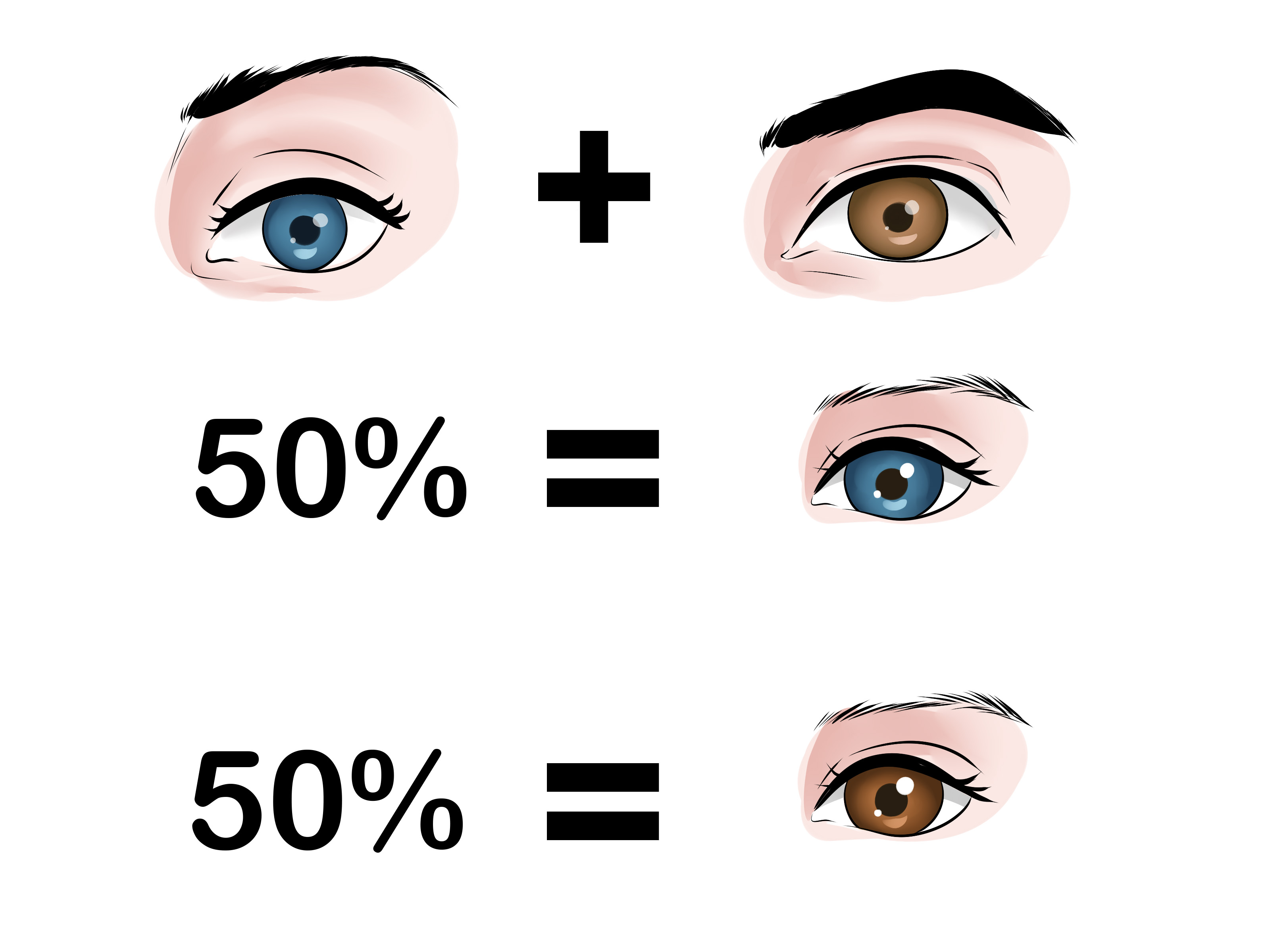
Trying to predict your baby’s eye color is one of those sweet little pre-baby mysteries, right up there with “Will they get Dad’s dimples?” and “Will they inherit Mom’s talent for finding snacks in any room?” While no chart can guarantee the final result, you can make an educated guess by understanding genetics, melanin, family history, and how babies’ eyes change after birth.
Here’s the big truth: baby eye color prediction is not as simple as “brown beats blue.” Eye color is a polygenic trait, meaning several genes work together to influence how much pigment appears in the iris. That is why two brown-eyed parents can sometimes have a blue-eyed child, two blue-eyed parents can have a child with a slightly different shade, and hazel eyes can show up like a plot twist in a family photo album.
This guide walks you through 12 practical steps to estimate your baby’s likely eye color, understand why eye color changes, and know when an unusual change may be worth asking a pediatrician or eye doctor about.
Step 1: Start With the Parents’ Eye Colors
The first step in predicting your baby’s eye color is the obvious one: look at the biological parents’ eyes. Brown, blue, green, hazel, gray, and amber eyes all give clues about the genes a baby may inherit.
In general, brown eyes are associated with more melanin in the iris, while blue eyes have less melanin. Green and hazel eyes usually fall somewhere in the middle, with variations in pigment and light scattering creating those “Wait, are your eyes green today?” moments.
Still, parent eye color is only the starting point. A brown-eyed parent may carry genes linked to lighter eyes, especially if blue, green, or gray eyes appear in the family tree.
Step 2: Check the Grandparents’ Eye Colors
Grandparents matter more than many people realize. Because eye color genes can be passed down quietly for generations, a baby may inherit a combination that resembles a grandparent rather than either parent.
For example, if both parents have brown eyes but each has a blue-eyed parent, the baby may have a higher chance of lighter eyes than a simple brown-versus-blue chart would suggest. Genetics is less like a vending machine and more like a family recipe: ingredients can hide in the pantry for a while before showing up in the cake.
Step 3: Include Siblings in Your Prediction
If the baby already has siblings, their eye colors can offer useful clues. Siblings do not inherit identical gene combinations unless they are identical twins, but patterns in the family can help you estimate possibilities.
If two parents with brown eyes already have one child with blue or green eyes, that suggests both parents may carry genes associated with lighter iris pigment. If all children in the family have dark brown eyes, the chance of another brown-eyed baby may be higher, though still not guaranteed.
Step 4: Understand the Role of Melanin
Melanin is the pigment that helps determine the color of the skin, hair, and eyes. In the iris, more melanin usually means darker eyes. Less melanin allows more light scattering, which can make eyes look blue, gray, or green.
How melanin affects common eye colors
Brown eyes: Usually have a higher amount of melanin in the iris.
Hazel eyes: Often contain a mix of brown, gold, and green tones.
Green eyes: Usually have moderate pigment and light scattering.
Blue or gray eyes: Typically have lower melanin levels in the front layer of the iris.
Newborn babies may have less visible pigment at birth, especially if they are born with lighter eyes. Over time, melanocytesthe cells that produce melaninmay become more active, causing the eyes to darken.
Step 5: Know That Eye Color Is Polygenic
Old-school biology lessons often made eye color sound like a simple Punnett square: brown is dominant, blue is recessive, and that’s the end of the story. Nice and tidy, but not quite accurate.
Researchers have found that eye color is influenced by multiple genes. Two of the most important are commonly associated with melanin production and regulation, but several other genes can also affect the final shade. That means eye color exists on a spectrum, not in three neat boxes labeled brown, blue, and green.
This is why baby eye color calculators can be fun, but they should be treated as estimatesnot tiny crystal balls with Wi-Fi.
Step 6: Use a Basic Eye Color Probability Chart
A simple baby eye color chart can give you a rough prediction. While not perfect, it can help you understand broad patterns.
Common eye color prediction examples
| Parent 1 Eye Color | Parent 2 Eye Color | Likely Possibilities |
|---|---|---|
| Brown | Brown | Brown is common, but blue, green, or hazel may be possible if lighter-eye genes are present. |
| Brown | Blue | Brown, hazel, green, or blue may occur depending on hidden family traits. |
| Blue | Blue | Blue or gray is more likely, though genetics can still create variation. |
| Green | Brown | Brown, hazel, green, or mixed shades are possible. |
| Green | Blue | Blue, green, gray, or hazel may be possible. |
These predictions work best as general guidance. The more you know about your extended family’s eye colors, the better your estimate becomes.
Step 7: Pay Attention to Hazel and Green Eyes
Hazel and green eyes can make prediction trickier because they are not just “middle colors.” Hazel eyes may contain brown, green, and gold tones, while green eyes can vary from soft mossy green to deep olive.
If one or both parents have hazel or green eyes, the baby may inherit a blend of pigment patterns. A baby’s eyes might start out blue-gray and later shift toward green, hazel, or light brown as melanin develops.
In other words, hazel and green eyes are the genetics department’s way of saying, “Let’s keep this interesting.”
Step 8: Remember That Newborn Eye Color May Change
Many babies are born with blue, gray, or dark slate-colored eyes, but that does not always mean the color will stay. Eye color can change as melanin production increases during infancy.
The most noticeable changes often happen during the first 6 to 12 months. Some children continue to have subtle changes into toddlerhood, especially if their eyes are light. Brown eyes at birth are more likely to stay brown, although the shade can still deepen slightly.
If your newborn’s eyes look storm-cloud gray today and honey-hazel six months from now, that can be completely normal.
Step 9: Track Changes Month by Month
To predict your baby’s final eye color after birth, take natural-light photos every month. Avoid using flash because it can distort color and create reflections. A soft window-light photo is usually best.
What to watch for
Look for gradual darkening, golden rings around the pupil, green flecks, or brown spreading through the iris. These small changes may hint at where the final color is heading.
For example, a baby with blue-gray eyes and golden flecks near the pupil may develop hazel eyes. A baby with blue eyes that slowly become deeper and clearer may keep blue eyes. A baby whose eyes steadily turn warmer brown is likely developing more melanin.
Step 10: Do Not Rely on Myths
There are plenty of baby eye color myths floating around, and some are as persistent as glitter after a birthday party.
Common myths to ignore
Myth: All babies are born with blue eyes.
Reality: Many babies are born with brown, dark gray, or other shades, depending on genetics and ancestry.
Myth: A baby’s eye color is final at birth.
Reality: Some babies’ eyes change during the first year as melanin increases.
Myth: Two brown-eyed parents can only have brown-eyed children.
Reality: Lighter eyes can appear if both parents carry certain inherited gene combinations.
Myth: Sunlight decides eye color.
Reality: Genetics drives the process. Normal light exposure may coincide with pigment development, but you should never expose a baby’s eyes to strong sunlight to “change” color.
Step 11: Know When to Ask a Doctor
Most baby eye color changes are harmless and gradual. However, certain signs should be checked by a pediatrician or pediatric eye specialist.
Call a healthcare provider if one eye changes color suddenly, if the eyes look cloudy, if one pupil appears white in photos, if the baby seems unusually sensitive to light, or if there is redness, swelling, or discharge. Different-colored eyes, known as heterochromia, can be harmless and genetic, but a doctor can help rule out medical causes when needed.
Eye color is fun to predict, but eye health always gets the VIP seat.
Step 12: Accept the Surprise Factor
Even with careful family research, eye color prediction is still an estimate. Your baby’s final eye color depends on a complex mix of inherited genes, melanin production, and iris development.
That means your prediction may be close, partly right, or hilariously wrong. You may expect brown and get hazel. You may expect blue and get gray-green. You may spend months debating whether the baby’s eyes are “ocean blue” or “stormy blueberry,” only for them to become warm brown by their first birthday.
The best approach is to enjoy the mystery. Predicting baby eye color is a sweet family activity, not a medical certainty.
Helpful Examples of Baby Eye Color Prediction
Example 1: Two brown-eyed parents with blue-eyed grandparents
Suppose both parents have brown eyes, but each has one blue-eyed parent. In this case, the baby may still be likely to have brown eyes, but blue or lighter eyes are possible because both parents may carry genes associated with lighter pigmentation.
Example 2: One blue-eyed parent and one hazel-eyed parent
This pairing may produce blue, green, hazel, or light brown eyes. Hazel eyes often suggest a mix of pigment influences, so the baby’s final color may not be obvious at birth.
Example 3: Two blue-eyed parents
A baby born to two blue-eyed parents is more likely to have blue or gray eyes, but subtle variations can occur. The baby’s eyes might look bright blue, slate gray, or blue-green depending on pigment and light scattering.
What Color Will My Baby’s Eyes Be?
The most honest answer is: you can predict a range, not a promise. If both sides of the family have mostly brown eyes, brown is more likely. If both sides have blue, green, or gray eyes, lighter eyes become more likely. If the family tree includes a mix of brown, hazel, green, and blue, congratulationsyou have entered the genetic mystery zone.
For many families, the final color becomes clearer around the baby’s first birthday. Until then, enjoy watching the tiny changes. Baby eyes have a way of making even sleep-deprived parents stop and stare for a second.
Extra Experience: What Parents Often Notice When Predicting Baby Eye Color
Many parents begin guessing their baby’s eye color long before the baby arrives. It often starts during pregnancy, when relatives begin offering confident predictions based on family resemblance. Grandma may insist the baby will have “the family brown eyes.” An aunt may point out that blue eyes skipped a generation. Someone will probably bring up a cousin with green eyes as if presenting evidence in a courtroom. This is part science, part family folklore, and part very charming chaos.
In real life, the prediction process usually becomes more interesting after birth. A newborn’s eyes may look dark, smoky, blue-gray, or almost black depending on lighting. Parents often check the baby’s eyes near a window, then check again under a nursery lamp, then check again in a photo, as if the iris is sending secret updates. The funny thing is that all three views can look different. Lighting, camera settings, and even the baby’s pupil size can change how the color appears.
One helpful experience many parents share is taking monthly photos in similar lighting. This creates a simple visual timeline. At one month, the eyes may look gray-blue. At three months, little golden flecks may appear. At six months, the center of the iris may look warmer. By nine or twelve months, the color may feel much more settled. This method will not predict the future perfectly, but it helps parents notice gradual changes they might otherwise miss.
Parents with hazel-eyed babies often report the most debate. Hazel eyes can look brown indoors, green outdoors, and golden in photos. A baby with hazel eyes may inspire the entire family to become amateur color analysts. “They’re green!” “No, they’re brown!” “Actually, they’re kind of caramel-olive.” Everyone is correct, and also everyone needs coffee.
Another common experience is surprise. Parents may expect a baby to match one parent exactly, only to see a shade that resembles a grandparent or sibling. This can feel magical because eye color becomes a visible reminder of family history. A baby may inherit Dad’s smile, Mom’s hairline, and Grandpa’s gray-blue eyes. Genetics loves a remix.
It is also worth remembering that prediction should stay fun, not stressful. Eye color does not affect a baby’s personality, intelligence, sweetness, or future ability to throw peas dramatically from a high chair. Whether your baby’s eyes become brown, blue, green, hazel, gray, amber, or a shade that deserves its own paint sample, the final result is simply one beautiful detail in a much bigger story.
The best experience-based advice is simple: make your prediction, write it down, take photos, and enjoy the reveal. Your baby’s eyes may change slowly, quickly, or hardly at all. Either way, you get front-row seats to one of the earliest little transformations of childhood.
Conclusion
Predicting your baby’s eye color is part genetics lesson, part family detective work, and part adorable guessing game. The most important clues are the biological parents’ eye colors, the grandparents’ traits, sibling patterns, and how much melanin develops in the baby’s iris over time. Brown eyes are generally linked to more melanin, blue and gray eyes to less, and green or hazel eyes to a more complex blend of pigment and light scattering.
Still, no baby eye color calculator can promise a perfect answer because eye color is controlled by multiple genes. Your best prediction is a range of possibilities, not a guarantee. Watch for gradual changes during the first year, take photos in natural light, and talk with a healthcare provider if you notice sudden changes, cloudiness, or unusual reflections.