

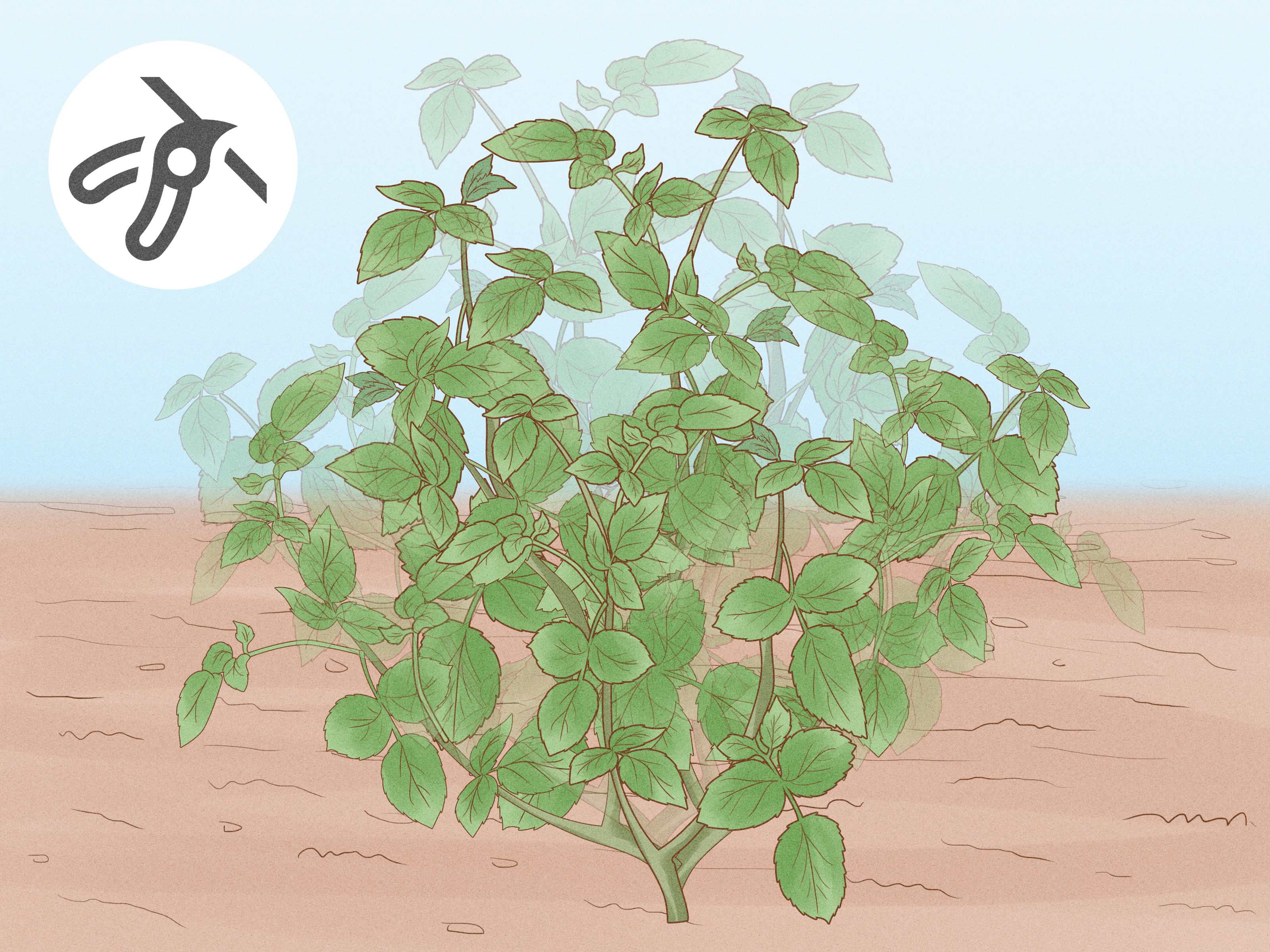
Pruning roses in winter is one of those gardening jobs that looks dramatic, feels slightly reckless, and somehow ends with better flowers. It is the plant equivalent of a good haircut: a little nerve-racking in the moment, but worth it when spring shows up looking fabulous. If your rose bush currently resembles a thorny octopus with opinions, do not panic. With the right timing and a few simple cuts, winter rose pruning can improve air circulation, reduce disease pressure, shape the plant, and encourage stronger canes and better blooms.
The trick is not just cutting. It is cutting at the right time, in the right place, and with the right level of restraint. Roses are forgiving, but they still appreciate a gardener who knows the difference between “refreshing trim” and “botanical chaos.” In this guide, you will learn exactly how to prune roses in winter, which types need special treatment, what mistakes to avoid, and how to set your plants up for a long season of healthy, beautiful flowers.
Why Winter Rose Pruning Matters
Winter pruning is more than cosmetic. It helps remove dead, damaged, diseased, and weak canes before the plant pours energy into spring growth. It also opens the center of the bush so sunlight and air can move through the plant more easily. That matters because crowded canes and poor airflow are basically a standing invitation for common rose problems.
Good pruning also helps direct the shape of the plant. Instead of a crowded tangle of stems, you are encouraging a stronger framework that can support healthier growth and more impressive blooms. On many modern repeat-blooming roses, winter pruning stimulates vigorous new growth that will produce the season’s flowers. In plain English: fewer scraggly canes, more rose magic.
When to Prune Roses in Winter
The best time to prune most roses is in late winter or very early spring, while the plant is still dormant or just as buds begin to swell. This timing is important. Prune too early in fall, and you may trigger tender new growth that gets zapped by cold weather. Prune too late, and you may slow the plant down or remove growth it has already invested in.
For many gardeners, the sweet spot comes near the end of winter, when the harshest cold has mostly passed but before the rose is actively leafing out. In colder regions, that might be late February through April. In milder climates, it may happen earlier. Let your weather and your plant guide you more than the calendar. Swelling buds and visible live wood are your green lights.
There is one important exception: once-blooming climbers, ramblers, and many old garden roses should not be pruned hard in winter because they flower on old wood. If you cut them back during dormancy, you may prune away the coming season’s flowers. Those types are usually pruned right after they finish blooming.
Tools You Need Before You Start
You do not need a truck full of gadgets to prune roses, but you do need the right basics:
Essential Rose Pruning Tools
- Bypass hand pruners: Best for clean cuts on smaller canes.
- Loppers: Useful for thicker, woodier canes that laugh at hand pruners.
- Heavy gloves: Roses are beautiful, but they are not above violence.
- Disinfectant: Rubbing alcohol or another sanitizer helps reduce disease spread.
- Long sleeves: Optional in theory, wise in practice.
Sharp, clean tools matter. Dull blades crush canes instead of slicing them cleanly, which makes healing harder for the plant. Clean tools also reduce the risk of moving disease from one stem to another.
How to Prune Roses in Winter: Step by Step
1. Start by Inspecting the Plant
Stand back and look at the whole rose bush before making your first cut. Notice its overall shape, height, and the number of strong canes. Look for dead tips, crossing branches, thin twiggy growth, and crowded areas in the center. This quick assessment helps you prune with a plan instead of entering the bush like a confused hedge trimmer.
2. Remove Dead, Damaged, and Diseased Wood First
This is always the first real step. Dead canes are usually dark brown, black, shriveled, or dry inside. Healthy wood is green beneath the bark and often has a white pith in the center when cut. Remove winter-killed canes, storm-damaged stems, and obviously diseased growth back to healthy tissue or all the way to the base if needed.
3. Cut Out Weak and Crowded Growth
Next, remove canes that are thinner than a pencil, rubbing against each other, growing toward the center, or lying awkwardly across the bush. These stems often create congestion without contributing much bloom quality. The goal is not to leave the plant bare. It is to leave the best canes in place.
4. Create an Open, Balanced Shape
For many bush roses, a vase-like shape works well. That means keeping the center relatively open and encouraging growth outward instead of inward. Good airflow and light penetration help reduce disease pressure and keep the plant from turning into a thorny traffic jam by June.
On hybrid teas and similar modern roses, gardeners often keep three to seven strong canes, depending on the size and vigor of the plant. On shrub and landscape roses, the pruning is often lighter. Think selective thinning and shaping rather than a dramatic buzz cut.
5. Make Each Cut in the Right Place
Make pruning cuts about 1/4 inch above an outward-facing bud. A slight 45-degree angle is a common recommendation, with the cut slanting away from the bud. This encourages new growth to head outward, helping maintain that open shape.
If you are cutting a cane back, continue until you reach healthy tissue. Avoid leaving dead stubs behind. Stubs do not help the plant, and they can become entry points for trouble later.
6. Adjust the Severity Based on Rose Type
This is where many gardeners go wrong. Not all roses want the same haircut.
Hybrid Tea, Floribunda, and Grandiflora Roses
These modern repeat-blooming roses can usually take more aggressive winter pruning. If you want larger flowers on longer stems, prune more deeply. If you want more flowers overall, prune less severely and leave a bit more height. A common home-garden range is roughly 12 to 24 inches, depending on climate, plant vigor, and your goals.
Shrub and Landscape Roses
These are usually easier and less fussy. Remove dead wood, thin crowded growth, and shape the plant by reducing height by about one-third to one-half if needed. Many landscape roses bloom on new growth and respond well to moderate pruning, but they generally do not need the hard pruning often used on hybrid teas.
Climbing Roses
Climbers are a special case. The main long canes are the framework, and the side shoots often carry the flowers. On repeat-blooming climbers, winter pruning usually means removing dead wood, renewing a few old canes if needed, and shortening lateral shoots. On young climbers, avoid cutting the main canes short before they reach the size and structure you want.
Once-Blooming Old Garden Roses and Ramblers
Go easy. These often bloom on old wood, which means winter pruning can remove the very stems that would carry spring flowers. For these types, save major pruning for after blooming.
7. Clean Up the Area
After pruning, gather and remove fallen leaves, clipped canes, and other debris from around the base of the plant. This simple cleanup can help reduce carryover of pests and disease. Think of it as taking out the botanical trash before it starts causing drama.
8. Finish With Basic Aftercare
Once pruning is complete, mulch around the plant to help regulate soil temperature and retain moisture, but keep mulch away from the crown. If your area commonly deals with overwintering pests or fungal issues, follow local extension guidance for any dormant oil or preventive sprays. As spring growth begins, feed and water according to the needs of your rose type and climate.
Common Winter Rose Pruning Mistakes to Avoid
Pruning Too Early in Fall
Hard pruning in fall can stimulate fresh growth that is vulnerable to winter damage. Light cutting for wind protection is one thing; major pruning is another. Save the big cuts for late winter or very early spring.
Ignoring Rose Type
If you treat every rose like a hybrid tea, some of them will forgive you and some of them will hold a grudge all spring. Always know whether your rose is repeat-blooming, once-blooming, shrub-form, or climbing.
Leaving the Center Too Crowded
Dense interior growth limits airflow and light, which makes it easier for disease to settle in. If the center of the bush looks like rush hour traffic, remove a few more canes.
Using Dull or Dirty Tools
Crushed stems and dirty blades are not a great gift to your roses. Clean cuts heal better, and sanitized tools are a smart habit.
Being Too Timid
Many gardeners freeze at the first cut. Roses, thankfully, are tougher than they look. Thoughtful pruning is helpful, not harmful. If you remove dead wood, weak canes, and congestion while keeping a balanced structure, you are already doing a lot right.
A Quick Winter Pruning Cheat Sheet
- Best time: Late winter to early spring, while dormant or just as buds swell.
- First cuts: Remove dead, diseased, damaged, and crossing canes.
- Cut location: About 1/4 inch above an outward-facing bud.
- Cut angle: Slight angle, usually around 45 degrees.
- Weak growth: Remove thin canes, especially anything pencil-thin or smaller.
- Goal shape: Open center with strong, well-spaced canes.
- Big exception: Once-blooming climbers and many old roses are pruned after flowering, not in winter.
What Healthy Rose Pruning Looks Like by Spring
After a good winter pruning session, your rose may look smaller, simpler, and slightly offended. That is normal. What you want to see next is buds swelling on healthy wood, new canes developing in a balanced pattern, and growth that moves outward instead of tangling inward. By late spring and summer, a well-pruned rose should have stronger stems, better airflow, fewer awkward dead tips, and blooms that are easier to admire without crawling into a thorn maze.
Pruning does not guarantee perfection, because gardening never signs that contract. Weather, variety, disease pressure, and site conditions all matter. But proper winter rose care gives your plant a stronger start, and that alone improves your chances of lush, healthy, beautiful blooms.
Winter Rose Pruning Experiences and Lessons From Real Gardens
One of the most common experiences gardeners have with winter rose pruning is simple hesitation. The bush still has structure, the canes look important, and every cut feels permanent. Then spring arrives, the plant leafs out, and the gardener realizes the rose was not ruined at all. In fact, it often looks better than it has in years. That is the funny thing about roses: they can make you feel like an amateur for five minutes and then reward you like you knew exactly what you were doing all along.
Another frequent lesson comes from overgrown roses that have been ignored for a season or two. These plants often look intimidating at first because they are packed with crossing canes, dead twiggy growth, and old stems that have clearly retired but forgot to leave. Once gardeners begin with the obvious cuts, though, the job gets easier fast. Removing dead wood reveals the real framework. Thinning weak interior growth creates space. Suddenly the bush is not a monster; it is a puzzle, and the solution is surprisingly logical.
Gardeners in cold climates often notice how much winter damage varies from year to year. After a mild winter, roses may need only modest cleanup. After a rough winter, there may be far more dieback than expected, especially on modern varieties. That experience teaches an important point: pruning is not a rigid formula. It is a response to what the plant actually went through. The same rose may need a light shaping one year and a much harder correction the next.
There is also a big difference between pruning for exhibition-style blooms and pruning for a full landscape display. Some gardeners learn this the hard way. A heavily pruned hybrid tea may reward you with fewer but larger, longer-stemmed flowers. A more moderate pruning can give you more blooms overall, even if they are a bit smaller. After a season or two, many people stop asking, “What is the one right way?” and start asking, “What kind of rose display do I want in this space?” That is a much better question.
Climbing roses offer their own education. New rose growers are often tempted to shorten every long cane because it feels tidy. Later they discover that those long canes were the framework for future flowers. Experienced gardeners become more patient with climbers. They train, tie, and selectively remove old wood instead of cutting everything back the same way they would a bush rose. It is a shift from controlling the plant to collaborating with it.
Perhaps the most reassuring experience of all is realizing that roses recover. A less-than-perfect cut, a slightly uneven shape, or a pruning session that felt clumsy in the moment rarely ends in disaster. Roses are resilient. As gardeners gain experience, they begin to notice the patterns: where healthy buds form, which canes are worth keeping, how different varieties respond, and how much cleaner and stronger the plant looks after a thoughtful winter prune. That confidence builds season by season. Before long, winter pruning becomes less of a nerve test and more of a ritualthe quiet, slightly thorny beginning of another blooming year.
Conclusion
If you want healthy, beautiful rose blooms, winter pruning is one of the best things you can do. Time it for late winter or early spring, remove dead and weak growth first, prune to outward-facing buds, and tailor your cuts to the type of rose you are growing. Keep the center open, clean up thoroughly, and resist the urge to overcomplicate the process. Roses may be famous for drama, but pruning them does not have to be dramatic. With a little practice, you can turn a thorny winter chore into the first smart move of a spectacular bloom season.