

A broken drain snake is one of those household problems that feels unfairly dramatic. You started with a slow sink, a stubborn tub, or a suspiciously quiet floor drain. You grabbed a plumbing snake like a responsible adult. Then the cable snapped, jammed, kinked, or disappeared into the pipe like it owed the drain money. Now the clog is still there, the tool is broken, and your plumbing has become a tiny underground hostage situation.
The good news: removing a broken drain snake is sometimes possible without tearing open a wall or digging up the yard. The less fun news: if the cable is deep in the line, tangled in roots, wrapped around a fitting, or stuck beyond a cleanout, this can become a professional job quickly. The trick is knowing what to try, what not to force, and when to stop before a $30 tool turns into a $3,000 plumbing opera.
This guide explains how to remove a broken drain snake safely, how to diagnose where it is stuck, which tools may help, and when to call a licensed plumber. We will keep things practical, calm, and only slightly sarcasticbecause plumbing already provides enough drama.
What Is a Drain Snake, and Why Does It Break?
A drain snake, also called a plumbing snake, drain auger, or plumber’s auger, is a flexible metal cable designed to travel through drainpipes and break up or pull back clogs. Hand snakes are common for bathroom sinks, tubs, showers, and small kitchen drain clogs. Larger drum augers and sewer machines are used for tougher blockages, longer drain lines, grease buildup, tree roots, and main sewer line problems.
Drain snakes usually break because the cable is forced beyond what it can handle. That might happen when the cable hits a hard obstruction, catches on a sharp bend, twists around itself, binds inside a P-trap, or gets wedged in roots. Old cables can also snap if they are rusty, kinked, or weakened from past use. Think of the cable like a metal noodle with ambition: flexible, useful, but not immortal.
First Rule: Stop Pulling Like You Are Starting a Lawnmower
If the snake breaks or gets stuck, stop using force immediately. Hard pulling can make the cable dig deeper into the clog, damage older pipes, crack brittle fittings, or turn a recoverable cable into a lost cause. If the cable is still attached to the drum or handle, do not keep feeding more cable into the drain. If part of the cable is sticking out, do not yank it with locking pliers like you are arm-wrestling the house.
Instead, pause and figure out what you are dealing with. Is the broken drain snake visible at the drain opening? Is it stuck under a sink trap? Did it break in a tub overflow? Is it somewhere in the main sewer line? The closer the broken cable is to an accessible opening, the better your odds.
Safety Gear and Tools You May Need
Before you begin, put on heavy work gloves, safety glasses, and old clothes. Drain cleaning is not a white-shirt activity unless your goal is emotional growth through regret. Avoid thin fabric gloves around powered drain machines because spinning cable can grab loose material. If you are working with a manual cable, strong rubber or leather gloves can protect your hands from sharp wire, bacteria, and mystery sludge.
Useful tools include:
- Bucket or shallow pan
- Needle-nose pliers
- Locking pliers
- Slip-joint pliers or channel-lock pliers
- Pipe wrench for metal traps
- Flashlight or headlamp
- Wet/dry vacuum
- Small inspection mirror
- Drain retrieval claw or grabber tool
- Magnet tool, if the snake fragment is magnetic and reachable
- Replacement washers for the P-trap, if needed
For deeper problems, a plumber may use a sewer camera, locating equipment, a larger retrieval auger, hydro jetting equipment, or pipe access tools. Homeowners can rent some of this equipment, but rented power augers can cause injuries or pipe damage when used incorrectly. Confidence is great; uncontrolled rotating steel is less charming.
Step 1: Identify Where the Broken Snake Is Stuck
Start by asking a simple question: where did the cable enter the plumbing? The removal method depends heavily on the access point.
Bathroom sink
If the snake went into a bathroom sink drain, the broken cable may be in the pop-up assembly, P-trap, or branch drain behind the wall. This is usually one of the more homeowner-friendly situations because the trap under the sink can often be removed.
Kitchen sink
A kitchen sink may have a P-trap, garbage disposal, dishwasher connection, and grease buildup. If the cable broke near the trap, you may be able to remove the trap and retrieve it. If it traveled into the wall line, the job becomes trickier.
Bathtub or shower
Tubs are sneaky. A snake inserted through the drain opening may hit the trap quickly. A snake inserted through the overflow opening may travel farther, but it can still bind around tight bends. If it broke inside the tub trap, access may require removing an access panel or opening a wall or ceiling below.
Toilet
A regular drain snake should not be the first choice for a toilet. Toilets need a closet auger, which is designed to protect porcelain and travel through the toilet trap. If a snake breaks inside a toilet, you may need to pull the toilet to access the trapway or flange.
Main sewer line
If the cable broke in a main sewer line, especially after encountering roots or a heavy blockage, this is usually a professional situation. Main lines can be long, dirty, and expensive to damage. Multiple drains backing up at once is a strong sign the issue is beyond a single fixture.
Step 2: Try Gentle Reverse Rotation
If the broken drain snake is still attached to the handle or drum, tighten the thumbscrew or cable lock so the drum grips the cable. Then rotate the drum in reverse while slowly pulling back. The goal is to unwind the cable from whatever it caught. Move patiently. A few inches of progress is still progress.
If the cable feels springy, it may be twisted around itself. Push forward slightly, then reverse again while pulling gently. This push-and-back motion can sometimes free a cable stuck at a bend or clog. Do not keep cranking if the cable starts kinking outside the drain. A kinked cable is weaker and more likely to snap completely.
Step 3: Remove the P-Trap When Possible
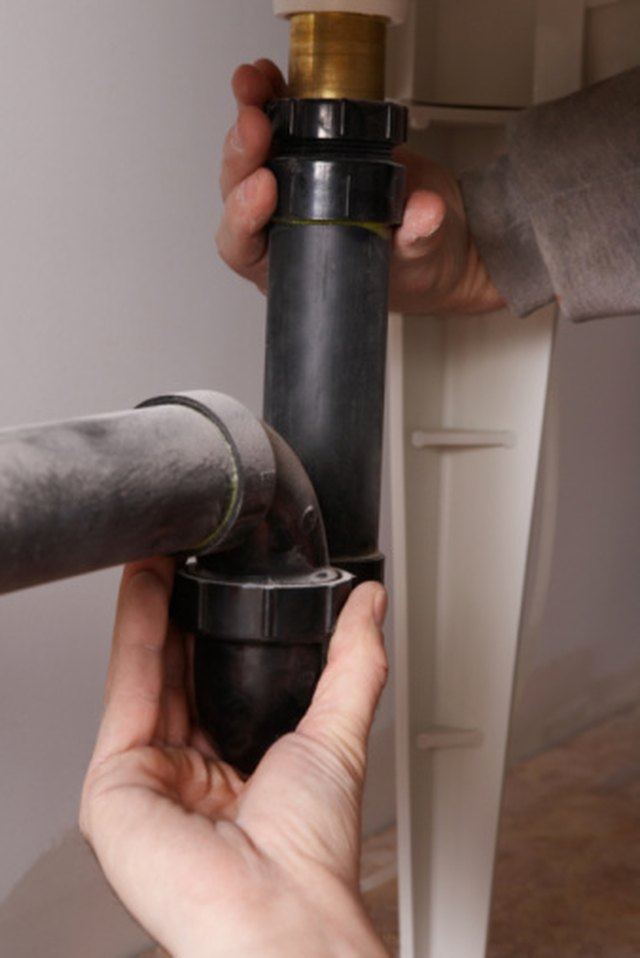
For sink drains, the P-trap is your best friend, even though it is shaped like a plumbing question mark. Place a bucket under the trap before loosening anything because water will come out. If the trap is plastic, you may be able to loosen the slip nuts by hand. If it is metal, use pliers gently to avoid crushing or deforming the fittings.
Once the trap is removed, look inside it for the broken cable. If the cable is in the trap, use pliers to pull it out slowly. If the cable continues into the wall pipe, you now have better access to the branch line. Try rotating the exposed cable in reverse while pulling straight back. Keep your movements controlled and steady.
Do not reinstall a damaged trap. If washers are cracked, nuts are stripped, or metal parts are corroded, replace them. A leaking trap after a clog repair is plumbing’s way of saying, “Surprise, we are not done yet.”
Step 4: Use Pliers Only on Exposed Cable
If part of the broken snake is visible at the drain opening, grab it with locking pliers or needle-nose pliers. Pull straight, not sideways. Sideways force can scrape the drain opening, damage threads, or wedge the cable harder against the pipe wall.
If the cable moves a little and stops, do not escalate into a full-body tug-of-war. Rotate counterclockwise, push forward a fraction of an inch, then pull back again. Small movements can loosen a cable that is hooked on hair, scale, rust, or a fitting edge.
Step 5: Try a Retrieval Tool
If the broken drain snake is not visible but is close to the opening, a retrieval claw may help. These flexible grabber tools have small claws that open and close at the end. Feed the tool gently into the drain, feel for the cable, close the claw, and withdraw slowly.
A magnet may help only if the snake fragment is magnetic, close enough to reach, and not buried in greasy debris. Many drain snake cables are steel, but a magnet is not magic. It will not pull a cable around several bends like a superhero with plumbing credentials.
Step 6: Use a Wet/Dry Vacuum for Loose Fragments
If the broken piece is small, loose, and near the drain opening, a wet/dry vacuum may help. Set the vacuum for wet pickup, create as tight a seal as possible around the drain, and try short bursts of suction. This is more likely to work for loose debris or a small broken tip than for a long cable wedged in a pipe.
Never use a regular household vacuum on a drain. That is how you turn one problem into two problems and make your vacuum smell like a swamp with electrical issues.
Step 7: Access the Cleanout
If the snake is stuck farther down the line, look for a cleanout. A cleanout is a capped pipe fitting that provides access to the drain or sewer line. You may find one under a sink, in a basement, in a crawl space, outside near the foundation, or along the main sewer line.
Opening a cleanout can relieve pressure and provide another angle for retrieval. However, use caution. If the line is backed up, wastewater may come out when the cap is removed. Place a bucket nearby, wear protective gear, and open the cap slowly. If you suspect a main sewer backup, calling a plumber is the cleaner and wiser choice.
Step 8: Do Not Pour Chemical Drain Cleaner on the Problem
Chemical drain cleaners are tempting because they promise action without tools. But when a metal cable is stuck in the drain, harsh chemicals can make the job more dangerous. They may splash when you remove the trap, expose you to fumes, or sit in the pipe without solving the mechanical problem. They can also be rough on certain older pipes and finishes.
Mechanical problems usually need mechanical solutions. A broken drain snake is not a chemistry exam; it is a retrieval problem.
Step 9: Know When to Call a Plumber
Call a licensed plumber if the cable is deep in the drain line, stuck in the main sewer, wrapped in roots, broken beyond reach, or preventing multiple drains from working. Also call if you smell sewer gas, see wastewater backing up, have older cast iron or clay pipes, or cannot locate a cleanout.
A plumber may use a sewer camera to locate the exact position of the broken snake. This matters because guessing can lead to unnecessary wall cuts, floor damage, or excavation. If the cable is tangled in roots or a collapsed pipe, the plumber may need to retrieve it with specialized equipment, cut into the line, hydro jet the blockage, or repair the damaged section.
Professional help is not admitting defeat. It is recognizing that the pipe has entered its villain era.
Common Mistakes That Make a Broken Drain Snake Worse
Forcing the cable forward
If the cable is stuck, feeding more cable into the pipe can create loops and knots. Once a snake doubles back on itself, removal becomes much harder.
Using the wrong snake
A small hand snake may not work well in a large sewer line, while a heavy machine auger can damage small fixture drains if used aggressively. Toilets need toilet augers, not random cables shoved into porcelain.
Snaking through tight traps
P-traps are tight curves. A snake can pass through some traps, but it can also bind. Removing the trap and accessing the branch line directly is often smarter for sinks.
Ignoring pipe material
Old galvanized, cast iron, clay, and fragile plastic lines need caution. A stuck cable may be a symptom of corrosion, broken pipe, heavy scale, roots, or a poor fitting.
Skipping inspection after retrieval
Even if you remove the broken snake, the original clog may still be there. Flush the line with water and test nearby fixtures. If the drain is still slow, the blockage needs more attention.
How to Prevent a Drain Snake From Breaking Again
The best way to remove a broken drain snake is to avoid breaking one in the first place. Use the right tool for the job, feed the cable slowly, rotate gently when you meet resistance, and never force the cable around bends. Remove sink traps when practical. Use a closet auger for toilets. Clean and dry your snake after use to prevent rust. Replace kinked or corroded cables before they fail inside your plumbing.
Also, remember that not every clog is a DIY clog. Hair and soap scum near a shower drain are usually manageable. Tree roots in a sewer line are a different beast. Grease buildup deep in a kitchen branch line may need professional cleaning. A collapsed pipe will not be impressed by your enthusiasm.
What If Only the Snake Tip Broke Off?
If only the corkscrew tip or cutter head broke off, the removal plan depends on where it landed. If it is near the fixture drain, you may retrieve it with a grabber, magnet, pliers, or trap removal. If it broke in a sewer line, a plumber may try to snag it with a retrieval head or locate it with a camera.
Do not assume a small broken tip can stay in the pipe harmlessly. It can catch hair, paper, grease, and debris, creating a new clog. It can also lodge in roots or damaged pipe. If water flow is poor after the break, treat the fragment as part of the blockage.
Can You Leave a Broken Drain Snake in the Pipe?
Leaving a broken drain snake in the pipe is rarely a good idea. A metal cable can trap debris, rust over time, and worsen clogs. In a main sewer line, it may interfere with future cleaning equipment or snag on roots. In small fixture drains, it may block flow or cause repeated backups.
If a plumber determines the fragment is unreachable without major demolition and the drain flows properly, they may discuss options based on risk, pipe condition, and location. But as a general homeowner rule, retrieve the snake if it can be retrieved safely.
Real-World Experience: What This Problem Usually Looks Like
In real homes, a broken drain snake usually starts with one innocent sentence: “I’ll just clear this clog real quick.” Famous last words, right up there with “This furniture assembly should take ten minutes.” The most common scenario is a bathroom sink or tub that has been draining slowly for weeks. Hair, soap, shaving cream, toothpaste, and mineral buildup create a sticky clog. The homeowner feeds in a small hand snake, feels resistance, cranks harder, and suddenly the cable will not come back.
One practical lesson is that resistance does not always mean “push harder.” Sometimes resistance means the cable has hit the clog. Sometimes it means the snake is at a bend. Sometimes it means the cable is starting to coil inside the pipe like a metal pretzel. A calm hand beats brute force. The best results usually come from feeding a little, rotating a little, pulling back a little, and repeating. Drain cleaning is more like fishing than drilling for oil.
Another common experience involves sink traps. Many people try to snake straight through the sink opening without removing the pop-up stopper or P-trap. That can work for a shallow clog, but it also makes the cable travel through tight, awkward turns. Removing the trap is messier at first, but it often makes the job easier and safer. Put a bucket underneath, loosen the nuts, dump the trap, and suddenly you have direct access to the branch drain. It is not glamorous, but neither is standing in ankle-deep shower water contemplating your life choices.
Homeowners also learn quickly that the type of snake matters. A thin plastic hair remover is great for pulling gunk from a bathroom sink or shower. A hand drum auger can reach farther into a branch line. A toilet auger protects the bowl and handles the toilet’s built-in trap. A sewer machine is for serious lines and serious operators. Using the wrong tool can scratch porcelain, kink cable, miss the clog, or wedge the cable in a fitting.
When a cable breaks in a main sewer line, the experience becomes more serious. Tree roots, offsets, collapsed clay pipe, and heavy grease can trap a cable so tightly that normal pulling will not work. At that point, a camera inspection is often the smartest money spent. It helps identify whether the snake is stuck in roots, a broken fitting, a belly in the line, or a damaged pipe. Without a camera, you are guessing underground, and underground guesses are rarely cheap.
The biggest experience-based tip is simple: stop early. If the snake is not moving, if the cable is twisting outside the drain, if multiple drains are backing up, or if you feel like you need heroic strength, pause and reassess. Plumbing rewards patience and punishes ego. A broken drain snake can sometimes be removed with basic tools, but forcing it can make retrieval harder, damage pipes, or turn a manageable clog into a major repair.
Conclusion
Removing a broken drain snake starts with restraint. Stop forcing the cable, identify where it is stuck, and try gentle reverse rotation. If the snake is in a sink line, remove the P-trap and retrieve the cable from the most direct access point. If the broken piece is visible, use pliers carefully. If it is close but hidden, try a grabber tool, magnet, or wet/dry vacuum. If the cable is deep in the line, stuck in a main sewer, or wrapped in roots, call a licensed plumber before the situation escalates.
A broken drain snake is frustrating, but it is not the end of the world. Treat it like a mechanical retrieval problem, not a strength contest. Use the right tool, respect the pipe, avoid chemical drain cleaners, and know when professional equipment is worth it. Your drain may be stubborn, but with the right approach, you can avoid turning a small clog into a full plumbing saga.
SEO Tags
Note: This article is written for general homeowner education. If the broken snake is deep in the line, connected to a sewer backup, or stuck in older or damaged pipes, contact a licensed plumber before attempting further removal.