

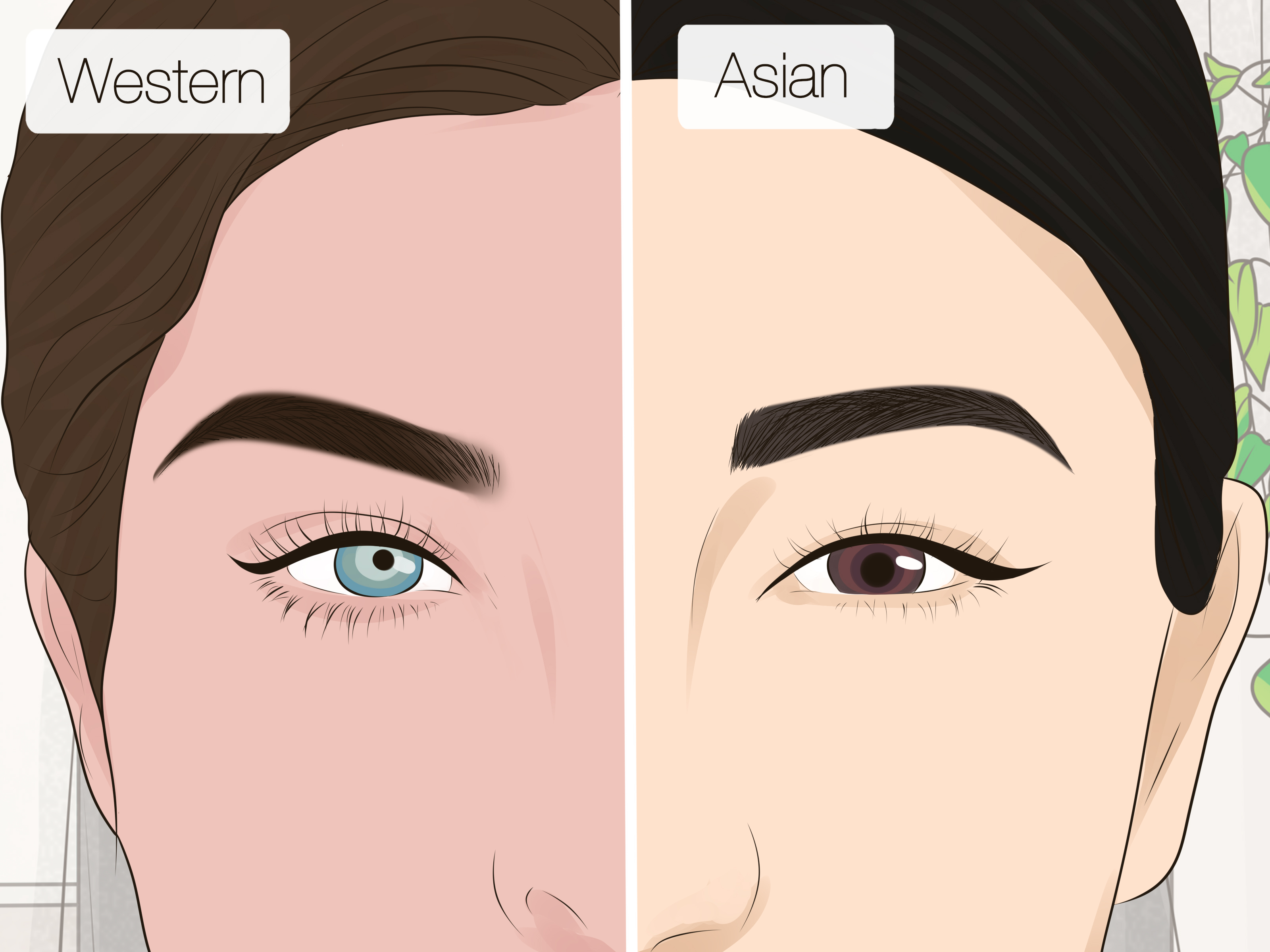
Eyebrows are tiny strips of hair with the confidence of a celebrity publicist. They can soften your face, lift your eyes, balance your features, orwhen over-tweezed during a “quick cleanup”make you question every mirror in the house. If you have Asian features, shaping your brows can feel especially confusing because many mainstream eyebrow tutorials are built around high arches, deep-set eyes, and brow bones that practically come with their own zip code.
The good news? The most flattering Asian eyebrow shape is not one-size-fits-all. “Asian eyebrows” can mean straight, softly arched, sparse, thick, downward-growing, coarse, fine, dark, light, monolid-framing, hooded-eye-friendly, round-face-balancing, oval-face-polishing, and everything in between. Asia is not a face shape, thank you very much.
This guide breaks down how to shape Asian eyebrows using brow mapping, face-shape analysis, natural hair growth, and easy makeup techniques. Whether you love a Korean straight brow, a soft arch, a fluffy laminated look, or a clean natural brow that whispers “I woke up polished,” you’ll learn how to choose a style that flatters your features without fighting your face.
Why Asian Eyebrows Need a Customized Approach
Many Asian faces have features that respond beautifully to softer brow shaping: flatter brow bones, monolids or hooded lids, almond-shaped eyes, rounded cheeks, or a naturally horizontal brow line. That does not mean every Asian person should wear straight brows. It simply means the classic Western “high arch and sharp tail” may not always be the most harmonious option.
A very steep arch can look glamorous on some faces, but on others it may create a surprised expression that says, “I just opened my electricity bill.” A very thin brow can make fuller cheeks appear rounder. A heavy blocky brow can overpower delicate features. The goal is not to copy a trend; it is to make your brows look like they were invited to your face on purpose.
Start With Brow Mapping: The Three-Point Rule
Before tweezers enter the chat, map your brows. Brow mapping helps you identify where your eyebrow should start, where the arch should naturally peak, and where the tail should end. You only need a brow pencil, a spoolie, and enough emotional restraint not to pluck “just one more hair” 37 times.
1. Find Where Your Brow Should Start
Hold a brow pencil vertically from the outer side of your nostril up toward your brow. The point where the pencil meets the brow area is your natural starting point. For many Asian faces, especially those with wider-set eyes or softer nose bridges, bringing the brow start slightly closer together can add definition. However, avoid drawing harsh square fronts. Soft, feathered beginnings look more natural and modern.
2. Find the Best Arch Point
Look straight ahead. Angle the pencil from the outer edge of your nostril through the outer edge of your iris. Where it crosses the brow is a good place for your arch. For Asian eyebrows, the arch often looks best when it is subtle rather than dramatic. Think “gentle lift,” not “villain reveal.” A soft arch opens the eye without making the brow look disconnected from your natural bone structure.
3. Find Where the Tail Should End
Angle the pencil from the outer side of your nostril to the outer corner of your eye. That line indicates where the tail should end. If your brow tail naturally slopes downward, avoid extending it too low because it can make the eyes look tired. A slightly lifted or shortened tail can create a fresher, more awake effect.
Best Eyebrow Shapes for Asian Features
The best eyebrow shape depends on your face shape, eye shape, natural brow growth, and personal style. Below are the most flattering options for Asian eyebrows, from soft and natural to polished and bold.
Soft Straight Brows
The soft straight brow is popular in Korean and East Asian beauty because it creates a youthful, balanced, and gentle look. It works especially well for longer faces, oval faces, and people whose natural brows already grow horizontally. Instead of drawing a ruler-straight line, keep a tiny lift near the tail so the brow does not drag the eye downward.
Best for: long faces, oval faces, delicate features, monolids, hooded eyes, and anyone who wants a clean K-beauty-inspired brow.
Slightly Arched Brows
A soft arch is one of the most universally flattering eyebrow shapes. It adds structure without looking severe. For Asian eyes, place the arch slightly farther out rather than directly above the center of the eye. This elongates the eye area and gives a subtle lifted effect.
Best for: round faces, fuller cheeks, almond eyes, and people who want definition without drama.
Natural Fluffy Brows
Fluffy brows are brushed upward and softly set with clear or tinted brow gel. This style is excellent for thick Asian eyebrows or coarse brow hairs because it uses natural density as an advantage. Keep the lower edge neat so the look feels intentional, not like your brows just survived a wind tunnel.
Best for: thick brows, square faces, strong cheekbones, and low-maintenance beauty routines.
Short-Tail Lifted Brows
If your eyebrow tails grow downward, a short-tail brow can make the entire face look more lifted. Instead of extending the tail too far, keep it neat and slightly elevated. This shape is flattering for hooded eyes because a long downward tail can visually pull the eye down.
Best for: hooded lids, downward-growing brow tails, mature faces, and anyone who wants a subtle eye-lift effect without booking an appointment with a surgeon.
Soft Rounded Brows
A rounded brow has a gentle curve rather than a sharp peak. It can soften angular features and create a graceful frame around the eyes. The trick is to keep the brow full enough so it does not become overly thin or old-fashioned.
Best for: square faces, sharp jawlines, strong cheekbones, and people who prefer a feminine, elegant look.
How to Choose the Right Asian Eyebrow Shape for Your Face
Round Face
If your face is round, a slightly higher soft arch can add structure and length. Avoid brows that are too flat or too short, because they may emphasize roundness. Keep the tail clean and gently lifted.
Oval Face
Oval faces usually work well with balanced brows: not too arched, not too straight, not too thick, not too thin. A soft straight brow or classic gentle arch can both look beautiful. Congratulations, your face is basically the Switzerland of brow shapes.
Long Face
A straighter brow can help visually shorten a long face and create horizontal balance. Avoid very high arches, which can make the face appear longer. Keep the tail softly extended, but not drooping.
Square Face
Square faces often look best with soft angled or rounded brows. A harsh geometric brow may compete with the jawline. Use a gentle arch and blended edges to soften the overall look.
Heart-Shaped Face
Heart-shaped faces usually have a wider forehead and narrower chin. A soft rounded brow can balance the upper face without adding too much heaviness. Avoid overly thick, blocky brows at the front.
Diamond Face
Diamond faces can handle a slightly fuller brow because the brow helps balance cheekbones and a narrower forehead. Keep the arch soft and avoid extremely thin tails.
Step-by-Step: How to Shape Asian Eyebrows at Home
Step 1: Let Your Brows Grow First
If your brows are over-plucked, give them time to grow before reshaping. A fuller starting point gives you more options. During the grow-out phase, use brow pencil or powder to fill sparse spots. Yes, the awkward phase is real. No, you are not alone. Your brows are simply in their “character development” era.
Step 2: Brush Hairs Upward
Use a spoolie to brush your brow hairs upward and outward. This reveals the natural shape and shows which hairs are truly out of place. Many people make the mistake of tweezing before brushing, which is how innocent hairs become victims.
Step 3: Draw Your Desired Shape Before Removing Hair
Lightly outline your preferred brow shape with a pencil. This gives you a guide and prevents over-tweezing. For Asian brows, keep the front soft, the middle full, and the tail controlled. The most natural result usually comes from removing only the hairs outside your outline.
Step 4: Tweeze Conservatively
Tweeze one hair at a time from underneath the brow. Step back often and compare both sides. Do not chase perfect symmetry. Eyebrows are sisters, not identical government-issued documents. Removing too much from the top can flatten the brow awkwardly, so be cautious there.
Step 5: Trim Long Hairs Carefully
Brush hairs upward and trim only the tips that extend beyond your shape. Use small brow scissors and cut at a slight angle. Do not trim straight across the whole brow, unless you are intentionally auditioning for the role of “tiny lawn mower accident.”
Step 6: Fill Sparse Areas With Hair-Like Strokes
Use a fine brow pencil to create small, feathered strokes in the direction of hair growth. For Asian eyebrows, avoid filling the entire brow with one heavy block of color. Concentrate on sparse areas, especially the tail or lower arch. Then brush through with a spoolie to soften the lines.
Step 7: Set With Brow Gel
Clear gel works well for naturally full brows. Tinted gel adds volume to sparse or fine brows. Brush upward at the front, diagonally through the middle, and slightly outward at the tail. This keeps the shape lifted without making the hairs look crunchy.
Threading, Waxing, Tweezing, or Shaving: Which Is Best?
Tweezing
Tweezing is the most controlled option for at-home brow shaping. It is ideal for removing a few stray hairs and maintaining your shape between appointments. The downside is that it takes patience, and patience is not always available before a dinner reservation.
Threading
Threading uses twisted thread to remove hair from the root. It can create clean lines and is often chosen by people who want precision without wax. It may still cause redness or irritation, especially on sensitive skin, so choose a trained professional.
Waxing
Waxing is fast and effective for removing multiple hairs and peach fuzz. However, the skin around the eyes is delicate. Avoid waxing if you recently used retinoids, retinol, strong exfoliants, or acne medications unless your dermatologist or brow professional says it is safe. Waxing over sensitized skin can cause lifting, peeling, or burns.
Shaving or Brow Razors
Brow razors can clean up fine hairs around the brow, but they require a light hand. They do not remove hair from the root, so regrowth appears sooner. Use a clean razor, stretch the skin gently, and never shave into your actual brow shape without mapping first.
Common Asian Eyebrow Mistakes to Avoid
Making the Brow Front Too Dark
A heavy, square brow front can look harsh, especially on softer Asian features. Keep the inner brow lighter and more diffused. The front should fade in, not arrive like a bold headline.
Over-Arching the Brow
A dramatic arch can clash with naturally straight brows or monolids. If your natural brow grows straight, create lift through the tail and gel rather than carving a sharp peak.
Dragging the Tail Downward
A low tail can make the eye look tired. Keep the tail aligned with or slightly above the brow start when possible. This small adjustment can make the face look more awake.
Using Black Brow Pencil Automatically
Even if your hair is black, a true black brow pencil can look too intense. Dark brown, ash brown, gray-brown, or soft charcoal often looks more natural on Asian brows. Match the undertone of your hair rather than copying the exact depth.
Ignoring Your Natural Growth Pattern
The best eyebrow shape works with your natural hair direction. If your brows grow downward, use gel and trimming. If they are sparse, use pencil and powder. If they are thick, focus on grooming rather than shrinking them into a completely different personality.
Best Makeup Techniques for Asian Eyebrows
For Sparse Brows
Use a fine pencil to sketch hair-like strokes, then layer a light powder through the middle. Finish with tinted brow gel for dimension. Keep the front airy and build most of the definition in the arch and tail.
For Thick Brows
Brush brows upward, trim only the longest hairs, and use clear gel to hold the shape. Fill only small gaps. Thick brows already have natural impact, so the goal is polish, not reinvention.
For Straight Brows
Fill the lower edge slightly under the arch to create a straighter line, then soften the top edge with a spoolie. Keep the tail slightly lifted so the brow does not look heavy.
For Hooded Eyes
A clean lower brow line can make more lid space visible. Avoid a thick downward tail. A softly lifted arch and brushed-up hairs help open the eye area.
For Monolids
Soft straight brows and gentle arches both work well. Avoid overly heavy brow fronts, which can crowd the eye area. A slightly elongated tail can balance the eye shape beautifully.
Real-Life Experiences: What Actually Works When Shaping Asian Eyebrows
One of the most common experiences with Asian eyebrow shaping is discovering that the “perfect arch” from a tutorial does not always translate in real life. Many people try to copy a sharp Instagram brow and then realize it looks too strong for their features. On a face with softer contours, flatter brow bones, or monolids, a dramatic arch can steal attention from the eyes instead of framing them. A softer shape often looks more expensive, even when the product used costs less than lunch.
Another real-life lesson is that brow tails matter more than people think. A lot of Asian brows naturally grow straight across and then dip at the end. When that tail is filled downward, the eyes can look sleepy. When the tail is shortened slightly or lifted with pencil and gel, the whole face can look fresher. It is a tiny change with big “Did you sleep eight hours?” energy, even if the answer is absolutely not.
Many people also learn that brow color is the secret sauce. Black hair does not automatically require black brows. In everyday makeup, soft ash brown or gray-brown often creates a more natural frame. This is especially true for people with fair to medium skin tones or cool undertones. A softer brow shade can define the eyes without making the brows look stamped on.
Growing out over-tweezed brows is another universal experience, and it is not glamorous. The first few weeks can look uneven. One side may grow beautifully while the other behaves like it missed the meeting. During this stage, filling gaps with a pencil and using brow gel can help you avoid panic-plucking. The best strategy is to hide the awkwardness with makeup, not restart the tweezing cycle.
For people with thick Asian brows, the biggest breakthrough is usually trimming less. It is tempting to cut every long hair, but over-trimming can create blunt patches. A better method is to brush upward, trim only the tips that clearly exceed the shape, then brush the hairs back into place. This keeps fullness while removing chaos.
For people with sparse brows, the winning routine is usually pencil first, powder second, gel last. Pencil creates structure, powder adds softness, and gel gives the illusion of real brow hair. The brow should be darkest near the arch and tail, not at the front. When the inner brow is too dark, it can make the whole face look stern. Nobody wants their eyebrows to ask, “Where do you see yourself in five years?”
Professional shaping can also be helpful, especially for the first major brow reset. A good brow artist can map your face, clean the shape, and show you what to maintain at home. After that, you can tweeze strays every week or two. The best professional brow appointments do not give you someone else’s eyebrows; they reveal the best version of yours.
Ultimately, the most flattering Asian eyebrow style is the one that balances your face, supports your eye shape, and fits your daily routine. Trends are fun, but your natural brows are the blueprint. Work with them, refine them, and do not let one bad tweezer session define your destiny.
Conclusion
Learning how to shape Asian eyebrows is really about learning how to read your own face. Brow mapping gives you the structure. Face shape gives you direction. Eye shape tells you how much lift or softness you need. Your natural brow growth tells you what is realistic. Put those together, and you can create brows that look flattering, modern, and effortless.
For many Asian features, the most beautiful eyebrow styles are soft straight brows, gentle arches, natural fluffy brows, and lifted short-tail shapes. Avoid harsh fronts, overly dramatic arches, and tails that pull the eyes downward. Use fine strokes, blended color, and brow gel to create dimension without heaviness.
Your brows do not need to be perfect. They need to belong to your face. Shape them with patience, edit them with restraint, and remember: the best brow is not the trendiest brow. It is the one that makes you look in the mirror and think, “Yes. That is my face, but upgraded.”