

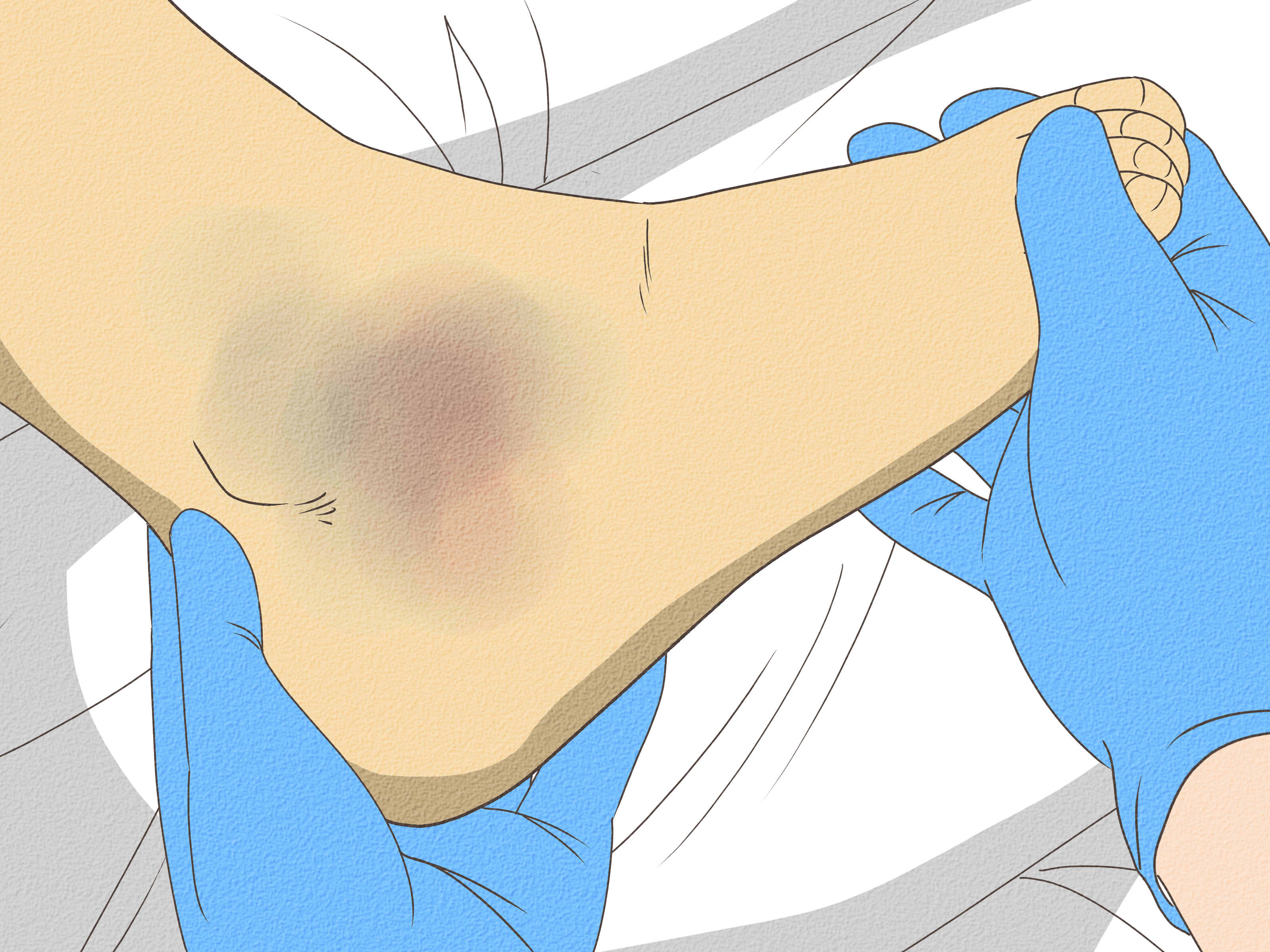
A sprained ankle has an irritating talent for feeling manageable at 2 p.m. and suddenly developing a dramatic personality at bedtime. You finally lie down, the house becomes quiet, and evp>
Learning how to sleep with a sprained ankle is not simply about finding a position that hurts less. A smart nighttime setup should also help control swelling, protect injured ligaments from awkward tigaments that have been stretched or torn after the ankle rolls, twists, or moves beyond its normal range. Pain, swelling, bruising, stiffness, and difficulty bearing weight are common. Mild injuries often improve with appropriate home care, while severe sprains, fractures, and high ankle sprains may need medical evaluation, immobilization, or rehabilitation.
The five medical tips below combine widely accepted orthopedic injury-care principles with practical sleep strategies. They are designed for uncomplicated ankle sprains, not as a substitute for an examination when the injury is severe or the diagnosis is uncertain.
Why Does a Sprained Ankle Hurt More When You Try to Sleep?
Your ankle may not technically become more injured just because the sun went down. However, several factors can make nighttime discomfort seem more intense.
During the day, distractions compete for your attention. At night, there are fewer emails, conversations, television shows, and questionable refrigerator decisions to distract your brain from pain. Swelling accumulated during periods of standing or sitting with the foot down can also contribute to pressure and throbbing.
Your normal sleep movements create another problem. A healthy person may roll over without remembering it. With an ankle sprain, one casual turn can push the sore ankle into the mattress, twist the foot, or introduce it to your other leg with all the elegance of a minor car accident.
This is why your bedtime plan should focus on three basic goals: manage swelling, minimize painful movement, and control discomfort safely.
Tip 1: Elevate the Sprained Ankle Above Heart Level
If you remember only one piece of advice about sleeping with a swollen ankle, remember elevation. Medical guidance for acute ankle sprains commonly recommends raising the injured ankle above the level of the heart to help manage swelling.
How to elevate an ankle while sleeping
Lie on your back and support the injured lower leg with pillows or a supportive foam wedge. The goal is to raise the ankle so it sits higher than your heart rather than simply placing one thin decorative pillow beneath the heel and declaring victory.
A practical setup may include two or three firm pillows arranged gradually beneath the calf and lower leg. Supporting a broader section of the leg can feel more stable than balancing the heel on a single pillow.
Check that the ankle is comfortably supported and not hanging awkwardly to one side. The foot should feel relaxed. You do not need to point your toes toward the ceiling with military precision.
Avoid the collapsing-pillow problem
Soft pillows often flatten during the night. You may go to sleep with impressive orthopedic architecture and wake up eight hours later with one pillow on the floor and your ankle exactly where it started.
A foam wedge, firmer bed pillows, or a carefully arranged combination of pillows may provide more consistent elevation. Whatever you use, make sure the setup is stable and does not force excessive pressure against a tender area.
If elevation increases pain, causes numbness, or feels uncomfortable, reposition your leg. Higher is not automatically better. The objective is comfortable elevation above heart level, not an attempt to launch your ankle into low Earth orbit.
Tip 2: Choose a Sleep Position That Protects the Injured Ankle
The best sleeping position for a sprained ankle is usually the one that keeps the injury supported and prevents accidental twisting. For many people, sleeping on the back is the easiest position to manage.
Back sleeping is often the simplest option
Sleeping on your back makes ankle elevation relatively straightforward. You can place pillows beneath the injured leg and visually check that the foot is positioned comfortably before turning out the light.
This position also reduces the chance that you will place your full body weight directly on the sore ankle. If you naturally sleep on your side, however, forcing yourself to remain flat on your back for eight hours may create an entirely new complaint involving your hips, shoulders, or general attitude.
How to sleep on your side with a sprained ankle
Side sleeping may still be possible. Try keeping the injured leg on top rather than trapped beneath your body. Place one or more pillows between your legs to support the upper leg and prevent the injured ankle from falling forward onto the mattress.
A long body pillow can be particularly useful because it provides support from the knee toward the foot. The ankle should not dangle unsupported from the edge of a pillow.
Avoid positions that place direct, painful pressure on the swollen side of the ankle. If touching the mattress makes you wince, move. Sleep is not a toughness competition.
Build a pillow barrier if you move frequently
People who toss and turn may benefit from placing pillows around the injured leg. This does not completely immobilize the ankle, but it can make large unconscious movements less likely.
Think of the pillows as friendly bumpers. They provide a physical reminder when your sleeping body decides it wants to perform an unexpected midnight gymnastics routine.
Tip 3: Manage Swelling Before Bed with Cold and Safe Support
Reducing pain and swelling before getting into bed can make the first hours of sleep considerably easier. Cold therapy is commonly used during the early period after an ankle sprain, particularly when swelling is prominent.
Use cold therapy while you are awake
Depending on your medical instructions, a cold pack may be applied for roughly 15 to 20 minutes at a time. Place a thin cloth or towel between the cold source and your skin. Do not apply ice directly to bare skin, and do not keep a cold pack in place longer simply because the ankle still hurts.
Most importantly, do not fall asleep with an ice pack strapped to your ankle. Cold exposure needs to be monitored. A reusable ice pack is not a tiny blue bedtime companion.
Consider icing the ankle during your evening routine and removing the cold pack before you prepare to sleep. This allows you to check the skin and reposition your leg comfortably.
Be careful with compression at night
Compression wraps and ankle supports may help control swelling, but overnight use depends on the type of support and your treatment instructions. A prescribed brace, splint, or walking boot should be used exactly as directed by your healthcare professional.
Do not tighten an elastic wrap before bed because you assume more pressure means faster healing. Excessive compression may cause numbness, tingling, increased pain, coldness, or color changes in the foot or toes.
If your clinician has not told you whether a compression wrap should remain on overnight, ask for specific instructions. The same rule applies to ankle braces. Some supports are intended primarily for activity; others are prescribed for more continuous protection.
When a healthcare professional has fitted you with a boot or splint, do not casually remove it at bedtime unless the treatment plan allows removal. A severe sprain or an injury initially mistaken for a mild sprain may require greater protection.
Tip 4: Plan Safe Pain Relief Before You Get into Bed
Pain can make it difficult to fall asleep and may repeatedly wake you during the night. Appropriate pain management can therefore be an important part of figuring out how to sleep with ankle pain.
Over-the-counter options commonly used for musculoskeletal injuries include acetaminophen and nonsteroidal anti-inflammatory drugs, or NSAIDs, such as ibuprofen and naproxen. However, the best option depends on your health history, medications, and clinician’s advice.
Read the label instead of improvising a bedtime dose
Take medications only as directed on the product label or by a healthcare professional. Do not automatically take an extra dose because nighttime pain seems more annoying than daytime pain.
Acetaminophen deserves particular attention because it is found in many combination cold, flu, and pain products. Taking more than one acetaminophen-containing medicine can unintentionally increase the total amount consumed and may cause serious liver damage.
NSAIDs also have important warnings. They can increase the risk of stomach bleeding and may not be appropriate for some people with kidney problems, cardiovascular conditions, a history of ulcers or internal bleeding, or certain medication regimens.
Older adults, pregnant patients, people taking blood thinners, and anyone with significant chronic medical conditions should discuss pain medicine choices with a healthcare professional or pharmacist.
Time your evening routine thoughtfully
If an approved medication is part of your treatment plan, follow its dosing schedule rather than waiting until the pain is unbearable. Combine pain management with your other pre-bed steps: finish cold therapy, arrange your pillows, elevate the leg, and prepare the bedroom.
Avoid using alcohol as an improvised sleep aid. Besides creating medication-related concerns in some situations, alcohol can make nighttime movement and bathroom trips less safe when you already have difficulty walking.
For severe pain that remains uncontrolled despite appropriate rest and pain management, contact a healthcare professional. A supposed ankle sprain should not automatically receive a lifetime membership in the “walk it off” club.
Tip 5: Create a Sprained-Ankle Bedtime Routine
The last expert tip is less glamorous than a special brace or sophisticated pillow system, but it can dramatically improve the practical experience of sleeping with an injury: prepare everything before you lie down.
Use this 20-minute pre-sleep checklist
First, finish any recommended cold therapy while you are fully awake. Check your skin afterward. Then position your pillows or wedge and comfortably elevate the ankle.
Take approved pain medication only according to instructions. Put water, your phone, and other essentials within easy reach. If you are using crutches or another mobility device, keep it securely accessible rather than leaving it on the opposite side of the room.
Clear the route between your bed and bathroom. Shoes, charging cables, pet toys, and laundry baskets become substantially more interesting when encountered by someone hopping on one good leg at 2 a.m.
Use a night-light or motion-activated light if necessary. Avoid walking on an injured ankle beyond the level of weight bearing recommended by your healthcare professional.
Do not aggressively stretch the ankle before sleeping
Early rehabilitation and gradual ankle movement can be important during recovery, but the appropriate exercises depend on the severity and stage of the sprain. Do not aggressively pull, twist, or stretch a newly injured ankle because an internet video promised “instant mobility.”
Follow your clinician’s or physical therapist’s exercise recommendations. Rehabilitation often progresses from controlling pain and swelling toward restoring range of motion, strength, balance, and sport-specific function.
Should You Sleep with an Ankle Brace?
There is no universal yes-or-no answer because sleeping with an ankle brace depends on the injury and the support device.
A person with a mild ankle sprain using a basic over-the-counter support has different needs from someone with a severe ligament injury in a prescribed walking boot. High ankle sprains, significant instability, and suspected fractures may require specialized treatment.
If a physician, athletic trainer, or physical therapist has prescribed a brace, boot, splint, or other device, ask whether it should remain on during sleep. Follow those instructions.
When using any support, contact a healthcare professional if you develop increasing numbness, tingling, unusual coldness, significant color changes, or worsening pain. These symptoms should not be dismissed as the ankle “just healing.”
How Long Does Nighttime Pain Last After an Ankle Sprain?
Recovery time varies significantly based on the severity and location of ligament damage. A mild sprain can improve relatively quickly, whereas more serious injuries may require weeks or longer of structured recovery.
Nighttime pain should generally become easier to manage as swelling and irritation improve. However, a calendar cannot diagnose the severity of your injury. One person’s Grade I sprain and another person’s severe ligament injury should not be expected to follow the same timeline.
If pain is not improving with appropriate self-care, the ankle remains unstable, walking is very painful, or symptoms continue beyond the expected recovery period given by your clinician, arrange a medical evaluation.
Incomplete recovery from an ankle sprain can contribute to ongoing ankle pain or instability. Feeling “almost okay” is not always the same as having regained strength, balance, and ligament function.
When Should You See a Doctor Instead of Trying Another Pillow?
Good sleep positioning cannot fix a fracture, severe ligament tear, or another significant ankle injury. Seek medical care when the symptoms suggest something more serious than a simple mild sprain.
Medical evaluation is especially important if you cannot walk or take several steps because of severe pain, have marked tenderness directly over ankle bones, notice obvious deformity, or experience severe or rapidly worsening swelling.
You should also contact a healthcare professional if pain fails to improve with appropriate rest and basic symptom care, the ankle remains weak or repeatedly gives way, or the foot becomes numb, tingly, unusually cold, or increasingly discolored.
Significant redness, worsening symptoms, or unexpected changes in sensation also deserve attention. When in doubt, have the injury assessed. The difference between a sprain and a fracture is not reliably determined by optimism.
Common Mistakes That Make Sleeping with a Sprained Ankle Harder
Leaving the foot down all evening
Spending hours sitting with the foot dependent and then trying to fix swelling with five minutes of elevation at bedtime may be less comfortable than using appropriate elevation periods throughout the day and evening.
Sleeping directly on an ice pack
Cold therapy should be monitored. Remove the ice or cold pack before falling asleep.
Wrapping the ankle as tightly as possible
Compression is not a contest. More pressure is not always more therapeutic, and circulation or nerve-related warning symptoms need prompt attention.
Testing the ankle every few hours
You do not need to repeatedly stand, bounce, twist, or perform a miniature basketball crossover to determine whether your ankle has healed since lunch. Follow a gradual recovery plan.
Ignoring persistent severe pain
If the injury is not improving or warning signs appear, get medical advice. Better pillows are wonderful. They are not diagnostic imaging.
Experiences of Sleeping with a Sprained Ankle: What the First Few Nights Often Feel Like
The first night after an ankle sprain can be surprisingly frustrating. During the initial injury, adrenaline and activity may compete with pain. Later, after the ankle has had time to swell, getting comfortable in bed can feel like negotiating a peace treaty with your own foot.
A common practical experience is the “perfect position problem.” You arrange three pillows, elevate the ankle, pull up the blanket, and finally find a position that feels comfortable. Then you realize your phone is charging six feet away. Suddenly, crossing the bedroom looks less like a simple task and more like an expedition documentary.
This is why preparation matters. People managing lower-limb injuries quickly learn that a bedside station is not excessive. Water, necessary medications, a phone, tissues, and an accessible mobility aid can prevent unnecessary trips across the room.
The weight of bedding may also become more noticeable. A blanket that felt delightfully cozy last week may suddenly seem to have the structural density of concrete when it rests against a tender ankle. Repositioning bedding so it does not press directly on the most painful area can make a meaningful comfort difference. Some people arrange pillows to keep blankets from pulling the injured foot into an uncomfortable position.
Back sleepers may adapt quickly because elevation fits naturally with their usual position. Side sleepers often have a more experimental first few nights. A pillow between the knees may not be enough; support may need to continue beneath the shin and ankle. Otherwise, the injured foot can drop toward the mattress and create an unpleasant pulling or twisting sensation.
Another familiar experience is waking up after unconsciously changing positions. You may begin the night with your ankle elevated like a museum exhibit and wake up with your leg sideways, one pillow on the floor, and the blanket mysteriously rotated 90 degrees.
Do not panic over every nighttime movement. Gently return to a supported position. If a specific movement causes a major increase in pain, swelling, or new symptoms, however, reassess the injury and seek medical guidance when appropriate.
Nighttime bathroom trips deserve their own chapter in the unofficial sprained-ankle survival manual. The combination of sleepiness, darkness, and reduced mobility creates an obvious fall risk. Many people discover the hard way that hopping is not a sophisticated transportation system.
Keeping the floor clear and using prescribed crutches or other recommended assistance is safer than grabbing furniture and hoping the nightstand has suddenly become a certified mobility device. A small night-light can prevent a second injury while the first one is still demanding attention.
By the second or third night, many people become better at building a comfortable routine. The pillows are arranged more efficiently. The cold pack is used before bed rather than forgotten in the freezer. Necessary items are within reach. The ankle is no longer accidentally trapped beneath the other leg.
The emotional side of an injury is also worth acknowledging. Poor sleep can make pain feel more irritating, while pain can make sleep more difficult. It is easy to become impatient and think, “Why does my ankle still hurt? It has been approximately 36 hours.”
Ligaments do not respond to motivational speeches or aggressive deadlines. Recovery follows biology and injury severity. The useful approach is to protect the ankle, manage symptoms appropriately, follow rehabilitation guidance, and watch for signs that medical reassessment is needed.
As the ankle improves, you may gradually notice that you need fewer pillows or no longer wake when changing positions. These small changes can be encouraging. Still, reduced nighttime pain should not automatically be interpreted as permission to return immediately to running, jumping, or recreational sports.
A common recovery mistake is feeling better in daily life and testing the ankle with a demanding activity too soon. Successful rehabilitation may require restoring motion, strength, balance, and confidence in the joint. Your healthcare professional or physical therapist can help determine when progression is appropriate.
The most useful lesson from the experience of sleeping with a sprained ankle is that comfort usually comes from a combination of small decisions. Elevate the leg properly. Protect it from awkward movement. Manage swelling before bed. Use pain medicine safely when appropriate. Prepare the room so you do not need to improvise while half asleep.
No single pillow has magical ligament-healing powers. But a thoughtful bedtime routine can make recovery nights less miserable and help you get the restorative sleep your body needs.
Conclusion: Protect the Ankle and Give Sleep a Fighting Chance
Knowing how to sleep with a sprained ankle comes down to controlling the factors most likely to disturb your night. Elevate the injured ankle above heart level, choose a supported sleeping position, manage swelling safely before bed, use approved pain relief correctly, and prepare your bedroom for limited mobility.
Back sleeping with the lower leg supported is often the simplest arrangement, while side sleepers may need pillows between and beneath the legs to prevent pressure or twisting. Never sleep on an ice pack, avoid excessively tight compression, and follow medical instructions for braces, splints, or walking boots.
Most importantly, do not assume every swollen, painful ankle is a minor sprain. Severe pain, inability to walk, significant bone tenderness, deformity, worsening symptoms, numbness, tingling, coldness, or concerning color changes deserve medical attention.
Your ankle may be temporarily dramatic, but your bedtime routine does not have to be. Build the pillow fortress, clear the path to the bathroom, and let sensible injury care do the boring but important work.