

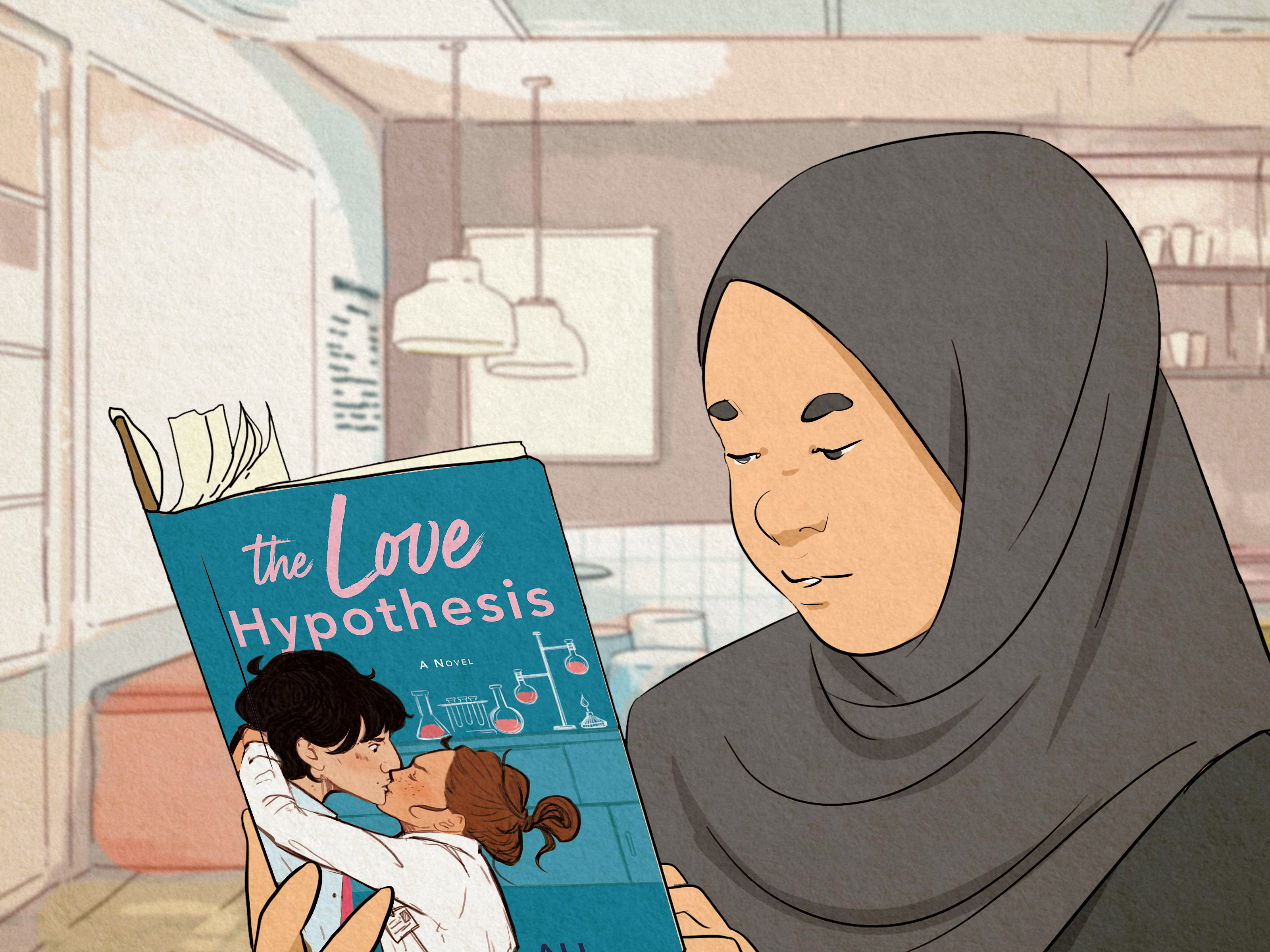
Some love stories arrive like a fireworks display: one glance, one witty exchange, and suddenly everyone is kissing in the rain before the popcorn has cooled. A slow burn romance takes the opposite route. It prefers lingering looks, carefully earned trust, inconvenient feelings, emotional roadblocks, and approximately seven thousand opportunities for the audience to yell, “Just kiss already!”
That delicious delay is the heart of the slow burn romance trope. The characters may feel attraction early, but the relationship develops gradually. Friendship deepens. Assumptions change. Emotional walls crack one brick at a time. The eventual confession, kiss, or commitment works because the story has spent time making the audience want it.
Slow burn does not simply mean “nothing romantic happens for a long time.” A successful slow burn is always moving. The movement is emotional rather than rushed. Every conversation, favor, argument, near miss, and vulnerable revelation shifts the relationship slightly closer to intimacy.
So how can you tell whether a story is truly a slow burn romance rather than a regular romance moving at the speed of airport security? Here is what the trope means, the signs to watch for, the tropes commonly paired with it, and memorable examples that show why waiting can be half the fun.
What Does Slow Burn Romance Mean?
A slow burn romance is a love story in which romantic attachment develops gradually over an extended period of the narrative. The central characters usually need time to understand each other, overcome internal or external obstacles, and recognize or admit their feelings.
In romance fiction, the love story is typically central to the plot and moves toward an emotionally satisfying resolution. Slow burn changes the pace of that journey, not necessarily its destination.
The key word is development. Attraction may appear immediately, but trust, emotional intimacy, and commitment take longer. In some stories, the characters dislike one another at first. In others, they have been friends for years but have never crossed the romantic line. Sometimes they know exactly how they feel and spend half the story desperately pretending they do not. Human beings are wonderfully efficient at many things. Discussing feelings is apparently not one of them.
Slow Burn vs. Instant Love
Instant-attraction stories can move quickly from chemistry to romance. A slow burn makes the emotional transition more gradual. The audience witnesses the relationship changing step by step.
For example, two characters might begin as reluctant coworkers. Then they develop professional respect. Respect becomes friendship. Friendship produces emotional dependence. Suddenly one of them sees the other laughing with someone attractive and discovers a fascinating new medical condition called jealousy.
The romantic payoff comes later because the story invests heavily in anticipation.
Slow Burn Does Not Mean Boring
This distinction matters. A slow story and a slow burn romance are not automatically the same thing.
A good slow burn creates constant micro-progress. The couple may not be officially together, but something is always changing. Their conversations become more personal. Physical distance shrinks. Private jokes develop. Defenses weaken. The reader notices emotional developments even when the characters are still several chapters away from noticing the obvious.
If the relationship remains completely static for hundreds of pages, that is less “slow burn” and more “the pilot light has gone out.”
How to Spot a Slow Burn Romance
1. The Relationship Changes in Small, Meaningful Steps
Slow burn romance is built from accumulation. One dramatic declaration rarely creates the entire relationship. Instead, dozens of smaller moments slowly change how the characters see each other.
A sarcastic rival quietly remembers a favorite coffee order. A distant coworker stays late to help. A friend becomes the first person called during a crisis. A normally guarded character reveals something they tell no one else.
None of these moments may look enormous alone. Together, they build emotional intimacy.
2. There Is Strong Romantic Tension Before the Relationship Becomes Official
Romantic tension is the fuel of the slow burn. The characters want something they cannot yet have, will not admit they want, or believe they should not want.
Writers often heighten this tension with prolonged eye contact, teasing dialogue, accidental closeness, jealousy, interrupted confessions, almost-kisses, and scenes in which one character realizes the other is attractive at the worst possible moment.
The audience usually understands the attraction before the couple acts on it. That gap between feeling and action creates anticipation.
3. There Is a Believable Reason They Cannot Simply Get Together
The strongest slow burn romances have obstacles that matter. Those obstacles may be external, internal, or both.
External barriers include workplace rules, family expectations, social differences, existing commitments, distance, rivalry, dangerous circumstances, or conflicting goals. Internal barriers include fear of vulnerability, grief, insecurity, mistrust, past heartbreak, or the belief that pursuing the relationship would hurt someone else.
The obstacle does not need to be a dragon, although fantasy romance is always happy to provide one. It simply needs enough emotional weight to explain why two obviously compatible people do not solve everything over brunch.
4. Friendship, Respect, or Understanding Comes Before Commitment
Many slow burn relationships become convincing because the characters build a foundation before becoming a couple.
They learn each other’s weaknesses. They witness each other under pressure. They disagree. They repair misunderstandings. They gradually become people who can rely on one another.
This is why a slow burn can feel especially satisfying. The final romance is not based only on attraction. The audience has watched the characters discover who the other person really is.
5. The Characters Keep Having “Almost” Moments
The almost-kiss is practically the official mascot of slow burn romance.
Other classic near misses include the interrupted confession, the hand that nearly touches another hand, the moment someone almost says “I love you,” or the suspiciously intimate conversation that ends because a third person walks into the room at exactly the wrong time.
These scenes work when they move the relationship forward. After an almost-kiss, the characters cannot completely return to the emotional position they occupied before it. Something has been acknowledged, even silently.
6. Tiny Gestures Start Feeling Enormous
In a fast romance, a kiss might be expected by chapter three. In a serious slow burn, one character gently fixing the other’s collar can cause readers to reconsider their entire cardiovascular health.
That is because the story has created context. When affection has been restrained for a long time, a small physical or emotional gesture carries unusual weight.
A hand on the back. A private nickname. An unexpected defense. One character saying, “I knew you’d come.” These moments become powerful because the audience understands what they cost.
Popular Slow Burn Romance Tropes
Enemies to Lovers
Enemies to lovers is one of the most natural partners for slow burn romance. The characters begin with conflict, mistrust, or competing goals, giving the story plenty of room for gradual change.
The pleasure comes from watching judgment turn into curiosity, curiosity into respect, and respect into attraction. Good enemies-to-lovers stories do not simply flip a switch from hatred to kissing. The characters must discover that their original assumptions were incomplete.
Elizabeth Bennet and Mr. Darcy in Pride and Prejudice remain a foundational example of this kind of romantic development. Pride, mistaken judgments, social expectations, rejected proposals, and personal growth all complicate their path toward mutual understanding.
Friends to Lovers
In friends-to-lovers slow burn romance, the obstacle is often the relationship the characters already have. Becoming romantic means risking a friendship that matters.
The tension comes from changing boundaries. A familiar hug suddenly feels different. Casual jealousy becomes harder to explain. One friend realizes that every person they date is being compared with someone who is already standing beside them.
This trope can produce particularly strong emotional payoff because the characters already know and trust each other before romance enters the picture.
Workplace Romance
Workplaces create excellent slow burn conditions because characters see each other repeatedly while facing practical reasons to remain professional.
Shared projects, office jokes, daily routines, career competition, and professional boundaries can build intimacy slowly. Jim and Pam in The Office became a famous television example because their connection developed through friendship, shared humor, bad timing, other relationships, and years of unresolved feeling.
Janine and Gregory in Abbott Elementary offer another recognizable workplace slow burn. Their mutual admiration develops alongside personal growth and career challenges, allowing small moments and missed opportunities to carry much of the romantic tension.
Forced Proximity
Put two people in a cabin, on a road trip, in a shared apartment, on a dangerous mission, or in any situation where leaving is inconvenient, and romantic fiction immediately becomes interested.
Forced proximity works especially well with slow burn because repeated contact creates opportunities for assumptions to collapse. Characters see each other tired, irritated, competent, frightened, kind, and occasionally attempting to cook.
The proximity may be forced, but emotional intimacy still has to be earned.
Mutual Pining
Mutual pining occurs when both characters have feelings but neither successfully acts on them. The reader may know the truth while each character remains convinced the attraction is one-sided.
This setup is gloriously frustrating when written well. Every act of kindness can be misinterpreted. Every compliment is analyzed like classified intelligence. The audience knows that one honest conversation could resolve everything, but emotional fear keeps the romance simmering.
Forbidden or Impossible Love
Family obligations, social rules, professional ethics, political alliances, class differences, or loyalty to another person can all slow a relationship down.
Kate and Anthony in the second season of Bridgerton are a strong example. Their attraction develops amid rivalry, duty, denial, and the fact that Anthony is initially pursuing Kate’s sister. The story repeatedly places desire against obligation, allowing glances and near touches to carry enormous dramatic weight.
Grumpy and Sunshine
One character is reserved, cynical, intimidating, or emotionally allergic to fun. The other arrives with warmth, optimism, and possibly an unreasonable number of decorative throw pillows.
The slow burn comes from gradual softening. The guarded character does not transform overnight. Instead, the audience notices exceptions: they tolerate things for this one person, show care in private, or become protective long before admitting affection.
What Makes a Slow Burn Romance Work?
The Obstacles Must Feel Real
Readers will tolerate delay when they understand it. They become frustrated when the entire plot could be solved by two adults speaking for thirty seconds.
Miscommunication can still work, especially when it grows naturally from personality, fear, or incomplete information. The question is whether the characters have believable reasons for behaving as they do.
The Chemistry Must Appear Before the Payoff
A slow burn cannot postpone everything. Readers need evidence that these two people affect each other differently from everyone else.
Chemistry may appear through banter, emotional honesty, intellectual competition, admiration, protectiveness, shared humor, or physical awareness. The form varies, but the connection should keep intensifying.
Both Characters Should Grow
The best slow burn romances often connect romantic progress with character development.
A character who fears dependence learns to trust. Someone driven by pride learns humility. A person who always sacrifices personal happiness learns to acknowledge their own desires.
By the time the couple gets together, the relationship feels possible because the people inside it have changed.
The Payoff Must Match the Waiting
After hundreds of pages or several television seasons, audiences expect emotional fireworks. That does not always require an elaborate speech in a thunderstorm. Sometimes a quiet confession is more powerful.
What matters is emotional clarity. The payoff should answer the questions the slow burn has been building: Why this person? Why now? What changed? What are they finally brave enough to admit?
Famous Slow Burn Romance Examples
Elizabeth Bennet and Mr. Darcy Pride and Prejudice
Their relationship develops through misunderstanding, wounded pride, self-examination, changing perceptions, and personal growth. Darcy must reconsider his behavior, while Elizabeth must reconsider her judgment of him. Their romance works because neither character reaches the ending as exactly the same person who began the story.
Jim and Pam The Office
Friendship forms the emotional foundation. Their shared jokes and everyday companionship create intimacy long before circumstances allow a romantic relationship to develop. Timing, existing relationships, distance, and fear stretch the story across multiple seasons.
Kate and Anthony Bridgerton
This relationship combines enemies to lovers, forbidden attraction, family duty, competitive banter, and spectacular levels of denial. Much of the romance is communicated through physical tension and moments in which the characters are painfully aware of each other while insisting that absolutely nothing is happening.
Janine and Gregory Abbott Elementary
Their connection develops through workplace friendship, mutual admiration, awkward timing, personal growth, and extended uncertainty. The story gives the characters lives and ambitions beyond romance, which helps the relationship feel like something developing alongside their identities rather than replacing them.
When Harry and Sally When Harry Met Sally…
Harry and Sally move through years of encounters, friendship, other relationships, disagreements, and changing perspectives before fully confronting what they mean to each other. The story demonstrates an important slow burn principle: time itself can become part of the romance.
Slow Burn Romance vs. Will-They-Won’t-They
These terms overlap, but they are not identical.
A slow burn romance emphasizes gradual emotional development. A will-they-won’t-they romance emphasizes uncertainty about whether a couple will become or remain romantically involved.
A story can be both. Many television romances are. However, a poorly extended will-they-won’t-they relationship may repeatedly separate characters without meaningful emotional progress. A strong slow burn keeps evolving even while commitment is delayed.
The difference is movement. A good slow burn may be slow, but it is never emotionally parked.
Why Do Readers and Viewers Love Slow Burn Romance?
Part of the appeal is anticipation. Humans are very good at wanting things slightly more when a story refuses to hand them over immediately.
Slow burn romance also allows audiences to become deeply invested in both characters. Instead of witnessing only attraction, we watch compatibility develop. We see why these people challenge each other, comfort each other, and eventually choose each other.
The delayed payoff can also make ordinary romantic gestures feel extraordinary. By the time two characters finally hold hands, confess their feelings, or kiss, the audience may react as though a national emergency alert has been issued.
Most importantly, the trope creates room for emotional intimacy. The romance has time to become a relationship rather than merely an event.
Experiences That Make Slow Burn Romance So Addictive
Reading or watching a slow burn romance is a strangely interactive experience. You are technically sitting quietly with a book or television show, yet emotionally you are serving as an unpaid relationship consultant for two fictional people who refuse to listen.
The first stage is usually suspicion. Two characters exchange a look that lasts half a second too long. One remembers an insignificant detail about the other. Nothing official has happened, but experienced romance fans immediately begin opening a mental case file.
Then comes investment. You start noticing details the characters ignore. He looks for her first when entering a room. She laughs differently around him. They defend each other when the other person is absent. A casual conversation suddenly contains the emotional equivalent of an exploding building, although everyone on screen continues drinking coffee.
The most enjoyable slow burn experiences often come from this contrast between small actions and huge emotional meaning. In real life, receiving a cup of tea is pleasant. In a carefully developed fictional romance, receiving a cup of tea prepared exactly the way a character likes it can apparently destroy an entire fandom.
Another recognizable experience is frustration. A confession begins, and the phone rings. A kiss nearly happens, and someone opens a door. One character finally becomes single just as the other starts dating someone new. At this point, readers may question whether the author has a personal dispute with happiness.
Yet frustration only works when paired with progress. The best stories give audiences enough reward to keep waiting. A new level of trust develops. One character reveals a secret. A boundary shifts. Even when the couple steps backward, the audience understands that the relationship cannot completely return to its earlier form.
Slow burn romance also creates memorable rereading and rewatching experiences. Once you know where the relationship ends, early scenes can look completely different. A line that originally seemed casual suddenly feels revealing. An awkward pause becomes obvious attraction. A supposedly practical decision begins to look suspiciously romantic.
This is one reason strong slow burns generate enthusiastic fan communities. People enjoy comparing interpretations, identifying the exact moment a character fell in love, debating who realized their feelings first, and collecting evidence like detectives investigating a highly emotional crime.
Personal taste plays a role, of course. Some readers want immediate passion. Others want a relationship that simmers for 400 pages until a single forehead touch causes total emotional collapse. Neither preference is wrong. Slow burn simply offers a particular kind of pleasure: anticipation transformed into payoff.
The most satisfying experience comes when the ending feels inevitable without having felt easy. Looking back, you can see the relationship developing all along. The conclusion is not a random romantic twist. It is the result of countless choices, conversations, conflicts, and moments of care.
That is the magic of the trope. A great slow burn does not merely make you wait. It makes the waiting meaningful.
Conclusion: The Real Sign of a Great Slow Burn
The easiest way to spot a slow burn romance is not simply to count how long a couple waits before kissing. Look for gradual emotional change, sustained romantic tension, believable obstacles, increasing trust, meaningful near misses, and a payoff built on character growth.
The best slow burn romances make tiny moments feel enormous because every moment rests on what came before it. Enemies become allies. Friends become something more. Coworkers stop pretending that all those lingering looks are strictly about quarterly reports.
Whether the story uses enemies to lovers, friends to lovers, forced proximity, workplace romance, mutual pining, or forbidden love, the essential ingredient remains the same: progress with patience. The flame may take time to catch, but when the story has built it carefully, the result can be far more satisfying than love at first sight.
Note: Examples in this article are used to illustrate common storytelling patterns in romance fiction, film, and television. Individual readers and viewers may classify specific relationships differently depending on how they interpret pacing, genre, and romantic development.