

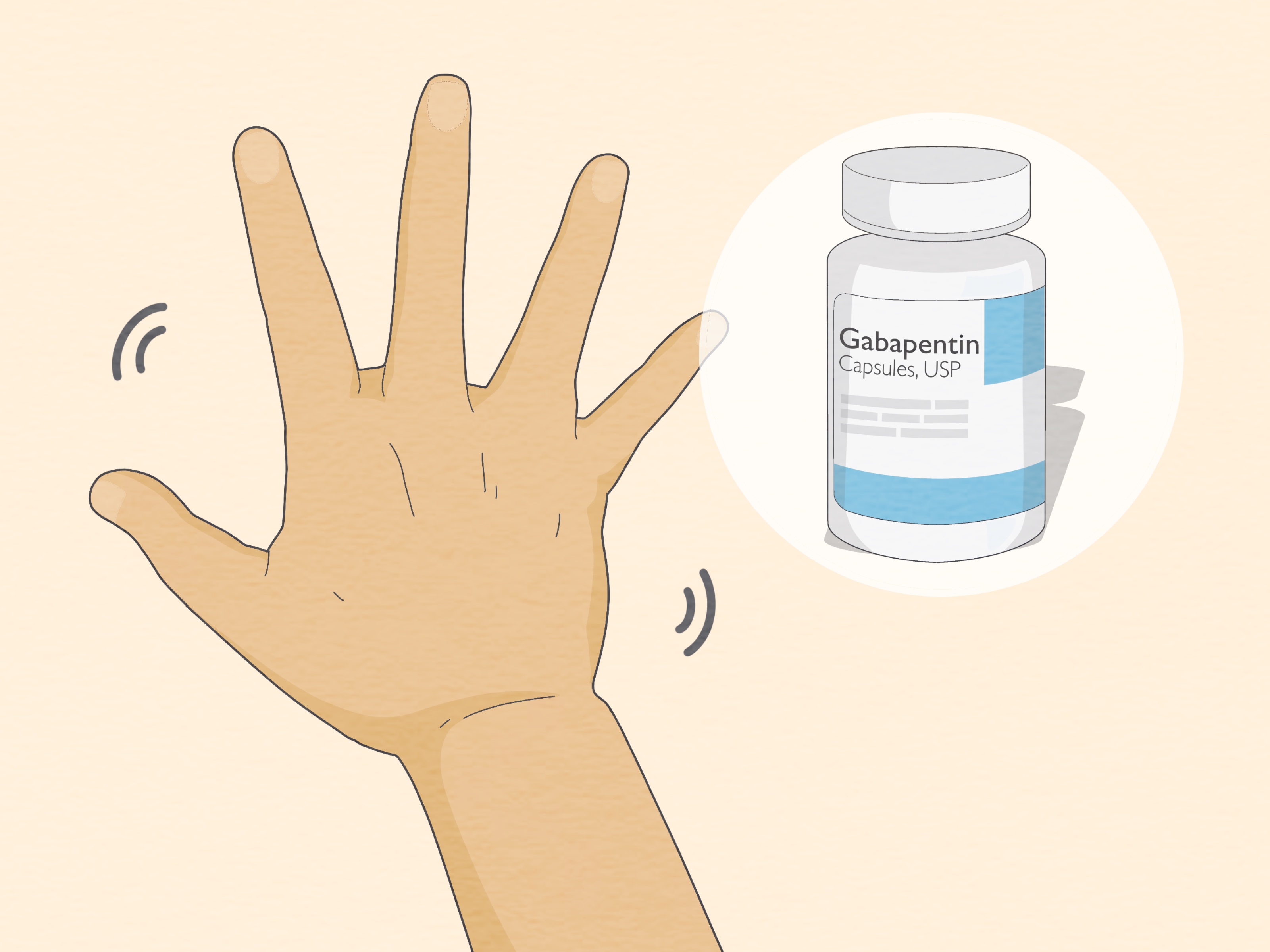
Muscle twitches are those tiny, unexpected jumps under your skin that make you stare at your calf, eyelid, thumb, or shoulder like it just sent you a mysterious Morse code message. Most of the time, muscle twitching is harmless and temporary. It can happen after a tough workout, too much coffee, poor sleep, dehydration, stress, or even a long day of sitting in a position your body did not vote for.
Still, when a twitch keeps returning, it can be annoying. When it happens at night, it can feel like your muscles are throwing a private dance party without your permission. The good news is that many common twitches, also called fasciculations, improve with simple lifestyle changes. The key is to understand the triggers, calm the nervous system, support the muscles, and know when it is time to call a healthcare professional.
This guide explains how to stop muscle twitches with 14 practical methods, prevention tips, and real-life experience-based advice you can actually use. It is educational, not a diagnosis. If twitching is severe, spreading, persistent, or comes with weakness, numbness, pain, balance problems, trouble speaking, or muscle loss, get medical care promptly.
What Are Muscle Twitches?
A muscle twitch is a small, involuntary contraction of muscle fibers. It may feel like fluttering, pulsing, jumping, buzzing, or a quick little “tap” from inside the muscle. Twitches can happen almost anywhere, but common spots include the eyelids, calves, thighs, hands, arms, feet, shoulders, and face.
Muscle twitching is different from a muscle cramp. A twitch is usually small and may not hurt. A cramp is a stronger, often painful contraction that can temporarily lock up the muscle. A spasm may be somewhere in between, depending on the cause and intensity.
Common Causes of Muscle Twitching
Before you can stop muscle twitches, it helps to know what may be poking the bear. Common causes include dehydration, low electrolyte levels, muscle fatigue, too much caffeine, stress, anxiety, lack of sleep, intense exercise, medication side effects, eye strain, alcohol use, and sometimes medical conditions affecting nerves, muscles, or metabolism.
Many twitches are benign, especially if they come and go and are not paired with weakness or other concerning symptoms. But “common” does not mean “ignore forever.” A twitch that sticks around for weeks, worsens, or comes with other symptoms deserves professional attention.
How to Stop Muscle Twitches: 14 Practical Ways
1. Pause and Notice the Pattern
The first step is not panic-searching the internet at 1:13 a.m. The first step is observing. Notice where the twitch is happening, how often it occurs, how long it lasts, and what was happening before it started. Did you exercise harder than usual? Drink three iced coffees? Sleep five hours? Spend the day hunched over a laptop like a shrimp with deadlines?
Write down the pattern for a few days. This simple habit can reveal obvious triggers and gives your healthcare provider useful information if you need an appointment.
2. Drink Enough Water
Dehydration can make muscles more irritable, especially after sweating, exercising, being in hot weather, drinking alcohol, or recovering from vomiting or diarrhea. You do not need to turn hydration into a full-time job, but steady fluid intake matters.
A practical approach: sip water throughout the day, check that your urine is pale yellow most of the time, and increase fluids during heat or workouts. If you sweat heavily, water alone may not be enough; electrolytes also matter.
3. Replenish Electrolytes Through Food
Electrolytes help muscles and nerves communicate properly. Sodium, potassium, calcium, and magnesium all play roles in muscle contraction and relaxation. Low levels can contribute to cramps, spasms, weakness, and twitching.
Instead of immediately buying a giant tub of mystery powder labeled “Extreme Lightning Muscle Fuel,” start with real food. Good options include bananas, oranges, potatoes, sweet potatoes, spinach, yogurt, milk, beans, lentils, nuts, seeds, avocados, and soups. If you exercise for a long time, sweat heavily, or work outdoors in heat, an electrolyte drink may help. People with kidney disease, heart disease, high blood pressure, or medication restrictions should ask a clinician before using electrolyte supplements.
4. Reduce Caffeine and Stimulants
Caffeine can be useful. It can also make your nervous system feel like it has opened 47 browser tabs. Too much coffee, energy drinks, pre-workout powder, soda, or strong tea may contribute to twitching, especially eyelid twitching and general muscle jumpiness.
Try cutting your caffeine intake for one to two weeks. Do it gradually if you are a heavy caffeine user, unless you enjoy headaches with a side of regret. Also check stimulant medications, nicotine, and decongestants. Never stop prescribed medications without talking to your healthcare provider.
5. Prioritize Sleep
Poor sleep is one of the most underrated muscle twitch triggers. When you are exhausted, your nervous system can become more reactive. Eyelid twitches, leg twitches, and random little muscle jumps may show up when your body is basically waving a tiny white flag.
Improve sleep by keeping a regular bedtime, limiting screens before bed, avoiding late caffeine, keeping the room cool, and giving your brain a wind-down routine. Even 30 to 60 minutes of extra sleep for several nights can make a noticeable difference for some people.
6. Lower Stress Before Your Muscles File a Complaint
Stress and anxiety can make muscles tense, shallow breathing more common, and the nervous system more sensitive. A twitch may appear during a stressful week or after the stress has passed, when your body finally has time to complain.
Use quick calming tools: slow breathing, walking, stretching, journaling, prayer, meditation, music, or simply stepping away from the screen. Try the 4-6 breathing method: inhale for four seconds, exhale for six seconds, and repeat for two to five minutes. It is not magic, but it can help quiet the alarm system.
7. Stretch the Affected Muscle Gently
Gentle stretching can help if twitching is related to muscle fatigue, tightness, or a cramp-like sensation. For calf twitches, place your hands on a wall, step the affected leg back, keep the heel down, and lean forward. For thigh tightness, use a mild quad or hamstring stretch. For forearm or hand twitching, gently extend the wrist and fingers.
Do not force the stretch. The goal is to relax the muscle, not audition for a circus act. Hold stretches for 15 to 30 seconds and repeat a few times.
8. Massage the Area
Massage can increase local circulation and reduce muscle tension. Use your fingers, a foam roller, or a massage ball. Keep pressure comfortable. If the muscle is sore from exercise, go lighter than you think you need.
A simple method is to massage around the twitching area rather than digging directly into it. Add slow breathing and relaxed posture. Your muscle may not stop instantly, but massage can reduce the tension that keeps it irritated.
9. Try Heat or Cold
Heat can relax tight muscles, especially if the twitching is connected with stiffness. Use a warm compress, heating pad, warm bath, or shower for 10 to 20 minutes. Cold can help if there is soreness, inflammation, or recent overuse after exercise.
Protect your skin. Do not sleep with a heating pad on, and do not apply ice directly to bare skin. Muscles appreciate comfort; they are less enthusiastic about freezer burn.
10. Back Off From Overtraining
Exercise is good. Overtraining is exercise wearing a fake mustache and causing problems. Hard workouts, new routines, long runs, heavy lifting, or repetitive movements can fatigue muscles and trigger twitching.
If twitching started after training, reduce intensity for a few days. Add rest, hydration, protein, and gentle mobility. When you return, increase volume gradually. A muscle that is twitching from fatigue is often asking for recovery, not another heroic workout named “Leg Day: Revenge.”
11. Review Your Medications and Supplements
Some medications and supplements can contribute to twitching, cramps, or changes in electrolytes. Examples may include certain diuretics, stimulants, asthma medications, antidepressants, thyroid medications, or high doses of specific supplements. This does not mean your medication is “bad.” It means your body may need a medication review.
Talk with your healthcare provider or pharmacist if twitching began after starting or changing a medication. Do not stop a prescribed medicine on your own, especially heart, blood pressure, seizure, mental health, or thyroid medications.
12. Give Your Eyes a Break
Eyelid twitching is extremely common and often linked with fatigue, stress, caffeine, dry eyes, screen strain, or bright light. If your eyelid is jumping like it has a tiny drum solo scheduled, try sleep, less caffeine, lubricating eye drops, screen breaks, and warm compresses.
Use the 20-20-20 rule for screen work: every 20 minutes, look at something 20 feet away for about 20 seconds. It sounds too simple to matter, which is exactly why people ignore it until their eyelid starts tap dancing.
13. Fix Posture and Repetitive Strain
Long hours at a desk, gaming setup, sewing table, steering wheel, or phone screen can overload small muscles. Neck, shoulder, forearm, and hand twitches may be linked with posture, tension, or repetitive use.
Adjust your chair, screen height, keyboard position, and mouse placement. Keep shoulders relaxed, feet supported, and wrists neutral. Take micro-breaks every 30 to 60 minutes. A two-minute reset can prevent hours of muscle irritation.
14. See a Healthcare Provider When Twitches Persist or Feel Different
Most muscle twitches are not dangerous, but some deserve evaluation. Contact a healthcare professional if twitching lasts for several weeks, becomes frequent, spreads widely, interrupts sleep, or comes with pain, weakness, muscle shrinking, numbness, balance changes, trouble walking, trouble swallowing, slurred speech, vision changes, or severe headaches.
A clinician may review your symptoms, medications, hydration, diet, exercise, stress, and sleep. Depending on the case, they may order blood tests to check electrolytes, thyroid function, kidney function, vitamin levels, or other markers. If nerve or muscle disease is a concern, referral to a neurologist may be recommended.
Prevention Tips: How to Keep Muscle Twitches From Coming Back
Build a Hydration Routine
Do not wait until you are thirsty enough to consider drinking from a houseplant. Keep water nearby, especially during exercise, travel, hot weather, or long workdays. Add electrolyte-rich foods daily, and use electrolyte drinks strategically when sweat loss is high.
Warm Up Before Exercise
A proper warm-up prepares muscles and nerves for movement. Try five to ten minutes of light cardio plus dynamic movements like leg swings, arm circles, bodyweight squats, or easy mobility drills. Cold muscles are like sleepy coworkers: they perform better after a gentle start.
Increase Training Gradually
Sudden jumps in exercise intensity can trigger fatigue-related twitching. Follow the boring-but-effective rule: increase slowly. Add distance, weight, sets, or intensity one step at a time.
Eat Balanced Meals
Muscles need fuel. Include protein, complex carbohydrates, healthy fats, and mineral-rich foods. If your diet is mostly coffee, crackers, and ambition, your muscles may eventually submit a formal complaint.
Sleep Like It Matters
Because it does. Consistent sleep supports muscle recovery, nerve function, hormone balance, and stress regulation. Poor sleep can make small triggers feel bigger.
Manage Stress Daily, Not Just During Crisis Mode
Stress management works best as maintenance, not emergency repair. Short walks, stretching, breathing, hobbies, social connection, and screen boundaries can all help keep the nervous system calmer.
Limit Alcohol and Nicotine
Alcohol can affect sleep and hydration. Nicotine stimulates the nervous system. Reducing both may help people who experience frequent twitching, especially when combined with better sleep and hydration.
When Muscle Twitching Might Be More Serious
It is important to be balanced: most twitches are benign, but a few are warning signs. Seek medical advice if twitches occur with progressive weakness, muscle wasting, severe cramps, coordination problems, numbness, tingling, speech changes, swallowing difficulty, or facial drooping. Also get help if twitching follows a new medication, injury, infection, or possible toxin exposure.
Emergency care is appropriate for twitching or spasms with chest pain, difficulty breathing, sudden weakness on one side, confusion, seizure-like activity, fainting, severe dehydration, or heat illness symptoms.
Experience-Based Advice: What It Feels Like to Deal With Muscle Twitches
Muscle twitches can be surprisingly distracting. A calf twitch while watching TV may be mildly annoying. An eyelid twitch during a meeting can make you feel like everyone can see it from across the room, even though they probably cannot. A thumb twitch while typing can make you wonder whether your hand has developed its own professional goals.
One common experience is that twitching often gets worse when you focus on it. You feel a tiny flutter, stare at it, wait for the next one, then become more tense. That tension can feed the cycle. A helpful strategy is to acknowledge the twitch, check for obvious triggers, and then redirect attention. For example, drink water, stretch gently, take a short walk, and move on. If you keep watching the muscle like it is a suspicious neighbor, every little movement feels bigger.
Another experience many people share is that twitches show up after a “perfect storm” week. Maybe you slept poorly, drank extra caffeine, skipped meals, worked long hours, exercised hard, and forgot water existed. Then your calf starts twitching and your brain immediately jumps to the worst possible conclusion. In many cases, the body is not sending a disaster alert; it is sending a maintenance reminder. Sleep, hydration, food, recovery, and stress reduction are not glamorous, but they are often effective.
For exercise-related twitching, the lesson is usually humility. Muscles may tolerate one overly ambitious workout, but they remember. If twitching follows leg day, a long run, yard work, moving furniture, or a sports tournament, treat it as a recovery signal. Stretch lightly, hydrate, eat a balanced meal, and avoid hammering the same muscle group again too soon. Recovery is not laziness. It is where progress gets built.
Eyelid twitching has its own personality. It tends to appear when you are tired, stressed, caffeinated, or staring at screens for too long. The fix is often boring but effective: sleep more, cut back on caffeine, use artificial tears if eyes are dry, take screen breaks, and use a warm compress. Many people notice improvement within days after making these changes consistently.
The emotional side matters too. Muscle twitching can cause health anxiety, especially when it lasts more than a few days. The internet can make this worse because search results often jump from “probably caffeine” to “rare neurological disease” with no emotional seatbelt. A calmer approach is to look for function. Are you getting weaker? Are you dropping things? Is walking changing? Is there muscle loss? Are symptoms spreading or worsening? If yes, see a doctor. If no, focus first on common triggers while still monitoring the pattern.
A practical seven-day reset can be useful. For one week, aim for consistent sleep, reduce caffeine, hydrate steadily, eat potassium- and magnesium-rich foods, avoid alcohol, stretch gently, and reduce intense workouts. Keep a simple symptom log. Many benign twitches improve when the body gets what it has been asking for. If they do not improve, or if new symptoms appear, that log becomes helpful medical information instead of a spiral of worry.
The most reassuring experience-based takeaway is this: muscle twitches are common, and most are manageable. Your body is noisy sometimes. It gurgles, cracks, pulses, hiccups, and twitches. That does not mean you should ignore every symptom, but it does mean every twitch is not an emergency. Respond with curiosity, basic care, and good judgment.
Conclusion
Muscle twitches can be irritating, distracting, and occasionally anxiety-provoking, but they are often linked to everyday triggers such as dehydration, stress, caffeine, poor sleep, overuse, eye strain, or electrolyte imbalance. The best way to stop muscle twitches is to support your muscles and nervous system: hydrate, eat well, rest, stretch, reduce stimulants, manage stress, and recover properly after exercise.
At the same time, do not ignore warning signs. If twitching is persistent, worsening, widespread, or accompanied by weakness, numbness, pain, speech changes, swallowing trouble, balance issues, or muscle loss, seek medical evaluation. A healthcare professional can help identify whether the twitching is benign or related to an underlying condition.
Note: This article is for educational purposes only and is not a substitute for professional medical advice, diagnosis, or treatment. Always consult a qualified healthcare provider if symptoms are severe, persistent, unusual, or concerning.