

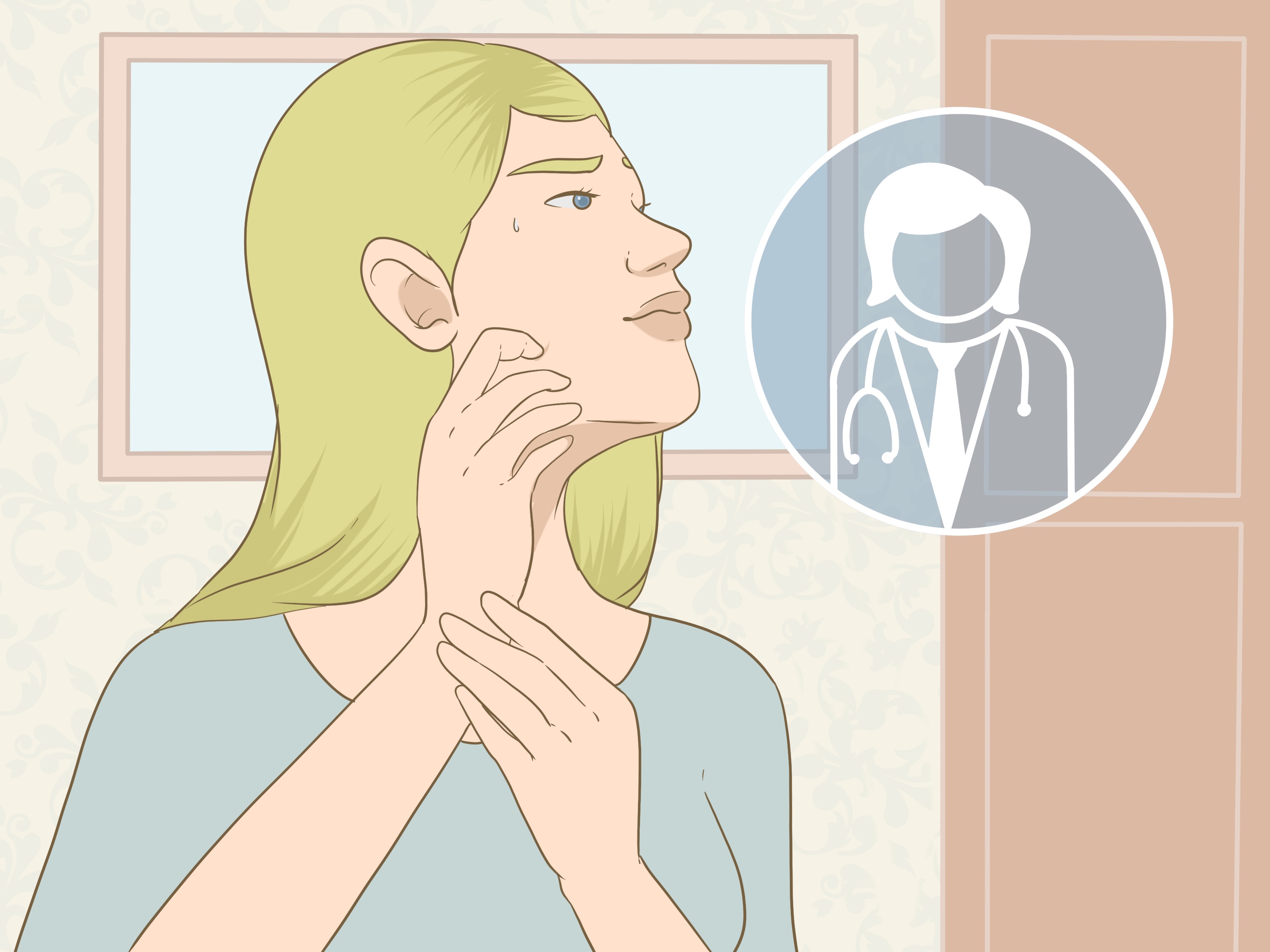
If your hands keep wandering up to your face like they pay rent there, you’re not alone. Face touching is a deeply human,
mostly automatic habitone that often happens when you’re thinking hard, stressed, bored, tired, or parked in front of a screen.
The catch: your eyes, nose, and mouth are “easy entry points” for germs, and your fingers can also deliver oil and grime that
irritate skin and clog pores. In other words, one casual chin-rest can turn into an unplanned RSVP to “Cold & Flu Season: The Musical.”
Research observing people in everyday settings suggests we touch our faces frequentlyoften dozens of times per hourand a meaningful portion
of those touches involve mucous membranes (eyes, nose, mouth). That’s why public health guidance keeps repeating the same boring-but-true advice:
wash hands, and avoid touching your face with unwashed handsespecially those high-risk zones.
Why You Keep Touching Your Face (Even When You Swear You Don’t)
Face touching is usually a “low-awareness” behavioryour brain runs it like background apps you forgot you opened.
Common reasons include:
- Self-soothing: rubbing your temple, scratching your nose, resting your chin when you’re tense or focused.
- Micro-itch triggers: dry skin, allergies, facial hair irritation, makeup residue, or a healing blemish.
- Screen-time posture: leaning in, supporting your face, adjusting glasses, rubbing tired eyes.
- Habit loops: cue (bored) → routine (touch face) → reward (tiny relief). Your brain loves a shortcut.
The goal isn’t to become a statue. The goal is to reduce unnecessary touchesespecially eye/nose/mouth contactand replace the habit with something
your hands can do that’s less risky (and less acne-friendly).
How to Stop Touching Your Face: 11 Practical Steps
Step 1: Catch Yourself in the Act (Awareness Comes First)
You can’t change a habit you don’t notice. For 2–3 days, run a simple “face-touch audit.”
Pick one method:
- Tally method: put a small sticky note on your desk and mark a tick each time you catch a touch.
- Phone note method: a quick “+1” note whenever you notice your hand drifting upward.
- Buddy method: ask a friend/partner/coworker to gently call out “Face!” (short, neutral, not shaming).
This step feels sillyuntil you realize your hand has been petting your cheek like it’s a stressed-out cat.
Awareness turns the unconscious into a choice.
Step 2: Identify Your Triggers (Where, When, Why)
Once you notice the habit, look for patterns. Face touching usually clusters around specific moments:
- During meetings, studying, gaming, or reading
- When anxious, bored, or fatigued
- When your skin feels dry or your eyes itch
- When you’re thinking (“classic chin hold”)
Write down your top 3 triggers. Example: “Zoom meetings + boredom” or “late-night scrolling + tired eyes.”
Triggers are not the enemy; they’re your map.
Step 3: Choose a “Competing Response” (The Habit-Reversal Hack)
A powerful behavior-change approach called habit reversal training uses a simple idea:
when you feel the urge, do something that makes the unwanted behavior physically difficult.
Your competing response should be:
- Easy: no special equipment required
- Subtle: usable in public
- Incompatible: you literally can’t touch your face while doing it
Examples: clasp your hands together at your lap, lightly press fingertips together, make a gentle fist with hands resting on your thighs,
or hold a pen with both hands. Do it for 10–30 seconds until the urge fades.
Step 4: Keep Your Hands Busy (Give Them a Job)
Idle hands don’t just do the devil’s workthey also do your nose’s work. Set up “hand occupancy” tools where you need them most:
- Stress ball, therapy putty, fidget ring/cube
- Clicky pen (the socially acceptable fidgetuse responsibly)
- Knitting/crochet for couch time
- A smooth stone or keychain you can rub instead of your cheek
If your hands have a designated activity, your face stops being the default destination.
Step 5: Add a “Speed Bump” (Make Face Touching Slightly Harder)
Habits thrive on convenience. So make face touching mildly inconvenient:
- Masks (when appropriate): a physical barrier that can reduce mindless mouth/nose touches.
- Bandage trick: a small bandage on the finger you use mostjust enough to make you notice.
- Hair management: tie hair back so you’re not constantly sweeping it away from your face.
- Glasses adjustment plan: adjust with a tissue, or wash hands first, or use the frames’ edges.
You’re not trying to “block” your face forever. You’re trying to interrupt autopilot long enough to choose a better action.
Step 6: Keep Nails Short (Less Damage, More Awareness)
Short nails do two helpful things: they reduce skin damage if you do touch or pick, and they remove the “scraping tool” that makes
face touching extra satisfying. Weekly trims (or a quick file every few days) can cut down on scratching, picking, and pore-poking
that turns tiny irritation into a full-blown skin drama.
Step 7: Fix the “Itch Fuel” (Dry Skin, Dry Eyes, Allergies)
Many face touches start with a legitimate sensation: an itch, tight skin, tired eyes. Treat the source so the urge has less power.
Ideas:
- Dry skin: use a simple facial moisturizer to reduce itch and flaking.
- Dry eyes: consider lubricating eye drops if appropriate for you.
- Allergy itch: manage triggers (dust, pet dander, pollen) and talk with a clinician/pharmacist about safe options.
Bonus move: keep tissues handy. If you must rub or scratch, do it with a clean tissue instead of your fingertips.
Step 8: Make Hand Hygiene Your “Permission Slip” to Touch
The cleanest rule is also the most realistic: if you need to touch your face, clean your hands first.
Build a few “automatic wash moments” into your day:
- When you come home
- Before eating
- After bathrooms
- Before skincare or contact lens handling
- After public transit or high-touch surfaces
If soap and water aren’t available, a sanitizer with sufficient alcohol content can be a practical fallback.
This doesn’t make you invincibleit just reduces risk.
Step 9: Use Visual and Sensory Reminders (Because Your Brain Forgets)
Reminders work best when they’re in your environment, not in your imagination. Try:
- Sticky notes: “Hands off face” on your monitor, notebook, or bathroom mirror.
- Phone wallpaper: a simple icon: 👋🚫😷 or “EYES/NOSE/MOUTH = NOPE.”
- Gentle scent cue: a scented hand lotion can help you notice when your hand approaches your face.
- Wearable cue: a bracelet or ring you only wear while building the habit.
The best reminder is the one you actually see at the exact moment your hand starts creeping north.
Step 10: Swap Stress-Soothing for Face-Soothing
If face touching spikes when you’re stressed, it’s doing a jobcalming your nervous system. So give your body a new calming tool:
- Micro-breathing: inhale 4 seconds, exhale 6 seconds, repeat 3 times.
- Mindful pause: “I’m having the urge to touch my face. I don’t have to obey it.”
- Movement: stand up, stretch, walk 60 secondsbreak the loop.
- Sleep support: tired brains love old habits because willpower is expensive.
Think of it as giving your hands a healthier way to say, “Help, I’m stressed,” without poking your eyeball.
Step 11: Know When It’s More Than a Habit (Get Support if Needed)
For some people, face touching overlaps with body-focused repetitive behaviors (BFRBs) like skin picking or hair pulling.
If you’re getting frequent infections, scarring, bleeding, noticeable skin damage, or you feel unable to stop despite repeated attempts,
it may be time to bring in help.
- Talk to a clinician: primary care, dermatology, or mental health professionals can help you sort triggers and options.
- Ask about CBT and habit reversal training: these approaches are commonly used for repetitive behaviors.
- Treat underlying skin issues: acne or irritation can be a triggeraddressing it can reduce the urge.
Getting help isn’t “dramatic.” It’s efficientlike calling a mechanic instead of trying to fix your car with vibes.
Quick “If You Must Touch Your Face” Rules
- Wash hands first (especially before touching eyes or handling contacts).
- Use a tissue or clean cotton pad for small itches or wiping.
- Avoid the eye/nose/mouth triangle whenever possible.
- Keep essentials nearby: tissues, moisturizer, eye drops (if appropriate), hand sanitizer.
Common Questions (Because Your Hands Have Opinions)
“How long does it take to stop touching my face?”
It depends on your triggers and consistency. Many people notice improvement within 1–2 weeks when they combine awareness + a competing response + an
environment tweak. You don’t need perfectionjust fewer risky touches over time.
“Should I wear gloves to stop?”
Gloves can be a short-term “speed bump,” but they can also get contaminated like hands do. If you try them, treat gloves as “hands”:
don’t touch your face, and remove them safely. For most people, cues + competing responses are more sustainable.
“Will touching my face cause acne?”
Acne is complex (hormones, genetics, inflammation, skincare), but frequent touching can add oil, dirt, and irritationmaking breakouts more likely for some.
A gentle cleansing routine and minimizing picking/squeezing usually helps skin calm down over time.
Real-Life Experiences: What Actually Helped People Stop Touching Their Face (500+ Words)
Here’s the part nobody tells you: quitting face touching isn’t a single heroic decision. It’s more like training a puppy that lives in your sleeves.
The puppy is adorable, well-meaning, and absolutely convinced your nostril needs attention right now.
Case 1: The Office “Chin-Holder.” One person noticed their face-touching peak happened in meetingsspecifically, the classic
“I’m listening deeply” chin-rest pose. The fix wasn’t willpower; it was architecture. They moved their notebook closer and started holding a pen with
both hands while listening. Same vibe (“I’m focused”), different body position. They also placed a tiny sticky note on the bottom corner of their laptop:
“Hands.” Not “STOP IT YOU DISGUSTING GERMLIN.” Just “Hands.” Calm cue, zero shame. Within a week, the chin-rest dropped from “all meeting long” to
“caught and corrected within seconds.”
Case 2: The Gamer With the Tired Eyes. Another person’s trigger was long gaming sessions: eyes dry, face tired, hands creeping up.
They tried banning the touch entirelyfailed instantly. What worked was solving the itch. They added a short break every 30–40 minutes, used lubricating
eye drops (when appropriate for them), and kept tissues beside the controller. The rule became: “If it’s an eye thing, it’s a tissue thing.”
The hilarious surprise? Once the eye discomfort decreased, the face-touching urge lost about 70% of its intensity.
Case 3: The “Just One Pimple” Negotiator. For some people, face touching is less random and more targetedpicking at a blemish,
rubbing texture, checking “if it’s still there.” The breakthrough came from two moves: shorter nails and a barrier. Hydrocolloid acne patches
turned “I can pick this” into “I can’t access this,” which created just enough friction to stop the spiral. Then they improved the skincare routine
with gentle cleansing and moisturizer so the skin felt less “itchy and pickable.” The habit didn’t vanish overnight, but the damage dropped fast,
which made it easier to stay motivated.
Case 4: The Contact Lens Wearer Who Touched Their Eyes Constantly. This person wasn’t face-touching out of stressthey had a legitimate
reason to be near their eyes. Their solution was to formalize a “clean-hands ritual.” Contacts only happened at a specific sink, after thorough handwashing,
with a clean towel used only for that purpose. They stopped “fixing” lenses mid-day with random hand touches and instead carried backup glasses.
The biggest win was mental: eye-touching became a planned action with hygiene rules, not an impulsive mid-scroll rub.
Case 5: The Stress Toucher. Some people touch their face when anxiety spikesjaw rubbing, temple pressing, lip touching.
The habit had a purpose: it soothed. So the replacement had to soothe, too. One person used a competing response (hands clasped) paired with
a slow exhale (longer exhale than inhale). They also kept a small smooth stone in their pocketwhenever stress hit, the stone got the attention,
not the face. Over time, the new routine became automatic. The face-touch urge still showed up, but it no longer had exclusive rights to calming the nervous system.
Across all these stories, the pattern is clear: the people who improved didn’t rely on “trying harder.” They relied on systemsawareness cues,
trigger fixes, competing responses, and small environmental changes. Your hands aren’t bad; they’re just bored, stressed, itchy, or running old software.
Update the software, and your face gets a break.
Conclusion
Stopping face touching is less about being “perfect” and more about stacking small wins: notice the behavior, spot triggers, replace the motion with a competing response,
keep hands occupied, and reduce itch and stress that fuel the habit. If you slip (you willbecause you’re a human, not a museum mannequin), treat it as data,
not failure. Build a plan your future self can follow even when tired, busy, or distracted.