

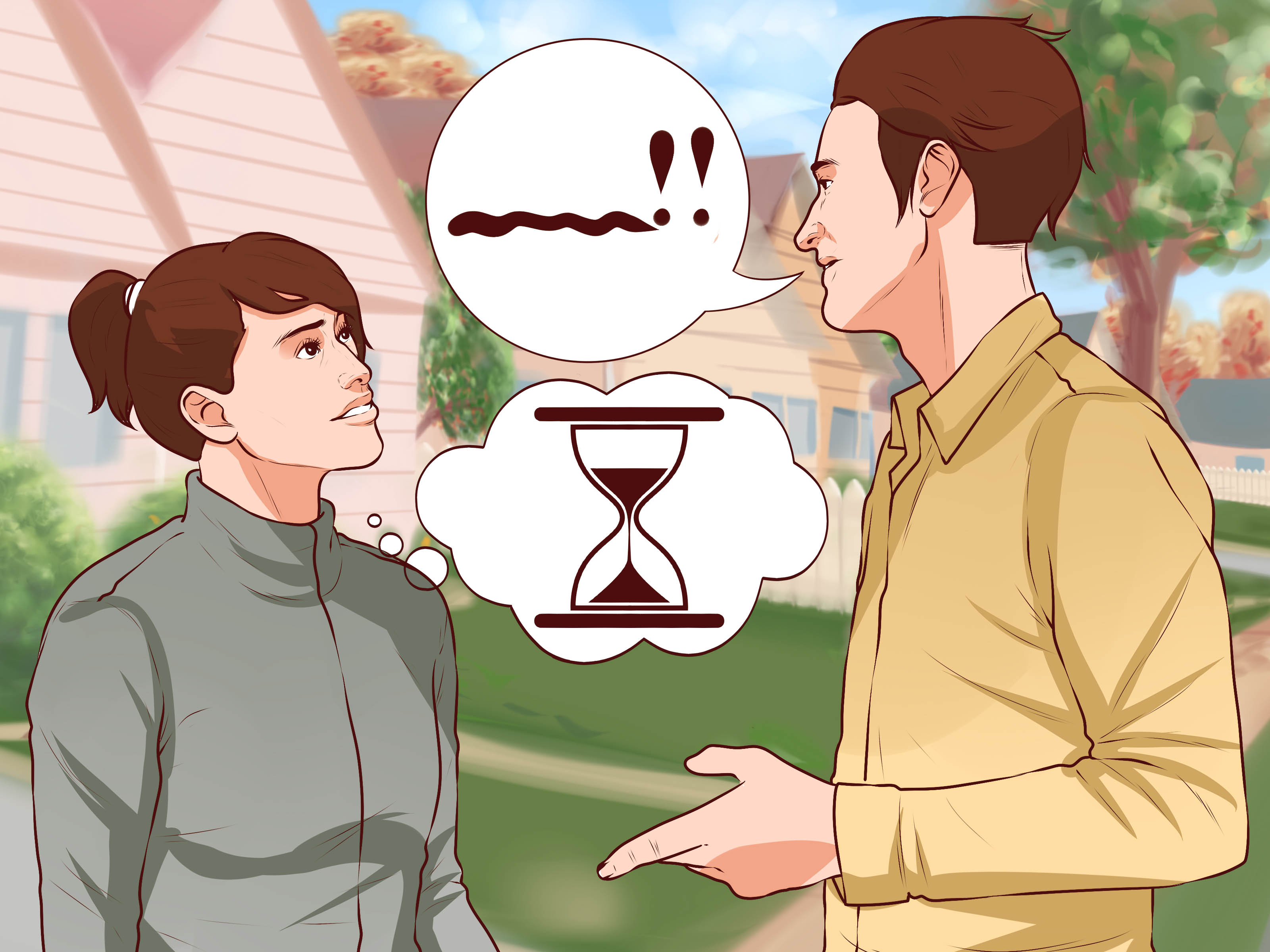
Note: This article is written for relationship education and general communication improvement. If swearing includes threats, intimidation, name-calling, humiliation, or fear, treat it as a serious relationship safety issue rather than a cute “bad habit” with extra seasoning.
Introduction: When “Oops” Turns Into a Full Vocabulary Workout
Swearing can be funny in a movie, dramatic in a sports game, and oddly satisfying when someone drops a phone on their toe. But when your partner swears constantlyespecially around you, children, family, coworkers, or during argumentsit can start to feel less like colorful language and more like emotional weather with a 90% chance of thunder.
If you are searching for how to stop your partner from swearing, the first thing to know is this: you cannot control another adult’s mouth like a TV remote. There is no “mute partner” button, and honestly, that would cause its own relationship issues. What you can do is communicate clearly, set respectful boundaries, understand triggers, and work together on healthier speech habits.
This guide offers 13 practical steps to reduce swearing in a relationship without nagging, shaming, or turning every sentence into a courtroom objection. The goal is not to make your partner sound like a 1950s etiquette manual. The goal is to create a home and relationship where both people feel respected, heard, and safe.
Why Does Your Partner Swear So Much?
Before you start the “language police department,” it helps to understand why swearing happens. Some people swear casually because they grew up around it. Others use profanity when they are stressed, excited, overwhelmed, angry, or trying to be funny. In some social circles, swearing is almost punctuation. In others, it feels rude or aggressive.
The key question is not only “Do they swear?” but also “How does it affect the relationship?” A partner who mutters a curse when the Wi-Fi dies is different from a partner who curses at you during conflict, insults you, or uses language to intimidate you. One is a habit. The other may be verbal abuse.
How to Stop Your Partner from Swearing: 13 Steps
1. Decide What Actually Bothers You
Start by getting specific. Do you dislike all swearing, or only swearing during arguments? Does it bother you when your partner curses in front of children, in public, around your parents, or at the dinner table? Is the problem the words themselves, the angry tone, or the way the language is aimed at you?
Clarity matters because “Stop swearing” is broad. “Please do not swear at me during disagreements” is specific. “Please keep language clean around the kids” is practical. Your partner is more likely to change a defined behavior than a vague personality complaint.
2. Choose a Calm Time to Talk
Timing can make or break the conversation. Bringing up swearing in the middle of a heated argument is like trying to fix a smoke alarm while the kitchen is already on fire. Wait until both of you are calm, rested, and not rushing out the door.
You might say, “Can we talk tonight about something that has been bothering me? I want us to handle it calmly.” This sets a respectful tone and reduces the chance that your partner feels attacked before the conversation even starts.
3. Use “I” Statements Instead of Blame
One of the best ways to discuss a sensitive issue is to use “I” statements. Instead of saying, “You sound rude when you swear,” try, “I feel uncomfortable when there is a lot of swearing during arguments because it makes the conversation feel harsher.”
This is not just word polishing. It changes the emotional direction of the conversation. Blame makes people defensive. Personal feelings invite understanding. Compare these two sentences:
Blaming: “You always swear like you have no self-control.”
Better: “I feel tense when swearing shows up in our disagreements. I would like us to talk without profanity when we are upset.”
The second version has a much better chance of being heard. The first one may accidentally start World War III over a vocabulary issue.
4. Explain the Impact, Not Just the Rule
Your partner may not realize how their language affects you. Some people swear so automatically that they barely hear themselves doing it. Explain the emotional impact in a calm, concrete way.
For example: “When you curse loudly in the car, I feel embarrassed and anxious,” or “When you swear during arguments, I shut down because it feels like the conversation is becoming unsafe.”
This helps your partner understand that the issue is not about being fancy or uptight. It is about respect, comfort, and emotional connection.
5. Separate Casual Swearing from Hurtful Swearing
Not all swearing carries the same weight. A partner saying a curse word after spilling coffee is not the same as a partner swearing at you, calling you names, or using profanity to belittle you.
Make that distinction clear. You might say, “I am not trying to control every word you use. What I need is for us not to use swearing as a weapon during conflict.”
This approach feels more reasonable because it focuses on respect rather than perfection. You are asking for a healthier communication habit, not requesting that your partner become a walking greeting card.
6. Ask What Triggers the Swearing
Swearing often has triggers. Stress, traffic, video games, money worries, family pressure, work problems, lack of sleep, or feeling unheard can all increase profanity. Ask your partner what tends to set it off.
Try: “I have noticed you swear more when you come home stressed from work. Is that how it feels to you too?” This opens the door to teamwork. Instead of “Your mouth is the problem,” the message becomes “Let’s understand what is happening underneath.”
If stress is the real fuel, reducing swearing may require better stress management, not just a swear jar with a smug little lid.
7. Create a Shared Agreement
Healthy couples do better when they create agreements together. Avoid making a one-sided rule like “You are not allowed to swear anymore.” That sounds controlling, even if your intention is good.
Instead, ask: “What language boundaries would feel fair to both of us?” You might agree on rules such as:
- No swearing at each other during conflict.
- No profanity around children or older relatives.
- No name-calling, mocking, or insulting.
- Take a break when either person starts speaking harshly.
- Use substitute words in casual moments.
When the agreement is mutual, your partner is more likely to respect it because they helped build it.
8. Suggest Replacement Words
It may sound silly, but replacement words can help. Habits need substitutes. If your partner uses swearing as an automatic reaction, asking them to simply “stop” may leave a blank space in the sentence where a volcano used to live.
Encourage fun alternatives: “shoot,” “dang,” “good grief,” “fudge,” “bananas,” or anything harmless that fits your household style. Some couples even invent ridiculous custom phrases. “Son of a biscuit basket” may not sound tough, but it gets the job done and makes everyone laugh.
Humor can reduce tension, as long as it is not sarcastic or mocking. The point is to make change feel possible, not humiliating.
9. Use a Gentle Reminder Signal
Constantly saying “Stop swearing” can become annoying fast. Nobody enjoys being corrected like a spelling quiz with feelings. Instead, agree on a gentle signal.
It could be a phrase like “reset,” a hand gesture, or a lighthearted reminder such as “language speed bump.” The signal should be private, respectful, and not embarrassing in front of others.
This works best when your partner agrees to it ahead of time. Otherwise, even the cutest reminder can feel like public criticism wearing a tiny hat.
10. Praise Progress When You See It
People respond better to appreciation than constant correction. When your partner makes an effort, notice it. Say, “I appreciated how you paused earlier instead of swearing when you were upset,” or “Thank you for keeping the language calmer around my family.”
This does not mean throwing a parade every time they avoid one curse word. But sincere recognition reinforces the behavior you want to see more often.
Positive feedback also shows that you are not just waiting for your partner to fail. You are paying attention to effort, not demanding instant perfection.
11. Set Boundaries for Swearing During Arguments
If swearing happens during conflict, boundaries are essential. A boundary is not a threat. It is a statement of what you will do to protect your own emotional well-being.
For example: “If we start swearing at each other, I am going to pause the conversation and come back when we are calmer.” Or: “If you call me names, I will leave the room and we can continue later.”
The important part is follow-through. If you set a boundary and never keep it, the boundary becomes a decorative sentence. Calmly act on it. Leave the room. End the phone call. Take a 20-minute break. Then return when respectful conversation is possible.
12. Watch for Signs of Verbal Abuse
This step is serious. Swearing is not always harmless. If your partner uses profanity to scare you, control you, insult you, shame you, threaten you, or make you feel small, the issue is bigger than “bad language.”
Warning signs include name-calling, repeated humiliation, yelling, threats, blaming you for their outbursts, mocking your feelings, or making you afraid to speak honestly. If you feel like you are constantly walking on eggshells, pay attention to that feeling. Your nervous system may be telling you something important.
You deserve respectful communication. If the behavior feels abusive or unsafe, consider speaking with a trusted person, counselor, or support organization. Do not try to “fix” abusive behavior by being more patient. Safety comes first.
13. Consider Couples Counseling or Individual Support
If swearing is tied to anger, unresolved resentment, stress, trauma, or communication breakdowns, professional support can help. Couples counseling can give both partners tools for conflict, emotional regulation, and respectful expression.
Individual counseling may also help if your partner wants to understand why they swear aggressively or struggles to manage anger. You can also seek support for yourself if the language has affected your confidence, peace, or sense of safety.
There is no shame in getting help. Relationships do not come with a factory manual, and most couples are out here trying to assemble emotional furniture with three missing screws and unclear instructions.
What Not to Do When Trying to Stop Your Partner from Swearing
Do Not Parent Your Partner
Correcting your partner like a child can create resentment. Avoid scolding, lecturing, or saying things like, “Watch your mouth.” Even if you are right, the delivery may trigger defensiveness.
Do Not Shame Them Publicly
Calling out your partner in front of friends, family, or strangers can embarrass them and make the problem worse. Use private reminders whenever possible.
Do Not Match Their Swearing to Prove a Point
Responding with more swearing may feel satisfying for five seconds, but it usually escalates the conflict. If the goal is calmer communication, do not bring a verbal flamethrower to a conversation about fire safety.
Do Not Ignore Your Own Language
If you also swear often, be honest about it. A shared goal works better than a one-way correction. Try saying, “I know I do it too sometimes, so I want us both to work on this.”
How to Talk to Your Partner About Swearing: Sample Scripts
For Casual Swearing
“I know you may not mean anything by it, but frequent swearing makes the house feel tense to me. Could we both try to use calmer language at home?”
For Swearing Around Children
“I am concerned the kids are picking up the language we use. Can we agree to avoid swearing around them and use replacement words instead?”
For Swearing During Arguments
“When swearing enters our arguments, I feel overwhelmed and stop listening. I want us to take a break if either of us starts cursing or speaking harshly.”
For Hurtful Language
“I am willing to talk about problems, but I am not willing to be cursed at or called names. If that happens, I will pause the conversation and leave the room.”
How Long Does It Take to Change a Swearing Habit?
Changing a speech habit takes time. Your partner may slip up, especially when stressed or angry. Progress may look like fewer curse words, quicker apologies, more self-correction, or better awareness in sensitive situations.
Look for effort, not instant perfection. However, effort must be real. If your partner says, “That is just how I am,” and refuses to consider your feelings, the issue may be respect rather than vocabulary.
When Swearing Is Really About Respect
Sometimes the word itself is not the deepest problem. The deeper issue is whether your partner cares that their language hurts you. A healthy partner may not change overnight, but they will listen. They will try. They will care about your emotional experience.
A dismissive partner may say, “You are too sensitive,” “Get over it,” or “I can say whatever I want.” That response tells you something important. Relationships require freedom, yes, but they also require consideration. Being in love does not mean signing up to be someone’s emotional punching bag with a subscription plan.
Personal Experiences and Real-Life Lessons About Reducing Swearing
Many couples discover that swearing is not really a language issue until they begin paying attention to when it appears. For example, one common pattern is the “work stress spillover.” A partner comes home frustrated after a long day, complains about traffic, drops a few curse words while talking about coworkers, and then keeps that same sharp tone through dinner. The other partner feels like they are being hit by emotional debris from a storm they did not create.
In this kind of situation, the best solution is not always “never swear again.” A more realistic approach is creating a transition ritual. The stressed partner may take ten minutes after work to decompress, change clothes, breathe, walk the dog, or sit quietly before joining family conversation. This small habit can prevent workplace frustration from becoming household tension.
Another common experience involves social embarrassment. Imagine going to dinner with your parents, and your partner casually drops three curse words before appetizers arrive. You laugh nervously. Your mother raises an eyebrow so high it applies for citizenship in another country. Later, you feel torn between loyalty to your partner and discomfort around your family.
The helpful move is to discuss expectations before the next event. You might say, “My family is more conservative with language. I am not asking you to change your personality, but could you keep it cleaner during dinner?” This frames the request as situational respect, not personal criticism.
Some couples use swear jars, but the results vary. A swear jar can be funny if both people agree and the mood stays light. It can become annoying if one partner uses it to monitor the other like a tiny financial police officer. If you try a swear jar, make it mutual and playful. Put the money toward something shared, such as coffee, a movie night, or a “we survived our vocabulary detox” pizza.
Parents often face a different challenge. A child repeats a swear word at school, and suddenly the issue becomes urgent. In these cases, blaming one partner rarely helps. Children absorb language from adults, media, friends, and random strangers in grocery stores who cannot handle self-checkout machines. Instead of arguing about whose fault it is, agree on a family language standard. Adults can say, “We are working on using respectful words too.” That honesty teaches accountability.
There are also situations where the partner who swears feels judged. They may think, “You are trying to change who I am.” Reassurance helps. Say clearly, “I love your humor and honesty. I am not asking you to become someone else. I am asking for certain language boundaries so I feel more comfortable and respected.”
One of the most effective experiences couples report is using repair attempts. A repair attempt is a small action that turns the conversation back toward connection. If your partner swears and catches themselves, they might say, “Let me rephrase that,” or “Sorry, that came out harsher than I meant.” This matters because it shows awareness. It says, “I care enough to correct myself.”
On your side, try not to punish every mistake. If your partner is genuinely trying, respond to repair with appreciation. Say, “Thank you for catching that.” A calm response makes future change easier.
The biggest lesson is that reducing swearing works best when both people treat it as a relationship habit, not a character trial. You are not putting your partner on the witness stand for crimes against vocabulary. You are building a shared communication style that protects warmth, humor, and respect.
Conclusion: Better Words, Better Connection
Learning how to stop your partner from swearing is really about learning how to build respectful communication. You cannot force your partner to change, but you can explain your feelings, set boundaries, suggest alternatives, and invite teamwork. When both partners care, small language changes can lead to a calmer, kinder relationship.
Remember: the goal is not a perfect household where nobody ever says a spicy word after stepping on a Lego. The goal is a relationship where words are not used as weapons, apologies come quickly, and both people feel safe enough to speak honestly.