

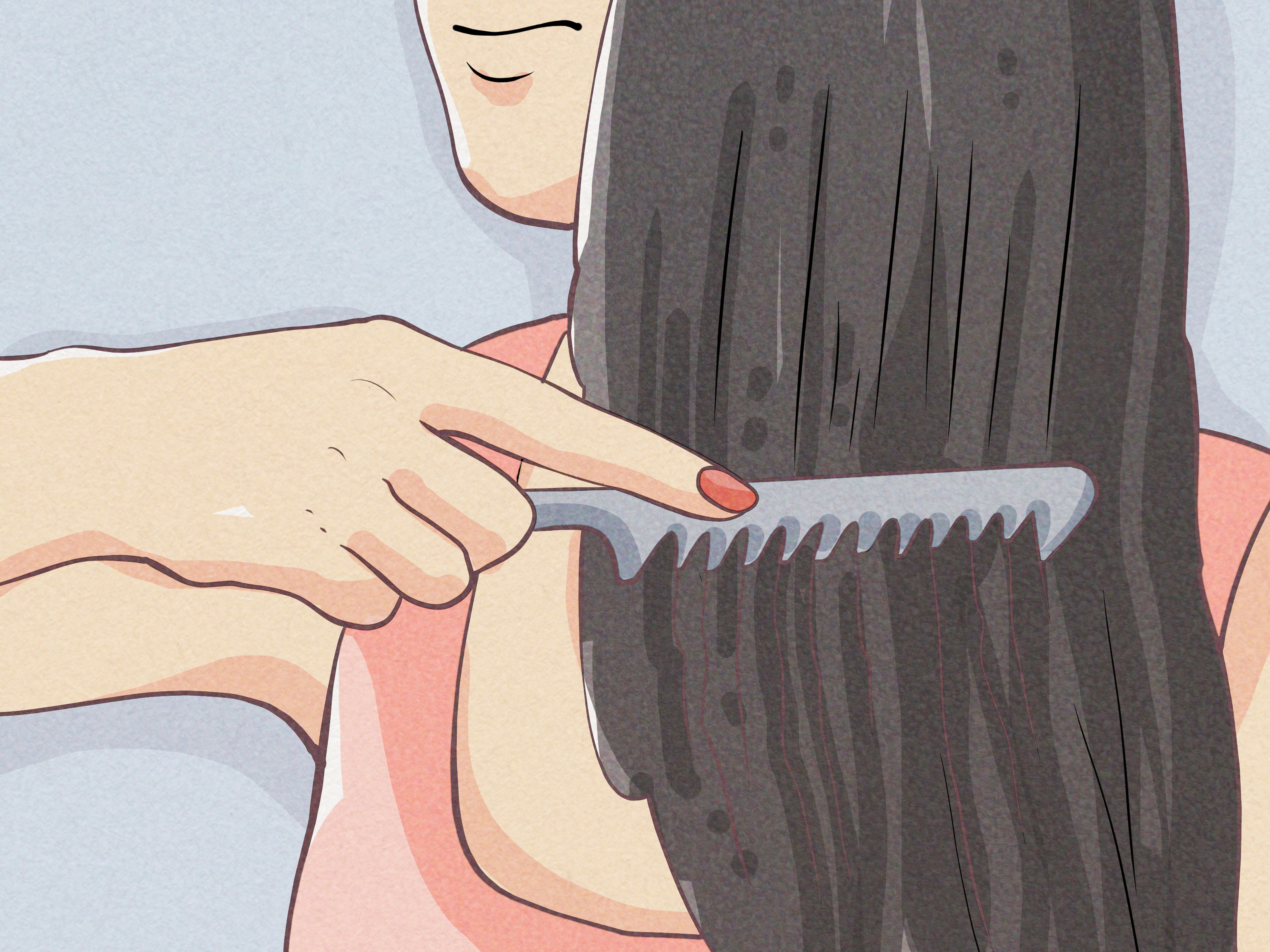
Straight hair does not have to mean flat hair. Somewhere along the beauty timeline, many of us were tricked into believing sleek hair and volume were sworn enemies, like cats and vacuum cleaners. The truth is much friendlier: you can straighten your hair while keeping bounce, lift, movement, and that “I casually woke up looking expensive” energy.
The secret is not just dragging a flat iron from root to tip and hoping for a miracle. Straightening hair with volume is a strategy. It starts in the shower, continues with smart product choices, relies on root direction, and ends with lightweight finishing touches that keep your hair from collapsing by lunchtime. Whether your hair is fine, thick, wavy, curly, frizzy, color-treated, or simply dramatic before coffee, this guide will show you how to get smooth, straight hair without sacrificing body.
What Does “Straight Hair With Volume” Actually Mean?
When people search for how to straighten hair with volume, they usually want a polished look that is smooth but not plastered to the scalp. Think soft roots, clean ends, natural swing, and a little lift at the crown. It is not pin-straight hair that looks like it was laminated onto your head. It is more like a salon blowout’s calmer, sleeker cousin.
The goal is balance. You want to reduce frizz and bend while preserving fullness. That means avoiding heavy oils at the roots, using controlled heat, lifting sections while drying, and shaping the hair before the flat iron ever enters the chat.
Start With the Right Wash Routine
Volume begins before styling. If your hair is coated with heavy conditioner, old dry shampoo, styling cream, or yesterday’s “just one more spritz” hairspray, it will be harder to create lift. Product buildup makes roots look oily and lengths look dull, which is the exact opposite of bouncy straight hair.
Use a Lightweight Shampoo
Choose a shampoo that matches your hair type. Fine or oily hair often does well with a volumizing or clarifying shampoo once in a while. Dry, coarse, curly, or color-treated hair may need a moisturizing shampoo that cleans without leaving hair squeaky or rough. The goal is clean hair, not hair that feels like straw in witness protection.
Condition From Mid-Lengths to Ends
Conditioner is wonderful, but roots do not need a butter bath. Apply conditioner from the mid-lengths down, focusing on the driest areas. Rinse thoroughly. If you have fine hair, choose lightweight conditioner. If your hair is thick or textured, use enough moisture to prevent frizz, but avoid piling rich masks directly onto the scalp before a volume-focused style.
Prep Products: The Real MVPs
Heat tools can help create sleekness, but prep products help decide whether your style lasts two hours or two days. For straight hair with volume, use products that protect, lift, and smooth without weighing hair down.
Heat Protectant Is Non-Negotiable
Before blow-drying or flat ironing, apply a heat protectant. Sprays are usually best for fine hair because they are lighter. Creams or serums may work better for thick, coarse, or frizz-prone hair. Apply evenly, then comb through so one section does not get all the protection while another section gets sent into battle wearing flip-flops.
Add a Root Lifter or Volumizing Mousse
If your hair falls flat easily, apply a root-lifting spray or mousse at the crown and front sections. Use a small amount. Too much volumizing product can make hair sticky, stiff, or crunchy. We want “lifted and touchable,” not “architectural foam insulation.”
Keep Smoothing Products Away From the Scalp
Anti-frizz creams and shine serums belong mostly on the mid-lengths and ends. Applying them near the roots can flatten volume fast. For sleek volume, the roots need lightness; the ends need polish.
Drying Technique: Where Volume Is Born
If you want straight hair with body, blow-drying matters more than most people think. A flat iron can smooth, but it cannot easily build lasting lift if the roots have already dried flat against the scalp. The root direction you create while drying often determines the final shape.
Remove Excess Water First
Gently squeeze water from your hair with a microfiber towel or soft cotton T-shirt. Avoid rough towel rubbing, which can cause frizz and make the hair cuticle look less smooth. Hair should be damp, not dripping, before you add heat.
Rough-Dry Until Hair Is About 70% to 80% Dry
Use your fingers or a paddle brush to rough-dry hair until it is mostly dry. Focus on lifting the roots with your fingers while directing airflow around the scalp. Flip your head upside down briefly if your hair type allows it, but do not create a tornado unless you enjoy detangling as a full-time hobby.
Use a Nozzle Attachment
A blow-dryer nozzle controls airflow, helping smooth the cuticle and reduce frizz. Point the air downward along the hair shaft when smoothing lengths. At the roots, lift each section up and away from the scalp before directing air toward the base.
The Round Brush Method for Smooth Volume
A round brush is one of the best tools for straightening hair with volume because it adds tension, shape, and lift. Choose the barrel size based on your hair length. Smaller barrels work well for short hair, bangs, and layers. Medium barrels are great for shoulder-length hair. Larger barrels help smooth long hair while creating loose body.
Section Your Hair
Clip your hair into manageable sections: bottom, middle, crown, and front. Working in sections prevents the classic home-styling problem where the top layer looks great and the underneath looks like it has been living a separate life.
Lift at the Root
Place the round brush under a section near the root. Lift the hair upward and slightly forward, then aim the dryer at the root area. Hold tension for a few seconds. This creates support at the base, which is essential for volume.
Smooth the Lengths
After lifting the root, glide the brush down the hair shaft while following with the dryer nozzle. Keep the nozzle angled downward to encourage smoothness. When you reach the ends, curve the brush slightly under or outward, depending on your preferred finish.
Use the Cool Shot
Heat shapes the hair, but cool air helps set it. After drying each section, use the cool-shot button for a few seconds. This tiny step is easy to skip, but it can make a big difference in how long your volume lasts.
How to Use a Flat Iron Without Killing Volume
The biggest mistake people make when straightening hair is clamping the flat iron too close to the scalp and pulling straight down. That creates smoothness, yes, but it also presses the roots flat. Instead, use the flat iron like a finishing tool, not a steamroller.
Make Sure Hair Is Completely Dry
Never use a traditional flat iron on damp hair. Hair should be fully dry before straightening. If you hear sizzling, stop immediately. That sound is not “salon magic.” It is your hair asking for a meeting with HR.
Choose the Right Heat Setting
Use the lowest effective heat for your hair type. Fine, fragile, bleached, or damaged hair usually needs lower temperatures. Thick, coarse, or resistant hair may need more heat, but more is not automatically better. One slow, controlled pass at an appropriate temperature is usually better than five impatient passes at maximum heat.
Lift the Section Before Passing the Iron
For volume, hold each section out from the head rather than pulling it straight down. At the crown, lift sections upward before gliding the flat iron through. This keeps the root from being flattened while still smoothing the lengths.
Use a Curved Motion at the Ends
Instead of ironing the ends stick-straight, slightly bend the flat iron inward or outward during the last few inches. This creates movement and prevents the “curtain of hair” effect. The result looks softer, fuller, and more natural.
Best Techniques by Hair Type
Fine Hair
Fine hair needs lightweight products, root direction, and minimal heat. Use a volumizing mousse or root spray before blow-drying. Avoid heavy oils, thick creams, and too much serum. When flat ironing, work quickly and avoid pressing the roots flat. Finish with a light texture spray instead of a heavy shine spray.
Thick Hair
Thick hair often needs more sectioning. Do not try to style giant sections unless your goal is frustration with a side of arm workout. Use smoothing cream on the lengths, blow-dry thoroughly, and flat iron in smaller pieces. Keep the crown lifted while smoothing the outer layers.
Wavy Hair
Wavy hair can straighten beautifully with volume because it already has natural body. Start with a smoothing, frizz-control product, then blow-dry with tension. Use the flat iron only where needed, especially around the hairline and ends. Do not over-straighten every section; preserving a little natural bend can make the style look fuller.
Curly or Coily Hair
Curly and coily hair typically benefits from a careful blowout before flat ironing. Begin with clean, conditioned, detangled hair. Apply heat protectant thoroughly, then use controlled tension while blow-drying. Work in small sections and avoid repeated passes with the flat iron. If your hair is fragile, recently colored, relaxed, or damaged, consider asking a professional stylist for a silk press or heat-styling plan.
Volume-Boosting Tricks That Actually Work
Change Your Part
If you always part your hair in the same place, it may naturally fall flat there. Try shifting your part slightly to the opposite side or making a soft diagonal part. This simple change can create instant lift at the crown without adding more product.
Use Velcro Rollers at the Crown
After blow-drying, place large Velcro rollers at the crown while the hair is still warm. Let them cool for 10 to 20 minutes, then remove gently. This helps set volume without making the hair curly. It is old-school, but so are chocolate chip cookies, and nobody is complaining.
Try Root Clipping
Root clipping involves placing clips at the roots while hair cools or dries to encourage lift. It works especially well for wavy and curly hair, but straight hair can use it carefully too. Avoid clips that leave dents, and do not pull tightly at the scalp.
Use Dry Shampoo Before You Need It
Dry shampoo is not only for oily roots. A light mist at the crown after styling can add grip and help preserve volume. Apply from a distance, wait a minute, then massage lightly. Too much can make hair dull, so start small.
Common Mistakes That Make Straight Hair Look Flat
Using Too Much Product
Layering mousse, cream, serum, oil, spray, and finishing balm may sound luxurious, but your hair may interpret it as a weighted blanket. Use only what your hair needs. Fine hair especially can collapse under too many formulas.
Flat Ironing From the Roots Down
Pressing the iron directly at the root flattens natural lift. Start slightly below the root or lift the section upward as you straighten. Save the strongest smoothing for the mid-lengths and ends.
Skipping Sectioning
Large sections do not smooth evenly. You may end up using more heat because the iron cannot reach all the hair. Smaller sections create better results with fewer passes.
Touching Your Hair Too Much
Once your hair is styled, try not to constantly run your hands through it. Natural oils from your fingers can weigh down roots and reduce volume. Admire it. Flip it once. Let it live.
How to Make the Style Last Longer
To keep straight hair voluminous, sleep with care. Use a silk or satin pillowcase to reduce friction. If your hair is long, loosely twist it into a soft bun or use a gentle scrunchie. In the morning, refresh the roots with dry shampoo or a quick cool blast from the blow-dryer.
Avoid applying more serum every day. Instead, use a tiny amount only on the ends if they look dry. If the crown has flattened, lift sections with your fingers and spray a lightweight texture mist underneath. The trick is to refresh the shape without burying the hair under product.
My Experience: What Actually Works in Real Life
The first time I tried to straighten my hair with volume, I thought the answer was obvious: straighten the hair, then add volume. Simple, right? Unfortunately, my hair had other plans. By the time I finished flat ironing, the roots looked flatter than a pancake under a suitcase. The ends were smooth, but the overall effect was less “glossy blowout” and more “helmet, but make it shiny.”
After a lot of trial, error, and one very humbling afternoon involving too much serum, I learned that volume has to be built before straightening. The most important step for me was blow-drying the roots upward. I used to rough-dry my hair with no direction, then wonder why it looked flat. Once I started lifting the crown sections with my fingers and later with a round brush, the final look changed completely.
Another game-changer was using less product. Like many people, I assumed more product meant better results. More mousse! More smoothing cream! More shine spray! More everything! But hair has limits. When I switched to a light heat protectant, a small amount of root spray, and just a pea-sized amount of smoothing product on the ends, my hair moved better and stayed lifted longer.
The flat iron technique also mattered. I stopped clamping at the roots and pulling straight down. Instead, I lifted each section away from my head and glided the iron through the lengths. At the ends, I curved the iron slightly inward. That small bend made the style look fuller because the hair did not hang in one stiff sheet.
Velcro rollers surprised me the most. I used to think they belonged exclusively in old movies, backstage dressing rooms, and mysterious bathroom drawers. But placing two or three large rollers at the crown while my hair cooled gave me soft lift that looked natural. Not pageant hair. Not cartoon hair. Just enough volume to make the style look intentional.
I also discovered that second-day hair can sometimes look better than first-day hair if handled properly. A little dry shampoo at the roots, a quick brush through the ends, and a cool blast from the dryer can revive the shape without starting over. The key is not to re-flat-iron every section. Too much heat can make the hair look tired and dry. Refresh the roots, smooth only the areas that need help, and leave the rest alone.
The biggest lesson? Straightening hair with volume is not about fighting your hair into submission. It is about guiding it. Clean roots, lightweight products, upward drying, controlled heat, and gentle finishing can create a style that is sleek but still alive. Hair should move when you walk. It should not look like it signed a non-compete agreement with gravity.
Final Thoughts
Learning how to straighten your hair with volume is all about technique. Start with clean, lightly conditioned hair. Use heat protectant. Build lift while blow-drying. Choose the right brush size. Straighten in small sections while lifting away from the scalp. Finish with lightweight products that support the style instead of flattening it.
The best straight hairstyles have movement, shine, and personality. You do not need to choose between sleek and full. With the right steps, your hair can be smooth enough for polish, bouncy enough for life, and confident enough to survive a dramatic hallway turn.