

If your wedding dress is soft ivory, champagne-adjacent, or what bridal shops lovingly call “natural white,” a bright white veil can look a little… refrigerator-light next to it. Not tragic, but noticeable. That is exactly why so many brides and DIY lovers search for ways to tea dye a white wedding veil: they want to warm up the color without buying a brand-new veil that costs the same as a small weekend getaway.
The good news is that tea dyeing can work beautifully. The slightly more dramatic news is that veils are delicate, slippery, and fully capable of turning a calm craft afternoon into a tiny textile panic if you rush. The best results come from understanding your veil’s fiber content, testing first, using a gentle tea bath, and keeping your expectations realistic. Tea is a soft, natural staining method, not a magic wand. It creates a subtle antique ivory or warm cream effect, not an industrial-level color transformation.
In this guide, you’ll learn how to tea dye a white wedding veil safely, which veils take color best, what mistakes to avoid, and how to finish and store the veil so it still looks bridal instead of “found in an attic with a haunted doll.”
Why Tea Dye a White Wedding Veil?
The most common reason is color matching. A stark white veil can look too cool or too bright against an ivory gown, especially in daylight photography. Tea adds a soft warmth that helps the veil blend better with dresses in shades like ivory, candlelight, cream, eggshell, or natural white.
Tea dyeing is also popular for vintage-inspired weddings. If you want your veil to feel heirloom-like, romantic, or gently antique rather than crisp and icy white, tea can create that lived-in softness. It is also a budget-friendly fix for brides who already own a plain white veil but need it to harmonize with a warmer-toned dress.
And yes, sometimes the reason is simple: the veil looked right online, wrong in person, and now you are standing in your bedroom whispering, “Why are there so many shades of white?” That, too, is valid.
Before You Start: Check What Your Veil Is Made Of
This step matters more than most people expect. Not all veils absorb color the same way. A veil made with silk tulle, silk trim, cotton lace, or rayon details will usually respond better to a natural tea bath than one made entirely of polyester. Many modern bridal veils are made from nylon or polyester tulle, and those synthetic fibers can be less predictable. Some barely tint. Some grab color unevenly. Some stay stubbornly white until you begin questioning your life choices.
Veils that usually tea dye better
Silk tulle, silk chiffon, cotton lace, rayon blends, and other more absorbent fibers generally take on a warmer tone with less effort.
Veils that need extra caution
Nylon tulle can sometimes accept color, but fast and uneven results are possible. Polyester tulle often resists natural dyeing more than people expect, which means the final change may be subtle. If your veil includes beading, sequins, faux pearls, glued appliqués, metal combs, or horsehair trim, every material may react differently.
If the veil is very expensive, heirloom-quality, or attached to sentimental family history, a professional bridal preservation or textile specialist is the safer choice. DIY is fun. Regret is not.
Supplies You’ll Need
- 1 white wedding veil
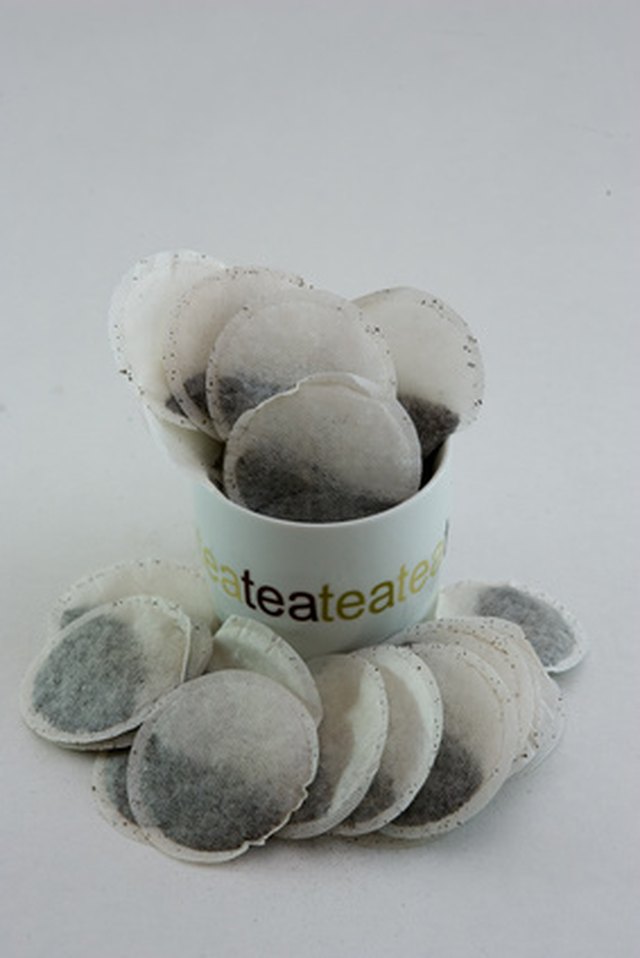
- 6 to 12 black tea bags, depending on how deep a tint you want
- A large clean basin, bucket, or stainless steel sink
- Hot water
- Rubber gloves
- A wooden spoon or clean utensil for gentle stirring
- White towels
- Mild detergent for pre-cleaning if needed
- Optional: a splash of white vinegar for the rinse stage
- Optional: a scrap of matching tulle or an inconspicuous test area
Black tea is usually the best choice because it creates a soft ivory-to-antique-cream tone. Herbal teas can behave unpredictably, and flavored teas may leave odd undertones or residue. Your veil deserves romance, not surprise berry beige.
How to Tea Dye a White Wedding Veil Step by Step
1. Do a hidden test first
If you have a leftover piece of tulle, lace trimming, or even a tiny inner edge that will not show, test that first. This helps you see how quickly the fabric grabs color and whether the tea tone looks right next to your gown. Remember that wet fabric looks darker. The dried result will usually appear lighter and softer.
2. Start with a clean veil
Any dust, body oils, packaging residue, or invisible finishes can affect how evenly the color develops. If the veil is washable, gently hand wash it in cool or lukewarm water with a mild detergent, then rinse well. Do not wring, twist, or scrub. Press out extra moisture with a towel instead. If the veil is already clean, simply dampen it with water before dyeing. A pre-wet veil usually absorbs color more evenly than a dry one.
3. Brew a strong tea bath
Fill your basin with enough hot water for the veil to move freely. Then steep your tea bags until the water turns a rich amber-brown. For a very light ivory shift, start with 6 bags. For a warmer antique tone, use 8 to 12. Let the tea cool slightly so it is very warm rather than scalding hot. Delicate veils do not enjoy aggressive heat, especially if they are synthetic or embellished.
If your veil includes lace edging, embroidered motifs, or appliqués, the details may absorb color faster than the plain tulle. That can look gorgeous, but only if you mean to do it.
4. Submerge the veil gently
Place the damp veil into the tea bath slowly, supporting the fabric with both hands so it does not stretch or tangle. Move it around immediately and continuously with gentle swishing motions. This is not the moment to let it sit in a crumpled pile like a sleepy jellyfish. Fabric that stays folded in one place is more likely to develop blotches or darker creases.
5. Watch the color like a hawk
Check the veil often. For some fabrics, 30 seconds to 2 minutes is enough to shift bright white toward soft ivory. Others may need 5 to 15 minutes. Lift part of the veil out of the bath every so often and compare it to your dress in natural light if possible. The longer the veil stays in the tea, the warmer and deeper the tone will become.
If your veil is nylon tulle, be especially careful. Nylon can sometimes take color surprisingly fast. Polyester, on the other hand, may give you a faint tint and a strong lesson in textile chemistry.
6. Remove it as soon as the tone looks slightly darker than you want
This part is important. The veil will dry lighter than it looks when wet. If you wait until it looks perfect in the basin, it may dry paler than expected. Aim for “just a touch too warm” while wet.
7. Rinse gently
Rinse the veil in cool water until the water runs mostly clear. Some DIYers like to use a little vinegar in the rinse because acidic rinses are often associated with beverage stains and natural-color projects, but keep the rinse light and gentle. The goal is to remove loose tea residue without shocking the fabric.
8. Dry without twisting or heat blasting
Lay the veil on a clean white towel and roll it lightly to press out excess moisture. Do not wring it out. Then either lay it flat or hang it carefully, depending on its weight and structure. Lightweight veils can often hang well, while embellished or heavier pieces may do better supported flat at first.
9. Finish with steam, not direct ironing
Once dry, use a handheld steamer at a safe distance or hang the veil in a steamy bathroom to release wrinkles. Avoid direct ironing unless you are absolutely sure of the fiber content and heat setting. Too much direct heat can scorch, flatten, melt, or distort delicate tulle and trim.
How to Get the Right Ivory Shade
If you are wondering how to tea stain a veil to match an ivory dress, think in layers rather than leaps. Tea dyeing is easiest to control when you build color slowly.
For a soft natural white or pale ivory
Use fewer tea bags, a shorter soak, and a lighter rinse. This is ideal when the veil is only a little too bright compared with the gown.
For a warmer ivory or antique tone
Use a stronger bath and extend the soak in short intervals, checking constantly. This works well for vintage-inspired bridal looks, lace veils, and dresses with creamy undertones.
For a truly old-world effect
Do two light dye sessions instead of one aggressive one. That gives you more control and usually a more even result. A dramatic one-shot soak is how people accidentally invent “surprise pumpkin beige.”
Common Mistakes to Avoid
Skipping the fiber check
If you do not know whether the veil is silk, nylon, or polyester, you are basically dyeing blind.
Using boiling water
Very high heat can stress delicate bridal fabrics, especially synthetics and glued embellishments.
Not pre-wetting the veil
A dry veil is more likely to dye unevenly.
Leaving it still in the bath
Movement is the secret to even color. Keep the fabric floating and shifting gently.
Ignoring embellishments
Lace, pearls, crystals, edging, and appliqués may absorb color differently or react badly to heat and moisture.
Trying to fix everything with an iron
Steam is almost always the gentler finishing move for a veil.
When You Should Not Tea Dye a Veil
Tea dyeing is not the best idea for every veil. Skip the DIY route if:
- The veil is heirloom or irreplaceable
- The veil has heavy beading, glued trims, or fragile vintage netting
- The fabric content is unknown and you cannot test it
- You need an exact salon-level match to a couture gown
- The wedding is tomorrow and your stress level is already sponsored by caffeine
In these cases, it may be smarter to order a veil in natural white or ivory, or ask a bridal alteration specialist whether custom dyeing is possible.
How to Store the Veil After Dyeing
Once the veil is dry and wrinkle-free, keep it out of direct sunlight. Light and heat can encourage fading or discoloration over time, especially with naturally tinted fabrics. Store it in a cool, dry place, ideally wrapped in acid-free tissue. If the veil is part of a keepsake set, treat it like the delicate accessory it is, not like a reusable grocery bag that wandered into the closet.
For wedding-day prep, hang the veil high enough that it can fall freely without hard creases. A last light steaming session before the ceremony is usually safer than pressing it flat with a hot iron.
Final Thoughts
Learning how to tea dye a white wedding veil is really about patience, restraint, and a little textile diplomacy. You are not trying to transform the veil into a different object. You are simply nudging it from bright white toward a softer, warmer tone that flatters your gown and photographs beautifully.
The safest approach is always the same: identify the fabric, test first, use strong tea but gentle handling, move the veil constantly, and stop before the color looks fully finished. When done well, tea dyeing can make a plain white veil look more expensive, more intentional, and much better matched to an ivory dress. In other words, a tiny DIY with surprisingly big bridal payoff.
Tea-Dyeing Experiences: What DIY Brides Commonly Learn Along the Way
One of the most common experiences people have when tea dyeing a veil is realizing that “white” is not one color at all. A bride may hold her veil next to her dress for weeks and think they are close enough, only to step into daylight and suddenly see that the dress is creamy while the veil is bright white. That moment is usually what starts the whole tea-dye adventure.
Another common experience is surprise at how fast certain fabrics change. A veil with nylon tulle may warm up in under a minute, while the lace edge darkens first and creates a much more vintage look than expected. That is not always a problem. Sometimes the slightly darker lace becomes the prettiest part. But it does teach people to check early and often instead of wandering off to answer texts, build a seating chart, or rewatch cake videos.
Some people also discover that the first dye bath looks underwhelming, only for the dried veil to turn out exactly right. Wet fabric can make everything look more dramatic. This is why experienced DIYers often remove the veil when it appears a touch darker than their ideal shade. A lot of tea-dye success comes down to trusting the dry-down.
There is also the very relatable experience of learning that embellishments have opinions. Faux pearls may stay nearly the same, embroidered flowers may turn creamier, and glued details may make everyone nervous. That does not mean an embellished veil cannot be dyed. It just means the project becomes less “simple afternoon craft” and more “delicate operation featuring towels, gloves, and deep concentration.”
Many DIY brides say the biggest lesson is that subtlety wins. The most elegant tea-dyed veils usually do not scream, “I dyed this myself!” They simply look softer, warmer, and more harmonious next to the gown. The best outcome is often the one nobody notices directly because everything suddenly works together.
Finally, there is the emotional side of the experience. For some, tea dyeing a veil becomes part of the wedding memory itself. It is a quiet project done with a mother, sister, friend, or partner the week before the ceremony. There is something sweet about taking a plain accessory and customizing it by hand until it feels like yours. Even if the process involves a few nervous glances, a towel-covered dining table, and a running commentary of “Is this ivory or is this biscuit?” it often becomes one of those small pre-wedding stories people remember fondly later.
That may be the nicest thing about tea dyeing a veil: it is practical, yes, but it is also personal. You are not just changing the color. You are fine-tuning the feeling of the piece. And sometimes that tiny shift from white to soft ivory is exactly what makes the whole bridal look click into place.