

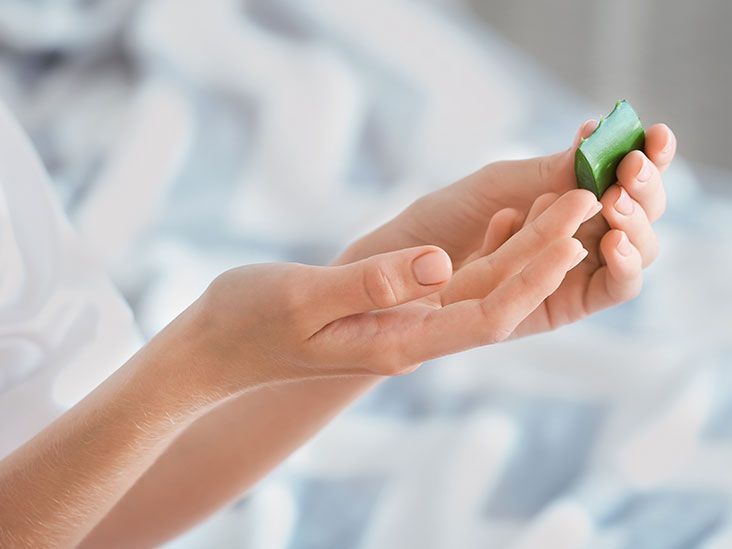
Aloe vera is the quiet overachiever of the houseplant world. It sits on a sunny windowsill looking spiky and dramatic, then suddenly becomes everyone’s favorite helper when a sunburn, dry patch, minor kitchen burn, or itchy irritation shows up uninvited. For generations, people have used aloe vera gel as a soothing skin remedy, and modern research supports some of those traditional usesespecially when aloe is applied topically for mild skin discomfort.
Still, aloe vera is not magic in a green tracksuit. It can be helpful, but it also has limits. The clear inner gel is generally the part most people use on skin. The yellowish latex found just under the leaf skin is a different substance and can cause digestive side effects if swallowed. So, knowing how to use aloe vera correctly matters just as much as knowing why people love it.
This guide explains the practical uses and benefits of aloe vera, how to apply it safely, when to avoid it, and how to choose between fresh aloe and store-bought aloe products without needing a chemistry degree or a detective board covered in sticky notes.
What Is Aloe Vera?
Aloe vera is a succulent plant with thick, fleshy leaves filled with a clear gel. That gel contains mostly water, along with plant compounds such as polysaccharides, antioxidants, enzymes, and small amounts of vitamins and minerals. In skincare, aloe vera gel is valued for its cooling, hydrating, and soothing properties.
The plant produces two main substances:
- Aloe gel: The clear, slippery inner gel commonly used on skin.
- Aloe latex: A yellow substance located beneath the leaf skin. It has strong laxative effects and is not the same as the gentle gel people apply to sunburns.
This difference is important. Most safe home uses focus on the gel, not the latex. When people say, “Put aloe on it,” they usually mean the clear gelnot the bitter yellow layer that your stomach may strongly object to.
Top Aloe Vera Benefits
1. Soothes Mild Sunburn
Aloe vera is best known for sunburn relief. It can create a cooling sensation, help hydrate sun-stressed skin, and reduce that tight, crispy feeling nobody asked for. It does not reverse sun damage, erase redness overnight, or replace sunscreen, but it can make mild sunburn feel more comfortable while the skin heals.
For best results, apply a thin layer of pure aloe vera gel after a cool bath or shower. Reapply as needed, especially when the skin feels dry. Avoid aloe products with alcohol, strong fragrance, or menthol on sunburned skin, because those ingredients can sting and make irritation worse.
2. Helps Hydrate Dry Skin
Aloe vera gel is water-rich and lightweight, making it useful for people who dislike heavy creams. It can help temporarily moisturize the skin and calm rough, dry patches. However, aloe alone may not be enough for very dry skin because it does not seal moisture as strongly as thicker creams or ointments.
A smart method is to apply aloe vera first, then follow with a gentle moisturizer. Think of aloe as the refreshing glass of water and moisturizer as the lid that keeps the water from escaping.
3. Calms Minor Skin Irritation
Aloe vera may help soothe mild itching, redness, or irritation caused by everyday skin stress, shaving, heat, or friction. Its cooling texture makes it popular after shaving or after spending time outdoors. Some people also use it on mild rashes, though it is wise to patch test first.
If irritation worsens, spreads, blisters, becomes painful, or shows signs of infection, stop using aloe and contact a healthcare professional. Aloe is a helper, not a superhero with a medical license.
4. Supports Healing of Minor Burns
Topical aloe vera gel may help soothe mild first-degree burns and some minor second-degree burns when the skin is not severely damaged. It can reduce dryness and provide comfort during healing. For a small kitchen burn, first cool the area under running cool water. After the skin has cooled, aloe may be applied gently.
Do not apply aloe to deep burns, large burns, chemical burns, electrical burns, or burns with major blistering. Those need proper medical attention. When in doubt, treat the burn seriously. Your skin is not the place for “let’s see what happens” experiments.
5. May Help With Acne-Prone Skin
Aloe vera has soothing and anti-inflammatory qualities that may make it useful for acne-prone skin, especially when acne is red or irritated. Some research suggests aloe may support acne treatment when used along with standard acne medications, but it should not replace proven treatments like benzoyl peroxide, salicylic acid, adapalene, or prescription options.
People with acne can apply a small amount of pure aloe vera gel after cleansing. Use it as a calming layer, not as a thick mask that turns your face into a slippery houseplant tribute.
6. May Comfort the Scalp and Hairline
Aloe vera is often included in hair and scalp products because it feels cooling and lightweight. Some people use it to soothe a dry or itchy scalp, smooth frizz, or add moisture to the hairline. While aloe is not a cure for dandruff, hair loss, or scalp disease, it can be a gentle conditioning ingredient for some hair types.
To try it, massage a small amount of aloe gel into the scalp, leave it on for 15 to 30 minutes, then rinse well. If your scalp burns, itches more, or flakes heavily, stop using it and consider seeing a dermatologist.
7. May Support Oral Comfort in Some Cases
Aloe vera has been studied in mouthwashes and gels for certain oral conditions, including mouth sores and gum irritation. Some research suggests it may help with comfort, but evidence varies by condition and product type. For everyday oral health, aloe should not replace brushing, flossing, fluoride toothpaste, dental checkups, or prescribed treatments.
Only use products clearly labeled for oral use. Do not scoop random aloe gel from a leaf and treat it like toothpaste unless a dental professional has advised you. Your mouth deserves better than mystery gardening.
How to Use Aloe Vera Safely
Step 1: Choose the Right Aloe Product
You can use fresh aloe from a plant or buy packaged aloe vera gel. If buying a product, look for simple formulas with aloe vera listed near the top of the ingredient list. Choose fragrance-free and alcohol-free options for sensitive or sunburned skin.
Avoid products with lots of dyes, perfume, or “cooling” ingredients that may irritate damaged skin. Bright green aloe gel may look fun, but real aloe gel is usually clear. If it looks like alien sports drink, check the label twice.
Step 2: Patch Test First
Even natural ingredients can cause reactions. Before using aloe widely, apply a small amount to the inner arm and wait 24 hours. If you notice redness, itching, swelling, burning, or hives, do not use it.
Patch testing is especially important for people with sensitive skin, eczema, allergies, or a history of reactions to skincare products.
Step 3: Apply a Thin Layer
For skin use, wash your hands and apply a thin layer of aloe vera gel to clean skin. Let it absorb. You can reapply two or three times daily for mild dryness, sunburn discomfort, or irritation. More gel does not always mean more benefit. At some point, you are not healing fasteryou are just becoming sticky.
Step 4: Follow With Moisturizer When Needed
If your skin is dry, apply aloe first and then use a gentle moisturizer. This combination can feel soothing while helping reduce water loss from the skin. For sunburn, choose a plain moisturizer without fragrance, exfoliating acids, or retinoids.
Step 5: Store It Correctly
Fresh aloe gel should be refrigerated and used quickly. Store-bought aloe products should be kept according to label directions. If the product changes color, smells strange, grows mold, or develops a suspicious personality, throw it away.
How to Use Fresh Aloe Vera From the Plant
Fresh aloe can be useful, but it must be prepared carefully. Here is a simple method:
- Choose a mature, healthy outer leaf from an aloe vera plant.
- Wash the leaf thoroughly.
- Cut off the spiky edges.
- Slice the leaf open lengthwise.
- Let the yellow latex drain away and avoid using it.
- Scoop out only the clear inner gel.
- Rinse the gel if needed, then apply a small amount to skin.
Fresh aloe may feel wonderful on mild irritation, but it is not sterile. Do not apply it to deep cuts, serious burns, surgical wounds, or infected skin. For broken or high-risk skin, ask a healthcare professional what is appropriate.
Can You Drink Aloe Vera Juice?
Aloe vera juice is sold as a wellness drink, and some people use it for digestion or general health. However, oral aloe is more complicated than topical aloe. Some products are made from decolorized and purified aloe gel, while others may contain compounds from the latex or whole leaf.
Aloe latex has strong laxative effects and can cause cramps, diarrhea, dehydration, and electrolyte problems. It may also interact with certain medications. People who are pregnant, breastfeeding, taking diabetes medication, using blood thinners, taking heart medications, or managing chronic health conditions should speak with a healthcare professional before using oral aloe products.
If you choose aloe juice, select a reputable product labeled for consumption, follow the serving directions, and avoid homemade whole-leaf drinks unless guided by a qualified professional. Drinking random plant gel because the internet said it was “detoxifying” is how kitchens become tiny science-fiction laboratories.
Who Should Avoid Aloe Vera?
Aloe vera may not be right for everyone. Avoid topical aloe if you have had an allergic reaction to it. Use extra caution if you are allergic to plants in the lily family or have very reactive skin.
Do not use aloe as a substitute for medical care for serious burns, infected wounds, severe rashes, deep cuts, persistent acne, or chronic skin disease. Also, avoid oral aloe unless you are sure the product is safe for consumption and appropriate for your health situation.
Children, pregnant people, breastfeeding people, older adults, and anyone taking prescription medications should be especially careful with oral aloe products. Natural does not automatically mean harmless. Poison ivy is natural too, and nobody invites it to brunch.
Best Everyday Uses for Aloe Vera
After-Sun Skin Care
Apply aloe vera gel after cooling the skin with a cool shower or compress. Use it to calm heat and dryness. Continue using sunscreen and protective clothing after the burn heals.
Post-Shave Comfort
Aloe vera can be applied after shaving to reduce the feeling of razor irritation. Choose a fragrance-free gel and avoid applying it to cuts.
Lightweight Face Hydration
Use a pea-sized amount under moisturizer for a fresh, non-greasy feel. This can be helpful for oily or combination skin types.
Dry Hands and Elbows
Layer aloe under a thicker moisturizer on rough areas. This works especially well after washing hands or showering.
Scalp Cooling Treatment
Apply aloe gel to the scalp before washing, leave it briefly, then rinse. Avoid this if your scalp is broken, infected, or highly irritated.
Common Aloe Vera Mistakes
Using Aloe Instead of Sunscreen
Aloe vera may soothe sunburn, but it does not prevent sunburn. Use broad-spectrum sunscreen, shade, hats, and protective clothing. Aloe is the cleanup crew, not the security guard.
Applying It to Severe Burns
Serious burns need medical care. Aloe may be fine for mild burns, but deep or blistering burns should be handled carefully.
Ignoring the Ingredient List
Some aloe gels contain alcohol, fragrance, dyes, or unnecessary additives. These may irritate sensitive or burned skin.
Eating Skincare Aloe Gel
Products made for skin are not made for eating. Only consume aloe products clearly labeled for internal use.
Assuming More Is Better
A thin layer is usually enough. Thick layers can feel sticky, pill under moisturizer, or irritate sensitive skin.
Experience Section: What Using Aloe Vera Is Really Like
Using aloe vera in real life is less like a glamorous spa commercial and more like discovering that a humble green plant can be surprisingly useful when your skin is having a dramatic afternoon. The first thing most people notice is the texture. Fresh aloe gel is cool, slippery, and a little strange at first. It feels like nature invented its own lightweight serum, then forgot to hire a branding team.
One of the most common experiences is using aloe after too much sun. Imagine coming home from a beach day, looking in the mirror, and realizing your shoulders have entered tomato territory. A cool shower helps, but the skin still feels hot and tight. When a thin layer of aloe vera gel goes on, the relief can feel immediate. It does not magically erase the burn, but it can make the skin feel calmer and less angry. The trick is to use a gentle, alcohol-free gel and reapply lightly. If the gel stings sharply, the product may contain irritating ingredients, or the burn may be more serious than expected.
Aloe can also be pleasant after shaving. Many aftershaves are packed with fragrance and alcohol, which can make freshly shaved skin feel like it is being judged by tiny fireworks. Aloe vera gel offers a calmer option. Applied lightly to the face, legs, underarms, or neck, it may reduce that prickly, tight feeling. It works best when the skin is clean and there are no open cuts.
For dry skin, aloe is refreshing but not always enough by itself. People often apply aloe and think, “Great, I am moisturized forever.” Then ten minutes later, the skin feels dry again. That is because aloe adds water-like hydration, but it does not always lock it in. The better experience is aloe first, moisturizer second. This simple layering method makes aloe more useful and prevents the skin from feeling like it was promised a full meal and only got a cucumber slice.
Fresh aloe from a plant can feel especially satisfying because it has that do-it-yourself charm. Cutting a leaf, scooping the clear gel, and applying it to a small dry patch can make you feel like a backyard herbalist with excellent lighting. But fresh aloe also requires care. The yellow latex should be drained away, the gel should be kept clean, and it should not be used on serious wounds. Fresh does not mean automatically safer; it simply means less processed.
Another realistic experience is discovering that aloe is not for everyone. Some people develop itching, redness, or a rash after using it. That does not mean aloe is bad; it means skin is personal and occasionally dramatic. A patch test can prevent a tiny skincare experiment from becoming a full-face regret.
The best way to use aloe vera is with realistic expectations. It is excellent as a soothing, cooling, hydrating support for mild skin issues. It is not a cure-all, a sunscreen, a scar eraser, a guaranteed acne treatment, or a replacement for medical care. Used wisely, aloe vera earns its reputation as a practical home staple. Used carelessly, it can cause irritation or digestive trouble. Respect the plant, read labels, start small, and let aloe do what it does best: calm things down without making a big speech about it.
Conclusion
Aloe vera is one of the most useful natural ingredients for simple skin comfort. The clear inner gel may help soothe mild sunburn, hydrate dry skin, calm shaving irritation, support minor burn care, and provide a cooling layer for everyday skin stress. Its benefits are strongest when used topically and realistically.
The safest approach is simple: choose pure aloe gel, patch test first, apply a thin layer, avoid harsh additives, and do not use aloe as a replacement for sunscreen or medical treatment. Be especially cautious with oral aloe products, because aloe latex and whole-leaf preparations can cause side effects and interact with medications.
In short, aloe vera deserves a place in the home-care toolkitbut not the entire toolbox. Use it wisely, and this spiky little plant can be a calm, cooling friend for skin that needs a break.