

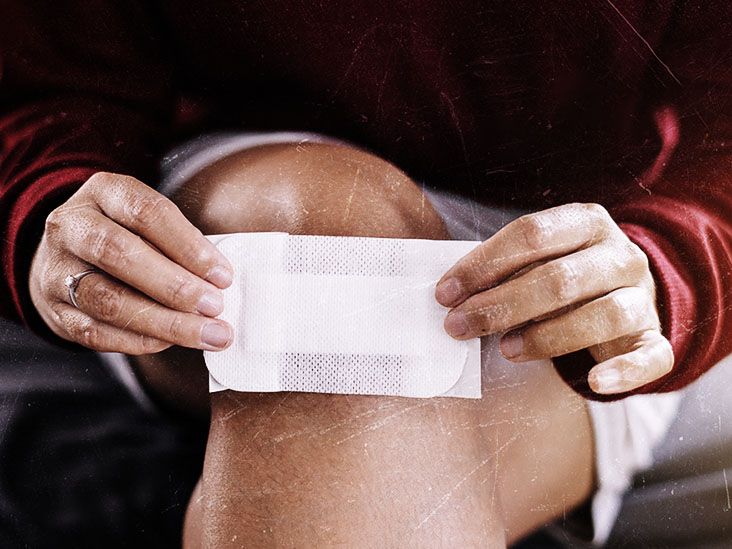
Hydrocolloid products are the quiet overachievers of the first-aid world: they look like a simple sticker, but once they meet moisture, they transform into a squishy gel “microclimate” that helps skin repair itself. If you’ve ever peeled off a hydrocolloid bandage and thought, “Why is my bandage doing science?”congratulations. You’ve met the moist-healing club.
This guide breaks down hydrocolloid dressings (for wounds), hydrocolloid bandages (for everyday scrapes and blisters), and hydrocolloid patches (yes, the acne ones). You’ll learn how they work, when they’re a great idea, when they’re a terrible idea, and how to use them without turning your skin into a sticky crime scene.
What “hydrocolloid” actually means (and why it turns gooey)
The basic build
Hydrocolloid dressings are usually made of a gel-forming inner layer (often containing ingredients like carboxymethylcellulose) paired with a flexible outer layer. The outer layer helps keep outside water and contaminants away, while the inner layer is designed to interact with wound fluid.
The magic trick: gel formation + a protected healing environment
Here’s the key: when hydrocolloid material contacts fluid (wound drainage, blister fluid, or the moisture from a pimple that’s come to a head), it absorbs that moisture and forms a soft gel. That gel helps maintain a moist environmentan approach modern wound care often favors because it can support the body’s natural repair process and reduce scab formation.
Translation: instead of letting a wound dry out and crust over like a forgotten pancake, hydrocolloid helps keep things comfortably hydrated while acting as a barrier. The result is often less friction, less “open-air drama,” and fewer dressing changes.
Dressings vs bandages vs patches: same family, different jobs
Hydrocolloid dressings (clinical-grade wound care)
These are typically larger, thicker, and designed for low-to-moderate draining wounds. They’re used for things like pressure injuries, certain ulcers, skin tears, and superficial woundsespecially when you want a dressing that can stay in place for days and protect fragile healing tissue.
Hydrocolloid bandages (everyday first aid and blisters)
Think: heel blister cushions, “advanced healing” bandages, and the kind that form a little white bubble as they absorb fluid. These are designed for real lifeshoes, showers, and walking like you have places to be.
Hydrocolloid patches (acne/pimple patches)
These are smaller, thinner, and meant for the face. Their biggest superpower is absorbing fluid from pimples that are already open/oozing (or basically ready to). They also act like a tiny “Do Not Touch” sign, which may be the most medically important sign some of us will ever obey.
When hydrocolloid shines
Hydrocolloid products are at their best when there’s a little moisture to manage and you want a protective seal that lasts. Common good-use scenarios include:
- Blisters (especially from shoes): reduces friction and cushions while absorbing fluid.
- Minor cuts and scrapes with light drainage: helps protect and maintain a moist healing environment.
- Superficial or partial-thickness wounds with low-to-moderate exudate (drainage).
- Pressure injuries/pressure ulcers in certain stages and situations, often as part of an overall plan (offloading pressure, nutrition, repositioning, etc.).
- Pimples with a whitehead or drainage: absorbs fluid and helps prevent picking.
A big practical advantage: many hydrocolloid products are designed to stay on for multiple dayssometimes up to about a weekdepending on the product, placement, and how much fluid is being absorbed. That means fewer changes, less skin disturbance, and fewer opportunities to accidentally rip off a healing scab like you’re starting a side quest.
When to skip hydrocolloid (or get professional advice)
Hydrocolloid is not a universal “slap-a-sticker-on-it” solution. It can trap moisture and create a sealed environmentgreat for certain wounds, not great for others.
Common “nope” situations
- Infected wounds or wounds you suspect are infected (spreading redness, heat, swelling, increasing pain, pus, fever).
- Heavily draining wounds (too much fluid can overwhelm the dressing and cause leaking/maceration).
- Tunneling wounds, sinus tracts, or deep undermining (these usually need different management).
- Exposed tendon or bone (requires clinician-guided care).
- Very dry wounds with minimal moisture (hydrocolloid can be ineffective or irritating if there’s nothing to absorb).
- Significant fragile skin or known adhesive allergies (risk of skin injury on removal).
If you have diabetes, poor circulation, immune suppression, or a chronic wound that isn’t improving, hydrocolloid can still be part of carebut it should be selected and monitored carefully. When in doubt: get eyes on the wound (a clinician’s eyes, not your phone camera’s “beauty filter”).
How to use hydrocolloid dressings and bandages correctly
Step 1: Clean, then get the surrounding skin truly dry
Gently clean the area (mild soap/water for minor wounds, or follow clinician instructions for chronic wounds). Pat dry. Hydrocolloid sticks best to dry, healthy surrounding skinif you apply it over lotion, oil, or damp skin, it may peel early.
Step 2: Choose the right size (bigger than the problem)
Aim for a border of at least about 1 inch (2–3 cm) onto intact skin around the wound/blister whenever possible. This improves seal and reduces edge lifting.
Step 3: Warm it up like a tiny tortilla
Many hydrocolloid products become more flexible with warmth. Hold it between clean hands for 20–30 seconds, then apply smoothly to avoid wrinkles and channels where water can sneak in.
Step 4: Leave it alone (this is the hardest part)
Hydrocolloid is designed to stay on for days. Resist the urge to “check progress” every six minutes. Frequent lifting breaks the seal and irritates skin.
When to change it
- Edges are lifting significantly and won’t reseal.
- Leaking (fluid escaping means it’s time).
- Saturated bubble that has expanded near the edge.
- New or worsening pain/redness/heat (stop and assess for irritation or infection).
- Per product instructionssome can stay on multiple days; some clinical versions may stay up to about 7 days in appropriate conditions.
Removal technique (avoid the “skin peel” horror movie)
Don’t rip upward like you’re opening a granola bar. Instead, gently lift one corner and stretch the bandage along the skin, slowly, keeping it low and parallel to the surface. This reduces traumaespecially important for older adults or anyone with delicate skin.
How to use hydrocolloid acne patches without sabotaging your skincare routine
Best target: a pimple that’s surfaced
Hydrocolloid patches tend to work best on pimples that are already at the surfacethink pustules/whiteheads or spots that are oozing after being picked (not recommended, but reality is messy). The patch absorbs fluid and provides a protective cover that discourages touching.
Simple application rules
- Cleanse and dry skin completely.
- Skip moisturizer on that exact spot (it reduces adhesion).
- Apply patch and press gently for a secure seal.
- Wear 6–12 hours (often overnight) or until it turns opaque/white from absorbed fluid.
- Replace if neededespecially if it loses adhesion.
What it won’t do
A hydrocolloid patch won’t magically unclog blackheads, shrink deep cystic acne overnight, or solve the root cause of breakouts. Think of it as a smart bandage for a specific type of blemish, not an all-in-one acne plan.
Side effects and troubleshooting
Normal things that look weird
- The “white bubble”: usually gel + absorbed fluid. It can look dramatic. That’s the point.
- Soft, gooey residue: often gelled hydrocolloid, not your skin melting.
Not-so-normal things that need attention
- Increasing pain after initial application (beyond mild tenderness).
- Expanding redness, warmth, swelling, or streaking redness.
- Foul odor plus drainage changes and worsening symptoms.
- Rash or blistering where the adhesive sat (possible contact dermatitis).
- Maceration (whitened, overly soggy skin around the wound), often from too much moisture or too frequent occlusion.
If any infection signs show up, remove the dressing and get medical guidance. Sealing an infected wound is like putting a lid on a simmering pot and acting surprised when it boils over.
Hydrocolloid in the evidence: what research suggests
Hydrocolloid dressings have been studied for decades in wound care, particularly for pressure ulcers and other chronic wounds. Large evidence reviews and clinical guidelines generally support hydrocolloids as a reasonable option for specific wound typesespecially compared with simple gauzewhile also noting that outcomes can be similar to other modern dressings (like certain foams), depending on the situation.
Pressure ulcers/pressure injuries
Evidence summaries have reported that hydrocolloids can outperform conventional gauze-type care for wound improvement in pressure ulcers in multiple studies, and may perform similarly to foam dressings in other comparisons. That doesn’t mean hydrocolloid is “the best”it means it’s a solid tool in the toolbox when matched to the right wound and patient.
Acne patches
Dermatology discussions increasingly describe hydrocolloid acne patches as a supportive, low-irritation optionparticularly for surfaced lesionsbecause they protect the area, absorb fluid, and reduce picking. Clinical reports and journal discussions describe favorable user experiences and improvements in lesion appearance for appropriate lesion types, though they’re still a supplement rather than a standalone acne regimen.
Picking the right hydrocolloid product
Match the product to the moisture level
- Low-to-moderate drainage: hydrocolloid is often appropriate.
- Heavy drainage: consider alternatives (foam, alginate, clinician guidance).
- Very dry: hydrocolloid may not be ideal unless the goal is specific moisture management under professional direction.
Shape and location matter
Heels, elbows, knees, and the sacral area move, rub, and sweat. Look for shapes designed for those sites (or flexible versions with strong borders). For blisters, choose cushioned versions intended to reduce friction.
Wear time: convenience with a catch
Longer wear time can be a winfewer dressing changes and less disruption. But the “catch” is that you need a clean wound, correct moisture level, and a good seal. If it leaks, lifts, or traps too much fluid, longer wear becomes longer trouble.
Quick FAQs
Can I shower with a hydrocolloid dressing on?
Many hydrocolloid products are water-resistant or waterproof on the outside. If edges stay sealed, showers are usually fine. If edges lift and water gets under it, change it.
Why does it look like a white bubble?
That’s typically absorbed fluid forming gel under the dressing. It’s often a sign the dressing is doing its jobunless it’s leaking or accompanied by worsening symptoms.
Should I put antibiotic ointment under it?
For many hydrocolloid bandages, ointment can interfere with adhesion and moisture balance. For infected wounds, hydrocolloid may not be the right product in the first placeget medical guidance.
Can I cut a hydrocolloid dressing to size?
Some can be trimmed; others should not, especially if cutting breaks a designed border or seal. Follow the specific product instructions.
How do I stop it from peeling on sweaty skin?
Dry the skin thoroughly, avoid lotions, and consider a skin barrier product around (not under) the dressing if appropriate. Also: choose a larger size so the seal has more real estate to hold onto.
Real-world experiences: what people commonly notice (and what they wish they knew sooner)
Hydrocolloid products are one of those “why didn’t anyone tell me this existed?” itemsright up until the moment they behave in a way that makes you question reality. The most common first experience happens with a blister. Someone buys a heel blister cushion, slaps it on before a long day, and later discovers it’s still therethrough socks, walking, and even a shower. The surprising part isn’t just that it stays put; it’s that the pain often drops because the bandage cushions the area and reduces friction. Many people describe it as going from “every step is betrayal” to “okay, I can function.” Then they remove it and see that telltale gel bubble. It can look like the bandage collected a tiny snow globe of fluid. Most of the time, that’s just absorption doing its job.
In home care settings, hydrocolloid dressings often become a “less is more” lesson. Caregivers commonly report that the hardest habit to break is changing dressings too often. With hydrocolloid, the win is leaving it in place long enough to protect the wound and let the environment stay stable. People caring for a pressure injury often notice that fewer dressing changes can mean less irritation to surrounding skin. The flip side is that if the wound produces more drainage than expected, the dressing can leakespecially at the edges. When that happens, caregivers often learn the second big lesson: hydrocolloid is not a “power towel.” If the wound is heavily draining, switching to a different dressing type can be more comfortable and safer.
Acne patch experiences are their own universe. A typical story: someone puts a hydrocolloid patch on a fresh whitehead at bedtime, feels oddly proud of their restraint, and wakes up to a patch that’s turned cloudy. The pimple often looks flatter and less angry, andequally importantthe person didn’t pick it in their sleep. People who love pimple patches often say the biggest benefit is behavioral: it stops finger-to-face contact, reduces the temptation to squeeze, and keeps makeup or masks from rubbing the spot raw. People who hate them usually have one of two complaints: the patch won’t stick (often because of moisturizer, sunscreen, or oily skin), or it “did nothing” (often because the blemish was deep cystic acne where hydrocolloid can’t pull out what isn’t at the surface).
Another common real-life moment: the “hair problem.” Hydrocolloid adhesives can grab onto hair on legs, arms, or around the jawline, turning removal into a tiny wax-strip reenactment. People who’ve been through this typically become passionate evangelists for slow, low-angle removal. They’ll also tell you to avoid placing hydrocolloid directly over dense hair when possible, or to trim hair (not shave right before application, which can irritate skin). And then there’s the “edge roll” issue on jointsknees, elbows, knuckleswhere movement causes the border to wrinkle. Folks who figure this out usually solve it by sizing up (bigger border), smoothing carefully during application, and accepting that joints are simply chaotic by nature.
Finally, many people report that hydrocolloid bandages changed how they think about healing. Instead of watching a scab crack, they see skin repair under a protective layer with less crusting and less poking. The best experiences happen when hydrocolloid is matched to the right job: lightly draining wounds, friction blisters, surfaced pimples, or protected areas where you want a stable, moist environment. The worst experiences happen when it’s used like a universal stickeron infected wounds, very wet wounds, or situations needing medical evaluation. In other words: hydrocolloid is brilliant when you treat it like a specialized tool, not like duct tape for biology.
Conclusion
Hydrocolloid dressings, bandages, and patches are basically moisture managers with a superhero cape: they absorb fluid, form a protective gel, and create a healing-friendly environment while shielding the area from friction and contamination. Used correctly, they can reduce pain (hello, blisters), decrease the need for frequent dressing changes, and keep you from picking at healing skin (double hello, acne patches).
The big rule is simple: match the product to the wound. Hydrocolloid loves low-to-moderate drainage and hates infection, heavy exudate, and deep tunneling wounds. If you keep that matchmaking principle in mind, you’ll get the best version of hydrocolloidhelpful, low-maintenance, and quietly impressive.