

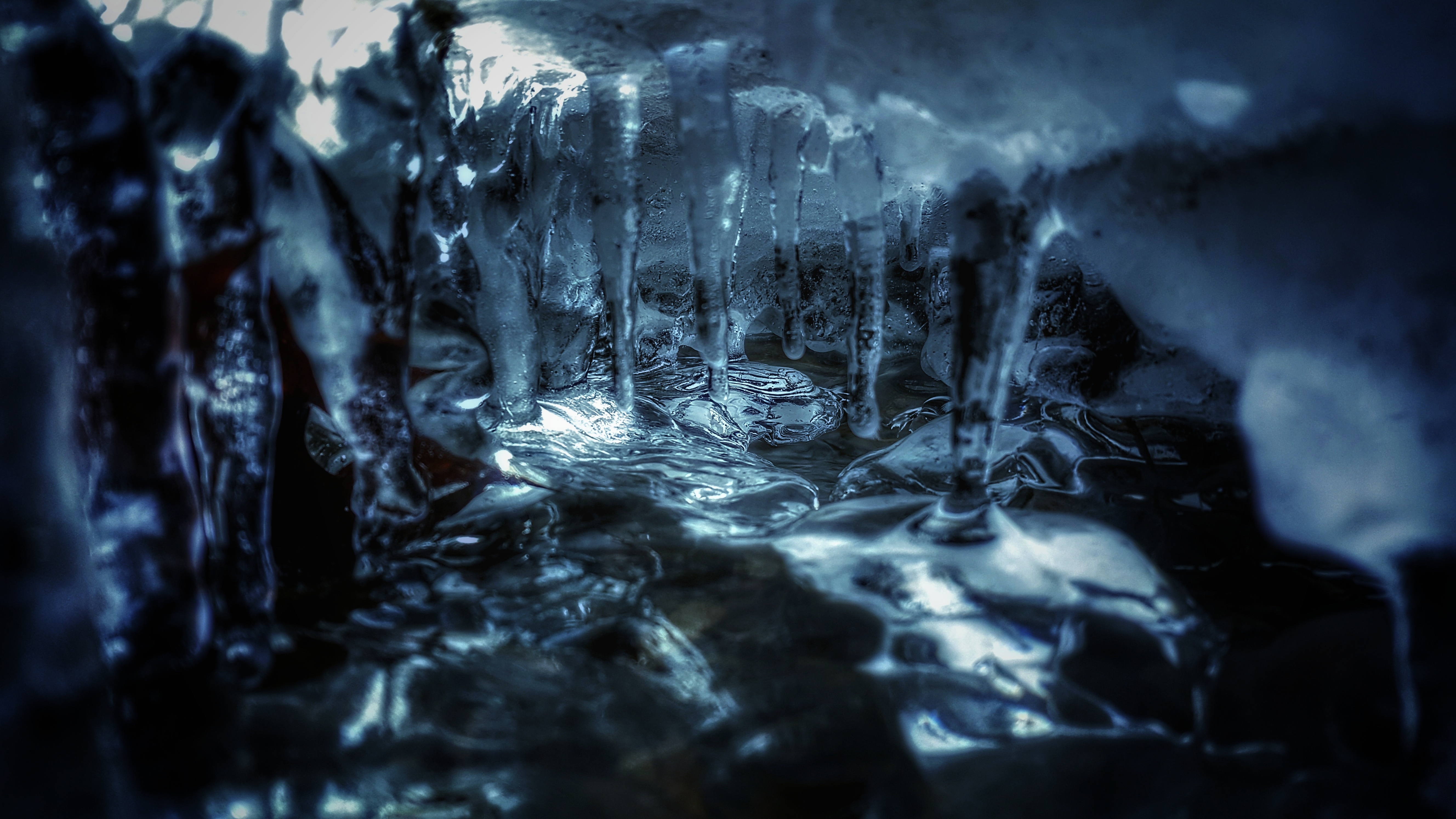
Some countries introduce themselves with skyscrapers, neon signs, and postcards edited until the sky looks like a blueberry smoothie. Poland, thankfully, does not need that kind of drama. It simply opens the door and says, “Here is a forest older than your family tree, a mountain lake so clear it looks professionally polished, a coastline with wandering dunes, and a lake district where your boat may develop commitment issues because there are so many places to go.”
The phrase “I wanna show the beauty of (not only) Poland nature” feels wonderfully honest because Poland is not only beautiful in the obvious travel-brochure way. Yes, it has famous landscapes, protected national parks, and UNESCO-recognized wilderness. But it also has quieter beauty: mist over a meadow, storks balancing on village roofs, pine forests smelling like summer holidays, and rivers that curve through wetlands as if they are avoiding responsibilities.
This article explores the natural beauty of Poland and, just as importantly, the idea that nature never respects borders. Poland’s forests, mountains, wetlands, lakes, and coastlines connect with wider European ecosystems. To love Polish nature is also to appreciate the fragile, fascinating natural world beyond it.
Why Poland Nature Deserves More Attention
Poland sits in Central Europe, but its landscapes feel like a meeting point of several worlds. The north reaches the Baltic Sea, the south rises toward the Carpathian Mountains, the east shelters old forests and wetlands, and the northeast glitters with lakes shaped by ancient glaciers. It is a country where you can hike alpine trails, paddle through marshland, walk beside shifting sand dunes, and then eat pierogi afterward like a responsible outdoor athlete.
One reason Poland nature is so exciting is its variety. The country has 23 national parks, each protecting a different slice of wilderness: mountains, primeval forest, river valleys, coastal dunes, lakes, peat bogs, caves, cliffs, and lowland woodlands. That means travelers do not have to choose between “forest person,” “mountain person,” “beach person,” and “birdwatching person with suspiciously expensive binoculars.” Poland has room for all of them.
Another reason is accessibility. Many of Poland’s natural attractions are close to towns, public transport routes, or well-marked trails. You can visit the Tatra Mountains from Zakopane, reach Masuria through small lake towns, explore Białowieża from nearby villages, or experience the Baltic coast through seaside communities. Nature feels close, not locked behind a velvet rope.
Białowieża Forest: Europe’s Ancient Green Time Machine
If Poland had a natural cathedral, Białowieża Forest would be it. Straddling the Poland-Belarus border, this UNESCO World Heritage site protects one of the last and largest remaining parts of the primeval forest that once covered much of the European Plain. Walk into it, and the modern world suddenly feels like a noisy notification you forgot to mute.
The forest is famous for its European bison, the continent’s heaviest land mammal and a symbol of successful conservation. Białowieża is not a tidy decorative park; it is a living system filled with fallen trees, fungi, insects, birds, wolves, lynx, and old-growth woodland processes that remind visitors nature does not need a landscaping committee.
Why Białowieża Feels Different
Many forests are beautiful, but Białowieża feels ancient. Deadwood is left to decay naturally, creating habitat for insects and fungi. Towering trees rise above shaded paths. Birds call from high branches while the forest floor quietly performs the slow magic of renewal. It teaches visitors that wild beauty is not always neat. Sometimes it is mossy, muddy, and full of beetles doing unpaid ecosystem labor.
For eco-conscious travelers, Białowieża is one of the best places to understand why protected areas matter. It is not just scenery; it is biodiversity, memory, science, and survival wrapped in leaves.
The Tatra Mountains: Poland’s Alpine Drama Department
In southern Poland, the Tatra Mountains rise sharply along the border with Slovakia. They are the highest mountain range in Poland and part of the Carpathians, with dramatic peaks, glacial lakes, waterfalls, caves, and alpine meadows. If Białowieża whispers, the Tatras make a grand entrance wearing hiking boots.
Tatra National Park is a paradise for hikers, photographers, climbers, and anyone who enjoys staring at mountains while pretending to have profound thoughts. One of its most famous destinations is Morskie Oko, a glacial lake framed by steep peaks. The water can look green, blue, silver, or moody gray depending on the weather, which in the mountains changes faster than a teenager picking a playlist.
Zakopane and the Mountain Gateway
The town of Zakopane is often treated as the gateway to the Polish Tatras. From there, visitors can access trails, scenic viewpoints, cable cars, wooden architecture, and hearty mountain food. The Tatras are popular, so responsible travel matters: stay on marked paths, respect wildlife, check weather conditions, and remember that sneakers are not automatically hiking gear just because they once survived a shopping mall.
Beyond the famous spots, the Tatras offer quieter valleys, forest trails, and seasonal changes that make repeat visits worthwhile. Spring brings flowers, summer brings long hiking days, autumn paints the slopes gold and red, and winter turns the mountains into a snow-covered postcard with occasional wind that humbles everyone equally.
Masurian Lake District: Where Water Becomes a Lifestyle
The Masurian Lake District in northeastern Poland is often called the Land of a Thousand Lakes, though the actual number is commonly described as more than 2,000. In other words, Poland looked at ordinary lake regions and said, “Cute. Hold my paddle.”
Formed by glacial activity, Masuria is a dream for sailing, kayaking, swimming, cycling, fishing, and slow travel. Lakes are connected by rivers and canals, forests spread between shorelines, and small towns offer marinas, guesthouses, and relaxed summer energy. Śniardwy, Poland’s largest lake, is one of the region’s best-known natural highlights.
Why Masuria Is More Than a Summer Playground
Masuria is not only about boats and vacation photos. It is also a region of forests, wetlands, birdlife, and rural culture. The combination of water and woodland creates a peaceful rhythm that attracts travelers looking for fresh air instead of crowded city itineraries. You can spend a morning paddling, an afternoon biking through pine forests, and an evening watching the sunset turn the lake into liquid copper.
For families, couples, solo travelers, and nature photographers, Masuria offers an easy kind of beauty. It does not demand extreme fitness or technical gear. It simply asks visitors to slow down enough to notice reflections, reeds, clouds, and the tiny waves made by a passing duck with main-character energy.
Biebrza National Park: Wetlands, Birds, and Beautiful Silence
Biebrza National Park is the largest national park in Poland and protects the Biebrza River valley, peat bogs, marshes, meadows, and floodplains in the northeast. It is one of Europe’s great wetland landscapes, especially beloved by birdwatchers. If you have ever wanted to hear someone whisper excitedly about a warbler, Biebrza is your place.
The park is home to wildlife such as moose, beavers, otters, wolves, lynx, and many bird species. Spring flooding transforms the landscape into a shimmering water world, while summer brings lush vegetation and long golden evenings. The scenery is subtle rather than theatrical, but that is exactly its charm.
The Art of Slowing Down in Biebrza
Biebrza rewards patience. You do not rush through wetlands like you are late for a meeting with a frog. You listen. You scan the reeds. You wait for wings, ripples, and distant calls. Canoeing and guided wildlife tours can help visitors understand the ecosystem without disturbing it.
In a travel culture obsessed with “must-see” viewpoints, Biebrza offers a different lesson: nature is not always about the biggest mountain or brightest sunset. Sometimes it is about a marsh harrier crossing the sky, a moose appearing at the edge of the reeds, or the deep quiet that settles when human noise finally takes a coffee break.
Słowiński National Park: Poland’s Moving Dunes
On the Baltic coast, Słowiński National Park protects one of Poland’s most unusual landscapes: shifting sand dunes, coastal lakes, forests, peat areas, and seaside habitats. The park is known for its moving dunes, which are shaped by wind and can make parts of the landscape look surprisingly desert-like. Yes, Poland has a place where you can stand between forest, lake, sea, and sand and wonder if geography is showing off.
Słowiński is one of the largest national parks in Poland and has extensive water areas, including lakes and coastal zones. Its mix of sea air, birdlife, dunes, and forests creates a landscape unlike anywhere else in the country.
The Baltic Coast Beyond Beach Towels
Poland’s Baltic coast is often associated with seaside holidays, but its natural value goes far beyond summer sunbathing. Dunes protect inland habitats, coastal lakes shelter birds, and forests create quiet walking routes. In Słowiński, the coastline feels alive, shaped by wind, waves, and time.
Visitors should treat the dunes carefully. Walking only on marked routes helps protect fragile vegetation and prevents erosion. Nature may be tough enough to move sand, but it does not need thousands of tourists freestyle-stomping through sensitive habitats like confused giants.
Bieszczady: Wild Mountains for People Who Like Space
In southeastern Poland, the Bieszczady Mountains offer a wilder, quieter mountain experience than the busier Tatras. They are known for rolling ridges, open alpine-style meadows called połoniny, beech forests, dark skies, and a sense of distance that feels rare in modern Europe.
Bieszczady National Park protects part of this landscape and supports wildlife such as wolves, bears, lynx, deer, and birds of prey. For travelers who want less crowd and more horizon, Bieszczady can feel like the answer to a question they did not know they were asking.
Where the Sky Feels Bigger
The magic of Bieszczady is not only in its trails but in its mood. The mountains are softer than the Tatras, yet they feel spacious and mysterious. Hikers climb through forests and emerge onto open ridges where the views roll outward in green waves. At night, the region is known for excellent stargazing because light pollution is lower than in many urban areas.
This is a place for slow hiking, quiet cabins, campfire stories, and the kind of silence that makes city noise seem slightly ridiculous in hindsight.
Ojców, Karkonosze, and the Smaller Wonders
Poland’s natural beauty is not limited to its most famous regions. Ojców National Park, near Kraków, is the smallest national park in Poland, but it packs limestone cliffs, caves, forested valleys, rock formations, and castles into a compact area. It is proof that small parks can still have big personalities.
Karkonosze National Park, in southwestern Poland along the Czech border, protects mountain landscapes with rocky formations, waterfalls, peat bogs, and alpine vegetation. It is popular with hikers and winter travelers, and its highest Polish-side summit area offers sweeping views when the weather behaveswhich, in mountains, is never a legally binding agreement.
Other Polish national parks also deserve attention: Kampinos near Warsaw, Pieniny with the Dunajec River Gorge, Wigry with lakes and forests, Wolin on the Baltic coast, Roztocze with gentle hills, and Narew with river channels sometimes called the Polish Amazon. Each one adds another paragraph to the story of Poland’s nature.
Not Only Poland: Nature Does Not Stop at the Border
The title “I Wanna Show The Beauty Of (Not Only) Poland Nature” is important because ecosystems rarely care about national borders. The Tatra Mountains continue into Slovakia. Białowieża Forest extends into Belarus. Rivers connect wetlands, forests, farms, and towns. Migratory birds treat countries like rest stops, not final destinations.
To appreciate Polish nature is to appreciate Central European nature. The same conservation questions appear everywhere: How do we protect old forests? How do we balance tourism and wildlife? How do we keep rivers healthy? How do we let people enjoy nature without loving it to death?
Travel as Respect, Not Collection
Modern travelers often collect destinations like stickers: been there, photographed that, posted it, next. But nature asks for a better relationship. It wants attention, patience, and respect. When visiting Poland’s landscapes, the goal should not be to conquer the trail, dominate the itinerary, or leave with 900 nearly identical photos of a lake. The goal is to understand why these places matter.
Responsible nature travel means using marked paths, carrying out trash, keeping distance from wildlife, supporting local guides, respecting park rules, and choosing experiences that protect rather than damage the landscape. It sounds simple because it is. The hard part is remembering that “beautiful place” does not mean “personal playground.”
Best Ways to Experience Poland Nature
Go Hiking, But Choose the Right Trail
Poland offers trails for every level, from easy forest walks to demanding mountain routes. Beginners may enjoy Ojców, Kampinos, Masuria, or lower Tatra valleys. Experienced hikers can explore higher Tatra trails or long-distance routes in Bieszczady and Karkonosze. Always check weather, trail conditions, and park regulations before starting.
Try Canoeing or Kayaking
Poland’s rivers and lakes make it a wonderful destination for paddling. Masuria is ideal for lake routes, while Biebrza and Narew offer slower wetland experiences. Kayaking gives travelers a low-noise way to explore nature, though guided tours are best in sensitive protected areas.
Watch Birds Without Becoming a Human Megaphone
Birdwatching is excellent in Biebrza, Narew, Słowiński, Białowieża, and various lake districts. Bring binoculars, wear neutral colors, and practice the ancient art of not yelling “IS THAT A BIRD?” at full volume. Birds are generally aware they are birds.
Visit in Different Seasons
Poland changes dramatically through the year. Spring brings wetlands alive with birds and fresh green forests. Summer is perfect for lakes, mountains, and long daylight. Autumn turns forests into gold and copper. Winter offers snow-covered mountains, frozen lakes, and quiet woodland trails. There is no single best seasononly different flavors of beauty.
Personal Experiences and Reflections: Why This Beauty Stays With You
Experiencing the beauty of Poland nature is not just about visiting famous places; it is about the small moments that follow you home like pine needles stuck to your socks. Imagine waking early in a village near Białowieża, when the air feels cold enough to sharpen your thoughts. The forest is not loud, but it is not silent either. It creaks, rustles, taps, and breathes. Somewhere far away, a bird calls once and then apparently decides that one dramatic note was enough for the morning.
That kind of moment changes the way you understand “wild.” It is not a movie scene with orchestral music. It is slower and stranger. A fallen tree becomes a nursery. Moss covers wood like velvet. Insects do work most people never notice. You begin to understand that a forest is not a collection of trees; it is a conversation that has been going on for centuries.
Then there is the feeling of standing near Morskie Oko in the Tatras. The lake looks almost unreal, like someone cleaned the entire mountain with glass cleaner before sunrise. Around it, peaks rise sharply, clouds drag their shadows over the water, and hikers speak in half-whispers because even the chatty ones seem to recognize they are in the presence of something bigger than their weekend plans. The walk may be tiring, the weather may be moody, and your legs may file a formal complaint, but the view makes a convincing argument for effort.
Masuria gives a different experience. It is not about dramatic height; it is about rhythm. The soft knock of a boat against a dock, the smell of lake water and warm grass, the slow movement of clouds reflected on the surfaceeverything encourages you to relax. In a world where people check their phones before they check the sky, Masuria feels like a polite but firm reminder to look up.
Biebrza teaches patience. At first, a wetland may look empty to an impatient visitor. Then the landscape begins to reveal itself. A reed moves. A bird lifts from the grass. Water shines between plants. A distant animal shape appears and disappears. The beauty is not hidden; it simply refuses to perform on command. That may be the healthiest lesson any traveler can learn.
The Baltic dunes of Słowiński offer another kind of wonder. Walking near the moving dunes, you feel how active the Earth is. Sand shifts, wind writes and erases patterns, and the sea keeps repeating itself in waves like it is practicing a speech. The place feels temporary and ancient at the same time. That contradiction is part of its magic.
What makes Poland nature so memorable is this variety of moods. It can be grand, quiet, wild, gentle, cold, green, golden, windy, muddy, reflective, and occasionally full of mosquitoes with unacceptable confidence. But even the less glamorous details make the experience real. Nature is not a showroom. It has weather, insects, slippery stones, and surprise mud. Somehow, those things make the beauty more honest.
And that is why showing the beauty of not only Poland nature matters. The goal is not simply to say, “Look, this place is pretty.” The goal is to help people care. When someone sees the old forest, the wetland birds, the mountain lake, or the dunes, they may understand that landscapes are not decorations. They are living systems. They need protection, respect, and people willing to notice them before they disappear into the background of busy life.
In the end, Poland’s natural beauty is not a single image. It is a collection of feelings: fresh air in the lungs, tired legs after a trail, silence over water, birds over marshland, wind across dunes, and the humble realization that the world is much bigger and more interesting than our daily routines suggest. Poland simply happens to be a very good place to remember that.
Conclusion
I wanna show the beauty of (not only) Poland nature because Poland is one of Europe’s most underrated outdoor treasures. Its landscapes include primeval forests, alpine mountains, glacial lakes, vast wetlands, Baltic dunes, limestone valleys, and quiet rural scenery. More importantly, these places remind us that nature is not separate from culture, travel, memory, or responsibility.
From Białowieża’s ancient woodland to the Tatra Mountains’ dramatic peaks, from Masuria’s peaceful lakes to Biebrza’s bird-rich marshes, Poland offers natural experiences that are both accessible and deeply meaningful. Yet the phrase “not only Poland” matters too. The beauty of Polish nature is connected to the beauty of wider Europe and the planet itself. Rivers cross borders. Birds migrate. Forests breathe beyond maps. Conservation is never just local.
So yes, show Poland’s beauty. Photograph it, write about it, hike through it, paddle across it, and tell your friends about it with slightly too much enthusiasm. But also protect it. Because the best travel story is not “I was there.” It is “I saw it, I respected it, and I hope it remains beautiful for everyone who comes next.”