

A wood wreath is the rare DIY project that gives you a little applause before the glue gun has even cooled. It looks handmade in the charming way, not the “I wrestled a craft store and lost” way. It brings warmth to a front door, texture to a mantel, and a tiny whisper of rustic design to any wall that has been patiently waiting for personality.
The best part? An instantly gratifying wood wreath does not require a woodworking shop, a garage full of mysterious clamps, or the emotional strength to read a 47-page tool manual. With a simple wreath form, small wood slices or wooden craft shapes, glue, a few finishing touches, and a plan that respects both gravity and good taste, you can create a polished piece of everyday decor in an afternoon.
This guide walks through materials, design choices, step-by-step instructions, finishing ideas, styling tips, and real-life experience from making a wood wreath that feels natural, modern, and satisfyingly quick. Whether you love farmhouse style, minimalist decor, woodland textures, holiday flexibility, or crafts that make your guests say, “Wait, you made that?” this project is ready to become your new favorite door accessory.
Why a Wood Wreath Feels So Rewarding
An instantly gratifying wood wreath works because it combines three things people love: natural texture, simple repetition, and fast visual progress. Unlike some DIY projects that look like a pile of chaos until the final three minutes, a wood wreath starts looking good almost immediately. Once the first layer of wood pieces goes on, the design begins to take shape. By the second layer, you start standing back and nodding like a professional decorator on a home makeover show.
Wood also has a built-in beauty. Every slice, ring, bead, chip, or cutout has its own grain, tone, and edge. Even inexpensive unfinished wood craft pieces can look elevated when arranged carefully. That is the quiet magic of natural materials: they do half the styling work while you take credit. Very generous of them.
A wood wreath is also seasonless. Add eucalyptus and linen ribbon for spring, dried orange slices for winter, mini pumpkins for fall, or leave it bare for a clean everyday look. A grapevine wreath may lean rustic and greenery may lean seasonal, but wood sits nicely in the middle. It can look farmhouse, Scandinavian, boho, coastal, modern, or festive depending on the accents you choose.
Best Materials for an Instantly Gratifying Wood Wreath
Wood Pieces
The easiest option is pre-cut wood slices, often sold in craft stores in mixed sizes. Look for pieces that are dry, lightweight, and relatively flat. Slight imperfections are welcome because they create a natural look. Very warped pieces, however, can make gluing difficult and may pop off later, which is rude behavior from a circle.
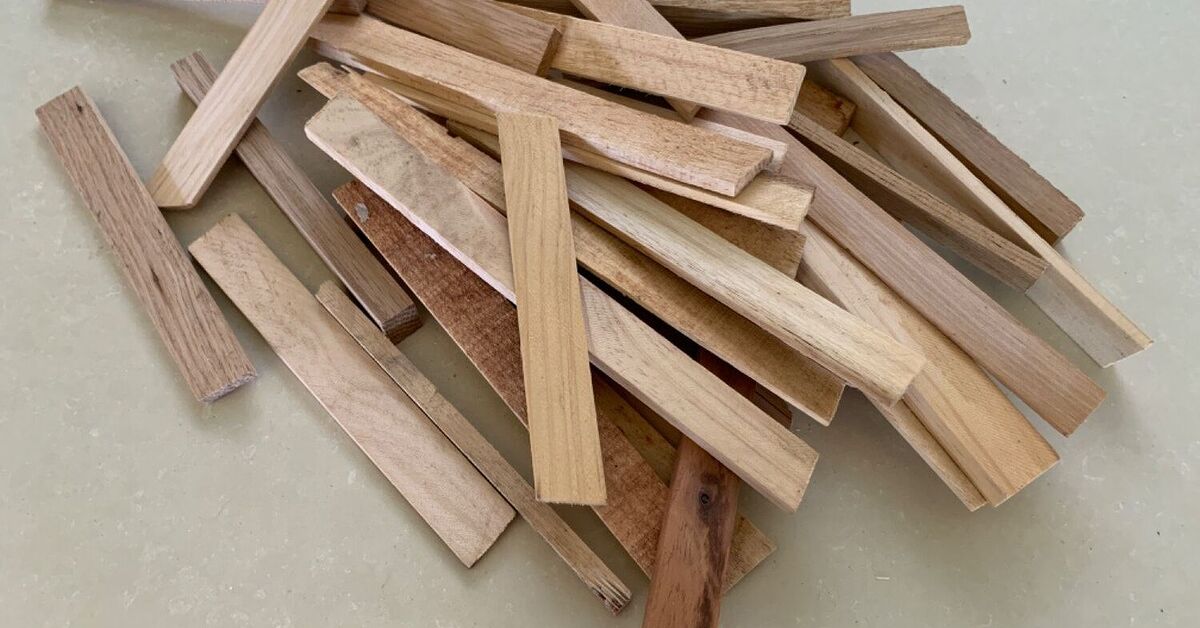
You can also use unfinished wooden rings, half-round beads, craft sticks, thin wood shims, laser-cut shapes, small wooden discs, or even scrap veneer pieces. For a rustic wreath, choose bark-edge slices. For a modern version, use smooth circles or geometric cutouts. For a playful version, combine circles, stars, leaves, and small seasonal shapes.
Wreath Form
A flat wooden wreath form is ideal because wood adheres well to wood and the finished wreath stays sturdy. A foam form works too, especially if it is wrapped in burlap, ribbon, or kraft paper first. A wire form can work, but it usually needs a backing layer so the wood pieces have enough surface area to grip. For beginners, a flat 12-inch to 16-inch wooden or MDF ring is the easiest choice.
Adhesive
Hot glue is the fastest option and gives the project its “instantly gratifying” personality. It is excellent for lightweight wood pieces and indoor or sheltered use. For a wreath that will hang on an exterior door, especially in heat, humidity, or direct sun, consider using a stronger craft adhesive, wood glue, or a small amount of construction adhesive in combination with hot glue. The hot glue acts like a clamp while the stronger adhesive cures.
Finishes and Accents
You can leave the wood natural, stain it, dry-brush it with white paint, add a clear sealer, or tint individual pieces for an ombre effect. Accent materials can include ribbon, twine, faux greenery, preserved moss, pinecones, bells, dried flowers, felt leaves, small ornaments, wooden letters, or a simple bow. The trick is to let the wood remain the star. Nobody came to a wood wreath party hoping the bow would start a coup.
Tools You Will Need
- Flat wreath form, preferably 12 to 16 inches
- Wood slices, discs, rings, or unfinished craft wood pieces
- Hot glue gun and glue sticks
- Optional stronger adhesive for outdoor use
- Sandpaper or sanding sponge, around 120 to 180 grit
- Scissors or wire cutters for accents
- Ribbon, twine, or wreath hanger
- Clear sealer, stain, or craft paint if desired
- Drop cloth or parchment paper to protect the table
Before starting, sort your wood pieces by size and tone. This takes five minutes and saves you from the classic crafter’s crisis of discovering all your best pieces are buried under the glue gun cord. Group large slices for the base layer, medium ones for coverage, and small ones for filling gaps.
Step-by-Step: How to Make an Instantly Gratifying Wood Wreath
Step 1: Plan the Layout Before Gluing
Place the wreath form on your work surface and arrange the largest wood pieces around it without glue. Let them overlap slightly. The goal is to cover the form while creating movement. Avoid placing every piece at the exact same angle unless you want the wreath to look like it was assembled by a very anxious ruler.
For a natural style, vary the angles and let bark edges face different directions. For a cleaner modern style, line up similar-sized discs in a consistent pattern. For a fuller look, plan at least two layers. The first layer provides structure; the second layer hides gaps and adds depth.
Step 2: Glue the Base Layer
Working in small sections, lift one wood piece at a time, add glue to the back, and press it firmly onto the form. Hold it for a few seconds before moving to the next piece. If you are using both hot glue and stronger adhesive, apply a small dot of the stronger glue first and a bead of hot glue beside it. That gives you immediate hold and longer-term strength.
Continue around the wreath until the first layer is complete. Do not panic if the wreath looks a little thin at this stage. Many DIY projects go through a brief awkward phase. So do haircuts, houseplants, and most dinner parties before the snacks appear.
Step 3: Add a Second Layer for Dimension
Now add medium and small wood pieces over the seams between the first-layer pieces. This is where the wreath becomes more polished. Overlapping hides the form, creates shadows, and makes the finished design look intentional rather than “I glued circles until I felt something.”
Focus on balance, not perfection. If one side has more dark bark, add a few darker pieces on the opposite side. If one section feels heavy, fill the other side with slightly larger pieces. Rotate the wreath occasionally as you work so the design looks good from every angle.
Step 4: Fill Gaps Carefully
Small wood slices, half beads, or bark chips are perfect for filling awkward spaces. Look at the wreath from a few feet away. Gaps that look huge up close may disappear from normal viewing distance, so do not overfill the design. Negative space can be elegant. Random glue webs cannot, so remove them as you go.
Step 5: Sand Any Rough Spots
If the wood pieces have splinters or sharp edges, lightly sand them before or after gluing. A quick pass with 120 to 180 grit sandpaper is usually enough for craft wood. Sanding helps the wreath feel finished and prevents rough spots from snagging ribbon, fabric, or your sleeve when you triumphantly hold it up for inspection.
Step 6: Add Color or Keep It Natural
A natural wood wreath is beautiful on its own, especially if the slices have visible grain and bark. For a softer look, dry-brush white or cream paint across the surface. For a richer look, use a light wood stain. For a modern look, paint only a few pieces matte black, sage green, navy, or warm terracotta.
If the wreath will hang outside, choose finishes and sealers appropriate for exterior or sheltered outdoor use. A clear acrylic sealer can help protect painted or stained craft surfaces. For an exterior door that gets sun or rain, place the wreath behind a storm door, under a porch, or in another protected spot whenever possible.
Step 7: Add a Hanger
Ribbon is the easiest hanger and adds softness to the hard wood texture. Loop ribbon through the wreath and tie it at the top, or attach a sawtooth hanger or D-ring to the back of a wooden wreath form. Twine works beautifully for rustic decor, while velvet ribbon makes the wreath feel more dressed up. A leather strip can give it a clean modern edge.
Design Ideas for Every Style
Rustic Cabin Wood Wreath
Use bark-edge wood slices in mixed sizes, then add pinecones, jute twine, and a loose linen bow. Keep the palette natural and earthy. This version looks perfect on a dark front door, above a fireplace, or in an entryway with baskets and boots nearby. Bonus points if the boots are decorative and not muddy evidence of your last gardening adventure.
Modern Minimalist Wood Wreath
Choose smooth wooden discs or rings in similar sizes. Arrange them evenly on a flat form and skip the bow. Add one small asymmetrical cluster of eucalyptus or preserved moss near the lower left side. The result feels calm, sculptural, and surprisingly high-end.
Farmhouse Everyday Wreath
Use natural wood slices, a buffalo-check ribbon, and a small wooden “hello” or house number accent. Keep the lettering simple and avoid overcrowding the wreath. Farmhouse style works best when it feels welcoming, not like every sign in the house is shouting instructions at guests.
Holiday Wood Wreath
Add tiny ornaments, faux cedar, dried orange slices, cinnamon sticks, or brass bells. The warm wood balances sparkle and color, so the wreath stays cozy instead of chaotic. For easy seasonal changes, attach holiday accents with floral wire instead of permanent glue. After the holiday, remove them and return the wreath to its everyday look.
Boho Wood Bead Wreath
Use split wood beads, wooden rings, or a mix of beads and discs. Add macrame cord, dried grasses, or a small tassel. This style works well indoors, especially over a console table, nursery shelf, or bedroom wall. Keep the shape simple and let texture do the talking.
Common Mistakes and How to Avoid Them
Using Pieces That Are Too Heavy
Heavy wood slices can pull away from the form, especially if the wreath hangs on a door that opens and closes frequently. Choose thin slices or lightweight craft wood. If you already have heavier pieces, use a strong backing form and a more durable adhesive.
Skipping the Dry Layout
Dry fitting may feel like an unnecessary delay, but it prevents lopsided spacing and awkward gaps. Think of it as rehearsal dinner for your wreath. Nobody is committed yet, but everyone learns where to stand.
Adding Too Many Accents
Wood wreaths look best when the natural material remains visible. A bow, greenery cluster, or small seasonal accent is enough. If you add ribbon, flowers, berries, moss, bells, lettering, glitter, and three tiny birds, the wood may politely disappear.
Ignoring Weather
Wood is sturdy, but it is still a natural material. Moisture, direct sun, and temperature changes can affect finishes and adhesives. For outdoor display, seal the wreath, hang it in a protected area, and bring it indoors during extreme weather.
Where to Display a Wood Wreath
The front door is the obvious choice, but a wood wreath is much more versatile than that. Hang it above a mantel for a cozy focal point. Place it over a mirror for layered texture. Use it in a kitchen, mudroom, covered porch, hallway, or guest room. Smaller wood wreaths can even work as cabinet decor, chair-back accents, or centerpiece rings around candles.
For everyday decorating, pair the wreath with materials that echo its warmth: woven baskets, linen textiles, ceramic vases, brass hooks, stoneware, rattan trays, or simple greenery. The wreath should feel connected to the room, not like it wandered in from a craft fair and is looking for the exit.
Care and Storage Tips
Dust the wreath with a soft cloth, feather duster, or gentle burst of air. Avoid soaking it or using harsh cleaners. If a piece loosens, remove old glue strings and reattach it with fresh adhesive. For seasonal storage, wrap the wreath loosely in tissue paper or a cotton pillowcase and place it in a sturdy box. Avoid crushing it under heavier decor unless you enjoy rebuilding your projects as an annual tradition.
If your wreath includes dried flowers, moss, or natural botanicals, store it in a dry place away from direct light. If it has removable accents, label them in a small bag so next season you are not searching for tiny pinecones with the intensity of a detective drama.
Personal Experience: What Making an Instantly Gratifying Wood Wreath Really Feels Like
The first time you make an instantly gratifying wood wreath, the most surprising part is how quickly it starts looking like something you would actually buy. Many DIY projects begin with optimism and quickly enter a suspicious middle stage. This wreath, thankfully, is kinder. After about ten minutes of arranging wood slices, you can already see the final shape. That early progress is motivating, especially if you are the kind of person who has three unfinished projects hiding in a closet pretending to be “future creativity.”
One helpful lesson is to sort everything before plugging in the glue gun. At first, it seems faster to grab wood pieces straight from the bag, but the random method usually leads to one side of the wreath having all the large pieces and the other side looking like it missed breakfast. Sorting by size and color makes the process smoother. It also lets you save the prettiest pieces for the top layer, where they can show off shamelessly.
Another real-world discovery is that imperfect wood often looks better than perfect wood. A cracked edge, a darker grain line, a bit of bark, or a slightly uneven circle adds character. When every piece is identical, the wreath can feel flat. When the pieces vary naturally, the wreath has movement and charm. It feels handmade in the best possible way: warm, personal, and impossible to duplicate exactly.
The glue stage is satisfying but deserves patience. Pressing each piece for a few seconds makes a big difference. It is tempting to rush because hot glue gives instant hold, but a little pressure helps the pieces sit flat and secure. Keep a scrap piece of cardboard nearby to catch glue strings. Glue strings are the confetti of crafting, except no one invited them and they cling to everything like they pay rent.
Choosing accents may be the hardest part because the possibilities are dangerously fun. A plain wood wreath looks clean and timeless. Add greenery and it becomes fresh. Add ribbon and it becomes welcoming. Add bells and suddenly it is holiday-ready. The best approach is to start simple. Place accents on the wreath without attaching them, take a step back, and remove one thing. Most of the time, the edited version looks more expensive.
The finished wreath has a satisfying weight and presence. It feels sturdy but not bulky, rustic but not messy, decorative but not fussy. On a front door, it makes the entry feel cared for. Indoors, it adds texture without demanding a full room makeover. That is why this project earns the phrase “instantly gratifying.” It gives you visible results, creative flexibility, and the pleasant feeling that maybe, just maybe, you are the kind of person who casually makes beautiful things before dinner.
Even better, the wreath can keep evolving. In spring, tuck in faux greenery or small white flowers. In summer, use a striped ribbon or leave it bare. In fall, wire in mini pinecones or dried leaves. In winter, add evergreen sprigs and a velvet bow. One simple base can become several different looks, which makes the project budget-friendly and storage-friendly. Your closet will thank you, assuming it can still speak from beneath the old gift bags.
In the end, a wood wreath is more than a quick craft. It is a small decorating win. It proves that simple materials can look beautiful when arranged with care. It gives your home a handmade touch without requiring advanced skills. And it delivers that rare DIY feeling: the joy of finishing something attractive, useful, and display-worthy before your coffee gets cold.
Conclusion
An instantly gratifying wood wreath is the perfect project for anyone who wants quick results, natural texture, and flexible decor that works all year. With a wreath form, lightweight wood pieces, reliable adhesive, and a few thoughtful accents, you can create a piece that feels handmade, stylish, and surprisingly polished. Keep the layout balanced, let the wood grain shine, and choose finishes based on where the wreath will hang. Whether your style is rustic, modern, farmhouse, boho, or holiday-ready, this DIY wood wreath offers a beautiful way to warm up your home without overcomplicating the process.
Note: This article is an original, fully rewritten synthesis based on practical DIY wreath-making, wood finishing, crafting, home decor, and hardware guidance commonly shared by reputable U.S. home, craft, and woodworking resources.