

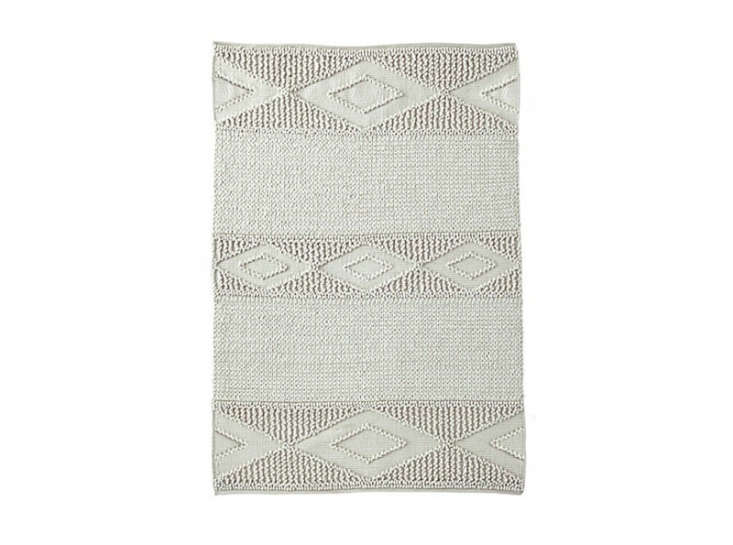
An ivory macrame wool rug is the kind of home accent that quietly walks into a room and says, “Don’t worry, I brought texture.” It is soft without being sleepy, decorative without being dramatic, and neutral without being boring. In a world where some rugs shout for attention like they just discovered social media, an ivory macrame wool rug takes a calmer approach. It adds warmth, handmade character, and a relaxed sense of elegance that works beautifully in modern, bohemian, Scandinavian, coastal, farmhouse, and transitional interiors.
The magic comes from the mix: ivory gives the rug a clean, creamy brightness; macrame-inspired construction adds knots, braids, fringe, and tactile detail; and wool brings natural softness, resilience, and comfort underfoot. Together, they create a rug that looks styled but not staged. It can anchor a living room, soften a bedroom, warm up a reading nook, or give an entryway a welcoming first impressionassuming your shoes behave themselves.
This guide explores what makes an ivory macrame wool rug special, how to style it, where to place it, what to look for before buying, and how to care for it so it remains beautiful long after the “new rug excitement” wears off.
What Is an Ivory Macrame Wool Rug?
An ivory macrame wool rug is typically a wool or wool-blend area rug designed with decorative knotting, braided textures, raised patterns, tassels, or fringe inspired by traditional macrame. Macrame itself is a textile technique based on knots rather than weaving or knitting. While classic macrame often appears in wall hangings, plant holders, and boho decor, rug designers borrow its visual language to create floor coverings with sculptural texture.
The word “ivory” refers to a warm off-white shade. It is softer than stark white and usually carries subtle cream, beige, or pale yellow undertones. That small warmth matters. Pure white can sometimes feel cold or high-maintenance, while ivory feels relaxed, natural, and forgiving. It also pairs well with wood tones, linen upholstery, leather furniture, black accents, brass lighting, and earthy ceramics.
Wool is the practical hero of the story. A wool rug feels plush, helps add insulation, and tends to recover well from daily foot traffic. It is not invincibleno rug is, despite what a suspiciously cheerful product description might implybut it is one of the most respected natural fibers for rugs because it balances beauty, durability, and comfort.
Why Ivory Works So Well in Interior Design
Ivory rugs are popular because they make rooms feel brighter without creating the museum-level anxiety of a pure white rug. The color reflects light, opens up small rooms, and creates a calm base for layered decor. If your furniture includes darker wood, charcoal upholstery, olive green pillows, terracotta vases, or black metal frames, an ivory rug can create contrast without fighting for attention.
In open-concept homes, ivory also helps connect spaces visually. For example, an ivory macrame wool rug in the living area can soften the transition between a white kitchen, oak dining table, and beige sectional. It becomes the quiet bridge between surfaces, colors, and textures. Think of it as the friend at dinner who keeps the conversation flowing and somehow remembers everyone’s name.
Best Color Pairings for Ivory Macrame Rugs
Ivory pairs naturally with warm neutrals such as camel, sand, oat, taupe, and mushroom. It also looks elegant with deeper tones like espresso, walnut, navy, forest green, rust, and matte black. For a softer palette, combine it with blush, sage, pale gray, or dusty blue. The goal is not to match everything perfectly; it is to create a room where tones feel related, layered, and intentional.
The Appeal of Macrame Texture
Texture is what separates a memorable room from a flat one. A plain ivory rug can be lovely, but a macrame-inspired ivory wool rug adds movement and dimension. Raised knots, braided borders, looped sections, tassels, and fringe create shadows across the surface, making the rug feel handcrafted and visually rich.
This is especially useful in neutral interiors. A beige sofa, white walls, and light wood furniture can look peacefulor like the room is waiting for someone to finish decorating it. A textured wool rug adds depth without requiring bold color. It gives the eye something to enjoy while keeping the overall palette calm.
Macrame details also bring a relaxed, artisanal mood. They suggest handmade craft, slow living, and natural materials. That does not mean your home has to look like a 1970s plant shop, although honestly, a few plants would not hurt. Modern macrame rugs can feel refined when paired with clean-lined furniture and minimal accessories.
Benefits of Choosing Wool
Wool is a favorite rug material for good reason. It is naturally soft, comfortable, and springy. When used in a well-made rug, wool fibers can handle regular use and maintain their shape better than many delicate natural fibers. Wool also has a naturally cozy feel, making it especially appealing in bedrooms, living rooms, nurseries, and lounging areas.
Another benefit is that wool can help make a room feel warmer, both visually and physically. Place an ivory wool rug over hardwood, tile, or concrete, and the space instantly feels more inviting. It can reduce the echo in rooms with hard surfaces, too. If your living room currently sounds like a small airport terminal, a wool rug may help.
Wool is also a strong choice for people who want a natural material rather than a fully synthetic rug. Many homeowners prefer wool because it has a timeless look and works across design styles. From traditional hand-knotted pieces to modern tufted rugs with chunky texture, wool rarely feels trendy in a disposable way.
Where to Use an Ivory Macrame Wool Rug
Living Room
The living room is one of the best places for an ivory macrame wool rug. It can anchor the seating area and create a soft landing under a coffee table. For a balanced look, choose a size large enough for at least the front legs of the sofa and chairs to sit on the rug. A too-small rug can make furniture look like it is awkwardly standing around at a party.
Pair the rug with a linen sofa, wood coffee table, woven baskets, and textured pillows for a warm natural look. If your room is more modern, use the rug to soften sharp lines from metal, glass, or leather furniture.
Bedroom
In a bedroom, an ivory macrame wool rug creates a soft, peaceful atmosphere. A large rug under the bed can extend beyond the sides and foot, giving your feet a cozy place to land in the morning. If a large rug is not practical, try runners on both sides of the bed.
The ivory tone works beautifully with white bedding, cream throws, oak nightstands, boucle chairs, or muted accent colors. It can make the bedroom feel like a boutique retreat without requiring you to fold towels into swans.
Entryway
An ivory rug in an entryway is gorgeous, but it needs a little realism. If the area gets heavy outdoor dirt, rain, or muddy shoes, a lighter wool rug may require more frequent care. In a low-traffic foyer or covered entry, however, a macrame wool rug can make a stunning first impression. Use a quality rug pad to prevent slipping and help the rug keep its shape.
Reading Nook or Home Office
A smaller ivory macrame wool rug can define a reading corner or home office zone. Place it under an accent chair, floor lamp, and side table to create a cozy destination. In a home office, it can soften the look of a desk area and add texture to video-call backgroundsbecause yes, people notice what is behind you.
How to Style an Ivory Macrame Wool Rug
Styling an ivory macrame wool rug is all about balance. Since the rug already has texture, you can pair it with smoother surfaces to keep the room from feeling too busy. For example, try a sleek wooden coffee table, simple ceramic lamps, or a clean-lined sofa. Then add a few textured accents like a knit throw, linen curtains, or rattan baskets.
If you love bohemian style, lean into layers. Add plants, woven wall decor, low-profile furniture, and warm wood finishes. If you prefer Scandinavian design, keep the palette lighter with pale wood, simple shapes, and soft gray or beige accents. For coastal interiors, combine the rug with white walls, blue-gray pillows, cane chairs, and driftwood-inspired finishes.
Layering Ideas
Layering rugs can make a room feel collected and custom. An ivory macrame wool rug can sit on top of a larger flat-weave natural fiber rug for extra dimension. This works especially well if the ivory rug is smaller or more decorative. The bottom rug adds scale, while the top rug adds softness and detail.
When layering, keep one rug quieter than the other. If the macrame rug has strong raised patterns or fringe, choose a simple base rug in jute, sisal-style texture, or a flat neutral weave. The goal is “effortlessly layered,” not “rug pileup in aisle five.”
Choosing the Right Size
Size can make or break the look of an area rug. In a living room, an 8-by-10-foot rug often works for standard seating arrangements, while a 9-by-12-foot rug may be better for larger rooms. In bedrooms, a queen bed usually pairs well with an 8-by-10-foot rug, while a king bed often needs a 9-by-12-foot rug for balanced coverage.
For dining rooms, choose a rug large enough so chairs remain on the rug when pulled out from the table. However, an ivory macrame wool rug may not always be the most practical dining choice if the texture traps crumbs or if the household includes enthusiastic spaghetti eaters. In that case, save the ivory wool beauty for the living room or bedroom.
What to Look for Before Buying
Material Content
Check whether the rug is 100% wool or a wool blend. A wool-cotton blend may feel lighter or more flexible, while a pure wool rug may offer a richer feel. Look closely at the backing, pile type, and construction. Handwoven, hand-tufted, braided, and flat-woven rugs all behave differently.
Texture and Pile Height
Macrame-inspired rugs can include raised knots, loops, tassels, or carved patterns. These features are beautiful, but consider how the rug will be used. A high-texture rug may be better beside a bed than under a rolling office chair. If you have pets, long fringe may become an irresistible toy. Your cat may call it “interactive design.”
Color Undertone
Ivory can lean warm cream, pale beige, or almost white. Always compare the color to your existing furniture, wall paint, and flooring. A warm ivory rug may look rich against oak floors but slightly yellow beside cool gray walls. If possible, view product photos in different lighting or order a sample.
Rug Pad Compatibility
A rug pad is not glamorous, but it matters. It helps prevent slipping, adds cushioning, protects flooring, and can extend the life of the rug. Choose a pad suitable for your floor type, especially if you have hardwood, luxury vinyl, tile, or heated floors.
How to Clean and Maintain an Ivory Macrame Wool Rug
Ivory wool rugs reward gentle, consistent care. Vacuum regularly using a suction setting appropriate for wool and texture. Avoid aggressive brushing on raised knots or fringe, because rough vacuuming can pull fibers and distort details. For fringe, use the vacuum hose carefully or shake the fringe by hand.
Blot spills immediately with a clean, dry cloth. Do not scrub. Scrubbing can push liquid deeper and fuzz the wool fibers. For small spots, use a wool-safe cleaner or mild soap solution only after testing in an hidden area. Avoid bleach, harsh chemicals, and over-wetting. Wool does not appreciate being treated like a driveway.
Rotate the rug every few months to prevent uneven wear, sunlight fading, and furniture marks. This is especially helpful for ivory rugs because traffic patterns can become more visible over time. If the rug is in a sunny room, consider window treatments to reduce strong UV exposure.
Professional cleaning is wise every six to twelve months, depending on traffic, pets, children, and indoor air quality. A professional rug cleaner who understands wool can deep clean without damaging the fibers or backing. For heavily textured macrame designs, professional care is especially helpful because dust can settle into raised patterns.
Common Mistakes to Avoid
One common mistake is buying a rug that is too small. A small ivory rug may look cute online, then arrive and appear to be floating helplessly in the middle of the room. Measure before buying and use painter’s tape on the floor to visualize the size.
Another mistake is ignoring lifestyle. If your household includes muddy paws, toddlers with juice boxes, or roommates who think coasters are decorative myths, an ivory rug needs strategic placement. That does not mean you cannot own one; it means you should place it where it can succeed.
Finally, do not assume all wool rugs are the same. Construction quality matters. Dense wool, secure edges, careful knotting, and stable backing can make a major difference in how the rug wears over time.
Design Examples for Different Rooms
Modern Organic Living Room
Start with a low-profile beige sectional, add a walnut coffee table, and place an ivory macrame wool rug underneath. Finish with black metal lighting, a large ceramic vase, and olive or rust pillows. The rug softens the modern lines and adds handmade warmth.
Boho Bedroom
Use the rug under a natural wood bed frame with white linen bedding, a chunky knit blanket, woven pendant light, and a few trailing plants. The ivory color keeps the room bright, while macrame texture reinforces the relaxed boho feel.
Coastal Sitting Area
Pair the rug with slipcovered chairs, pale blue pillows, a light oak side table, and sheer curtains. Add a woven basket for throws. The result feels breezy and calm without turning into a beach-themed souvenir shop.
Is an Ivory Macrame Wool Rug Worth It?
For many homes, yes. An ivory macrame wool rug offers the rare combination of style, softness, and versatility. It can dress up a room without making it feel formal. It works with multiple decor styles and can transition through seasonal updates. Swap pillows, throws, or artwork, and the rug still fits.
The main trade-off is maintenance. Ivory shows dirt more easily than darker colors, and textured designs need careful cleaning. But if you are willing to vacuum regularly, rotate the rug, and treat spills quickly, it can remain a beautiful long-term piece.
Personal Experience: Living With an Ivory Macrame Wool Rug
The first thing people usually notice about an ivory macrame wool rug is not the color. It is the texture. When placed in a room, the rug changes the mood before anyone has time to analyze why. A plain floor suddenly feels warmer, the furniture feels more connected, and the room looks more intentional. It is like adding the final sentence to a paragraph that previously ended with “and then…”
In a living room, the experience is especially noticeable. A sofa and coffee table can look perfectly fine on bare wood floors, but once an ivory macrame wool rug is added, the seating area feels complete. The raised pattern catches natural light during the day, creating soft shadows that make the rug look different from morning to evening. At night, under warm lamps, the ivory tone becomes creamier and cozier.
One practical lesson is that placement matters. An ivory macrame wool rug performs best where it can be admired but not abused. In a main walkway, the texture may collect more dust and require extra vacuuming. Under a bed, in a sitting area, or beneath a coffee table, it can shine without facing constant traffic. If you want the rug in a busy family room, choose a design with a slightly lower texture and secure edges.
Another experience worth mentioning is how well the rug works with seasonal decorating. In spring, it pairs beautifully with pale green branches, linen pillows, and fresh flowers. In summer, it keeps the room light and airy with rattan, white cotton, and glass accents. In fall, it warms up with rust pillows, amber glass, and dark wood. In winter, it becomes the perfect base for chunky throws, candles, and the kind of socks that make you slide across the floor like a cautious penguin.
Care becomes easier once it becomes routine. A quick vacuum once or twice a week keeps dust from settling deep into the texture. Rotating the rug every few months prevents one side from aging faster than the other. The most important habit is handling spills immediately. Blot first, think second. Scrubbing is tempting, but it usually makes the situation worse. A clean towel and patience are better than panic-cleaning like you are defusing a tiny home decor emergency.
One surprise is how forgiving ivory can be when it has texture. A completely flat white rug may show every speck, but a macrame wool rug has visual movement that helps disguise minor daily life. That does not mean it hides everything, of course. Coffee, muddy shoes, and mystery stains still deserve respect. But the texture gives the rug depth and keeps it from looking sterile.
The best part of living with an ivory macrame wool rug is its ability to make a room feel personal. It does not look like a cold showroom piece. It feels crafted, layered, and touchable. Guests may not know the exact phrase “ivory macrame wool rug,” but they will notice that the room feels comfortable and pulled together. And honestly, that is the real goal of good design: not to impress people with terminology, but to make them want to sit down and stay awhile.
Conclusion
An ivory macrame wool rug is more than a neutral floor covering. It is a design tool that brings softness, texture, warmth, and quiet personality into a home. The ivory shade brightens rooms without feeling harsh, the macrame-inspired texture adds handcrafted charm, and wool provides comfort and resilience. Whether used in a living room, bedroom, reading nook, or layered design scheme, this rug can make a space feel finished without making it feel fussy.
Choose the right size, pay attention to construction, use a proper rug pad, and care for it gently. With regular maintenance and thoughtful placement, an ivory macrame wool rug can become one of those pieces that guests compliment, pets investigate, and homeowners secretly admire every time they walk past.