

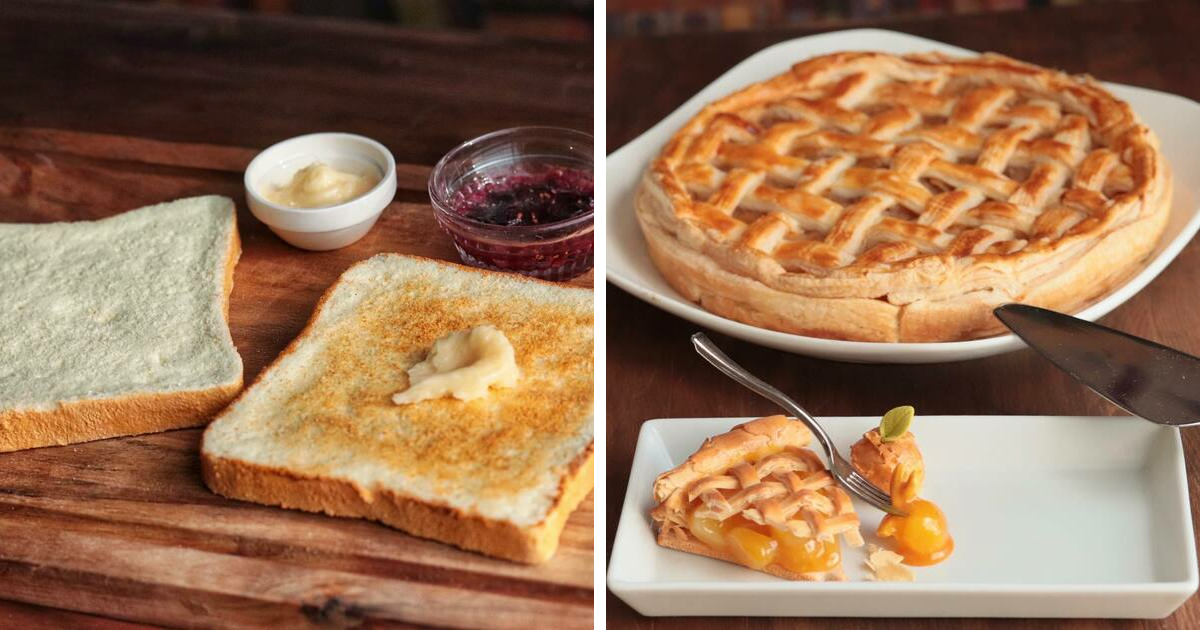
At first glance, Noriko Watanabe’s food replicas look like they belong on a dinner table, not behind glass. The ramen glistens. The fried shrimp looks crisp enough to crackle. The strawberries appear one second away from staining your fingers. Then your brain catches up and whispers the twist: none of it is edible. Congratulations, you have been politely fooled by one of Japan’s most delightful art forms.
Watanabe, the artist behind Fake Food Cooking, creates realistic food samples in full-size and miniature forms, using materials such as resin, clay, paint, silicone, and other craft techniques to imitate the exact drama of a meal. Her work belongs to the long Japanese tradition of shokuhin sampuru, the hyper-realistic food replicas commonly displayed outside restaurants to show diners what they can order. What began as a practical restaurant tool has become a cultural icon, a collectible, a tourist obsession, and, in the right hands, pure art.
This is where the magic gets funny: a fake parfait can trigger real hunger. A plastic curry can make you crave lunch. A tiny clay sandwich can make your stomach file an official complaint. That tension between “do not eat this” and “but it looks delicious” is exactly why Japanese food replica art is so captivating.
What Are Japanese Food Replicas?
Japanese food replicas, often called sampuru, are realistic models of dishes made for display. You will find them in restaurant windows, department stores, food courts, souvenir shops, and specialist workshops across Japan. They help customers understand portion size, ingredients, presentation, and style before ordering. For travelers who cannot read a Japanese menu, sampuru can be the difference between “I’ll have the delicious-looking noodle bowl” and “I accidentally ordered something with more tentacles than expected.”
Traditional replicas were often made from wax. Over time, artisans shifted toward longer-lasting materials such as plastic, vinyl, PVC, resin, silicone molds, and hand-applied paint. Modern food replicas are not just copied; they are interpreted. A maker may exaggerate the gloss of sauce, deepen the grill marks on meat, or paint a strawberry slightly brighter than nature usually allows. The goal is not flat realism. The goal is appetite.
Who Is Noriko Watanabe?
Noriko Watanabe is a Japanese food replica artist and instructor known for Fake Food Cooking, a Saitama-based project focused on creating realistic food samples from full-size pieces to miniatures. Her work emphasizes the “almost edible” illusion: fluffy bread, shiny fruit, crisp fried foods, creamy desserts, and tiny dishes that seem to have been shrunk by a very hungry wizard.
Watanabe opened her home-based food sample class in 2018 and continues to teach students who are interested in handmade crafts and replica food. Her approach is especially charming because it combines professional precision with playful accessibility. These pieces are not cold museum objects. They feel warm, familiar, and mischievous, as if a sandwich just walked into an art gallery wearing a fake mustache.
Why These Replicas Look So Real
1. Texture Comes First
The secret is not only color. Texture is what convinces the eye. A croissant must have flaky layers. A fried cutlet needs rough, uneven crumbs. A lemon slice has to show translucent pulp. A bowl of rice must look like thousands of separate grains, not one sad white lump. Watanabe’s best replicas succeed because they understand that food is never perfectly smooth. Real food has bumps, cracks, bubbles, wrinkles, and little accidents.
2. Shine Is a Language
In food replica art, shine does serious work. A glossy noodle tells the viewer it is coated in broth. A wet-looking strawberry suggests freshness. A lacquered sauce makes a hamburger steak appear hot. Too little shine and the piece looks dead. Too much shine and it looks like it escaped from a toy factory. The best artists know exactly where to place the gleam.
3. Imperfection Makes It Believable
Perfect food often looks fake. Ironically, fake food looks real when it includes tiny imperfections: uneven browning, random sesame seeds, slightly collapsed whipped cream, a drip of syrup, or a noodle that refuses to behave. Watanabe’s replicas are convincing because they preserve these little moments of delicious chaos.
The History Behind Japan’s Fake Food Art
The story of Japanese food replicas stretches back to the early twentieth century, when restaurants needed a visual way to communicate unfamiliar dishes to customers. As cities grew and people ate out more often, realistic displays became a practical solution. Instead of guessing what “omelet rice,” “spaghetti,” or “hamburg steak” might look like, customers could simply point.
Takizo Iwasaki is one of the most important names in the history of the craft. In the 1930s, he helped establish food replicas as a business, and Gujō Hachiman in Gifu Prefecture became closely associated with the industry. Today, the region remains famous for food sample workshops, where visitors can try making wax tempura, sushi, lettuce, and other deceptively tasty objects.
Tokyo’s Kappabashi Street, often called Kitchen Town, is another legendary destination for replica food fans. Alongside knives, tableware, noren curtains, and restaurant supplies, shops display towering parfaits, ramen bowls, curry plates, sushi magnets, beer mugs, fried foods, and desserts that will absolutely not help your diet because, technically, staring still counts as emotional snacking.
70 Of The Best Lifelike Food Replica Ideas
The beauty of Watanabe’s style is how wide the menu can become. The following 70 examples capture the kinds of pieces that make Japanese food replica art so addictive, from comfort food classics to miniature desserts that look ready for a dollhouse with Michelin ambitions.
- Glossy ramen with tangled noodles and soft-boiled egg.
- Crispy tempura shrimp with golden batter.
- A tiny plate of sushi with jewel-like roe.
- Omurice topped with a bright ketchup drizzle.
- Hamburger steak glazed with brown sauce.
- Fluffy pancakes stacked with melting butter.
- Strawberry shortcake with whipped cream peaks.
- Realistic curry rice with chunky vegetables.
- Gyoza with browned, wrinkled edges.
- Melon soda float with fake fizz and ice cream.
- Fruit parfait layered with cream and syrup.
- Miniature toast with melted butter.
- Takoyaki dotted with sauce and bonito flakes.
- Okonomiyaki with dramatic mayonnaise lines.
- Onigiri wrapped in textured seaweed.
- French fries with salt-like detailing.
- Cheeseburger with glossy pickles and sesame bun.
- Spaghetti with tomato sauce and basil.
- Carbonara with creamy shine and pepper specks.
- Udon noodles in clear broth.
- Soba with dipping sauce and scallions.
- Karaage chicken with crisp, craggy surfaces.
- Matcha cake with powdered green finish.
- Crepes folded around fruit and cream.
- Ice cream cone with realistic ridges.
- Beer mug with foam that never collapses.
- Bubble tea with suspended tapioca pearls.
- Miniature bento box with careful compartments.
- Rice bowl topped with beef and onions.
- Katsudon with eggy sauce and fried pork.
- Sandwich with lettuce, tomato, and ham layers.
- Pizza slice with stretchy-looking cheese.
- Chocolate tart with glossy ganache.
- Macarons in soft pastel colors.
- Donuts with icing and sprinkles.
- Croissant with flaky, browned layers.
- Apple pie with lattice crust.
- Roast meat with painted grill marks.
- Salad with translucent dressing drops.
- Cucumber slices with pale green centers.
- Fried egg with a shiny yolk.
- Avocado toast with textured mash.
- Hot dog with mustard zigzags.
- Taco with layered fillings.
- Steamed buns with soft-looking folds.
- Ramen toppings arranged like tiny architecture.
- Shaved ice with syrup gradients.
- Mont Blanc cake with delicate chestnut strands.
- Pudding with caramel sauce.
- Cheesecake with berry garnish.
- Wagashi sweets shaped like seasonal flowers.
- Rice crackers with toasted edges.
- Chocolate-dipped strawberries.
- Miniature boxed lunch for display or jewelry.
- Fake spilled coffee frozen in motion.
- Noodles lifted by floating chopsticks.
- Soup with vegetables suspended in resin.
- Realistic orange wedges with translucent pulp.
- Banana slices with tiny brown freckles.
- Grapes with a soft, dusty bloom effect.
- Kiwi slices with radiating seeds.
- Watermelon with bright flesh and black seeds.
- Toast keychains that look alarmingly snackable.
- Cake earrings for people with excellent restraint.
- Miniature picnic plates.
- Holiday-themed desserts with fake cream.
- Realistic cheese cubes and crackers.
- Fake noodles mid-slurp.
- Breakfast sets with egg, toast, and sausage.
- A full “party table” of food that no guest can eat.
Why People Love Lifelike Food Replicas
Part of the appeal is technical admiration. Viewers look closely and ask, “How did someone make clay look like fried chicken?” or “Why does that fake strawberry have better skin than I do?” But the deeper attraction is emotional. Food is memory. It is family, travel, comfort, celebration, routine, and temptation. A great replica activates all of that without requiring a stove, a refrigerator, or a reservation.
Japanese food samples also fit perfectly into the age of social media. They are visual, surprising, and instantly understandable. A photo of a realistic fake ramen bowl needs no translation. The joke travels fast: it looks edible, but it is not. That little shock is powerful, especially in a world where people scroll quickly and attention is harder to catch than a noodle with chopsticks.
The Craft Behind The Illusion
Making replica food is closer to cooking than many people realize. Artists study the real dish, build forms, mix colors, layer materials, and finish the surface by hand. Some pieces may be completed quickly, while complex works can take days. Liquids, translucent foods, whipped cream, raw fish, leafy greens, and fried textures are especially challenging because the viewer already knows exactly how those foods should behave.
That is why a convincing food replica feels like a small miracle. It must hold still while suggesting movement. Noodles should look slippery. Ice cream should look cold. Beer foam should look temporary even though it is permanent. A sauce drip should seem accidental even though it was planned. The artist is not simply copying food; she is copying appetite.
From Restaurant Windows To Collectible Art
In Japan, sampuru still performs its original job beautifully. It tells diners what to expect. It helps avoid confusion. It makes portion sizes visible. It removes language barriers. It invites customers inside. But modern food replicas have expanded beyond restaurant display cases. They appear as keychains, magnets, earrings, phone cases, workshop projects, museum pieces, and viral online art.
Watanabe’s work sits comfortably in this newer space. Her pieces are connected to restaurant culture, but they also appeal to collectors, craft lovers, miniaturists, photographers, and anyone who enjoys being fooled in a harmless way. In an internet full of filters and artificial images, handmade fake food feels refreshingly honest about its dishonesty. It says, “I am fake,” and then proceeds to look more delicious than your actual lunch.
Experience: What It Feels Like To Encounter This Art
The first experience of seeing lifelike Japanese food replicas is usually confusion. Your eyes recognize lunch before your logic arrives. You lean in toward a bowl of ramen and notice the suspended noodles, the glossy broth, the egg yolk that looks soft enough to spill. Then you realize the whole thing is resin, paint, and patience. It is a strange little emotional whiplash: hunger, admiration, betrayal, and laughter all arriving at the same table.
For many visitors in Japan, food replicas become part of the dining ritual. Walking down a street lined with restaurants, you may stop in front of a display case and compare curry, noodles, tempura, parfaits, and set meals without reading a single word. The decision becomes visual. You do not need to decode a menu description or wonder whether a dish is large enough. The replica has already made its argument. It sits there under the lights, permanently fresh, basically saying, “Pick me. I have never been more photogenic.”
Workshops add another layer to the experience. Making a small piece of fake food teaches you how difficult realism really is. A lettuce leaf is not just green. It has veins, curled edges, pale centers, and unpredictable folds. A shrimp tail is not merely orange. It has shine, stripes, thinness, and that familiar seafood curve. Once you try to imitate food, you notice food differently. Dinner becomes a sculpture class. Breakfast becomes a study in surface texture. Even a humble fried egg starts showing off.
There is also a charming absurdity to owning fake food. A realistic toast magnet on a refrigerator is funny because it is pretending to be the thing the refrigerator is supposed to protect. A cake keychain is a tiny dessert that follows you around all day, offering calories only to your imagination. Miniature food earrings are wearable jokes, but they are also signs of serious skill. The smaller the replica, the more impressive the detail becomes.
That is why Noriko Watanabe’s work connects so easily with audiences online. Her replicas are not only beautiful objects; they create a shared reaction. People want to tag friends, argue about whether the food is real, zoom in on tiny details, and confess that they would absolutely try to eat the fake fried shrimp. The experience is playful, but it also makes viewers appreciate craft in a deeper way. In a world where images can be generated instantly, handmade replicas remind us that illusion can still come from slow hands, careful eyes, and a wonderful sense of humor.
Conclusion
Japanese lifelike food replicas are more than plastic meals. They are design, hospitality, advertising, sculpture, comedy, and cultural storytelling all served on one very convincing plate. Noriko Watanabe’s Fake Food Cooking highlights the modern charm of this tradition, turning everyday dishes into handmade illusions that delight the eye and confuse the stomach in the best possible way.
From ramen bowls and sushi sets to parfaits, pancakes, curry, fruit, and miniature snacks, the best food replicas celebrate the beauty of ordinary meals. They freeze the perfect bite forever. They make us look closer. They prove that art does not always need a marble pedestal; sometimes it only needs a fake fried egg with a suspiciously perfect yolk.