

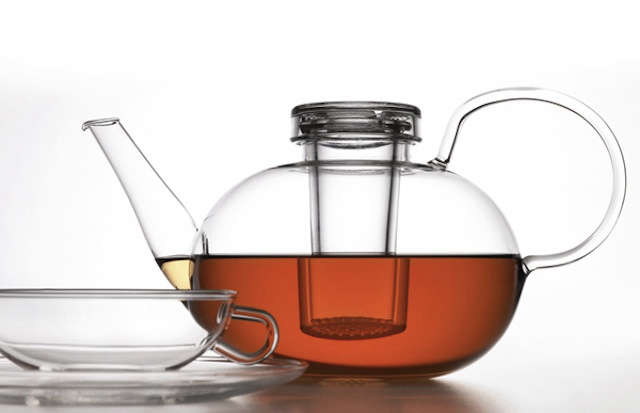
The Jenaer Glas Wagenfeld Teapot is what happens when a teapot decides it has had enough of frills, flowers, and fussy table manners. Instead of hiding behind painted porcelain or decorative handles shaped like vines, it shows up in clear glass, rounded lines, and quiet confidence. It is simple, but not boring. Practical, but not plain. Elegant, but not the sort of elegant that demands you iron a linen napkin before making tea.
Designed by Wilhelm Wagenfeld during the early 1930s and produced by Schott & Genossen/Jenaer Glas, the teapot belongs to the golden age of modernist tableware. Museum collections often date related examples between 1930 and 1934, while many design retailers and historical summaries describe the famous Wagenfeld tea service as a 1931 or 1932 Bauhaus-era design. That small dating range is not a contradiction so much as a reminder that classic industrial design evolves through prototypes, production versions, and catalog history.
Today, the Jenaer Glas Wagenfeld Teapot is admired by collectors, tea lovers, design historians, and anyone who has ever looked at a kitchen cabinet and thought, “Could we have fewer objects that shout?” Its transparent borosilicate glass, light form, integrated strainer, and balanced profile make it one of the most recognizable glass teapots of the 20th century. It is both a brewing tool and a tiny architecture lesson for your countertop.
What Is the Jenaer Glas Wagenfeld Teapot?
The Jenaer Glas Wagenfeld Teapot is a heat-resistant glass teapot associated with German industrial designer Wilhelm Wagenfeld, one of the great names of Bauhaus-influenced product design. It was made for Jenaer Glas, the household glass brand connected to Schott, a company famous for technical and heat-resistant glass.
The teapot is usually recognized by its rounded transparent body, glass lid, curved spout, and glass filter or diffuser. Depending on the version, it may appear as part of a larger tea service with cups, saucers, creamer, sugar bowl, and tray. Some vintage examples are smaller, while later re-editions and retailer listings commonly describe a 1.5-liter version made of borosilicate glass.
Its appeal comes from the way it makes the brewing process visible. Black tea turns amber. Green tea glows pale gold. Herbal tea looks like a tiny botanical weather event. In an opaque teapot, tea politely disappears. In the Wagenfeld teapot, tea performs.
The Bauhaus Idea Behind the Teapot
To understand the Wagenfeld teapot, it helps to understand the Bauhaus idea: useful objects should be beautiful because they work well, not because someone glued decoration onto them afterward. The Bauhaus, founded in Weimar in 1919, pushed designers to rethink everyday life through architecture, craft, industry, and mass production.
Wilhelm Wagenfeld trained as a goldsmith and designer and joined the Bauhaus metal workshop in 1923. He later became one of the rare Bauhaus figures who moved successfully into industrial production. That matters. Many artists create beautiful one-off objects. Wagenfeld helped create beautiful everyday objects that could be used, repeated, sold, cleaned, repaired, and lived with.
The Jenaer Glas Wagenfeld Teapot reflects this philosophy perfectly. It does not wear ornament like jewelry. Its ornament is proportion. Its drama is transparency. Its luxury is usefulness. The shape looks soft and almost inflated, like a glass bubble gently settling under its own weight, yet every part has a job. The spout pours. The handle gives distance from heat. The lid closes the brewing chamber. The filter holds the leaves. Nothing is there just to win an argument with a Victorian sugar bowl.
Why Jenaer Glas Mattered
Jenaer Glas was not ordinary glass. The brand grew from the scientific and technical glass tradition of Jena, Germany, where heat-resistant glass became essential for laboratories, optics, and eventually kitchens. The magic word is borosilicate. This type of glass is known for its resistance to thermal shock, meaning it can handle heat changes better than common soda-lime glass.
That material changed what designers could do. A glass teapot no longer had to be a delicate novelty reserved for careful afternoons and nervous hands. It could become a practical vessel for hot water, loose-leaf tea, and daily use. Jenaer Glas household products used this technical material to bring laboratory clarity into domestic life.
In other words, the Wagenfeld teapot is not just “pretty glass.” It is design built around a material breakthrough. The same qualities that made borosilicate useful in scientific settings also made it attractive in the kitchen: clarity, heat resistance, a smooth nonporous surface, and a taste-neutral character. Tea, after all, should taste like tea, not like yesterday’s chamomile and a mysterious cabinet aroma.
Design Features That Make It Special
1. Transparent Form
The teapot’s transparency is not a gimmick. It changes how people brew tea. You can watch color develop, judge strength visually, and enjoy the movement of leaves as they expand. This is especially useful for green tea, white tea, oolong, and herbal blends, where oversteeping can turn a gentle cup into a bitter lecture.
2. Rounded Bauhaus Geometry
The body is soft but disciplined. It avoids sharp decorative gestures, using a rounded, almost organic form that still feels engineered. That balance is classic Wagenfeld: human, useful, and modern without becoming cold.
3. Heat-Resistant Borosilicate Glass
Many Wagenfeld-style and Jenaer Glas teapots are associated with borosilicate glass, a material valued for heat resistance and taste neutrality. Later product listings often emphasize dishwasher suitability, microwave compatibility, and resistance to temperature changes, though owners should always follow the specific care instructions for the exact piece they own.
4. Integrated Glass Strainer
The glass diffuser or strainer keeps the design visually unified. Instead of adding a metal basket that interrupts the pure transparency, the teapot keeps everything in the same material language. The result is cleaner, lighter, and more architectural.
5. Museum-Worthy Simplicity
Examples of Wagenfeld’s teapot are held by major museum collections, including institutions focused on modern art, decorative arts, and design. That does not mean you need white gloves to admire it. It means the teapot solved a daily problem so gracefully that museums had to admit the kitchen had entered the design conversation.
Vintage Originals vs. Modern Re-Editions
If you are shopping for a Jenaer Glas Wagenfeld Teapot, you will quickly discover that the market contains several categories: museum-era originals, mid-century Jenaer Glas pieces, later Schott or Zwiesel-associated examples, and contemporary glass teapots inspired by the same design language.
Vintage examples may show markings such as Schott & Genossen or Jenaer Glas. Some are listed by capacity, such as half-liter or one-liter versions. Collectors often look closely at the lid, filter, handle attachment, base markings, proportions, and condition. Chips around the lid opening, tiny cracks near the spout, missing strainers, and clouding from mineral deposits can all affect value.
Modern re-editions or design-shop versions often emphasize practical specifications: 1.5-liter capacity, heat-resistant borosilicate glass, dishwasher suitability, and transparent color. These can be excellent for people who want the look and function without the anxiety of using a fragile collectible. After all, a teapot you are too scared to touch becomes less of a teapot and more of a glass hostage situation.
How to Identify a Jenaer Glas Wagenfeld Teapot
Authenticating vintage glassware can be tricky, but a few clues help. First, look at the overall silhouette. A Wagenfeld teapot typically has a round, transparent body with a controlled modernist shape, not a decorative Victorian profile. Second, check for an internal glass strainer or diffuser. Third, inspect any etched or impressed marks on the base or lid. Museum records and vintage listings often mention Schott & Genossen, Jenaer Glas, or related markings.
Next, compare dimensions and capacity. Museum examples vary, and production versions were not always identical. Some collection records describe teapots around 4 to 5 inches high and 9 to 10 inches long. Retail descriptions of later Wagenfeld edition models commonly describe larger 1.5-liter versions. A mismatch does not automatically mean a fake, but it does mean you should research the specific model before buying.
Finally, study the condition. Clear glass reveals everything: scratches, limescale, tea stains, rim chips, lid wear, and repairs. A small manufacturing variation may be normal for handmade or hand-finished glass, but cracks near the handle or spout are red flags. Tea should pour into your cup, not into your lap.
Why Tea Lovers Like It
Design collectors may talk about Bauhaus theory, but tea drinkers appreciate the Wagenfeld teapot for a simpler reason: it is pleasant to use. The clear body gives visual control. The smooth glass surface does not hold flavors aggressively. The filter allows loose tea to expand more freely than many tiny metal infusers. The wide form lets you observe the brew without opening the lid every 30 seconds like a nervous stage parent.
It works especially well for loose-leaf teas where color and leaf expansion matter. For jasmine green tea, you can stop brewing before the liquor darkens too much. For oolong, you can admire the unfurling leaves. For rooibos or hibiscus, the color becomes part of the experience. Even a simple breakfast tea looks better when it glows through clear glass.
The teapot also fits modern interiors beautifully. It pairs with Scandinavian wood, stainless steel, marble counters, open shelving, and minimalist kitchens. But it also looks good in a cozy, slightly chaotic home where the spice drawer has given up on alphabetical order. Good design should not require a perfect lifestyle.
Care and Cleaning Tips
Glass teapots are easy to love and easy to stain if you ignore them long enough. To keep a Jenaer Glas Wagenfeld Teapot looking clear, rinse it soon after use, especially after black tea, rooibos, or herbal blends with deep pigments. A soft sponge and mild dish soap are usually enough for daily cleaning.
For mineral deposits or tea film, use a gentle soak with warm water and a small amount of baking soda or white vinegar, then rinse thoroughly. Avoid abrasive pads, harsh scouring powders, or sudden extreme temperature changes unless the manufacturer specifically allows them. Borosilicate glass is tough, but it is not a superhero. Drop it on tile and gravity will still file a complaint.
If your version includes a glass strainer, clean it carefully. Tea leaves can cling to narrow openings, and dried leaves are surprisingly committed to their new career as wall art. A soft bottle brush can help. Let all parts dry completely before storing to prevent trapped moisture or musty odors.
How It Compares With Other Glass Teapots
Modern glass teapots are everywhere, from budget models with stainless infusers to double-walled contemporary designs. Many are practical, affordable, and perfectly good. What separates the Wagenfeld teapot is its design pedigree and restraint. It was not designed merely to be transparent. It was designed as a complete object: body, lid, spout, handle, and filter working together in the same visual language.
Compared with a Hario-style Japanese glass teapot, the Wagenfeld feels more European modernist and sculptural. Compared with a stainless-and-glass teapot, it feels warmer and more unified. Compared with porcelain, it feels lighter and more observational. It does not keep tea hot as long as thick ceramic, but it gives you the pleasure of seeing the brew. That trade-off is part of its charm.
Is the Jenaer Glas Wagenfeld Teapot Worth Buying?
Yes, if you value design history, loose-leaf tea, and objects that make everyday rituals feel intentional. It is especially worth considering if you want a teapot that looks refined without being flashy. It also makes sense for collectors of Bauhaus design, German glassware, Jenaer Glas, Schott pieces, or modernist kitchen objects.
However, it may not be ideal for everyone. If you want maximum heat retention, choose ceramic or cast iron. If you need something nearly unbreakable, glass is not your best friend. If you dislike careful cleaning, transparent teaware will expose your habits with brutal honesty. But if you enjoy the look of tea brewing and appreciate objects with history, the Wagenfeld teapot earns its space.
Buying Tips for Collectors and Everyday Users
For collectors, documentation matters. Look for clear photos of markings, the base, lid, strainer, spout, and handle. Ask sellers about chips, cracks, repairs, cloudiness, and whether all original parts are included. A teapot missing its glass strainer may still be beautiful, but it is less complete.
For everyday users, decide whether you want a vintage piece or a modern version inspired by the classic design. A vintage teapot has character and history, but a newer borosilicate model may be easier to use without stress. If the seller claims microwave or dishwasher safety, verify that the claim applies to that exact model and not just to borosilicate glass in general.
Also consider size. A 1.5-liter teapot is generous for guests but too large for one quick cup unless you enjoy making enough tea to hydrate a book club. Smaller versions are better for solo brewing, while larger versions shine at breakfast, dessert, or long conversations that begin with “just one cup” and somehow become three hours.
Experience Section: What Using a Jenaer Glas Wagenfeld Teapot Feels Like
Using a Jenaer Glas Wagenfeld Teapot is less like operating kitchen equipment and more like slowing down a small part of the day. The first impression is visual. Before the tea even brews, the empty pot has presence. It catches light along the rim, handle, and spout. On a wooden table, it feels warm and domestic. On a white counter, it looks almost scientific. That combination is the point: laboratory clarity brought gently into the home.
The best experience starts with loose-leaf tea. Add the leaves to the glass strainer, pour in hot water at the right temperature, and the teapot immediately becomes animated. Leaves twist, rise, sink, and open. A rolled oolong slowly expands like it has remembered it used to be a leaf. Hibiscus turns the water ruby red. Black tea deepens from pale copper to breakfast-table amber. It is a reminder that brewing is not just waiting; it is transformation.
The handle usually feels light and deliberate, though users should remember that all-glass teaware can warm up depending on the design and water level. The pour is part of the charm. A well-kept example should feel balanced, with a steady stream and minimal fuss. Still, glass teapots reward calm hands. This is not the vessel for someone who pours tea while answering email, buttering toast, and negotiating with a cat on the counter.
Cleaning is straightforward but revealing. Because the glass is clear, stains cannot hide. That is good if you like freshness, slightly annoying if you prefer denial. Rinsing immediately after use keeps the pot bright. Letting black tea sit overnight creates a brown ring that looks like the teapot has developed opinions. A mild soak usually restores clarity, but regular care is the better strategy.
For daily use, the Wagenfeld teapot encourages better tea habits. You notice water temperature. You notice steeping time. You notice how much leaf you use. The object quietly trains you to pay attention without acting superior about it. It is elegant enough for guests, practical enough for a weekday, and interesting enough to keep on an open shelf. Most kitchen tools disappear when not in use. This one continues to contribute to the room.
The most enjoyable part is how democratic the design feels. It can serve expensive first-flush Darjeeling, grocery-store Earl Grey, mint from the garden, or a sleepy evening chamomile. It does not judge. It simply presents the tea honestly. That honesty is what makes the Jenaer Glas Wagenfeld Teapot feel timeless. It turns a common ritual into something visible, thoughtful, and just a little bit theatrical. Not Broadway theatrical. More like a very tasteful German stage set where the star is hot water behaving beautifully.
Conclusion
The Jenaer Glas Wagenfeld Teapot remains a design classic because it solves a simple problem with unusual grace. It brews tea, yes, but it also reveals tea. It brings together Bauhaus modernism, German glass technology, industrial production, and daily usefulness in one transparent object. Nearly a century after its early 1930s debut, it still looks fresh because it was never chasing fashion in the first place.
Whether you see it in a museum collection, a design shop, an online vintage listing, or on a kitchen table filled with Sunday morning steam, the Wagenfeld teapot proves that everyday objects can be thoughtful without becoming precious. It is a teapot for people who like tea, design, clarity, and the quiet satisfaction of owning something that does its job beautifully.
Note: This article is written as original, publication-ready HTML body content based on verified design history, museum records, and reputable product references. No source-link block or citation markup is included inside the article body for cleaner web publishing.