

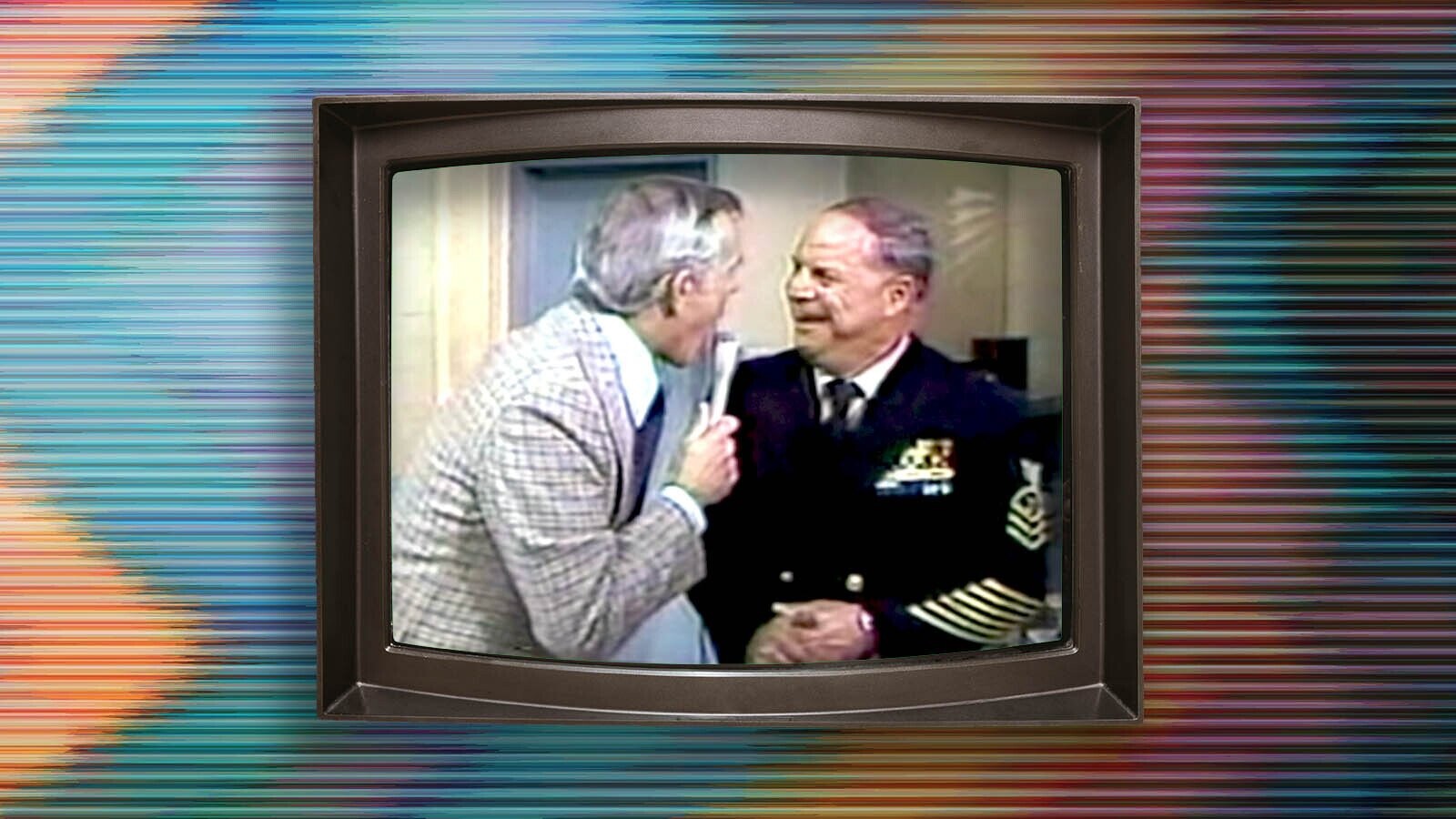
There are funny late-night moments, and then there are museum-piece late-night moments. The kind that survive format changes, fashion disasters, and the extinction of ashtrays. Johnny Carson’s march off The Tonight Show set to confront Don Rickles belongs in that second category. It had everything: a broken prop, a wounded host, a terrified comic assassin, and the kind of timing you could never mass-produce in a television lab.
On the surface, the story is simple. Don Rickles broke one of Johnny Carson’s cherished desk items. Carson found out the next night and went looking for justice. But that summary is like describing a fireworks show as “some lights happened.” The real magic was in the personalities involved. Carson was the king of cool, the master of the slow burn, the man who could raise one eyebrow and get a bigger laugh than most people get with an entire monologue. Rickles, meanwhile, was a human hand grenade in a suit: loud, fearless, wonderfully rude, and somehow still lovable.
When those two collided, the result was not an actual feud. It was better. It was comic revenge served hot, live, and with perfect network-TV posture. The episode remains one of the greatest examples of why Johnny Carson ruled late-night television for decades and why Don Rickles was one of the most dangerous guests any host could invite onto a set without signing a waiver.
What Actually Happened on The Tonight Show?
The night Rickles broke the box
The setup already had a tiny bit of comic weirdness built in. Carson was off, and Bob Newhart was guest-hosting. That alone gave the show a different rhythm. Newhart was dry, gentle, and quietly brilliant; Rickles was, well, Rickles. Put those two energies together at Johnny’s desk and you had the spiritual equivalent of parking a speedboat in a library.
During the broadcast, Rickles wound up fooling around with Carson’s cigarette box and broke it. This was not some random piece of studio clutter. Carson reportedly had the box for years and treated it like one of those deceptively ordinary possessions that becomes sacred simply because it has lived through enough nights, enough guests, and enough television history. Breaking it was the kind of accident that lands halfway between harmless goof and “I may need to leave the country.”
Rickles, to his credit, was not plotting sabotage. He was doing what Rickles always did: moving fast, joking hard, and treating the set like it was one more sparring ring. But comedy has a way of turning a small crack into a legendary story. The next night, when Carson returned, he noticed the damage almost immediately. That is where a mildly embarrassing mishap became television folklore.
Carson decides revenge is a field trip
Most hosts would have made a joke, shaken their heads, and gone to commercial. Carson chose a better option: performance art with a grievance. He picked up the broken box, learned Rickles was taping C.P.O. Sharkey across the hall, and walked off his own set with cameras following him. It was part confrontation, part ambush, part masterpiece.
That image is still deliciously ridiculous. Here was the most powerful man in late-night television leaving his home turf to storm another studio over a busted cigarette box. Not ratings. Not contract drama. Not scandal. A box. The beauty of the moment came from Carson’s total commitment. He didn’t wander over with a grin that said, “Don’t worry, folks, this is a bit.” He went over with mock outrage so committed it practically deserved its own union card.
Rickles, caught in the middle of taping his sitcom, looked exactly like a man who had just realized his favorite prank had gained teeth. Carson demanded satisfaction. Rickles tried to wriggle, charm, and joke his way through it. The cast looked stunned. The studio audience got to witness something that felt half spontaneous and half too perfect to belong to ordinary life. That tension is exactly why the clip still works. It feels like live television doing what live television does best: making chaos look choreographed and choreography look like chaos.
Why This Moment Was So Funny
First, it was funny because the stakes were hilariously small and emotionally enormous. That is classic comedy fuel. Carson was not avenging a tragedy; he was avenging damage to a beloved desk accessory. But he played it with the intensity of a Victorian duke challenging someone to a duel at dawn. The mismatch between the object and the reaction made the bit soar.
Second, the segment worked because Carson and Rickles had opposite comic engines. Rickles attacked. Carson absorbed. Rickles came in swinging with machine-gun insults; Carson waited, took aim, and fired one clean countershot. Rickles later described their chemistry in basically those terms, and you can see it in every second of the famous confrontation. Rickles is scrambling, improvising, wiggling around the joke. Carson is enjoying the delicious luxury of holding the upper hand for once.
Third, the audience understood the backstory instantly. Carson was the emperor of that desk. Rickles was the recurring court jester who occasionally set the curtains on fire. Everyone knew Rickles could get away with murder on talk shows because he made insult comedy feel playful instead of mean. Everyone also knew Carson had the authority to make the room stop with one look. Watching those two battle over something this dumb was like seeing two jazz masters pretend they were arguing over a spoon.
The Friendship Under the “Revenge”
What made the whole thing sparkle was that Carson and Rickles clearly liked each other. In fact, that may be understating it. Rickles was one of Carson’s great repeat guests, and Carson helped make him a television institution. Rickles first came on The Tonight Show in the mid-1960s and famously greeted Carson with “Hello, dummy,” which tells you almost everything you need to know about how quickly their comic relationship locked into place.
Carson understood something crucial about Rickles: the insults were the love language. Rickles was brutal only because the setting was safe enough for brutality to become affectionate. He insulted the glamorous, the powerful, the famous, and the square with equal enthusiasm. That leveling effect made his act feel oddly democratic. No one was above being roasted, especially if Rickles liked you.
And Carson, despite his cool reserve, loved skilled comics. He respected precision. He respected timing. He especially respected guests who could create danger without truly losing control of the room. Rickles did that every time he sat down. Carson didn’t merely tolerate the chaos; he played straight man to it. That was his genius. He let guests be explosive while quietly shaping the blast radius.
So yes, the revenge was fake in the emotional sense. Carson was not ending a friendship over furniture. But it was real in the comic sense. He saw a perfect opening and pounced. That is what great hosts do. They do not just tell jokes; they recognize when life has accidentally written a better one.
What the Incident Says About Johnny Carson
Carson’s greatness often gets described in broad terms: king of late night, master host, standard-setter, and so on. All of that is true. But this one episode shows how he did it. He understood tone better than almost anyone on television. He knew when to be elegant, when to be sly, when to lean back, and when to walk into another studio carrying a broken box like Abraham Lincoln returning from a yard sale gone wrong.
He also understood live audience psychology. By leaving his own set, he made the event feel bigger than a desk joke. Suddenly, the walls of television dissolved. Viewers were no longer just watching a monologue and interview desk. They were watching a television universe with hallways, neighboring productions, and a host powerful enough to travel between them at will. In a funny way, Carson made NBC feel cinematic.
And maybe most important, Carson knew that restraint makes payback funnier. He did not scream. He did not flail. He did not overdecorate the bit with punchlines. He simply acted offended with tremendous dignity, which is a wonderful technique when the grievance itself is ridiculous. A lesser comic would have overcooked the moment. Carson served it medium rare.
What the Incident Says About Don Rickles
Rickles comes out of the story looking exactly like the legend people remember: reckless, quick, fearless, and somehow both aggressive and boyish at once. He was the rare insult comic who could make famous people want to come closer instead of run for the exits. That took immense skill. Mean is easy. Funny mean is hard. Funny mean that still feels warm? That is alchemy.
He also knew how to lose. That matters here. Once Carson arrived, Rickles did not try to “win” the scene by overpowering him. He played the panic. He played the guilt. He played the squirm. He let Carson enjoy the upper hand, which is why the exchange lands as a duet rather than a street fight. Great comedians know that sometimes the best line is a reaction shot.
Rickles later spoke openly about how the contrast between his aggression and Carson’s calm made their appearances work. That may be the cleanest explanation of the whole phenomenon. Rickles was the tornado. Carson was the man folding a napkin while the tornado explained itself.
Why the Clip Still Travels Across Generations
The clip survives because it taps into something timeless: the pleasure of watching two professionals with completely different styles trust each other enough to play rough. Even people who did not grow up with Carson get the joke almost immediately. A cherished object gets broken. The owner shows up for revenge. The culprit wilts. The audience feasts. Comedy is not always complicated.
It also survives because it represents an older kind of show-business ecosystem, one where stars built long-running relationships across years of guest spots instead of one promotional stop and a social-media post. Carson and Rickles had history. That history gave weight to every glance. Modern audiences watch the clip and sense that this wasn’t two celebrities trying to manufacture “content.” It was two craftsmen cashing in years of chemistry.
There is another reason it lasts: the moment feels human. Everyone understands the tiny sting of having something sentimental broken, even if it is objectively just a small object on a desk. Everyone understands the urge to dramatize that injury just a little for effect. And everyone understands that some friendships get funnier, not weaker, when they survive a little harmless chaos.
Experiences Related to the Story: Why This Kind of Comic Revenge Feels So Familiar
Part of what makes the Carson-Rickles showdown feel so fresh is that it mirrors experiences people still have, just in less glamorous rooms and with fewer cameras. Most of us have known some version of this relationship. One person is the steady one, the keeper of order, the person who likes the desk arranged just so. The other person breezes in like a weather event wearing shoes indoors, touching everything, and somehow becoming more charming the more trouble they cause. When those two people genuinely care about each other, every minor mishap turns into theater.
That is why audiences instantly connect with the bit. We have seen the office version. We have seen the family version. We have seen the friend-group version. Someone breaks the favorite mug, deletes the wrong file, misplaces the keys, or ruins the one thing the organized person specifically asked everyone not to touch. The offended party then stages a mock trial, a fake funeral, or a dramatic house speech about “respect for property.” Nobody really wants blood. They want a laugh, a confession, and maybe a replacement mug by Tuesday.
Carson and Rickles turned that familiar social rhythm into polished television. Carson played the injured party with grand seriousness, which is exactly how people play these moments in real life when they know the audience is on their side. Rickles played the guilty friend who knows he is in trouble but also knows the friendship is strong enough to hold the joke. The dynamic is deeply recognizable. It is how trust sounds when it is wearing a tuxedo.
There is also a performer’s experience embedded in the story. Anyone who has worked live, whether in comedy, theater, broadcasting, teaching, or public speaking, knows how deliciously dangerous an unscripted interruption can be. You are moving along, doing your thing, and then suddenly the room tilts. A surprise enters. The energy changes. The audience sits forward. In that moment, training takes over. You either freeze, flail, or dance. Rickles danced. Carson conducted the orchestra. The audience got a once-in-a-generation little storm.
Modern viewers feel another kind of recognition when they watch it now. The clip has the energy people chase online every day: authentic-seeming, high-stakes, funny, fast, and shared because it feels like “you had to be there.” But unlike a lot of modern viral moments, this one actually rewards repeat viewing. The pacing is better. The faces are better. The confidence is better. Nobody is trying to go viral because the word “viral” had not yet turned every human impulse into a marketing strategy. The bit lives on because it was built by craftsmen who were simply trying to be funny in the room.
That may be the most lasting experience attached to the story: the joy of seeing comic trust in action. Carson trusted Rickles enough to let him be dangerous. Rickles trusted Carson enough to be vulnerable when the tables turned. And the audience trusted both men enough to enjoy the fake revenge without worrying about real bitterness underneath. That triangle of trust is rare. When it appears, people remember it for decades. Not because of a cigarette box, really, but because moments like that remind us how funny friendship can be when two masters decide to turn a tiny accident into television immortality.
Final Thoughts
Johnny Carson did not leave The Tonight Show set to settle a serious score. He did something smarter. He took a real accident, a real relationship, and a very breakable object, then turned all three into a comic set piece that still feels alive nearly half a century later. Don Rickles supplied the spark. Carson supplied the control. The audience got the rare pleasure of seeing two giants meet in the exact middle of mischief and craft.
That is why the story endures. It is not just a tale about revenge. It is a lesson in timing, chemistry, and the kind of confidence television once rewarded. Carson knew when to leave the desk. Rickles knew how to squirm without surrendering his swagger. Together, they made a cracked cigarette box feel like the center of the entertainment universe for a few glorious minutes. Honestly, that may be the most Carson-and-Rickles thing imaginable.