

There are two kinds of travelers: people who calmly wait at baggage claim, and people who stare at the carousel like it personally owes them money. July’s CaseSafe luggage is clearly built for the second group, which, let’s be honest, includes most of us after one “your bag has been delayed” notification.
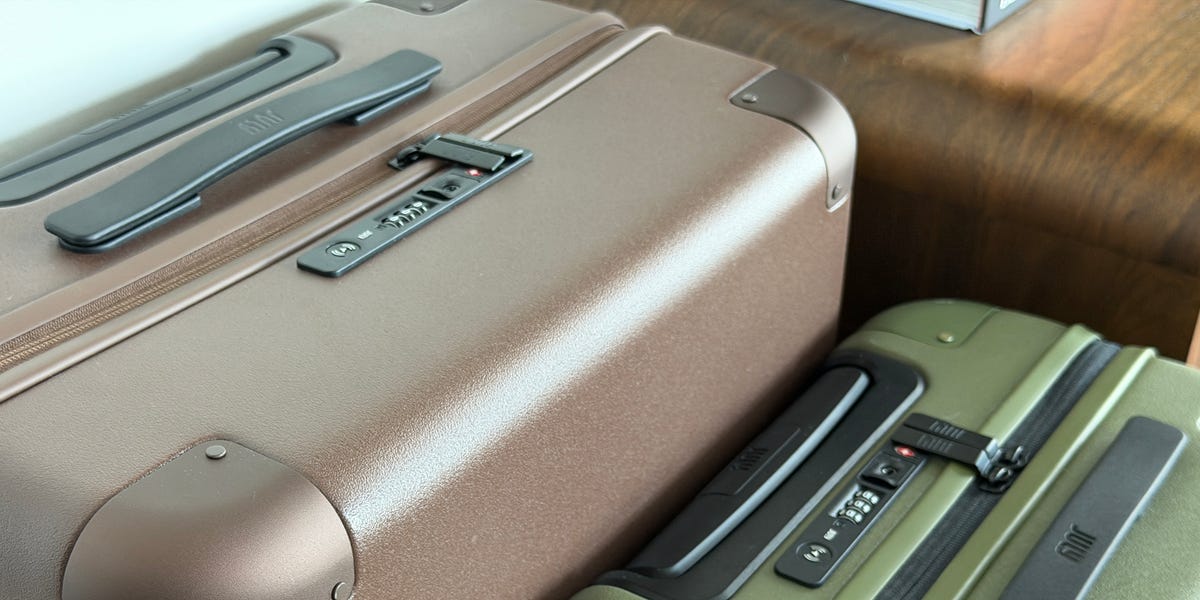
The July CaseSafe collection brings built-in tracking to a sleek hardside suitcase by integrating a trackable TSA lock directly into the case. Instead of tossing an AirTag into a sock pocket and hoping it does not vanish into the luggage abyss, CaseSafe works with Apple’s Find My network and Google’s Find Hub network. That means both iPhone and Android users can track the suitcase through the apps they already use.
So, is the July CaseSafe a clever upgrade or just another shiny smart-luggage gimmick with wheels? After digging into the specs, reviews, travel rules, and real-world use cases, my answer is: it is genuinely useful, but it is not magic. Think of it as a calm travel assistant, not a superhero in a polycarbonate cape.
What Is July CaseSafe?
July CaseSafe is a luggage tracking system built into the suitcase’s TSA lock. The idea is simple: your suitcase becomes trackable without needing an extra luggage tag, Bluetooth tracker, or dangling gadget that looks like it might be from a spy movie sold at an airport kiosk.
The current U.S. July Carry On with CaseSafe is listed with key features such as an integrated trackable TSA lock, compatibility with Apple Find My and Google Find Hub, an aerospace-grade German polycarbonate shell, reinforced bumpers, a multi-stop telescopic handle, SilentMove wheels, a hidden laundry bag, July’s Y-Strap compression system, water-resistant lining, leather details, and YKK zippers.
The carry-on version is designed for trips of about five to seven days and is marketed as holding around six to eight outfits. At the time of review, July’s U.S. listing shows the Carry On with CaseSafe at $305, though pricing, colors, and bundle promotions can change faster than someone trying to board in Group 2 when their ticket clearly says Group 7.
My Quick Verdict: Who Should Buy It?
The July CaseSafe is best for frequent flyers, tech-friendly travelers, anxious baggage-checkers, and anyone who wants premium hardside luggage with built-in tracking. It makes the most sense if you already planned to buy a quality suitcase and were also going to buy a tracker separately.
It is less necessary if you travel once a year, always carry a backpack, or are perfectly happy dropping a separate tracker into your bag. A separate AirTag or Android-compatible tracker can still work well. The CaseSafe advantage is integration: the tracking feature feels like part of the suitcase, not an afterthought rolling around next to your emergency granola bar.
Design and Build Quality
July has built its reputation around minimalist hardside luggage, and the CaseSafe follows that design language. It looks clean, modern, and expensive without screaming, “Please steal me, I contain noise-canceling headphones and poor financial decisions.”
The shell is made from German polycarbonate, a material commonly favored for premium hardside luggage because it balances durability and flexibility. Polycarbonate can absorb impact better than cheaper, more brittle plastics, although no suitcase is immune to scratches, scuffs, and the mysterious violence of airport baggage systems.
The reinforced bumpers are a welcome feature because suitcase corners take abuse. They hit curbs, shuttle doors, hotel walls, and occasionally your own ankle. July’s rounded shell design also helps the case look softer and more polished than the boxy “office printer on wheels” style some hardside bags have.
Tracking: The Main Reason to Care
The CaseSafe tracker is the headline feature, and it is the part that separates this suitcase from a normal July carry-on. It connects to either Apple Find My or Google Find Hub, depending on your phone. Once paired, you can view your suitcase location in the same ecosystem where you track your phone, earbuds, keys, or that one device you swear was just on the couch.
However, it is important to understand what “trackable luggage” really means. CaseSafe is not the same as a live GPS tracker with cellular service. It relies on nearby compatible devices in Apple’s or Google’s location network to help update the suitcase’s position. In a busy airport, that can be very effective. In the middle of a quiet rural road with no phones nearby, updates may be slower or unavailable.
That said, airports are exactly where this technology makes the most sense. If your suitcase is sitting at the wrong terminal, left behind in a baggage room, or taking an unplanned vacation to Denver while you went to Miami, a location update can give you useful information before the airline app catches up.
Is Built-In Tracking Better Than an AirTag?
Sometimes, yes. A separate AirTag or Bluetooth tracker is cheaper and easy to replace. But built-in tracking has three practical advantages.
First, it is harder to forget. If your tracker lives inside the lock, you are not leaving it in last season’s duffel bag. Second, it does not take up packing space or need a special holder. Third, the integration feels cleaner. There is no awkward tracker pouch, no key ring, and no little plastic disc floating around with your socks like a tiny UFO.
The trade-off is flexibility. With a separate tracker, you can move it between bags. With CaseSafe, the tracker belongs to the suitcase. If you switch luggage often, separate trackers may be more economical.
Privacy and Security
July positions CaseSafe as private by design, and that is a major selling point. Apple’s Find My network and Google’s Find Hub network are both built around encrypted location-sharing systems. In plain English, your suitcase location is intended to be visible to you, not to random travelers standing near Gate C19 eating a suspiciously expensive sandwich.
Of course, no tracker should make travelers careless. A trackable suitcase does not replace common sense. You should still keep valuables, medication, travel documents, electronics, and essential items in your personal item or carry-on. Tracking tells you where your bag may be; it does not stop someone from sending it on a solo career.
Packing Experience
The July Carry On with CaseSafe is designed for short trips, especially the classic five-to-seven-day itinerary. The interior uses July’s Y-Strap compression system, which is helpful if you pack like a reasonable person. If you pack like you are fleeing a period drama and need six coats, no compression strap can save you.
The hidden laundry bag is a thoughtful touch. Dirty clothes always become a small travel problem, and having a built-in place for them keeps the interior from turning into a textile crime scene. The water-resistant, stain-proof lining also makes sense for real travel, where toiletries leak, snacks crumble, and someone always packs sunscreen like it is legally obligated to explode.
One limitation is organization. July’s minimalist interiors look beautiful, but travelers who love many pockets may want packing cubes. The CaseSafe gives you structure, but it does not create a tiny apartment complex for every charger, sock, and travel-size shampoo bottle.
Wheels, Handle, and Airport Maneuvering
The SilentMove wheels are one of July’s most praised features. A good suitcase wheel is underrated until you have dragged a bad one across carpet while sweating through a boarding announcement. Smooth spinner wheels make a big difference in airports, hotels, parking lots, and long terminal transfers.
The 20-height telescopic handle is another smart detail. Not everyone is built the same, and a handle that adjusts properly can reduce wrist and shoulder strain. This matters more than people realize, especially when your itinerary includes airport train, sidewalk, hotel lobby, elevator, and one final hallway that feels longer than a tax form.
On smooth floors, the CaseSafe should feel polished and easy. On rough stone, carpet, or cracked sidewalks, any spinner bag has limits. Spinner wheels are convenient, but they are not off-road tires. Do not expect it to glide over cobblestones like a figure skater with frequent flyer status.
Durability: Strong, But Not Scratch-Proof
The July CaseSafe looks premium and uses quality materials, but buyers should have realistic expectations. Hardside luggage can scuff. Glossy or lighter colors may show marks more easily. Polycarbonate is durable, but cosmetic wear is part of travel.
July’s limited lifetime warranty covers certain manufacturing defects involving wheels, zippers, handles, compression straps, and specific shell or bumper cracks. It does not generally cover cosmetic damage such as scratches, scuffs, dents, or normal wear. That distinction matters. A suitcase can look like it has survived a minor airport wrestling match and still function perfectly.
If you want luggage that looks untouched forever, the best strategy is not buying luggage. The second-best strategy is choosing a darker color, using a luggage cover, and accepting that travel leaves marks. Honestly, so does life. At least luggage cannot complain about back pain.
Smart Luggage and Battery Rules
One of the most important things to know about smart luggage is that airline battery rules matter. In the U.S., baggage with lithium batteries can be subject to strict rules, especially if the bag is checked. If a suitcase has a removable power bank, travelers should be ready to remove it when required, particularly if a carry-on is gate-checked.
The CaseSafe tracking feature is designed as an integrated tracker, but travelers should still check airline guidance before flying, especially internationally. Rules can vary by airline and country. If your suitcase version includes an ejectable battery or power bank, treat that battery like your phone charger: keep it accessible, removable, and compliant.
The good news is that the CaseSafe concept avoids the clunky smart-luggage problem of the past, where bags sometimes tried to do too much. Built-in tracking is useful. Built-in everything else can become complicated quickly.
Pros and Cons
Pros
- Built-in tracking works with both iPhone and Android ecosystems.
- The tracker is integrated into the TSA lock, so there is no loose tag to forget.
- Premium polycarbonate shell feels modern and durable.
- Smooth spinner wheels and adjustable handle improve airport movement.
- Y-Strap compression and hidden laundry bag make packing easier.
- Limited lifetime warranty adds long-term confidence.
Cons
- It costs more than basic hardside luggage.
- Tracking depends on nearby network devices, not true live GPS.
- Scratches and scuffs are still possible.
- Battery rules still require attention when traveling with smart luggage.
- Travelers who switch bags often may prefer a separate tracker.
July CaseSafe vs. A Regular Suitcase With a Tracker
A regular suitcase plus a tracker is the practical budget alternative. You can buy a good carry-on, add an AirTag or Android-compatible tracker, and get similar peace of mind for less money. That setup works, and many travelers will be perfectly happy with it.
The CaseSafe argument is about convenience and design. Instead of creating your own tracking system, July gives you one built into the bag. It is cleaner, more elegant, and harder to forget. It also makes the suitcase feel future-facing without turning it into a gadget circus.
In my view, CaseSafe is not a must-have for every traveler. It is a strong upgrade for people who value simplicity, design, and reassurance. If you are the type who checks your bag location three times before takeoff, this suitcase was probably made with your nervous little travel heart in mind.
Is the July CaseSafe Worth It?
Yes, for the right traveler. The July CaseSafe is worth considering if you want stylish hardside luggage, built-in tracking, strong wheels, and a more polished smart-luggage experience. It is especially appealing for frequent flyers, business travelers, international travelers, and people who check bags often.
It may not be worth it if you mostly take road trips, travel with a backpack, or already own luggage you love. In that case, a separate tracker may be the smarter buy. But if you are already shopping for a premium suitcase, CaseSafe gives July a distinctive edge.
The best thing about it is not that it makes luggage impossible to lose. No suitcase can promise that. The best thing is that it gives travelers more information, and information is calming. When your bag does not appear on the carousel, knowing where it is can turn panic into a plan. That alone is valuable.
Extra Experience Notes: What Traveling With Trackable Luggage Feels Like
The biggest experience shift with trackable luggage is psychological. Before using a suitcase like the July CaseSafe, baggage claim can feel like a suspense movie directed by someone who hates your vacation. You stand there watching identical black suitcases tumble onto the belt, and every minute without your bag feels suspicious. With trackable luggage, the anxiety does not disappear, but it gets quieter.
Imagine landing after a connection. You open the tracking app and see that your suitcase appears to be at the same airport. That tiny detail changes your mood. You still have to wait, but now you are not mentally drafting an angry speech to the airline. If the bag location shows another city, that is obviously frustrating, but at least you know early. You can approach the baggage desk with useful information instead of vague despair and a crumpled boarding pass.
Another real-world benefit is hotel storage. Travelers often leave luggage with the front desk before check-in or after checkout. A trackable suitcase gives extra peace of mind when your bag is sitting in a luggage room behind a velvet rope and a handwritten tag. It is not that hotel staff are untrustworthy; it is that travel days are chaotic, and chaos loves luggage.
There is also the “did I leave it in the rideshare?” problem. Anyone who has exited a car too quickly knows the stomach-drop feeling of checking the trunk too late. A trackable suitcase can help confirm whether your bag is still nearby or moving away. It will not make you faster than traffic, but it can help you act quickly.
For families, the value may be even higher. When you are managing kids, snacks, passports, headphones, jackets, and one mysterious sticky object, luggage tracking becomes less of a luxury and more of a sanity tool. A suitcase that can be located through a phone app adds one more layer of control to a travel day that otherwise runs on caffeine and hope.
The CaseSafe also encourages better packing discipline. Because the suitcase itself feels premium and organized, you are more likely to pack intentionally. Using the compression strap, separating laundry, and keeping essentials out of checked baggage all become part of a smarter system. The suitcase does not make you a better traveler overnight, but it nudges you in that direction. Consider it a polite little suitcase coach.
Still, trackable luggage should not create overconfidence. I would never pack passports, medication, expensive jewelry, or irreplaceable electronics in checked luggage just because the suitcase can be tracked. Location is not possession. Knowing your bag is in another airport does not help much if your medication is inside it and you need it tonight. The best approach is to use CaseSafe as a backup layer, not the entire safety plan.
Overall, the travel experience with July CaseSafe feels calmer, cleaner, and more modern. It does not eliminate delays, airline mistakes, or the ancient mystery of why baggage claim always smells faintly like pretzels. But it gives you a better sense of control, and in modern travel, that is a pretty luxurious feature.
Final Thoughts
The July CaseSafe is one of the more thoughtful smart-luggage ideas because it focuses on a problem travelers actually have: finding their suitcase. It does not overload the bag with unnecessary tech. It simply integrates tracking into a premium suitcase in a way that feels natural.
My final take: buy it if you want a sleek carry-on or checked bag with built-in peace of mind. Skip it if you already own luggage you love and only need basic tracking. Either way, the direction is clear. The future of luggage is not just lighter, stronger, and prettier. It is smarter and thankfully, it still has wheels.