

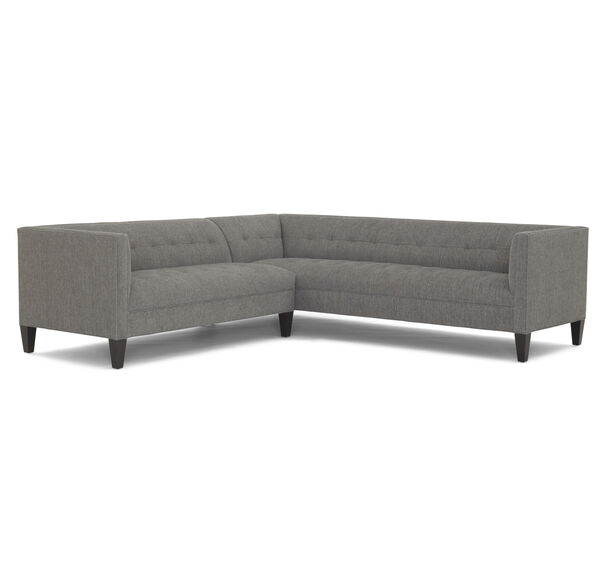
“Kennedy Left Sectional” sounds like something you’d hear in a spy movie (“Meet me by the Kennedy left sectional at 9.”),
but in real-life living rooms it usually means one thing: a sectional sofa configuration where the longer
lounge/chaise or extended portion sits on the left side when you’re facing the sofa. And yesthis tiny
“left” detail can be the difference between a dream setup and a daily obstacle course where you keep hip-checking the same corner.
This guide breaks down what “Kennedy Left Sectional” typically refers to, why the “Kennedy” name can show up across more than one
furniture line, and how to choose, measure, style, and maintain a left sectional so it looks intentionalnot like it won an argument
with your floor plan.
What “Kennedy Left Sectional” Usually Means
Left-facing vs. left-arm: the two “lefts” people confuse
Furniture descriptions love using “left” in two different ways, and they’re not interchangeable:
- Left-facing sectional: When you’re standing in front of the sofa (looking at it), the chaise/extended lounge is on your left.
- Left-arm (LAF) piece: The arm is on the left when you’re sitting on the sofa. (So from the front, it appears on your right.)
Why does this matter? Because “Kennedy Left Sectional” might be written in a listing as left-facing, left-chaise, left-arm, or a component build like
“Left Arm Sofa + Corner/Pie + Right Arm Loveseat.” Same vibe, different labeling systemso always check the diagram (or photos) before you commit.
Why “Kennedy” can mean more than one sofa
“Kennedy” is a model name used by more than one furniture maker/retailer. For example, the name appears on a high-end “KennEDY LEFT SECTIONAL”
listing associated with Mitchell Gold + Bob Williams, and it also appears as a “Kennedy” sectional name in other catalogs. Translation:
don’t assume every Kennedy sectional is the same build, size, or price tier.
The Kennedy Left Sectional Look: Why People Like It
Regardless of brand, the “Kennedy” vibe tends to show up as a more “grown-up comfy” silhouettesubstantial scale, inviting lines, and a layout built for
actual lounging (not just sitting politely like you’re waiting in a dentist’s office).
A left sectional configuration is popular because it naturally creates a “landing zone” for movie nights, naps, reading marathons, and the universal
human experience of saying “I’ll just sit for a second” and waking up 45 minutes later with a throw blanket as your new identity.
How to Know a Left Sectional Is Right for Your Room
Step 1: Identify your “no-block” areas
Before you fall in love with fabric swatches, look at the real boss of your living room: the traffic flow. Mark these on a quick sketch:
- Entryways and door swings
- Hallways or paths to the kitchen
- Access to windows, vents, and outlets
- The “main route” people naturally walk through
A left sectional works best when the extended portion doesn’t cut through the natural walking path.
If your left side is the “highway” to the kitchen, a left chaise can turn dinner into an obstacle course.
Step 2: Use spacing rules that keep the room functional
A sectional should feel generous, not greedy. A few widely used layout guidelines:
- Leave enough space to walk around furniture (so people aren’t forced into a single-file parade).
- Keep the coffee table within easy reachclose enough for snacks, far enough for knees.
Step 3: Decide what the sectional is “anchoring”
A Kennedy left sectional usually becomes the visual anchor of the room. Decide what it faces:
- TV wall (family-room classic)
- Fireplace (cozy, symmetrical setups)
- Conversation zone (paired chairs, ottoman, or round table)
If your room has multiple focal points, you’ll want to place the sectional so it supports the primary one and doesn’t awkwardly “ignore” the others.
Measure Like You Mean It (Because Sofas Don’t Teleport)
Room measurements: map the footprint before you buy
The easiest low-tech trick: use painter’s tape to outline the sectional’s footprint on the floor. Then tape out the coffee table and walking paths.
If you’re suddenly squeezing through sideways like you’re auditioning for a heist film, you’ve learned something valuable before spending real money.
Don’t forget the “delivery math”
Even a perfectly sized Kennedy left sectional is a problem if it can’t make it inside. Measure:
- Front door width and height (and any storm door that narrows the opening)
- Hallways and turns
- Stairwells and landings
- Elevator dimensions (if applicable)
Pro tip: some guides recommend measuring the diagonal clearance for big upholstered piecesbecause sofas often go in at an angle.
If you’re ordering a multi-piece sectional, ask whether it ships as separate components (usually easier) or as a large fixed unit (usually… not).
Comfort and Construction: What Separates “Nice” From “Now I Regret Everything”
Seat depth and back height: match your lounging style
Sectionals can feel totally different depending on depth and back support. If you like sitting upright (coffee, laptop, functional adult life),
you may prefer a more supportive back and a moderate seat depth. If you’re a “curl up / sprawl out” person, deeper seats often feel better.
Frame and suspension: the invisible stuff that decides longevity
You don’t need to become a furniture engineer, but you should look for signs of solid construction:
- Kiln-dried hardwood components (helps reduce warping over time)
- Corner-blocked and reinforced frame joins (strength where stress happens)
- Quality foam (high-resiliency foams tend to keep their shape longer)
Customization and lead time: reality check before you plan the “big reveal”
Many premium sectionals are made-to-order. That’s great for getting the right fabric, but it also means you should expect a lead time.
If you’re furnishing a new place, build in cushion (pun intended) for production and delivery.
Fabric, Leather, and Real-Life Durability
Choose the material for your lifestyle, not your fantasy self
A light cream sectional looks stunning… until it meets real life. If you have pets, kids, or you enjoy red wine,
consider performance fabrics or more forgiving tones and textures. If you love leather, remember it can patina beautifully,
but it also shows scratches differently depending on finish.
Color strategy that won’t haunt you
- Neutral base + textured fabric: stays flexible as your decor changes.
- Mid-tone shades (warm gray, camel, taupe): better at hiding everyday “living.”
- Bold color: amazing statement, but make sure you actually want that commitment.
Styling a Kennedy Left Sectional So It Looks Designed (Not Dumped)
Use pillows intentionally, not as a coping mechanism
The best pillow setups look layered but controlled. Start with a few larger “anchor” pillows, add medium supports, then one or two accents
(pattern, texture, or color). If you’re stacking pillows so high that sitting requires a warm-up stretch, you may have crossed into “pillow museum.”
Rug sizing: the secret to making a sectional feel anchored
A common styling win: choose a rug large enough that at least the front legs of the sectional sit on it. A too-small rug can make an expensive sectional
look like it’s hovering awkwardly.
Lighting and side tables: don’t forget the “human needs”
Sectionals are big. If you don’t add side tables and lighting, people end up balancing drinks on throw pillows and using phone flashlights like it’s a campsite.
Add at least one solid surface near the chaise and one near the opposite end.
Care and Cleaning: The Part You’ll Appreciate Later
Know your upholstery cleaning code
Many upholstered pieces come with a cleaning code that helps you avoid turning a small spot into a full-blown disaster:
- W: water-based cleaners
- S: solvent-based cleaners (no water)
- WS / SW: either water- or solvent-based cleaners
- X: vacuum/brush only (no liquid cleaners)
Low-effort routine that keeps a sectional looking fresh
- Vacuum crumbs and dust regularly (especially in seams and under cushions).
- Rotate cushions if the design allows, so one seat doesn’t become “the permanent dent.”
- Blot spills quicklydon’t rub like you’re trying to erase your mistakes from history.
- Test any cleaner in a hidden spot first.
Quick Buying Checklist for a Kennedy Left Sectional
- Confirm the configuration: left-facing vs left-arm components
- Tape out the footprint (including coffee table + walk paths)
- Measure the delivery route (doors, halls, stairs, turns)
- Pick upholstery based on lifestyle (pets, kids, spills, sunlight)
- Check construction basics (frame, suspension, cushion materials)
- Ask about lead time, return policy, warranty, and service
Experiences: What It’s Like Living With a “Kennedy Left Sectional” (About )
People who buy a left sectional often describe the first week as a mix of triumph and surprise. Triumph because the room finally has a true “home base.”
Surprise because you learn very quickly that a sectional isn’t just furnitureit’s a lifestyle decision.
One common experience: the painter’s tape moment. Before delivery, taping out the Kennedy left sectional footprint looks reasonable on paper.
Then you trace the coffee table, leave a walking path, and suddenly realize the “cute accent chair” you planned has nowhere to go.
The upside is that this discovery is cheaptape costs less than returning a sofa.
Another classic: the chaise becomes the unofficial throne. Even in a house full of perfectly good seats, the left lounge is where everyone
gravitatesfriends, siblings, parents, guests, and yes, pets. If your household has a “favorite spot” culture, you might see a gentle daily negotiation:
“Can I have the left side for five minutes?” Five minutes, of course, meaning “until the next episode ends.”
Delivery day is its own story. People often say the most stressful part isn’t the costit’s the geometry. The sectional arrives, the delivery team
starts angling pieces through a hallway turn, and suddenly you’re thankful you measured the entry path. If the sectional ships as multiple components,
it’s usually smoother. If it arrives as one massive piece, it can feel like trying to move a friendly whale through a doorway. The best “experienced buyer”
move is clearing the route completely and removing anything that could snag fabric (hooks, sharp corners, that one decorative basket that suddenly becomes a hazard).
There’s also the funny reality of pillow overpopulation. Many people start with a restrained plan: “Just a couple pillows.”
Then they see a cute pattern. Then a textured boucle. Then a seasonal pillow they “had to have.” Within a month, the Kennedy left sectional looks like it’s wearing
a puffer jacket. The fix is simple: keep a small basket nearby for “pillow parking” so sitting down doesn’t require relocating an entire textile collection.
The long-term experience is usually the best part: a sectional can change how a room gets used. Families report spending more time together,
hosting more comfortably, and using the living room as an actual living roomnot just a space you walk through. The left configuration especially shines when it
helps define a cozy corner: a reading lamp by the chaise, a side table for drinks, and a throw blanket that lives there on purpose. Over time, the setup stops
feeling like furniture and starts feeling like the room’s “default setting,” the place where life naturally collects.
Conclusion
A Kennedy left sectional can be a centerpiece that makes your living room feel finished, comfortable, and genuinely usableif you match the configuration to your
traffic flow, measure for both the room and delivery, and choose upholstery that can handle real life. Get the “left” definition right, plan your layout like a
person who enjoys walking freely in their own home, and you’ll end up with a sectional that looks great and feels even better.