

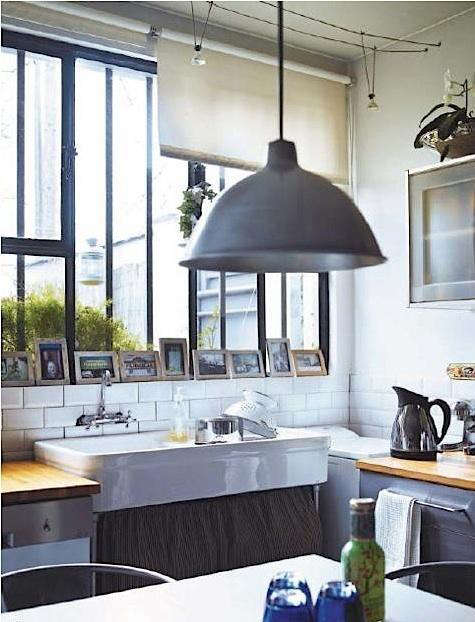
Some kitchen ideas arrive wearing a tuxedo. Others show up in a linen curtain, looking relaxed, useful, and suspiciously charming. Curtain-covered cabinets belong to the second group. They are practical, affordable, soft around the edges, and wonderfully forgiving if your lower cabinets are currently hiding a small civilization of pots, pans, dish towels, reusable bags, and that one lid that fits absolutely nothing.
A curtain-covered cabinet, also called a skirted cabinet, cabinet curtain, sink skirt, or under-counter curtain, replaces a traditional cabinet door with fabric. The look can feel cottage, Shaker, farmhouse, French country, English utility room, modern rustic, coastal, or even minimalist depending on the fabric, hardware, and surrounding finishes. In other words, this is not just “grandma’s sink skirt” returning from retirement. It is a flexible kitchen design idea with real storage value and a surprising amount of personality.
This roundup explores where curtain-covered cabinets work best, what fabrics make sense, how to style them without making the kitchen look like a craft fair booth, and what to consider before taking a screwdriver to your cabinet doors. Spoiler: washable fabric is your best friend, tension rods are tiny heroes, and puddling fabric on a kitchen floor is rarely as romantic as it sounds.
What Are Curtain-Covered Kitchen Cabinets?
Curtain-covered kitchen cabinets are lower cabinets, sink bases, islands, pantry shelves, or utility zones covered with fabric panels instead of hard doors. The fabric may hang from a slim rod, a tension rod, curtain wire, hook-and-loop tape, rings, clips, or a custom track. The result is part storage solution, part decorative detail.
The style has a long history in working kitchens, sculleries, cottages, and country houses. Before every cabinet had a matching shaker door and soft-close hinge, fabric was an easy way to hide pipes, cleaning supplies, stacked bowls, or open shelving. Today, designers and homeowners are bringing the idea back because it solves several modern kitchen problems at once: it softens hard surfaces, adds pattern, saves money, hides clutter, and creates a more relaxed, lived-in atmosphere.
Why Curtain-Covered Cabinets Are Popular Again
They Add Softness to a Hardworking Room
Kitchens are full of rectangles: cabinet boxes, appliances, tile, counters, drawers, and windows. A curtain interrupts all those hard lines. Even a simple white linen panel can make a kitchen feel calmer and more human. It is the design equivalent of loosening your collar after a long day.
They Are Budget-Friendly
Replacing cabinet doors can be expensive. Custom doors, hinges, paint, hardware, and installation costs add up quickly. A cabinet curtain can be made from linen, cotton, café curtains, vintage fabric, fabric remnants, or even a washable tablecloth. For renters, DIYers, and anyone who enjoys a beautiful kitchen without donating a kidney to the renovation fund, this is a very appealing route.
They Make Storage Easier to Access
Traditional cabinet doors swing open and sometimes block your legs, your dishwasher, or your general will to cook. A curtain slides or lifts aside. That makes it useful under sinks, in pantry zones, on kitchen islands, and in narrow galley kitchens where every inch matters.
They Bring Pattern Without Commitment
A cabinet curtain lets you add gingham, ticking stripe, block print, floral, chambray, canvas, or linen texture without covering the whole kitchen. If you get tired of the look, you can switch the fabric. Try doing that with a tile backsplash on a Tuesday afternoon.
Best Places to Use Curtain-Covered Cabinets
1. Under the Kitchen Sink
The sink base is the classic location for a cabinet curtain. It hides plumbing, cleaning bottles, trash bags, scrub brushes, and other unattractive but necessary kitchen items. A sink skirt also creates a focal point under the window or counter, especially when the sink area feels plain.
For a modern look, keep the curtain tailored. Let the hem just touch or hover slightly above the floor. Choose a fabric that can be removed and washed. The kitchen sink is not a museum exhibit; it is a splash zone with ambitions.
2. Open Lower Shelving
Open shelves below the counter can look beautiful when they hold matching ceramics and folded linens. They look less beautiful when they hold bulk snacks, plastic containers, pet food, and a slow cooker the size of a small ottoman. Cabinet curtains provide the visual calm of closed storage while keeping everything easy to reach.
3. Kitchen Islands
A skirted kitchen island can feel charming, especially in cottage-style, farmhouse, or vintage-inspired kitchens. Use fabric on one side of the island to cover shelves, baskets, or appliances. For a cleaner look, pair the fabric with stone, butcher block, or painted wood. The contrast between sturdy materials and soft textile is what makes the idea work.
4. Butler’s Pantry or Utility Zone
If your kitchen includes a pantry wall, laundry nook, coffee station, or back-kitchen setup, curtain-covered cabinets can hide practical storage without making the space feel heavy. This is especially useful when the area is visible from a dining room or breakfast nook. Nobody needs to admire your detergent collection over pancakes.
5. Rental Kitchens
Renters often inherit cabinets with missing doors, awkward finishes, or mysterious hardware from another decade. A curtain can disguise those issues without permanent changes. Use a tension rod inside the cabinet frame or removable hook-and-loop strips. Keep the original cabinet doors stored safely if you remove them, because landlords are rarely sentimental about your design journey.
Fabric Ideas for Curtain-Covered Cabinets
Linen
Linen is the favorite child of the curtain-covered cabinet world. It hangs beautifully, softens with age, and looks relaxed without looking messy. Natural, oatmeal, rust, olive, navy, and soft white linen all work well in kitchens. For a more tailored look, choose medium-weight linen rather than something too sheer.
Cotton Canvas or Cotton Duck
Cotton canvas is practical, washable, and sturdy. It works especially well in busy family kitchens because it can handle frequent use. It also gives the curtain enough body to hang neatly instead of collapsing like a tired paper napkin.
Gingham
Gingham is cheerful, nostalgic, and very good at making a kitchen feel like pie might happen. Use small-scale gingham for a subtle cottage look or larger checks for a bolder statement. Black-and-white gingham feels graphic and modern; blue or red gingham leans more farmhouse and vintage.
Ticking Stripe
Ticking stripe is one of the safest patterns for cabinet curtains because it feels classic without shouting. Blue, charcoal, red, or tan ticking can pair beautifully with white cabinets, wood counters, brass hardware, and stone floors.
Block Print or Floral
Block prints and florals can be gorgeous, but they need balance. If your kitchen already has patterned tile, colorful wallpaper, or dramatic countertops, choose a quieter fabric. If the kitchen is simple, a floral or block print cabinet curtain can bring it to life faster than you can say “Where did I put the measuring tape?”
Chambray or Denim
Chambray and lightweight denim give a casual, durable look. They work especially well in coastal kitchens, family kitchens, and spaces with warm wood shelves or white walls.
How to Choose the Right Color and Pattern
The best curtain fabric should connect to something already in the room. It might repeat the color of your dishware, echo the tone of your floor, pick up the shade of your wall paint, or contrast with your cabinets in a deliberate way.
For a calm kitchen, try natural linen, warm white, oatmeal, pale gray, or soft blue. For a cozy farmhouse look, try gingham, ticking stripe, or faded floral. For a modern kitchen, use a solid heavy linen, graphic stripe, or dark fabric with clean pleats. For a playful kitchen, choose a cheerful printbut keep the rest of the room disciplined so the curtain looks intentional, not like it escaped from a picnic basket.
Hardware and Hanging Methods
Tension Rod
A tension rod is quick, renter-friendly, and easy to remove. It works best inside a cabinet opening where the rod can press firmly between two sides. Choose a slim rod that matches nearby hardware, such as black, brass, nickel, or white.
Curtain Rod
A small mounted rod gives a more finished look. It can be installed under the countertop lip, inside the cabinet frame, or across the front of open shelving. Use rings or a rod-pocket panel depending on the style you want.
Hook-and-Loop Tape
Hook-and-loop tape is useful when you want the curtain to sit flat or when there is no room for a rod. It is also easy to remove for washing. This method works well for sink bases, appliance covers, and narrow cabinet openings.
Café Curtain Clips
Café curtain clips are ideal if you want a casual, gathered look. They also make it easy to remove the panel. Clips are especially good for washable cotton or linen panels.
Styling Tips for a Modern Look
Keep the Length Precise
The curtain should kiss the floor or stop just above it. In a kitchen, extra fabric dragging on the floor collects dust, crumbs, and whatever mysterious substance appears near the sink after dinner. Tailored length keeps the look fresh.
Use Fullness, But Not Too Much
A flat panel can look skimpy. Too much gathering can look fussy. A good rule is to use fabric about one and a half to two times the width of the opening. That gives gentle fullness without turning your cabinet into a stage curtain.
Repeat the Fabric Somewhere Else
For a polished room, repeat the fabric subtly. Use the same material for a small window café curtain, a pantry curtain, or even a few napkins. Do not overdo it. Matching every textile in the kitchen can go from charming to “theme restaurant” very quickly.
Balance Soft Fabric With Clean Surfaces
Cabinet curtains look best when paired with tidy counters, good lighting, and simple hardware. If the room is already busy, choose a quieter fabric. If the room is plain, the curtain can carry more personality.
Maintenance: The Part Nobody Puts on the Mood Board
Curtain-covered cabinets are lovely, but kitchens are messy. Cooking oil, flour, water, pet hair, and tiny toast crumbs have a way of joining every design trend. That is why fabric choice and installation matter.
Choose machine-washable fabric whenever possible. Avoid delicate silk, heavy velvet, or anything that requires dramatic cleaning rituals. Removable panels are much more practical than fabric stapled permanently into place. If the curtain is under the sink, make sure it can be detached quickly and washed regularly.
Darker fabrics hide stains better, but lighter fabrics can look fresher and brighter. Patterned fabrics are forgiving. A stripe or small check can disguise minor marks between washes. In a high-use kitchen, that forgiveness is not laziness; it is strategy.
Roundup: Curtain-Covered Cabinet Looks to Try
The White Linen Sink Skirt
Simple, breezy, and classic. A white linen sink skirt works beautifully with wood counters, stone sinks, brass faucets, and open shelving. It makes the kitchen feel lighter without adding visual clutter.
The Gingham Island Curtain
Use gingham on one side of a kitchen island to hide baskets or cookware. Pair it with painted cabinets and simple stools. This look is especially strong in cottage kitchens and small breakfast areas.
The Striped Pantry Curtain
A ticking stripe or deckchair stripe can cover open pantry shelving while adding structure. Stripes feel orderly, which is helpful when the hidden storage behind them is anything but.
The Natural Linen Utility Curtain
For a laundry or utility corner near the kitchen, natural linen is a smart choice. It hides machines, cleaning supplies, or bins while keeping the area warm and understated.
The Bold Print Cabinet Curtain
In a mostly neutral kitchen, one bold cabinet curtain can act like artwork. Try a block print, botanical pattern, or graphic check. Keep nearby accessories simple so the fabric gets the spotlight.
Common Mistakes to Avoid
The first mistake is using fabric that cannot be washed. A kitchen curtain must survive real life. The second mistake is making the curtain too long. Fabric pooling on a kitchen floor may look dreamy in a photo, but in daily life it becomes a crumb hammock.
The third mistake is choosing a pattern that fights with the rest of the room. If your backsplash, rug, dishes, and wallpaper are already competing for attention, the curtain should be the calm friend in the group. The fourth mistake is poor installation. Sagging rods, uneven hems, and crooked panels make the whole idea look temporary in the wrong way.
Finally, avoid covering every lower cabinet unless the design is very intentional. One or two curtain-covered sections usually feel charming. An entire kitchen of fabric fronts can work, but it requires careful planning, durable textiles, and a strong visual concept.
Are Curtain-Covered Cabinets Right for Every Kitchen?
Not always. If your kitchen is extremely sleek, glossy, or ultra-modern, fabric curtains may feel out of place unless you choose a very tailored solid textile. If you have toddlers, pets, or a household that treats lower cabinets like a contact sport, think carefully about durability. If you cook often with oil and high heat, keep fabric away from the range.
However, for small kitchens, vintage kitchens, rental kitchens, cottage kitchens, pantry areas, utility rooms, and budget refreshes, curtain-covered cabinets are one of the most satisfying upgrades. They are low-commitment, high-impact, and easy to adjust as your taste changes.
Experience Notes: Living With Curtain-Covered Cabinets
The real test of a curtain-covered cabinet is not whether it looks good in a photo. Most things look good in a photo with enough natural light and a strategically placed bowl of lemons. The real test is whether it works on a Monday morning when someone is making coffee, someone else is looking for a lunch container, and the dog has decided the kitchen rug is a personal runway.
In everyday use, the best curtain-covered cabinets are the ones that open easily. If you have to untie a bow, move a chair, or perform a small ceremony just to grab a mixing bowl, the design will become annoying fast. A curtain on rings or clips is usually easier to slide than a tight rod-pocket panel. Hook-and-loop tape works well for areas you do not access constantly, but for daily storage, a sliding fabric panel feels smoother.
Another lesson: do not hide chaos behind the curtain and then pretend the chaos has been solved. A curtain is not a magician. It can make storage look calmer from the outside, but the inside still needs bins, shelves, or zones. Under the sink, use waterproof containers for cleaners and sponges. On an island, use baskets for baking supplies, linens, or serving pieces. In a pantry, group items by category. The curtain gives you visual peace; organization gives you actual peace.
Fabric weight also matters more than people expect. Very thin cotton can look limp, especially across a wide cabinet opening. Very heavy fabric can be awkward to gather and slower to dry after washing. Medium-weight linen, cotton duck, or lined cotton usually lands in the sweet spot. If the fabric is patterned, buy a little extra so the pattern can be centered. A crooked check pattern under the sink may not ruin your life, but it will quietly bother you every time you rinse lettuce.
Washing is another practical detail. A curtain under the sink should be easy to remove. If you cook daily, wash it every few weeks or whenever it starts looking tired. A pantry or island curtain may not need washing as often, but it should still be removable. Choose prewashed fabric if possible to reduce shrinkage. Hem the curtain after washing the fabric once, not before, unless you enjoy surprise ankle-length curtains becoming surprise shin-length curtains.
For renters, the curtain-covered cabinet is especially useful. It can disguise ugly cabinet fronts, missing doors, scratched shelves, or an under-sink area that looks like it has seen things. A small tension rod and a ready-made café curtain can change the mood of the kitchen in less than an afternoon. Better yet, you can take the curtain with you when you move. That is more than can be said for peel-and-stick tile that has emotionally bonded with the wall.
The most successful examples also feel connected to the whole kitchen. A blue ticking stripe might echo blue dishes on an open shelf. A natural linen skirt might match woven shades or a jute runner. A gingham curtain might coordinate with a breakfast nook cushion. These little relationships make the curtain feel designed rather than improvised.
Finally, there is a mood benefit. Curtain-covered cabinets make a kitchen feel less like a showroom and more like a room where people actually live. They are imperfect in the best way. They move when you walk by. They add texture. They let a practical room have a little softness and humor. In a world of hard counters, hard floors, and hard-to-open packaging, that softness is not a small thing.
Conclusion
Curtain-covered cabinets are charming because they are both pretty and practical. They hide clutter, soften cabinetry, introduce color or pattern, and offer a budget-friendly alternative to traditional doors. The key is to treat them like a real design element, not an afterthought. Choose washable fabric, measure carefully, install sturdy hardware, and keep the length tailored.
Whether you use a linen sink skirt, a striped pantry curtain, or a gingham island panel, this old-fashioned idea can feel surprisingly current. It brings warmth into the kitchen without demanding a full renovation. And frankly, any design solution that hides cleaning supplies while making the room cuter deserves a polite round of applause.