

Life with an ostomy bag is one of those topics the internet tends to treat in two very unhelpful ways: either as a terrifying medical mystery whispered about in hospital hallways, or as a glossy “inspirational journey” tied up with a perfect bow. Real life, as any honest ostomy vlogger will tell you, lives somewhere in the middle. There are leaks, laughs, awkward public-bathroom math, emotional plot twists, and yes, the occasional victory dance after finding jeans that fit comfortably over a pouch.
An ostomy bag is not the end of normal life. It is a different way of living, managing waste, protecting health, and rebuilding confidence after surgery. For many people, an ostomy is created after conditions such as Crohn’s disease, ulcerative colitis, colorectal cancer, bowel injury, bladder disease, or other digestive and urinary problems. Depending on the reason for surgery, it may be temporary or permanent. Either way, the learning curve is realbut so is the possibility of living fully, working, traveling, exercising, dating, swimming, and eating actual food that does not taste like cardboard sadness.
The power of an honest vlogger’s take is simple: they show what brochures often skip. They talk about the first time changing a pouch alone. They admit when they cried over a leak. They explain why “just be positive” is not always helpful. And then, somewhere between a pouch-emptying routine and a fashion try-on haul, they prove something important: an ostomy bag can be part of a life, not the whole story.
What Is an Ostomy Bag?
An ostomy bag, also called an ostomy pouch, is a medical pouching system that collects stool or urine after ostomy surgery. During surgery, a surgeon creates a stoma, which is an opening on the abdomen that allows waste to leave the body. Because a stoma does not have the muscle control that the rectum or bladder normally provides, waste flows into the pouch instead of being held until a person chooses to use the bathroom.
There are several major types of ostomies. A colostomy redirects stool from the colon. An ileostomy redirects stool from the small intestine. A urostomy redirects urine from the urinary system. Each type has different output patterns, diet considerations, pouching needs, and daily routines.
Modern ostomy systems are far more discreet and advanced than many people imagine. Some are one-piece systems, where the skin barrier and pouch are attached. Others are two-piece systems, where the pouch can be removed from the barrier. Some pouches are drainable, while others are closed-end and designed to be replaced after use. Translation: ostomy life comes with options. It is less “one bag rules them all” and more “find the setup that works for your body, skin, schedule, wardrobe, and sanity.”
The Vlogger’s Honest Take: It Is a Big Change, Not a Life Sentence
One of the most refreshing things about ostomy vloggers is that they rarely pretend the adjustment is effortless. The first weeks after surgery can feel overwhelming. The body is healing. The stoma is new. The supplies look unfamiliar. The pouch makes noises at the exact wrong moment because apparently medical devices also enjoy comedic timing.
But honest creators also highlight something deeply reassuring: most people get better at managing their ostomy with practice. What feels impossible on day three may feel routine by month three. A person who once needed twenty minutes, a mirror, a nurse, and a motivational speech to change a pouch may eventually do it calmly before work while thinking about coffee.
The emotional side matters just as much as the practical side. Many people grieve the body they had before surgery. Some worry about being attractive. Others fear rejection, odor, leaks, or being treated differently. These fears are valid. They are not vanity; they are part of adjusting to a visible medical change in a world that is not always gentle about bodies.
Daily Life with an Ostomy Bag: The Real Routine
Emptying and Changing the Pouch
Daily ostomy care depends on the type of pouch and output. Many people empty a drainable pouch when it is about one-third to half full. Waiting until it is too full can make the pouch heavier, more noticeable, and more likely to pull at the skin barrier. Closed-end pouches are typically removed and replaced rather than emptied.
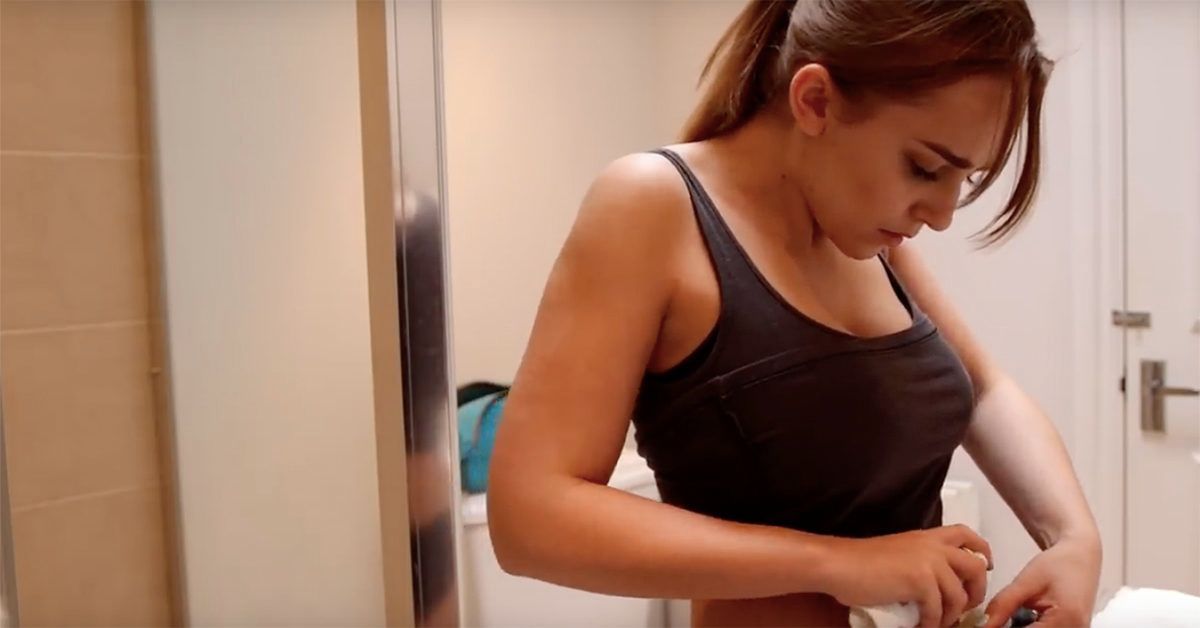
Changing the pouching system takes practice. Most routines include gently removing the old pouch, cleaning the skin around the stoma with warm water, drying the area well, checking the skin, measuring or fitting the barrier opening, applying the new barrier, and securing the pouch. It sounds like a lot at first because it is. Then it becomes muscle memory, like brushing your teethif brushing your teeth involved adhesive wafers and a bathroom counter that suddenly looks like a tiny medical supply store.
Skin Care Around the Stoma
The skin around the stoma, called peristomal skin, deserves VIP treatment. Healthy skin helps the pouch stick properly and reduces irritation. Common issues include redness, itching, soreness, adhesive sensitivity, or leakage-related skin damage. If output gets under the barrier, the skin can become irritated quickly.
A good fit is everything. The opening in the barrier should fit closely around the stoma without squeezing it. If the hole is too large, output can touch the skin. If it is too small, it can rub or injure the stoma. Many people work with a wound, ostomy, and continence nurseoften called a WOC nurseto find the right products and solve fit problems. Consider this person the ostomy world’s version of a highly skilled detective, except instead of solving crimes, they solve leaks, rashes, and mysterious adhesive failures.
Food, Gas, and the Bathroom Reality Show
Food after ostomy surgery is not one-size-fits-all. In the early recovery period, many healthcare teams recommend eating smaller meals, chewing thoroughly, drinking enough fluids, and reintroducing foods gradually. People with an ileostomy often need to pay special attention to hydration because the colon, which normally absorbs water, may be bypassed or removed.
Some foods may increase gas, odor, or output. Common culprits can include beans, cabbage, onions, carbonated drinks, eggs, fish, spicy foods, and certain high-fiber items. But this does not mean everyone with an ostomy is sentenced to a beige diet forever. Many people eventually return to a varied diet, learning through trial and error which foods behave politely and which foods act like they were raised in a barn.
A practical tip often shared by ostomy vloggers is to test new foods at home first. Try one new food at a time, in a small amount, and observe how your body responds. This is not glamorous, but it is useful. Your digestive system becomes less of a mystery novel and more of a spreadsheet with snacks.
Clothing and Confidence: Yes, You Can Still Have Style
One major worry after ostomy surgery is clothing. Will the pouch show? Can you wear jeans? What about dresses, leggings, swimsuits, belts, or fitted outfits? The honest answer is: usually, yeswith experimentation.
Some people prefer high-waisted pants or underwear because they offer light support and help smooth the pouch. Others like ostomy wraps, pouch covers, support bands, or specially designed swimwear. Some wear regular clothes with no changes at all. A lot depends on stoma placement, body shape, pouch type, personal comfort, and the day’s plans.
Vloggers often do something especially helpful here: they show outfits on real bodies. They bend, sit, turn sideways, and point out what works. That kind of visual honesty can be more comforting than any medical pamphlet. It reminds viewers that style is not canceled. The wardrobe may need a rewrite, but the main character still gets great outfits.
Work, School, and Social Life After an Ostomy
Returning to work or school depends on recovery, job demands, and medical guidance. Desk work may be easier to resume than heavy lifting, while physically demanding jobs may require extra planning, support garments, or temporary restrictions. People who lift, bend, or move a lot should ask their healthcare team about safe activity and hernia prevention.
Socially, the biggest hurdle is often not the pouch itself but anxiety about the pouch. People worry others can smell it, hear it, see it, or somehow sense it with superhero-level medical-device radar. In reality, a properly fitted pouching system is designed to contain odor, and most people are far less observant than we fear. The person across the table is probably not analyzing your abdomen. They are thinking about their own problems, their inbox, or whether they should order fries.
Disclosure is personal. Some people tell close friends right away. Others keep it private. There is no moral obligation to announce your ostomy to everyone like a press release. You get to decide who knows, when they know, and how much detail they receive.
Dating, Intimacy, and Body Image
Ostomy vloggers often get vulnerable about dating and intimacy because this is where fear gets loud. Will a partner be uncomfortable? Will the pouch get in the way? Will attraction change? These questions are common, and they deserve honest answers.
Many people with ostomies have healthy romantic and sexual relationships. Communication helps. So does practical preparation: emptying the pouch beforehand, using a pouch cover or wrap if it boosts confidence, choosing comfortable positions, and talking with a partner about concerns. The stoma itself does not define desirability. Bodies change for many reasonssurgery, aging, illness, pregnancy, scars, weight changesand intimacy is built on more than visual perfection.
The vlogger’s honest take here is often beautifully blunt: anyone who treats your ostomy as a deal-breaker may not deserve VIP access to your life anyway. The pouch filters more than output; sometimes it filters people.
Traveling with an Ostomy Bag
Travel is absolutely possible with an ostomy, but planning is your best friend. Bring more supplies than you think you will need. Pack supplies in your carry-on if flying. Keep extras in different bags in case luggage disappears into the airline underworld. Pre-cut barriers if that makes changing easier. Consider carrying disposal bags, wipes, a small mirror, and a change of clothes.
Airport security can feel intimidating, but many travelers with ostomies fly regularly. A pouch should not be removed during security screening. Some people carry a travel communication card or medical note explaining their ostomy. Hydration is also important, especially for ileostomy travelers or anyone visiting hot climates.
In other words, travel with an ostomy is not “grab passport and go” simple, but it is very doable. It just turns you into the friend who packs like a responsible adult. Annoying? Sometimes. Useful? Absolutely.
Exercise, Swimming, and Getting Back Into the Body
Many people return to walking, swimming, yoga, gym workouts, hiking, cycling, and other activities after healing. The timeline varies, and medical clearance matters. Core work and heavy lifting may require special caution because of the risk of developing a parastomal hernia, which is a bulge near the stoma caused by weakened abdominal muscles.
Swimming is a common worry, but ostomy pouches are generally designed to stay on in water. Some people use waterproof tape, support garments, or pouch covers for extra confidence. The first swim after surgery can be emotional. It may feel like reclaiming a piece of life. It may also involve checking the pouch every ninety seconds like a nervous lifeguard. Both reactions are normal.
Mental Health: The Part People Do Not See
The psychological adjustment to an ostomy can be intense. People may experience sadness, anger, anxiety, embarrassment, gratitude, relief, or all of the above before lunch. Some feel better physically after surgery but still struggle emotionally. Others feel guilty for not being “inspirational enough.”
Support matters. Ostomy nurses, therapists, support groups, online communities, and patient organizations can help people feel less alone. Vloggers play a meaningful role because they normalize the messy middle. They say, “I had a leak today,” and thousands of viewers silently exhale because they had one too.
It is also important to seek medical help for symptoms such as severe skin irritation, ongoing leakage, unusual stoma color changes, signs of dehydration, severe pain, vomiting, blockage symptoms, or output that changes dramatically and does not improve. Online creators can offer comfort and tips, but they cannot replace a healthcare professional who knows your medical history.
What This Vlogger Gets Right About Ostomy Life
The best ostomy vloggers do not sell fantasy. They sell visibility. They show that a pouch change can be annoying without making life tragic. They show scars, supplies, bloating, outfits, bad days, good days, and the tiny triumph of leaving the house without thinking about the bag every minute.
They also challenge stigma. Many people still assume an ostomy bag is dirty, embarrassing, or only for older adults. In reality, people of all ages live with ostomies. Some are athletes, parents, students, nurses, teachers, travelers, artists, executives, and yes, content creators who somehow manage to film pouch-care videos with better lighting than most cooking shows.
Their honesty helps viewers understand that ostomy life is not defined by limitation. It is defined by adaptation. The goal is not to pretend nothing changed. The goal is to learn what changed, build systems around it, and keep living.
Extra Experiences: Real-Life Lessons from Living with an Ostomy Bag
One of the biggest experiences people describe after getting an ostomy bag is the strange process of rebuilding trust with their own body. Before surgery, many patients have already spent months or years dealing with pain, urgency, bleeding, fatigue, hospital visits, digestive flares, or fear of leaving the house. After surgery, the body may feel unfamiliar, but it may also feel safer. That emotional contradiction is hard to explain unless you have lived it: the pouch can be frustrating, but it can also represent freedom.
For example, someone with severe ulcerative colitis may remember planning every outing around bathrooms. A short grocery trip could feel like a military operation. After ostomy surgery, that same person may still carry supplies, but they may no longer live under the constant threat of urgency. That change can be life-altering. The bag is visible to them, but the old illness may have been controlling everything invisibly.
Another common experience is learning how personal confidence returns in layers. At first, confidence may mean changing the pouch without panicking. Then it may mean wearing regular clothes. Then going to dinner. Then telling a friend. Then traveling. Then dating. No single milestone has to look dramatic from the outside. Sometimes bravery is simply leaving the house with backup supplies and deciding not to cancel plans.
Leaks are another honest part of the story. They happen. They are annoying, inconvenient, and occasionally spectacularly rude. But most people learn how to reduce them by improving pouch fit, emptying before the pouch gets heavy, protecting the skin, using barrier rings or accessories when recommended, and contacting an ostomy nurse when problems repeat. A leak is not a personal failure. It is information. In the grand spreadsheet of ostomy life, it belongs under “data,” not “disaster.”
Food experiences can also become surprisingly emotional. Many people remember the first meal they enjoyed after recovery, especially if illness had made eating painful for years. Still, food can require experimentation. Popcorn, nuts, mushrooms, raw vegetables, spicy dishes, and carbonated drinks may affect people differently. Some ostomates keep a food diary in the beginning, not because they want homework, but because knowing your body’s patterns is powerful.
Public bathrooms become part of the learning curve too. People discover which restrooms have hooks, counter space, privacy, and enough room to manage supplies. Some keep a small emergency kit in a purse, backpack, car, or desk. The kit may include a pouch, barrier, disposal bag, wipes, tissues, hand sanitizer, and a spare shirt. It sounds dramatic until the day it saves you. Then it becomes the most glamorous unglamorous thing you own.
Relationships often deepen through honesty. A trusted friend who reacts kindly can make the world feel safer. A partner who listens, asks respectful questions, and treats the ostomy as normal can help rebuild intimacy. At the same time, some people choose privacy, and that is valid too. Not every medical detail needs an audience.
The biggest lesson from life with an ostomy bag may be this: normal is not one fixed thing. Normal changes after surgery, after illness, after recovery, after grief, and after every major life event. An ostomy bag changes routines, but it does not erase personality, ambition, humor, beauty, love, or independence. The vlogger’s honest take reminds us that life with an ostomy can be complicated and still good. It can be awkward and still funny. It can be different and still completely worth living.
Conclusion
Life with an ostomy bag is not a perfectly polished before-and-after story. It is a practical, emotional, sometimes hilarious, sometimes frustrating adjustment that touches everything from food and clothing to travel, intimacy, confidence, and mental health. The honest vlogger’s perspective matters because it replaces fear with familiarity. It shows the pouch, the process, the bad days, and the comeback.
An ostomy bag may change how waste leaves the body, but it does not change a person’s worth. With the right medical support, well-fitting supplies, skin care, emotional support, and patience, many people with ostomies return to full, active, meaningful lives. The bag is part of the story, not the headline forever.
Note: This article is for informational and educational purposes only. It is based on current ostomy-care guidance and patient-experience information from reputable medical and advocacy organizations. It should not replace advice from a surgeon, ostomy nurse, dietitian, or other qualified healthcare professional.