

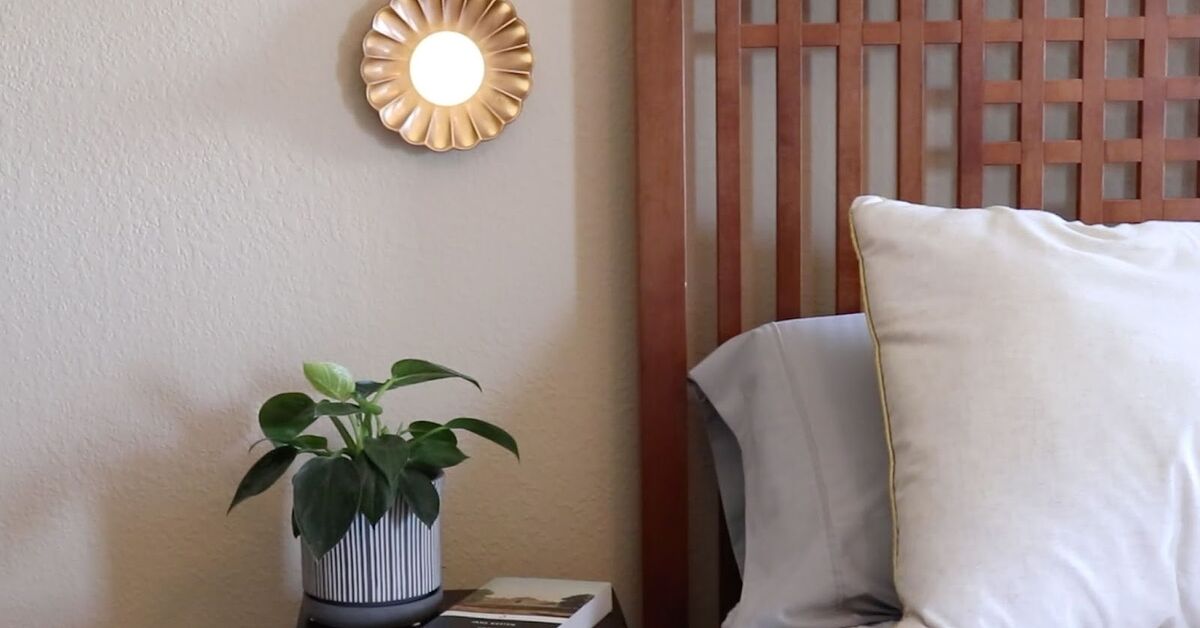
There are two kinds of people in this world: those who love cozy, glowy rooms that feel like a movie set, and those who flip on one harsh ceiling bulb and accidentally recreate a dentist’s waiting room. If you are trying to move from the second camp to the first, good news: you do not need a full renovation, a celebrity designer, or a trust fund the size of a small moon.
The clever ambient lighting hack is wonderfully simple: use indirect, warm, dimmable light that bounces off walls, ceilings, or furniture instead of shining straight into your face. In practice, that means hiding LED strip lights behind a headboard, bookshelf, TV, floating shelf, or sofa console table; pairing them with a lamp or two; and controlling the whole setup with a dimmer, smart bulb, or timer. Suddenly, your room goes from “office break room at 9 p.m.” to “I have my life together and probably own linen napkins.”
This trick works because ambient lighting is supposed to create overall illumination without feeling aggressive. Instead of blasting brightness from one point overhead, indirect light spreads softly across surfaces, fills shadows more evenly, and makes a room feel warmer, calmer, and often more expensive than it actually is. That is the interior design version of a magic trick, and unlike most magic tricks, this one does not require a suspicious top hat.
What is the ambient lighting hack, exactly?
At its core, the hack is about layering and redirection. You start with a light source that is energy-efficient and easy to control, usually LEDs. Then, instead of placing it where the bulb itself becomes the star of the show, you hide it so the glow becomes the feature. The wall lights up. The ceiling softly brightens. The underside of a bed floats like a spaceship designed by someone with excellent taste. The room feels lit, but the source stays visually quiet.
That one move changes everything. A room with exposed bright bulbs often feels flat and overlit. A room with bounced, warm light feels layered and intentional. It also lets you use less brightness overall because the light is distributed more gently. Translation: your eyes relax, your room looks better, and your electric bill does not need grief counseling.
Why this lighting trick works so well at night
1. It softens the room without making it too dark
Night lighting should help you see without making you feel interrogated. Indirect ambient lighting fills the room with a low, even glow that still lets you move around comfortably, read labels, find your charger, and avoid stepping on one rogue Lego brick with the emotional force of a Shakespeare tragedy.
2. It makes the space feel larger
When light bounces off walls and ceilings, it visually expands the room. Corners feel less heavy, dark pockets disappear, and the eye reads the room as more open. This is especially useful in bedrooms, apartments, hallways, dorm-style spaces, and living rooms where square footage may be… let us say… “aspirational.”
3. It creates a better mood
Lighting is emotional architecture. Warm, lower-intensity lighting makes a space feel restful, intimate, and welcoming. That is why restaurants use it, hotels rely on it, and smart homeowners stop using the “big light” unless they are looking for a missing earring or evidence.
4. It can be more sleep-friendly
For evening use, warmer and dimmer lighting usually feels better than bright, cool-toned light. If your room lighting leans soft and golden instead of icy white, your nighttime environment tends to feel calmer and less stimulating. That does not mean every bulb has to look like candlelight, but your bedroom probably should not feel like a supermarket freezer aisle at 11 p.m.
The best version of this hack: hidden LED glow
If you want the easiest, most effective approach, this is it: install a warm-white LED strip behind furniture or architectural edges so the light reflects outward instead of facing the room directly.
Here are some of the smartest places to use it:
Behind a headboard
This creates a soft halo behind the bed, making the whole bedroom feel calm and hotel-like. It is excellent for winding down, late-night reading prep, or simply pretending you booked a boutique suite when in fact you are three feet away from a laundry chair.
Under the bed
Under-bed LED strips create a floating effect and help with safe navigation at night. This is especially helpful if you get up early, share a room, or do not want to full-send your retinas into daylight mode just to find water.
Behind a TV
Backlighting behind a TV adds atmosphere and makes nighttime viewing more comfortable. It also gives your entertainment setup a polished look without requiring a full media wall buildout and a weekend argument with a power drill.
On top of bookshelves or cabinets
Hidden strips on top of tall furniture can wash the wall and ceiling with light, which is one of the easiest ways to create high-end ambience on a small budget. Designers love “uplight” because it turns blank surfaces into part of the visual experience.
Under kitchen cabinets
Under-cabinet lighting is usually praised as task lighting, but dimmable versions can also be excellent ambient lighting at night. When the overhead lights go off, a soft under-cabinet glow keeps the kitchen welcoming instead of cave-like.
How to choose the right bulbs and fixtures
Go for warm white
For cozy nighttime ambience, warm white bulbs generally work best. In most homes, the sweet spot is around 2700K to 3000K. That range feels warm without becoming orange or muddy. It works beautifully in bedrooms, living rooms, reading corners, and dining spaces.
Choose dimmable LEDs
Not all LEDs dim well, and some throw tiny tantrums in the form of flickering. Look for bulbs or strips clearly labeled dimmable, and make sure the dimmer or smart control is compatible. This matters more than people realize. One incompatible pairing and your “romantic ambience” starts looking like a haunted house audition.
Look for decent color rendering
Good ambient light should make people, paint colors, wood tones, and food look normal instead of vaguely unwell. A bulb with a CRI of 80 or higher is a smart baseline for the home. If you want colors, skin tones, and finishes to look especially rich, go higher where possible.
Use smart controls if you like convenience
Smart bulbs, smart plugs, and tunable LEDs can make the hack even better. You can dim the room from your phone, set a schedule, switch to warmer light in the evening, or create scenes such as “Movie Night,” “Reading,” “Do Not Perceive My Mess,” and “Pretending I Am a Calm Person.”
Step-by-step: how to set up this hack in one evening
Step 1: Pick the room that needs help the most
Usually this is the bedroom or living room. Choose the space where you spend evenings and where the overhead light feels the rudest.
Step 2: Identify one surface to bounce light off
Your best targets are walls, ceilings, or the area behind large furniture. The goal is not to spotlight the bulb. The goal is to illuminate a surface so the room glows indirectly.
Step 3: Add one hidden light source
Install a peel-and-stick LED strip behind the headboard, under a shelf, behind a TV, or on top of a tall bookcase. Use cable clips or adhesive channels if you want a cleaner finish.
Step 4: Add one visible but soft lamp
Pair the hidden light with a table lamp, floor lamp, or wall sconce that has a warm bulb and a shade. This gives the room depth and keeps it from looking like all the light is coming from one science-fiction ribbon.
Step 5: Put everything on a dimmer, timer, or smart plug
This is where the “hack” becomes lifestyle. A room that automatically glows on at sunset feels intentional. A room that requires you to crawl behind furniture every night feels like a prank.
Step 6: Lower the brightness
Most people still go too bright. Ambient lighting is not trying to win a brightness competition. Dial it down until the room feels calm but functional. If it still feels clinical, go warmer, dimmer, or more indirect.
Room-by-room examples
Bedroom
Use a headboard strip, bedside lamps, and maybe a small motion-sensing night light near the floor. This gives you soft bedtime lighting, practical reading light, and safer nighttime movement without flipping on the ceiling fixture.
Living room
Place an LED strip behind the TV or atop shelves, then add a floor lamp beside the sofa and a table lamp across the room. Varying light heights makes the space feel layered and more human-scale, which is designer language for “less like a conference room.”
Kitchen
Install dimmable under-cabinet LEDs and keep pendants or overheads brighter for cooking. At night, use just the cabinet glow. Your kitchen will feel cleaner, calmer, and somehow more capable of producing a midnight snack with dignity.
Hallway or entry
A small uplight, plug-in wall sconce, or motion-sensing floor-level light can make these pass-through areas feel more polished and safer after dark. Hallways do not need drama. They need enough glow to prevent toe-related regrets.
Common mistakes that ruin the mood
Using only overhead lighting
One central ceiling light is efficient, but it is rarely flattering or flexible. It throws everything into the same lighting condition and often creates harsh shadows.
Choosing bulbs that are too cool
Cool white bulbs can be useful for garages, utility spaces, and some task-heavy rooms. But in evening spaces, they often feel sterile and too alerting.
Ignoring dimmer compatibility
Always check whether the bulb, strip, fixture, and dimmer play nicely together. Lighting should set the mood, not perform Morse code.
Over-lighting every corner
Cozy rooms still need some contrast. Not every inch needs to glow like a showroom. A little shadow helps the room feel relaxed, layered, and real.
Budget-friendly ways to do it
You do not have to spend much to get dramatic results. A simple version might include one warm LED strip, one plug-in lamp, and one smart plug or dimmer. That is enough to transform a room. If you want to upgrade later, add better shades, wall sconces, or tunable smart bulbs.
The smartest strategy is to invest in control, not just fixtures. A modest lamp that dims beautifully often does more for your room than an expensive fixture that is either blinding or off. Lighting should have range. People do. Rooms should too.
Why this hack is worth it
The beauty of this ambient lighting hack is that it solves several problems at once. It improves mood, makes rooms feel more finished, helps reduce reliance on harsh overhead lighting, and can be done with efficient LED products that last a long time. It is practical, aesthetic, and flexible. That is a rare trio. Usually you only get two.
Even better, it is scalable. Renters can use plug-in lamps, peel-and-stick strips, and smart plugs. Homeowners can add dimmer switches, hardwired sconces, under-cabinet lighting, or tuned recessed fixtures. Either way, the principle stays the same: hide the source, warm the tone, lower the brightness, and let the room glow.
Real-life experiences with this ambient lighting hack
One of the most interesting things about ambient lighting is how quickly people notice the emotional difference, even when the actual installation is tiny. A person might add a warm LED strip behind the headboard in less than an hour, stand back, and suddenly realize their bedroom no longer feels like a place where they just store laundry and stress. The room feels quieter. Softer. More intentional. Nothing structural changed, but the atmosphere absolutely did.
In living rooms, the experience is often even more dramatic. Many people are used to relying on one overhead fixture and maybe the television itself, which is a surprisingly terrible lighting plan if the goal is comfort. Once a hidden strip goes behind the TV and a floor lamp is added near the sofa, the entire room starts to feel more balanced. Movie nights become easier on the eyes. Conversations feel less formal. The space finally earns words like “warm,” “inviting,” and “why did I not do this sooner?”
Bedrooms tend to produce the strongest reactions because that is where lighting mistakes become personal. A too-bright ceiling light right before bed can feel jarring. A warm, indirect glow feels like a gentle signal that the day is winding down. People often describe this shift as making bedtime routines smoother. Reading feels better. Scrolling feels less harsh. Getting up in the middle of the night stops feeling like a surprise stage performance under stadium lighting.
Kitchens benefit in a different way. During the day, bright task lighting is useful. At night, it can feel excessive. Homeowners who add dimmable under-cabinet lighting often say the kitchen becomes more social after dark. Suddenly it is a place for tea, leftovers, and late-night chats instead of a purely functional workspace. The room still works, but it no longer shouts.
Another common experience is that ambient lighting changes how people use their homes. A neglected reading chair gets used more once a small lamp appears beside it. A hallway feels safer with a low motion light. An apartment that once felt plain starts feeling curated, even if the furniture has not changed at all. Lighting is one of the few home upgrades that can change both behavior and emotion without requiring a major budget.
And then there is the part nobody talks about enough: compliments. Guests may not walk in and say, “Marvelous CRI and excellent control strategy.” Tragically, people are not that fun. But they will say things like, “Your place feels so cozy,” or “This room is such a vibe,” or “Why does my house not feel like this?” That response is the whole point. Great ambient lighting is rarely noticed as a product. It is noticed as a feeling.
So if your nights currently involve one punishing overhead bulb and a vague sense that your room is working against you, try the hack. Hide the light source. Make it warm. Make it dimmable. Bounce it off something. Then sit back and enjoy the kind of glow that makes even ordinary evenings feel a little more luxurious.
Conclusion
If you want a home that feels calmer, cozier, and more polished after dark, this ambient lighting hack is one of the easiest upgrades you can make. By using warm, dimmable, indirect light and layering it at different heights, you can transform the mood of a room without major construction or major spending. It is a small change with a big payoff, which is the best kind of home improvement. Your ceilings can keep the drama. Your evenings do not need it.