

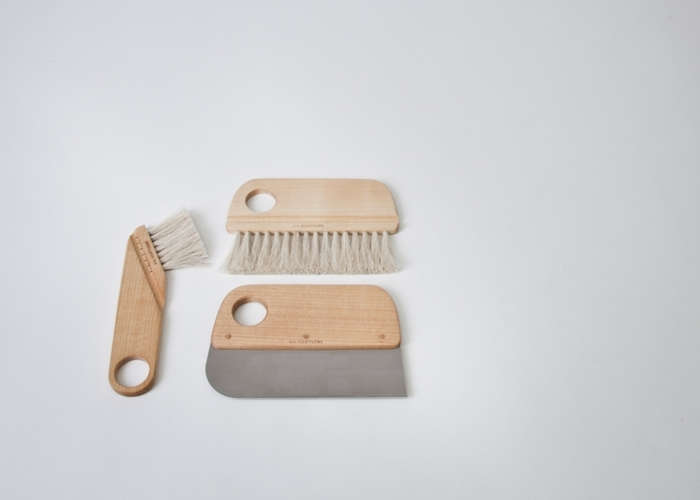
Some kitchen tools enter your life with a dramatic soundtrack: a stand mixer humming like a small spaceship, a copper pot shining like it has its own agent, or a digital scale that quietly judges your “just a little more flour” habit. Then there are tools like Lovisa Wattman’s Pastry Tool Kit: simple, handsome, practical, and quietly brilliant. It does not shout from the countertop. It just makes baking feel calmer, cleaner, and more intentional.
This pastry tool kit is associated with Swedish designer Lovisa Wattman and the respected craft brand Iris Hantverk, known for natural materials, handmade brushes, and functional Scandinavian design. In the world of pastry, where one sticky dough can turn a countertop into a crime scene, a well-designed kit of basic tools can make the difference between “beautiful rustic tart” and “why is there dough on the cabinet handle?”
At its heart, the appeal of Lovisa Wattman’s Pastry Tool Kit is not gadget overload. It is the opposite. It celebrates the small, tactile tools bakers actually reach for: a dough scraper, a pastry brush, and related wooden or metal helpers that simplify rolling, brushing, lifting, dividing, and cleaning. These are the tools that do the unglamorous work, which is exactly why they deserve more respect.
What Is Lovisa Wattman’s Pastry Tool Kit?
Lovisa Wattman’s Pastry Tool Kit refers to a curated set of pastry-focused tools connected with Lovisa Wattman’s design work for Iris Hantverk and sold through design-minded retailers such as Mjölk, with Remodelista listing it among considered kitchenware finds. The kit reflects the Scandinavian design philosophy of making everyday objects more useful, more durable, and more pleasant to hold.
Rather than chasing flashy features, the kit focuses on essentials. A pastry tool does not need Bluetooth, a tiny screen, or an app that tells you your croissant is emotionally unavailable. It needs to feel balanced in the hand, work well with flour and dough, clean up without fuss, and look good enough to leave on the counter. Wattman’s design language fits that brief beautifully.
The Core Idea: Simple Tools, Better Baking
Pastry work is physical. You press butter into flour. You coax dough into shape. You brush egg wash across a tart shell. You scrape flour from a worktop before it becomes a permanent architectural layer. The best tools for these jobs are often low-tech: a flexible scraper, a natural-bristle brush, a sturdy wooden handle, a clean edge, and materials that age gracefully.
That is where this kit shines. It is not designed to replace skill. It is designed to support it. Whether you are making pie crust, biscuits, cinnamon rolls, galettes, scones, tart dough, or sourdough crackers, these tools help you work neatly and confidently.
Who Is Lovisa Wattman?
Lovisa Wattman is a Swedish industrial designer known for long-lasting, functional objects. Her work has been connected with established Scandinavian brands, including IKEA and Iris Hantverk. Her approach emphasizes durability, usability, and visual restraintthe kind of restraint that makes a tool look effortless even after someone spent serious time thinking about its shape.
That background matters because pastry tools are not just accessories. They are hand tools. A designer has to consider grip, weight, angle, surface contact, cleaning, storage, and how a tool behaves when the user is moving quickly with floury fingers. A beautiful object that fails during pie season is just countertop theater. Wattman’s designs are admired because they tend to combine quiet beauty with actual usefulness.
Why Iris Hantverk Matters
Iris Hantverk has built a reputation around handmade household tools, especially brushes crafted from natural materials such as birch, beech, oak, horsehair, and plant fibers. The brand is also known for traditional brush-making carried out by visually impaired craftspeople, giving its products a human story as well as a material one.
For pastry tools, this heritage is especially relevant. Baking is full of texture: flour, butter, dough, glaze, egg wash, sugar, crumbs, and steam. Tools made with natural materials often feel more connected to that process than slick plastic gadgets. A birch-handled pastry brush or stainless-steel scraper does not merely perform a task; it becomes part of the rhythm of baking.
Key Tools in a Pastry Kit and How They Help
A compact pastry tool kit can be more useful than a drawer full of random baking accessories. The reason is simple: pastry tasks repeat. You divide dough, lift dough, brush dough, clean the bench, portion ingredients, and move delicate pieces from one surface to another. The right small tools make these actions smoother.
Dough Scraper or Bench Scraper
The dough scraper is the quiet superhero of pastry work. It can divide bread dough, lift sticky pastry, scoop chopped nuts, clean flour from a counter, and help shape dough without adding too much extra flour. A stainless-steel scraper with a comfortable handle gives you a firm edge for cutting and a broad surface for lifting.
For example, when making biscuits, a scraper helps fold the dough without warming it too much with your hands. When making pie crust, it can loosen rolled dough from the counter before the dough tears. When making cinnamon rolls, it slices the log cleanly without smashing the spiral. Basically, it is the friend who shows up early, brings coffee, and fixes the group project.
Pastry Brush
A pastry brush is essential for egg wash, melted butter, milk, cream, glaze, simple syrup, and even dusting loose flour from dough. Natural bristles, such as horsehair or boar hair, are often valued because they hold liquid well and apply it gently. Silicone brushes can be easier to clean, but traditional bristles may give more delicate control on pastry surfaces.
If you have ever brushed egg wash onto puff pastry with a heavy hand and watched the layers glue themselves together, you know why brush quality matters. A good pastry brush should glide, not bulldoze. It should coat evenly without leaving puddles in the corners or bald spots on the crust.
Wooden Handles and Natural Materials
The use of wood in pastry tools is not just about looks. Wood feels warm, offers grip, and fits the visual language of traditional baking. Oiled birch and similar materials also bring a calm, natural presence to the kitchen. In a world of loud appliances and mystery plastics, a simple wooden-handled tool feels almost luxurious.
That said, natural materials need proper care. Wooden handles should not be abandoned in a sink like a tragic shipwreck. Wash them with mild soap and lukewarm water, dry them promptly, and avoid soaking. Treat them well and they can serve for years.
Design Analysis: Why This Kit Feels Special
The strongest feature of Lovisa Wattman’s Pastry Tool Kit is its restraint. Nothing feels over-designed. The tools look like they belong in a working kitchen, not a museum case guarded by someone whispering, “Please do not touch the spatula.”
Scandinavian design often values clarity: a tool should reveal what it is for. The dough scraper looks ready to scrape. The brush looks ready to brush. The forms are clean, the materials are honest, and the experience is tactile. This is especially important for home bakers who want tools that feel both elevated and approachable.
Function Before Flash
Many modern kitchen products try to solve problems that do not exist. A banana slicer, for instance, solves the ancient human crisis of “knife unavailable.” Lovisa Wattman’s pastry tools focus on real baking problems: sticky dough, uneven glazing, messy counters, fragile pastry, and awkward cleanup.
That practical focus makes the kit a strong choice for bakers who prefer quality over quantity. You do not need twenty pastry gadgets. You need a few tools that work every time.
Beauty That Encourages Use
Good-looking tools are not just decorative. They can encourage better habits. When a pastry brush is beautiful enough to keep within reach, you are more likely to use it instead of improvising with a spoon. When a scraper feels good in the hand, you are more likely to clean as you go. A well-designed tool gently nudges you toward better technique.
Best Uses for Lovisa Wattman’s Pastry Tool Kit
This kit is especially useful for home bakers who enjoy hands-on recipes. It is not limited to fancy French pastry. In fact, its charm is that it works just as well for practical weekday baking as it does for special-occasion desserts.
Pie and Tart Dough
Pie dough benefits from cool hands and minimal handling. A dough scraper helps gather shaggy dough, divide it into disks, and lift rolled pastry without tearing. A pastry brush helps apply cream, egg wash, or melted butter before baking. The result is a crust that looks polished without requiring professional bakery drama.
Bread and Rolls
For bread dough, a scraper is invaluable. It helps manage sticky dough, portion rolls, and clean the bench after kneading. If you bake sourdough, focaccia, brioche, or dinner rolls, you will likely reach for the scraper more often than you expect.
Cookies, Biscuits, and Scones
A scraper can lift cut cookies, portion biscuit dough, and clear the work surface between batches. A pastry brush can add milk, cream, butter, or glaze before or after baking. These small steps improve texture and appearance without complicating the recipe.
Puff Pastry and Laminated Dough
Puff pastry can be fussy. It likes confidence, cold butter, and gentle handling. A slim scraper helps lift and move dough, while a soft pastry brush can remove excess flour before folding. These details matter because too much flour can toughen layers, and rough handling can crush the structure.
Care and Maintenance Tips
To keep a pastry tool kit in good condition, treat it like a small investment rather than a disposable accessory. Stainless steel should be washed and dried after use. Wooden handles should not be soaked. Natural bristle brushes should be cleaned gently, rinsed well, reshaped, and dried with the bristles facing downward or sideways so moisture does not sit at the base.
If the brush is used with butter or egg wash, wash it soon after baking. Do not let egg dry into the bristles unless your goal is to create a tiny breakfast sculpture. For dough scrapers, remove sticky residue immediately and dry the blade to preserve the finish and keep the handle comfortable.
Who Should Buy This Pastry Tool Kit?
Lovisa Wattman’s Pastry Tool Kit is ideal for bakers who appreciate practical design, natural materials, and compact kitchen tools. It suits beginners because the tools are easy to understand. It suits experienced bakers because the tools support refined technique. It also makes a thoughtful gift for someone who likes baking but does not need another novelty mug saying “Bakers gonna bake.”
This kit is particularly appealing for small kitchens. Instead of taking up cabinet space with bulky equipment, it gives you slim, useful tools that can live in a drawer, crock, or baking basket. If your kitchen storage situation is already a game of Tetris, that matters.
What to Consider Before Buying
The main thing to understand is that this kit is about essentials, not all-in-one convenience. It will not replace measuring cups, rolling pins, sheet pans, cooling racks, or a scale. It is best viewed as a focused pastry support kit: the tools you use during the messy, hands-on middle of baking.
Also consider care preferences. If you want everything to go into the dishwasher, natural materials may not be your first choice. If you enjoy tools that develop character over time and do not mind hand-washing, this kit fits beautifully.
Experience Notes: Living With Lovisa Wattman’s Pastry Tool Kit
Using a kit like this changes the tempo of baking. The first thing you notice is not a dramatic transformation but a reduction in friction. Dough moves more easily. Flour gets cleaned up faster. Butter washes go on more evenly. The counter feels less chaotic. It is the kitchen version of finally organizing your desk and discovering that your brain has been hiding under a stack of receipts.
Imagine making a rustic apple galette on a cool Saturday morning. The dough is tender, which is polite baking language for “ready to tear if you look at it too aggressively.” With a dough scraper, you can loosen the pastry from the counter in broad, careful motions. Instead of panicking and adding more flour, you slide the scraper underneath, lift, rotate, and keep rolling. The dough stays delicate, and your blood pressure remains within normal pastry limits.
Next comes the filling. Apples tumble into the center with sugar, cinnamon, lemon, and a little butter. The edges fold over, imperfectly but charmingly, because galettes are the dessert world’s way of saying, “Relax, symmetry is optional.” A pastry brush gives the crust a light coat of egg wash. The bristles reach the folds without flattening them. A sprinkle of coarse sugar sticks neatly. The finished galette bakes into a golden, glossy, bakery-style dessert that looks intentional rather than rescued.
The scraper becomes even more useful during cleanup. Instead of smearing flour with a wet sponge and accidentally creating countertop paste, you scrape the surface dry first. Dough bits gather into a tidy pile. Flour disappears quickly. The kitchen moves from “culinary weather event” back to “pleasant room where humans live.” This is the hidden joy of good tools: they do not just improve the baking; they improve the aftermath.
The pastry brush earns its place in everyday cooking too. Use it to butter a loaf pan, glaze dinner rolls, brush olive oil on flatbread, apply milk to scones, or sweep crumbs from a tart shell. It feels precise in a way that spoons and paper towels never do. Once you get used to having a real pastry brush nearby, improvising feels like trying to paint a portrait with a mop.
Over time, the wooden handles develop a quiet familiarity. They are not cold or slippery. They feel like tools made for repeated use, not display-only props. That matters because baking is built on repetition. The more often you make dough, the more you appreciate small improvements: a better grip, a cleaner scrape, a lighter brush stroke, a faster cleanup.
For beginners, the kit can make pastry less intimidating. For experienced bakers, it can make familiar recipes feel smoother. For design lovers, it brings beauty to the practical parts of baking. And for anyone who has ever tried to lift soft dough with a butter knife, it offers liberation. Tiny, flour-dusted liberation.
Conclusion
Lovisa Wattman’s Pastry Tool Kit proves that excellent baking tools do not need to be complicated. A thoughtfully designed scraper, brush, and set of pastry helpers can support better technique, cleaner work habits, and more enjoyable baking. The kit’s Scandinavian sensibility, natural materials, and connection to Iris Hantverk’s craft tradition make it especially appealing for people who value both form and function.
Whether you bake pies once a year or make bread every weekend, these tools offer a reminder that small objects can have a big impact. Pastry is easier when your tools cooperate. Cleanup is less annoying when your scraper actually scrapes. And a golden crust is much more likely when your pastry brush behaves like a brush instead of a tiny sauce broom with commitment issues.
In short, this is a kit for bakers who appreciate simplicity, craftsmanship, and the satisfying feeling of using the right tool at exactly the right moment.