

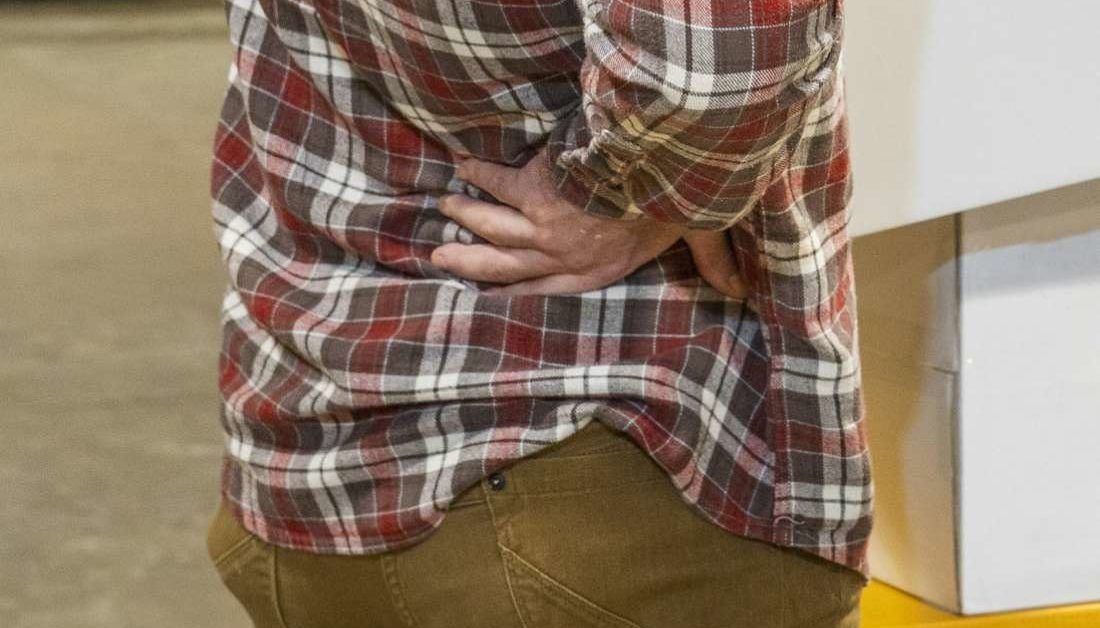
Lower right back pain has a sneaky way of showing up at the worst possible time: when you bend to tie a shoe, lift a laundry basket, sit too long, sleep “funny,” or make the heroic mistake of carrying all the groceries in one trip. The good news is that most lower right back pain comes from muscles, joints, discs, posture, or everyday strain. The less charming news is that pain on the right side can sometimes point to problems outside the spine, including kidney stones, kidney infection, appendicitis, or pelvic conditions.
This guide explains the most common causes of lower right back pain, when to worry, what treatment options actually help, and how to prevent your back from filing another formal complaint. It is educational only and not a replacement for medical care, especially if your pain is severe, sudden, persistent, or comes with red-flag symptoms.
What Is Lower Right Back Pain?
Lower right back pain means discomfort felt on the right side of the lumbar region, usually between the bottom of the rib cage and the top of the buttock. The pain may feel dull, sharp, burning, crampy, stabbing, tight, or like someone installed a rusty hinge in your spine without asking permission.
The lower back carries a big workload. It supports body weight, helps you bend and twist, connects with the pelvis, protects nerves, and politely tolerates hours of sitting, scrolling, driving, lifting, and sleeping in questionable positions. When muscles, ligaments, spinal discs, nerves, joints, or nearby organs become irritated, pain may appear on one side.
Common Symptoms That May Come With Lower Right Back Pain
Symptoms can vary depending on the cause. You may notice pain that worsens with movement, improves with rest, radiates into the buttock or leg, feels worse after sitting, or becomes sharper when coughing, twisting, or bending. Some people also experience muscle spasms, stiffness, numbness, tingling, weakness, urinary symptoms, nausea, fever, or abdominal pain.
Location matters, but it is not a perfect diagnostic map. A strained muscle and a kidney stone can both make the right side of your back shout. The detailssuch as what triggered the pain, whether movement changes it, and whether other symptoms are presenthelp narrow the possibilities.
Most Common Causes of Lower Right Back Pain
1. Muscle Strain or Ligament Sprain
The most common cause of lower back pain is injury to muscles, tendons, or ligaments. This can happen after lifting something heavy, twisting suddenly, overtraining, sitting too long, sleeping awkwardly, or doing a weekend warrior project with the confidence of a professional contractor and the preparation of a sleepy raccoon.
Muscle strain often causes localized pain, tightness, spasms, and soreness that gets worse with bending, twisting, or lifting. It usually improves gradually with relative rest, gentle movement, heat or cold therapy, and over-the-counter pain relievers when appropriate.
2. Poor Posture and Prolonged Sitting
Long hours at a desk, in a car, or on the couch can overload the lower back. Sitting with rounded shoulders, uneven hips, or a wallet in the back pocket may place extra pressure on the right side of the lower spine and pelvis.
Postural pain often builds slowly. It may feel like tightness or aching and may improve after walking, stretching, changing positions, or adjusting your workstation. A supportive chair, screen at eye level, feet flat on the floor, and movement breaks every 30 to 60 minutes can make a real difference.
3. Herniated Disc or Sciatica
Spinal discs act like cushions between the bones of the spine. If a disc bulges or herniates, it can irritate a nearby nerve. When this affects nerves that contribute to the sciatic nerve, pain can travel from the lower back into the right buttock, thigh, calf, or foot.
Sciatica may feel sharp, electric, burning, or shooting. It often affects one side. Numbness, tingling, or weakness may also occur. Many cases improve with conservative care such as physical therapy, activity modification, anti-inflammatory medication when safe, and time. Severe weakness, numbness in the groin area, or loss of bladder or bowel control requires emergency care.
4. Sacroiliac Joint Dysfunction
The sacroiliac joints connect the lower spine to the pelvis. When the right SI joint becomes irritated, pain can appear in the lower right back, buttock, hip, or upper thigh. It may worsen when climbing stairs, standing from a chair, rolling in bed, or standing on one leg.
SI joint pain is a master of disguise because it can mimic disc pain, hip pain, or muscle strain. Treatment often includes physical therapy, core and glute strengthening, stretching, posture changes, and sometimes anti-inflammatory medication or injections under medical guidance.
5. Facet Joint Irritation or Arthritis
Facet joints are small joints in the spine that help guide movement. Arthritis, wear and tear, or sudden twisting can irritate these joints. Pain may stay in the lower right back or spread slightly into the buttock. It often worsens when leaning backward, standing too long, or rotating the spine.
Treatment may include physical therapy, gentle mobility exercises, weight management, nonsteroidal anti-inflammatory drugs when safe, and targeted medical procedures in stubborn cases.
6. Spinal Stenosis
Spinal stenosis means narrowing around the spinal canal or nerve openings. It is more common with aging and may cause low back pain, leg pain, numbness, heaviness, or weakness. Some people feel better leaning forward or sitting and worse when walking or standing.
When symptoms affect the right side more than the left, lower right back pain may be part of the picture. Treatment can include exercise therapy, medications, injections, and occasionally surgery if nerve compression becomes severe or disabling.
7. Kidney Stones
A kidney stone can cause intense pain on one side of the back or flank, sometimes radiating toward the lower abdomen or groin. The pain may come in waves and may be accompanied by nausea, vomiting, blood in the urine, frequent urination, or painful urination.
Unlike a simple muscle strain, kidney stone pain may not improve much when you change position. If you suspect a kidney stoneespecially with fever, vomiting, or trouble urinatingseek medical care promptly.
8. Kidney Infection
A kidney infection can cause pain in the back, side, or groin, often with fever, chills, nausea, vomiting, painful urination, frequent urination, cloudy urine, foul-smelling urine, or blood in the urine. This is not a “walk it off” situation. Kidney infections usually require antibiotics and can become serious if untreated.
If lower right back pain comes with fever and urinary symptoms, contact a healthcare professional quickly.
9. Appendicitis
Appendicitis usually causes pain in the lower right abdomen, but some people may feel discomfort in the back or flank. The pain often starts near the belly button and moves to the lower right abdomen. Nausea, vomiting, appetite loss, fever, bloating, or worsening pain with movement may occur.
Appendicitis can become an emergency. If right-sided back pain is paired with significant lower right abdominal pain, fever, vomiting, or worsening tenderness, get urgent medical help.
10. Gynecologic Causes
In people with ovaries or a uterus, lower right back pain may be related to ovarian cysts, ovulation pain, endometriosis, fibroids, pelvic inflammatory disease, or pregnancy-related changes. Pain may also appear in the pelvis, lower abdomen, hip, or thigh.
Sudden severe pelvic pain, fainting, shoulder pain, heavy bleeding, fever, or a positive pregnancy test with one-sided pain needs urgent evaluation because conditions such as ectopic pregnancy or ovarian torsion can be serious.
When Lower Right Back Pain Is an Emergency
Most back pain is not dangerous, but some symptoms deserve immediate attention. Seek emergency care if lower right back pain occurs with loss of bladder or bowel control, numbness in the groin or saddle area, new or worsening leg weakness, fever with back pain, severe pain after trauma, unexplained weight loss, history of cancer, severe abdominal pain, blood in the urine, or pain with vomiting and inability to keep fluids down.
Also contact a healthcare professional if pain does not improve after several days of home care, lasts more than a few weeks, keeps returning, wakes you at night, or interferes with walking, work, sleep, or daily activities.
How Doctors Diagnose Lower Right Back Pain
Diagnosis usually starts with a medical history and physical exam. A clinician may ask when the pain started, what it feels like, whether it travels down the leg, what makes it better or worse, and whether you have urinary, digestive, fever, neurological, or pelvic symptoms.
During the exam, they may check posture, range of motion, muscle tenderness, reflexes, strength, sensation, walking pattern, hip movement, and nerve tension signs. Many cases of uncomplicated low back pain do not need imaging right away.
Tests may be recommended if symptoms suggest a more serious cause. These may include urine tests for kidney infection or blood in the urine, blood tests for infection or inflammation, X-rays for fracture or arthritis, ultrasound for kidney or pelvic concerns, CT scans for kidney stones or abdominal problems, or MRI for suspected nerve compression, infection, tumor, or serious spinal conditions.
Treatment for Lower Right Back Pain
Start With Gentle Movement
For many mechanical back pain cases, staying lightly active is better than strict bed rest. Walking, gentle stretching, and normal daily movement as tolerated can help prevent stiffness. That said, “push through the pain” is not a personality trait worth defending. If an activity sharply worsens symptoms, scale back.
Use Ice and Heat Wisely
For a fresh strain, ice may help reduce soreness and swelling during the first day or two. Apply an ice pack wrapped in a towel for 10 to 20 minutes at a time. After the initial phase, heat may relax tight muscles and improve comfort. Some people prefer alternating both. Your back may not send a thank-you card, but it may stop yelling.
Try Over-the-Counter Medication When Safe
Nonsteroidal anti-inflammatory drugs such as ibuprofen or naproxen may help some people with short-term back pain, but they are not safe for everyone. People with kidney disease, stomach ulcers, bleeding risks, certain heart conditions, blood thinner use, or pregnancy should ask a clinician first. Acetaminophen may be another option for some people, though it does not reduce inflammation.
Physical Therapy
Physical therapy can be especially helpful when pain keeps returning, travels into the leg, or seems related to posture, weakness, stiffness, or movement patterns. A physical therapist may use strengthening, stretching, nerve glides, hip mobility work, core stabilization, manual therapy, and education about lifting and ergonomics.
Exercises That May Help
Helpful exercises depend on the cause, but common options include walking, pelvic tilts, knee-to-chest stretches, cat-cow movement, bird dogs, bridges, gentle hamstring stretches, hip flexor stretches, and core bracing. Exercises should feel controlled and tolerable, not like a dramatic courtroom scene starring your sciatic nerve.
Treatment for Kidney or Abdominal Causes
If the pain comes from a kidney stone, treatment depends on stone size, location, pain level, infection risk, and whether urine flow is blocked. Options may include fluids, pain control, medications to help the stone pass, or procedures to remove or break up the stone.
Kidney infections usually require antibiotics. Appendicitis often requires urgent medical treatment and may require surgery. Gynecologic conditions may need medication, imaging, hormonal therapy, antibiotics, or surgical care depending on the diagnosis.
Injections or Surgery
Most lower right back pain does not need surgery. Injections may be considered for certain cases of nerve irritation, facet joint pain, or SI joint pain when conservative treatment is not enough. Surgery may be considered for severe disc herniation, spinal stenosis, instability, fracture, infection, tumor, or progressive neurological symptoms.
Prevention: How to Reduce the Risk of Lower Right Back Pain
Prevention is not about living like a porcelain figurine. It is about building a back that can handle real life. Strengthen your core, glutes, hips, and legs. Lift with your legs instead of your lower back. Keep objects close to your body. Avoid twisting while carrying weight. Take movement breaks during long sitting sessions. Sleep on a supportive mattress. Maintain a healthy weight if needed. Stay hydrated. Wear supportive shoes. Warm up before workouts. And please, let the groceries take two trips. No one is handing out Olympic medals for carrying 14 bags and a watermelon at once.
Experience-Based Section: Real-Life Lessons About Lower Right Back Pain
People often describe lower right back pain as a mystery that starts with one ordinary moment. One person bends to pick up a sock and suddenly walks like a question mark. Another spends six hours in a car, steps out, and discovers their right lower back has developed strong opinions. Someone else feels pain after a workout and assumes it is “just soreness,” only to realize the pain shoots into the right buttock every time they sit.
A common experience is that mechanical back pain changes with position. For example, someone with a strained muscle may feel worse when bending forward to load the dishwasher but better after a warm shower and a short walk. A person with sciatica may feel a sharp line of pain from the lower right back into the leg, especially after sitting. Someone with SI joint irritation may feel fine while walking but get a stabbing ache when standing up from a low chair.
One useful lesson is to pay attention to patterns instead of panicking over location alone. Lower right back pain after lifting a box, with tenderness in the muscle and no fever or urinary symptoms, often behaves differently from kidney pain. Kidney-related pain may sit higher near the flank, may not change much with movement, and may arrive with urinary changes, nausea, chills, or fever. That difference matters.
Another real-world lesson is that rest helps only up to a point. Many people try lying still for a full day, then feel stiffer than before. Gentle movement usually helps uncomplicated back pain recover better than becoming one with the couch. Short walks, careful stretching, and changing positions often work better than dramatic stillness. The back generally likes motion, but it prefers motion that does not insult it.
Ergonomics also plays a surprisingly big role. A laptop on a kitchen table, a chair with no support, or a habit of leaning to one side can quietly irritate the lower back. Many people improve simply by raising the screen, using lumbar support, keeping both feet flat, and taking regular breaks. The setup does not need to look like a spaceship cockpit. It just needs to stop treating the spine like a folding chair.
People who recover well often do three things: they respect red flags, they return to movement gradually, and they build strength after the pain calms down. The mistake is stopping all care as soon as pain improves. That is like fixing a roof leak and never checking the ceiling again. Once pain is better, strengthening the hips, glutes, and core can reduce repeat episodes.
Finally, there is the emotional side. Back pain can make people nervous because it affects everything: sitting, sleeping, working, driving, exercising, even sneezing. The key is not to catastrophize every twinge, but also not to ignore serious symptoms. Most lower right back pain improves with time and conservative care, but severe or unusual pain deserves a professional evaluation. Your back is not being dramatic for no reason; it is sending information. The trick is learning when it is a routine complaint and when it is waving a tiny medical flag.
Conclusion
Lower right back pain can come from simple muscle strain, posture, irritated joints, disc problems, sciatica, kidney stones, kidney infection, appendicitis, or pelvic conditions. The best treatment depends on the cause, but many mechanical cases improve with gentle movement, heat or ice, posture changes, physical therapy, and appropriate medication. Pain with fever, urinary symptoms, abdominal pain, leg weakness, numbness, loss of bladder or bowel control, or unexplained weight loss should be checked urgently.
The smartest approach is balanced: do not panic, do not ignore, and do not diagnose yourself using only the pain’s zip code. Track your symptoms, notice what changes the pain, use conservative care wisely, and seek medical help when symptoms are severe, persistent, or unusual.