

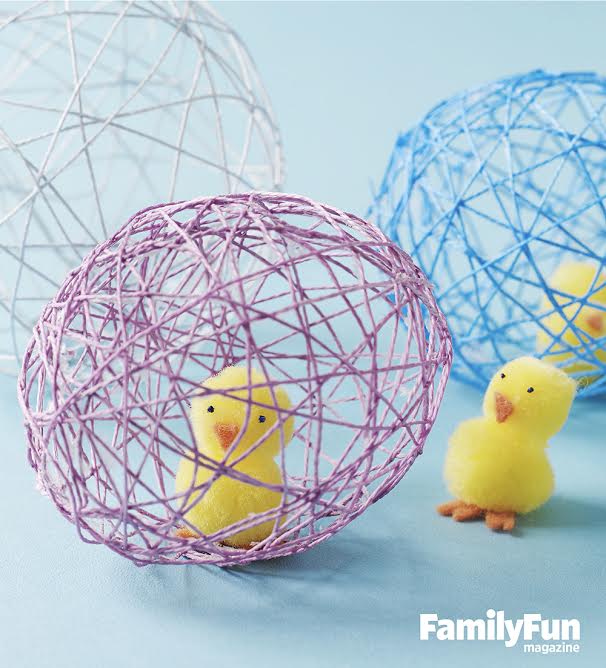
There are Easter crafts, and then there are Easter crafts that make children gasp like they have just discovered a tiny yellow celebrity hiding in a breakfast food. The Make Your Own Chick in Egg Easter Craft belongs proudly in the second group. It is cute, cheerful, easy to personalize, and simple enough for a rainy afternoon when the kids are bouncing around like jelly beans with sneakers.
This project turns ordinary craft supplies into a sweet little chick peeking out of a cracked Easter egg. You can make it as a flat paper craft, a pop-up puppet, a classroom bulletin board decoration, or a keepsake card for grandparents. Best of all, it does not require expensive supplies or advanced crafting skills. If you can cut a zigzag line, glue paper together, and resist the urge to put googly eyes on absolutely everything in the house, you are ready.
In this guide, you will learn how to make a charming Easter chick craft using paper, cardstock, craft sticks, markers, and a few optional decorations. You will also find helpful tips for crafting with preschoolers, safer material choices, creative variations, classroom ideas, and real-life experience notes to make the activity smoother, cleaner, and more fun.
Why This Chick in Egg Easter Craft Is So Popular
The reason this chick in egg Easter craft works so well is simple: it combines surprise, color, and character. Children love the idea of a baby chick hatching from an egg because it feels like a tiny story. One moment there is a decorated egg, and the next momentpeekaboo!a fluffy chick appears with a face that usually looks either adorable, confused, or suspiciously like it knows where the chocolate went.
This craft also fits many spring themes. It works for Easter, farm animal units, spring lessons, fine motor practice, family craft nights, Sunday school activities, preschool art tables, and elementary classroom displays. Teachers and parents can adjust the difficulty by pre-cutting templates for younger children or letting older kids design their own cracked eggs, feathers, wings, and silly facial expressions.
Another major advantage is flexibility. You can use paper plates for a large version, cardstock for a sturdier version, recycled cardboard for an eco-friendly option, or a craft stick to turn the chick into a puppet. The project is budget-friendly, beginner-friendly, and forgiving. A slightly crooked egg crack? Congratulations, your chick hatched dramatically.
Supplies You Will Need
Before you begin, gather your materials in one place. This prevents the classic craft-time migration where someone walks away to find glue and returns with a snack, a toy dinosaur, and no glue.
Basic Materials
- White cardstock, construction paper, or a small paper plate
- Yellow cardstock or construction paper for the chick
- Orange paper for the beak and feet
- Markers, crayons, colored pencils, or washable paint
- Googly eyes or a black marker for drawing eyes
- Glue stick or school glue
- Child-safe scissors
- Pencil
- Craft stick or popsicle stick for the puppet version
Optional Decorations
- Yellow feathers
- Pom-poms
- Stickers
- Washi tape
- Sequins or paper confetti
- Pastel paint
- Ribbon or yarn
- Cotton balls for a fluffy texture
For younger children, choose non-toxic, washable supplies. If you use glitter, prepare yourself emotionally. Glitter is not a craft material; it is a lifestyle choice that may follow you until Thanksgiving.
Step-by-Step Instructions: Make Your Own Chick in Egg Easter Craft
This version creates a chick that peeks out from a cracked egg. You can make it flat for a wall display or attach it to a craft stick so it pops up and down like a tiny Easter puppet.
Step 1: Draw and Cut the Egg Shape
Start by drawing a large egg shape on white cardstock or a paper plate. If you want a neat shape, fold a piece of paper in half, draw half an egg along the fold, and cut it out. When opened, the two sides will match. If you are crafting with children, do not worry about perfect symmetry. Real eggs are not applying for modeling contracts either.
Next, draw a zigzag line across the middle of the egg. This will become the cracked shell. Cut along the zigzag line so you have a top shell and a bottom shell.
Step 2: Decorate the Eggshell
Let children decorate the eggshell pieces before adding the chick. They can draw stripes, dots, flowers, hearts, stars, tiny carrots, or abstract masterpieces that adults are legally required to praise. Pastel colors give the craft a classic Easter look, while bright colors make it playful and bold.
For extra texture, add stickers, washi tape, or small paper shapes. If using paint, allow the egg pieces to dry fully before moving on. Wet paint and glue are not best friends; they create a slippery situation that can turn your chick into modern art.
Step 3: Make the Chick Body
Cut an oval, circle, or rounded arch shape from yellow paper. This will be the chick’s body. The chick should be slightly smaller than the egg so it looks like it is sitting inside the shell. For a fluffy chick, glue on yellow feathers, small tissue paper squares, or torn paper pieces.
You can also let children trace their fingers or thumbprints in yellow paint to create feather texture. This adds a sensory element and makes each chick look unique.
Step 4: Add the Chick’s Face
Glue on two googly eyes or draw eyes with a black marker. Cut a small diamond shape from orange paper, fold it in half, and glue it in the center to make a beak. The folded beak gives the chick a little 3D charm.
Children can add rosy cheeks, eyelashes, eyebrows, freckles, or a surprised expression. A chick with eyebrows is unexpectedly hilarious and highly recommended.
Step 5: Add Wings and Feet
Cut two small wing shapes from yellow paper and glue them to the sides of the chick. For the feet, cut two tiny orange shapes and attach them to the bottom. If the chick will sit inside the eggshell, the feet may only peek out a little, which makes the final craft even cuter.
Step 6: Assemble the Egg and Chick
Glue the chick behind the bottom half of the cracked eggshell so the face and upper body are visible. Then glue the top eggshell above the chick, leaving enough space for the chick’s face to show.
For a flat craft, glue everything onto a sheet of blue, green, or pastel background paper. Add grass, flowers, clouds, or a cheerful Easter message such as “Happy Easter,” “Spring Has Hatched,” or “Hello, Little Chick!”
Step 7: Make It a Pop-Up Puppet
To make an interactive version, glue the chick to the top of a craft stick. Then attach the bottom eggshell to the front of a paper pocket or paper plate. Leave the center open so the craft stick can slide up and down. When the child pushes the stick upward, the chick pops out of the egg.
This simple movement turns the project into a toy, not just a decoration. Children can use it for storytelling, pretend play, Easter songs, or a mini puppet show starring one chick and several confused bunnies.
Helpful Tips for Crafting With Kids
A successful Easter craft is not measured by how closely it matches the example. It is measured by whether the child had fun, practiced skills, and did not glue their sleeve to the table. Here are a few tips to keep the activity smooth.
Prepare Pieces Ahead for Younger Children
For toddlers and preschoolers, pre-cut the egg shapes, chick bodies, beaks, and wings. They can focus on decorating, arranging, and gluing. Older children can cut their own shapes and experiment with size and design.
Use a Craft Tray
A tray or baking sheet keeps markers, paper scraps, feathers, and glue contained. It also makes cleanup faster. This is especially useful if you are doing the craft with a group or in a classroom.
Offer Choices
Put out a few colors, textures, and decorations, then let children decide. Choice builds confidence and creativity. One child may make a classic yellow chick. Another may create a purple superhero chick with polka-dot wings. Both are correct. Art is wonderfully flexible that way.
Focus on the Process
Crafting helps children practice fine motor skills, planning, hand-eye coordination, and creative problem-solving. Cutting along a zigzag line, squeezing glue, placing eyes, and folding a tiny beak all strengthen small muscles used later for writing and everyday tasks.
Safety Notes for Easter Chick Crafts
When crafting with children, safety should be as present as the glue stick that somehow rolls under the couch. Use child-safe scissors, supervise cutting, and choose non-toxic materials designed for children. Look for art supplies labeled as safe for kids, especially when working with preschoolers.
If you decide to use real eggshells for a more natural version, keep them separate from edible eggs. Clean and dry the shells thoroughly before crafting. Do not eat eggs decorated with non-food-safe paint, glitter, glue, or craft materials. For a classroom or young-child activity, paper eggs are usually the easiest and safest option.
Small items such as googly eyes, beads, sequins, and pom-poms can be choking hazards for very young children. For toddlers, draw the eyes instead of using small plastic pieces.
Creative Variations to Try
Once you have made the basic chick in egg craft, try changing the materials or style. These variations help keep the project fresh, especially if you are planning several Easter activities.
Paper Plate Hatching Chick
Use a paper plate as the egg. Cut it in half with a zigzag edge, decorate both halves, and place a large yellow chick between them. This version is sturdy and great for bulletin boards or door decorations.
Egg Carton Chick
Cut a cup from a cardboard egg carton, paint it yellow, and add paper wings, a beak, and eyes. Place it inside a decorated paper eggshell or a small nest made from shredded paper. This recycled version is charming and eco-friendly.
Greeting Card Version
Fold a piece of cardstock in half and glue the cracked egg and chick to the front. Write an Easter message inside. This makes a sweet handmade card for grandparents, teachers, neighbors, or anyone who needs a little spring cheer.
Name Tag Chick
Write each child’s name on the eggshell and use the finished crafts as Easter table place cards. Add a small ribbon at the top if you want to hang them on an Easter tree or classroom display.
Sensory Chick Craft
Use feathers, cotton balls, tissue paper, felt, or yarn to give the chick texture. Sensory materials make the craft more engaging and help children explore how different surfaces feel.
Classroom and Group Activity Ideas
This Easter chick craft for kids is perfect for group settings because the materials are inexpensive and easy to organize. Create a station with pre-cut eggs, chick shapes, glue, crayons, and decorations. Place finished examples nearby, but encourage children to create their own designs.
For a classroom bulletin board, use the title “Our Chicks Have Hatched!” or “Spring Is Cracking Up!” Add green paper grass at the bottom and arrange each child’s chick across the board. This creates a bright seasonal display that looks cheerful without requiring museum-level precision.
You can also connect the craft to a simple science lesson about oviparous animals, springtime, farms, or life cycles. Keep the explanation age-appropriate: chicks hatch from eggs, eggs protect growing animals, and spring is a season when many baby animals are born. The craft gives children a visual way to connect with the idea.
Common Mistakes and Easy Fixes
The Egg Pieces Cover Too Much of the Chick
If the chick disappears behind the shell, trim the eggshell pieces or move the chick higher. The face should peek out clearly.
The Glue Makes the Paper Wrinkle
Use a glue stick instead of liquid glue for thin paper. If using liquid glue, remind children that a small dot is enough. This is also a useful life lesson, because some children treat glue like salad dressing.
The Chick Is Too Floppy
Use cardstock or glue the chick onto a second layer of paper. For puppets, attach the chick firmly to a craft stick with tape on the back for extra support.
The Decorations Keep Falling Off
Heavy decorations need stronger glue. Use school glue for feathers and pom-poms, and allow time to dry before lifting the craft.
Experience Notes: What I Learned Making This Easter Craft
The first time I made a chick in egg Easter craft with children, I learned something important: adults see a simple seasonal project, but kids see a full dramatic event. The egg is not just paper. It is a mystery door. The chick is not just yellow cardstock. It is a character with opinions, a name, and possibly a backstory involving a lost jelly bean.
One child gave their chick sunglasses because “it was born cool.” Another made the eggshell black with lightning bolts because “this chick is from space.” A third used so much glue that the craft needed a drying period normally reserved for sidewalk cement. And honestly, every version was wonderful.
The biggest practical lesson is to prepare the workspace before inviting kids over. Set out trays, wipes, scissors, glue, and paper pieces first. Once children see craft supplies, the countdown begins. You have about seven seconds before someone asks, “Can I start?” while already starting.
Another helpful experience is to show the steps slowly but avoid over-directing. Children enjoy seeing an example, but they do not need to copy it exactly. The best crafts often happen when adults step back a little. A chick with one giant eye and three wings may not match the sample, but it shows imagination, decision-making, and confidence.
I also found that the pop-up puppet version keeps children engaged longer than the flat version. When the chick can move, kids immediately create little performances. They hide the chick, hatch it, make it talk, tuck it back into the egg, and repeat the process with the seriousness of a Broadway stage manager. If you have extra time, the craft stick version is absolutely worth it.
For younger children, drawing the eyes instead of using googly eyes can save time and reduce worry about small pieces. For older children, adding patterns to the eggshell is usually their favorite part. They may create rainbow eggs, dinosaur eggs, fancy boutique eggs, or eggs covered in tiny scribbles that they will explain in great detail.
The cleanup is manageable if you keep decorations limited. Feathers are fun but floaty. Glitter is festive but ambitious. Tissue paper is a good middle ground because it adds color and texture without turning the room into a sparkling weather event.
Most importantly, this craft works because it is cheerful and low-pressure. It does not need to look perfect to be successful. In fact, the slightly wonky chicks often have the most personality. A crooked beak can look curious. Uneven shell cracks look realistic. A lopsided wing looks like the chick is waving hello.
If you are making this project for a family Easter gathering, set up a small craft table before lunch or after an egg hunt. Children can make one chick to take home and one to display. If you are using it in a classroom, write each child’s name on the back before the glue party begins. This prevents the timeless mystery of “Which yellow chick with orange beak is mine?”
By the end, you will have a table full of happy little Easter chicks, each with its own personality. Some will be neat, some will be wild, and at least one will look like it just heard surprising news. That is the joy of handmade Easter crafts: they capture the season, the child’s imagination, and the funny little moments that make crafting worth the paper scraps.
Conclusion
The Make Your Own Chick in Egg Easter Craft is a simple, joyful, and creative activity that brings springtime fun to homes, classrooms, and Easter celebrations. With basic supplies like paper, glue, markers, and a craft stick, children can create a cheerful baby chick peeking out from a colorful cracked egg. The project encourages creativity, strengthens fine motor skills, and gives kids plenty of room to personalize their work.
Whether you make a flat paper version, a paper plate hatching chick, a recycled egg carton chick, or an interactive pop-up puppet, this craft is easy to adapt for different ages and settings. It is affordable, adorable, and just messy enough to feel like real crafting without requiring a full kitchen renovation afterward.
So gather your pastel paper, prepare the glue sticks, and let those little chicks hatch. Easter crafting does not need to be complicated. Sometimes all it takes is one cracked paper egg, one yellow chick, and one child proudly announcing, “Mine is the boss chick.”