

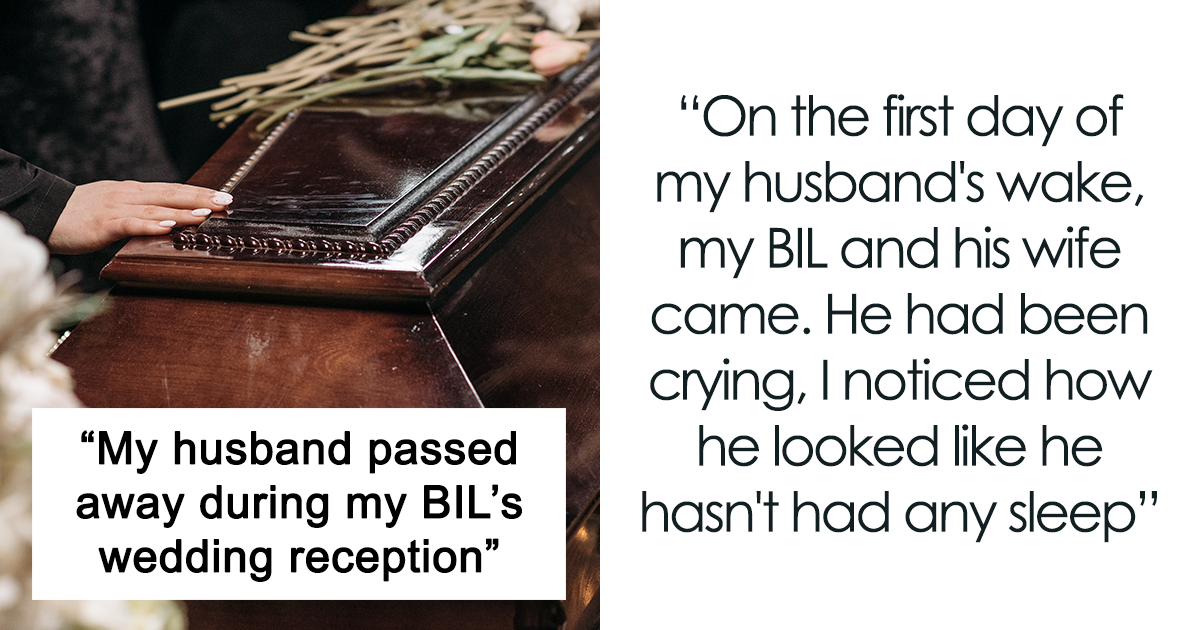
Note: This article examines the ethical and emotional issues raised by a reported-style wedding scenario. It is not intended to verify the details of any individual viral post or private family event.
A wedding is supposed to be a carefully choreographed celebration: flowers arranged at suspiciously precise angles, relatives pretending they do not have old grudges, and one uncle discovering the open bar a little too enthusiastically. But life does not always respect the seating chart.
In the scenario behind this headline, a man passes away during his brother’s wedding, and the bride later accuses him of ruining the most important day of her life. At first glance, the statement sounds so cold that it could freeze a champagne fountain. Yet the story also opens a larger conversation about grief, shock, weddings, family conflict, empathy, and what happens when an unimaginable tragedy crashes into a day that took months or years to plan.
No one expects a wedding day to become a medical emergency. No couple plans a reception around ambulances, terrified guests, stunned relatives, or a sudden death. But when something devastating happens, the real measure of character is not whether the day remained picture-perfect. It is whether the people involved can recognize that a human life matters more than a timeline, a cake, a floral budget, or a social media highlight reel.
When a Wedding Celebration Turns Into a Family Tragedy
Weddings are emotional events even when everything goes smoothly. Parents cry during speeches. Siblings make questionable toast jokes. Friends rediscover old romances near the dance floor. Add stress, money, family history, alcohol, travel fatigue, and unrealistic expectations, and the emotional temperature can rise quickly.
Now imagine that someone suddenly collapses, becomes seriously ill, or dies during the event. In seconds, the celebration changes. Guests who were discussing dessert are suddenly calling emergency services. Family members are trying to understand what happened. The newlyweds may be physically present but emotionally unable to process the shock.
A sudden death at a wedding is not simply an unfortunate interruption. It is a traumatic event. It can affect everyone differently: the spouse who lost a loved one, the sibling who witnessed the emergency, the children who saw adults panic, the guests who tried to help, and the couple whose wedding is now permanently connected to a painful memory.
That does not mean the bride is forbidden from feeling devastated about the wedding. She may grieve the loss of the celebration she imagined. She may feel frightened, numb, angry, guilty, or emotionally disconnected. Those reactions can happen during trauma. The problem begins when disappointment becomes blame.
Why Blaming the Deceased Is So Deeply Hurtful
Accusing a man who died of “ruining” a wedding crosses a difficult emotional line. The person did not choose to create chaos. He did not decide to interrupt the ceremony, draw attention away from the couple, or turn a reception into an emergency scene. He experienced a medical crisis or sudden death in a place where he happened to be surrounded by people who loved him.
Blame can sometimes become a strange shortcut for grief. When people face something terrifying and uncontrollable, they may search for a target. It is easier to be angry at a person, a venue, a family member, or “bad timing” than to accept a more frightening truth: terrible things can happen without warning and without anyone deserving them.
But grief does not become more acceptable just because it wears a wedding dress.
The bride may have been overwhelmed. She may have spoken in anger before understanding the full impact of her words. She may have been grieving the destruction of a day she had invested deeply in. Still, saying that the deceased “ruined” the event can make the family’s suffering worse, especially for the groom, who has now lost his brother.
The groom is no longer simply a newlywed. He is a grieving sibling. His family may be facing funeral arrangements, unanswered questions, shock, and the emotional aftershock of witnessing a death during what should have been a joyful gathering. In that moment, the marriage needs compassion more than perfect wedding memories.
The Most Important Day of Her Life? A Question Worth Rethinking
Many people describe their wedding as “the most important day of my life.” It is a familiar phrase, and usually it means the day is emotionally meaningful. But problems arise when the phrase becomes literal enough to overpower every other human reality.
A wedding matters. A marriage matters even more. But one day, no matter how expensive, photographed, catered, and hashtagged, should not matter more than a family member’s life.
The healthiest version of a wedding is not a flawless production. It is the beginning of a partnership. And a partnership is tested not only by first dances and honeymoon photos, but by how two people respond when life becomes painful, inconvenient, unfair, or impossible to control.
Marriage is not a movie montage with better lighting. It is a long relationship built through birthdays, illnesses, job losses, arguments, family emergencies, grief, missed flights, unexpected bills, and occasionally a dog that eats something medically inappropriate. A wedding day can be beautiful, but it is only the opening scene.
A Celebration Is Not More Valuable Than a Person
There is a major difference between saying, “I am heartbroken that this happened on our wedding day,” and saying, “He ruined our wedding.”
The first statement recognizes personal pain. The second statement suggests that the deceased person is responsible for the tragedy. One response is human grief. The other can sound self-centered, cruel, and emotionally detached.
It is possible for a bride to mourn the loss of her wedding experience while also grieving for the man who died. Both feelings can exist. However, empathy must lead the conversation. When a tragedy occurs, the person who suffered or died cannot be treated like an inconvenience in someone else’s event schedule.
How Trauma Can Distort Reactions in the Moment
Before labeling someone permanently heartless, it is worth understanding how shock affects people. During traumatic events, some individuals become tearful and panicked. Others go quiet. Some become angry. Some focus on tiny details because the larger reality feels too unbearable to process.
For example, a bride might obsess over whether guests are leaving, whether the photographer is still taking pictures, whether the reception will continue, or whether the venue staff will charge extra. Those thoughts may sound shallow from the outside, but sometimes the brain grabs onto practical details when it cannot process emotional devastation.
Still, shock explains behavior; it does not automatically excuse every hurtful statement.
A compassionate response after a tragedy includes taking responsibility once the initial shock fades. If the bride said something cruel, she should apologize to the groom and the deceased man’s family. She should acknowledge that her grief over the disrupted wedding does not compare to their loss. A sincere apology cannot erase the pain, but it can stop the damage from spreading.
What Should Happen During a Medical Emergency at a Wedding?
When someone suddenly collapses or becomes unresponsive at a wedding, the priority is immediate medical help. Guests should call 911, alert venue staff, locate an automated external defibrillator if one is available, and follow instructions from emergency dispatchers or trained responders.
Anyone who is not directly helping should make space, keep the area clear, and avoid turning the emergency into a spectacle. This is not the moment for recording videos, posting updates, or whispering dramatic theories near the dessert table.
Wedding coordinators, venue managers, and close family members can also help by quietly guiding guests away from the emergency area. Children may need to be moved to a calmer room. The couple should not be forced to manage every decision while a loved one is receiving urgent care.
A Wedding Emergency Plan Is Not Morbid
Planning for emergencies does not ruin the romance. It protects people.
Couples can ask their venue where the nearest AED is located, who is responsible for emergency communication, where ambulances should enter, and whether staff members are trained in first aid or CPR. A trusted wedding party member can serve as the emergency contact so the couple is not bombarded with questions during a crisis.
Most wedding emergency kits focus on fashion tape, bobby pins, stain remover, tissues, and pain relievers. Those are useful. But the most valuable preparation may be knowing where to get help when something far more serious happens.
How Families Can Respond After a Death at a Wedding
After a sudden death, families often face two crises at once: practical responsibilities and emotional devastation. There may be police questions, hospital communication, transportation issues, funeral planning, out-of-town guests, children who need support, and relatives who cannot stop replaying the event in their minds.
The couple should not feel pressured to continue the reception simply because the cake has been cut or the band has already arrived. Some families may decide to end the event immediately. Others may pause, gather privately, and decide what feels respectful. There is no universally correct choice.
What matters is that the family treats the death with dignity. The event should not become a debate about deposits, décor, or whether the DJ can still play “September.” Those concerns can wait. Human beings are allowed to be more important than logistics.
In the days afterward, relatives may need practical help: meals, rides, child care, hotel coordination, communication with guests, and assistance contacting support services. The newly married couple may also need counseling, especially if the groom witnessed his brother’s death or feels torn between grief and pressure to comfort his spouse.
Social Media Makes Tragedy More Complicated
When dramatic family stories appear online, strangers tend to split into teams quickly. One side may call the bride selfish. Another may argue that she was traumatized. A third group will somehow turn the whole thing into a debate about wedding costs, which is impressive in the same way it is impressive when a cat opens a cabinet door.
But real grief is rarely neat enough for internet voting.
People reading a viral story usually see only a few sentences, perhaps written while emotions are raw. They do not see the history between siblings, the relationship between the bride and the deceased, private health concerns, family tensions, or what was said after the first reaction.
That is why the best lesson is not simply “the bride is bad” or “everyone should move on.” The better lesson is that words spoken during tragedy can leave permanent marks. When life turns catastrophic, compassion should be the default setting.
What a Healthy Apology Could Sound Like
If the bride later realizes that she hurt people, a meaningful apology should be direct and specific. She should not say, “I am sorry you were offended,” because that phrase has the emotional warmth of a refrigerator manual.
A more compassionate response might sound like this:
“I was shocked, frightened, and overwhelmed, but I spoke about your brother in a way that was cruel and unfair. He did not ruin our wedding. We lost someone we loved, and I am deeply sorry that I added to your pain. I want to support you and your family as we grieve.”
That kind of apology does not demand immediate forgiveness. It does not make the bride the victim of her own mistake. It acknowledges the harm and leaves space for the family to decide what healing looks like.
Experiences and Lessons From Wedding-Day Tragedies
People who have experienced emergencies at weddings often describe the day as dividing life into “before” and “after.” Before the emergency, there may be laughter, nerves, photographs, and family members arguing about whether the ceremony will start on time. After the emergency, every detail can feel different. A song may become unbearable. A particular table may be impossible to look at. Even the smell of flowers or a specific food can bring back the moment.
Consider a composite example: a groom’s father becomes ill during the reception. Guests initially assume he simply needs air or water. Within minutes, the situation becomes serious. The wedding party stops dancing, relatives gather near the hallway, and someone calls emergency services. The bride later says that she barely remembers the rest of the night. What she remembers most is holding her husband’s hand while he waited for updates.
In another composite situation, a guest suffers a sudden medical emergency before the ceremony begins. The couple chooses to delay the ceremony because several immediate family members are helping at the hospital. The flowers remain beautiful. The photographer loses some planned daylight. The caterer has to adjust. Yet years later, the family remembers less about the delay and more about how everyone worked together without making the emergency about inconvenience.
These experiences show why empathy matters so much. A wedding is not ruined because something unexpected happens. It is changed. Sometimes painfully and permanently. But the meaning of the day can still be shaped by kindness, patience, and the willingness to put people ahead of appearances.
Couples facing a tragedy may need permission to feel conflicting emotions. They may feel sorrow for the person who died, anger at the unfairness of the situation, frustration about the disrupted event, guilt for thinking about the wedding, and fear about what the memory will mean for their marriage. None of those feelings automatically make someone a bad person. The important question is what they do next.
The healthiest response is not to pretend the wedding was untouched. It was touched. Deeply. The better path is to honor the person who died, support the grieving family, and allow the couple’s marriage to begin with compassion rather than resentment.
For the groom, losing a brother at his wedding could become one of the most painful memories of his life. For the bride, the opportunity is not to compete with that grief but to stand beside him in it. That is what partnership looks like when the music stops and real life enters the room.
Ultimately, this kind of wedding tragedy reminds us that no event, no matter how carefully planned, is fully under human control. The flowers may wilt. The weather may turn. The best man may lose the rings. And sometimes something far more devastating may happen. When it does, love is not measured by how well people preserve the schedule. It is measured by how gently they treat one another when the schedule no longer matters.
Conclusion
A man passing away at his brother’s wedding is not a ruined party. It is a family tragedy. A bride may understandably feel shocked by the loss of the celebration she planned, but blaming the deceased crosses a painful moral boundary. Weddings are important, but compassion, grief, and human life must come first.
The strongest marriages are not built on flawless wedding-day memories. They are built when two people can face life’s unexpected storms together. In a moment of tragedy, the right response is not to ask who ruined the day. It is to ask who needs care, support, and kindness most.