

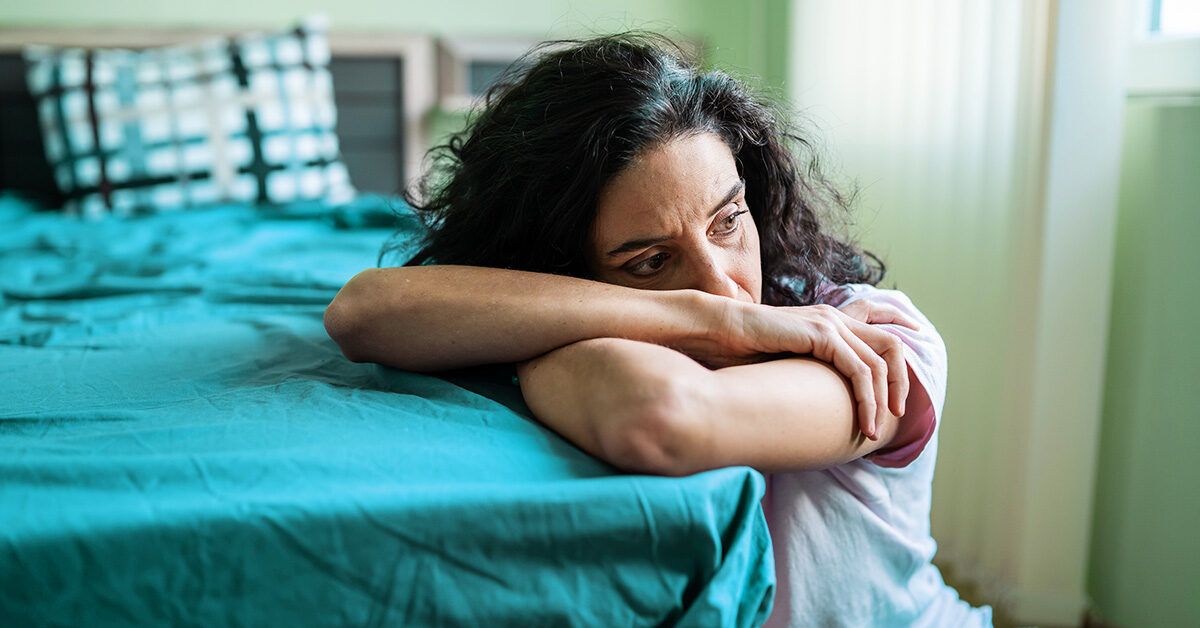
Waking up drenched in sweat is already rude enough. Waking up terrified, confused, or hearing from your partner that you sat bolt upright like the star of a haunted-house trailer? That takes midlife sleep drama to a whole new level. Many women in perimenopause and menopause report strange, broken, emotionally intense nights. The question is: can menopause actually cause night terrors?
The short answer is: menopause is not considered a direct cause of night terrors, but it can create the perfect sleep-disrupting environment where parasomnias, nightmares, panic-like awakenings, and intense nighttime episodes may become more noticeable. Hormonal changes, night sweats, insomnia, anxiety, sleep apnea, medications, alcohol, and stress can all pile onto the same pillow. When sleep becomes fragmented, the brain may not move smoothly through sleep stages, and that is where unusual nighttime events can sometimes show up.
Let’s unpack the connection between menopause and night terrors without blaming every midnight weirdness on hormones. Hormones may be powerful, but they are not tiny goblins living in your bedroom.
What Are Night Terrors?
Night terrors, also called sleep terrors, are a type of parasomnia. A parasomnia is an unusual behavior, movement, emotion, or experience that happens while a person is falling asleep, sleeping, or waking up. Night terrors often involve sudden fear, screaming, crying, sitting up, thrashing, rapid breathing, sweating, or appearing awake while still being difficult to comfort.
Unlike nightmares, night terrors usually happen during deep non-REM sleep, often in the first part of the night. The person may not fully wake up and may remember little or nothing the next morning. This is one reason night terrors can be more frightening for the person watching than for the person experiencing them. A partner may be alarmed; the sleeper may wake up thinking, “Why is everyone looking at me like I just wrestled a ghost?”
Night Terrors vs. Nightmares
Nightmares are vivid bad dreams that usually happen during REM sleep, often closer to morning. People commonly wake from nightmares and remember the dream. Night terrors, on the other hand, are more like a partial arousal from deep sleep. A person may look terrified but not be fully conscious.
This distinction matters because many people use “night terror” to describe any scary nighttime episode. During menopause, a woman may experience nightmares, panic-like awakenings, hot-flash awakenings, insomnia, or sleep apnea events that feel terrifying. Not all of these are true sleep terrors, but all deserve attention if they are frequent, dangerous, or affecting daily life.
How Menopause Changes Sleep
Menopause is officially diagnosed after 12 consecutive months without a menstrual period, but sleep problems often begin earlier, during perimenopause. This transition may last several years. During that time, estrogen and progesterone levels fluctuate, sometimes like a bad Wi-Fi signal: working one minute, gone the next.
These hormonal changes can influence sleep in several ways. Estrogen is involved in body temperature regulation, mood, and sleep quality. Progesterone has calming effects for some people and may influence breathing during sleep. As these hormones shift, women may experience hot flashes, night sweats, mood changes, anxiety, more frequent urination at night, and difficulty staying asleep.
The most common menopause-related sleep complaint is not usually night terrors. It is waking up repeatedly during the night. However, repeated awakenings can make sleep lighter, more unstable, and less restorative. Poor sleep can then increase stress sensitivity, daytime fatigue, irritability, and emotional reactivity. In other words, menopause can turn the bedroom into a nightly obstacle course.
So, Is There a Link Between Menopause and Night Terrors?
There may be an indirect link. Menopause itself is not widely recognized as a direct medical cause of night terrors. But menopause can increase the risk of sleep disruption, and disrupted sleep is a known trigger for parasomnias in susceptible people.
Think of it this way: menopause may not light the match, but it can stack the firewood. A woman who is already vulnerable to parasomnias may notice more episodes when she is sleep deprived, stressed, overheated, drinking more alcohol to unwind, taking certain medications, or dealing with anxiety. All of these factors can become more common or more noticeable during the menopause transition.
Possible Pathways Connecting Menopause and Night Terrors
Night sweats: Hot flashes during sleep can cause sudden awakenings, sweating, a racing heart, and confusion. These episodes may be mistaken for night terrors, especially if the person wakes in panic.
Insomnia: Trouble falling asleep or staying asleep can lead to sleep deprivation. Extreme tiredness is a common trigger for parasomnias, including sleep terrors.
Anxiety and mood changes: Menopause can coincide with increased anxiety, depression symptoms, or emotional sensitivity. Adult night terrors are sometimes associated with stress, trauma, anxiety, or other mental health factors.
Sleep apnea: The risk of obstructive sleep apnea rises with age and can become more noticeable after menopause. Breathing interruptions can cause abrupt arousals, gasping, sweating, and fear. These may be confused with nightmares or night terrors.
Medications and substances: Some medications, alcohol, and sleep aids may alter sleep architecture. Alcohol may feel relaxing at first, but it can fragment sleep later in the night. Unfortunately, the “just one glass to sleep better” plan often turns into the “why am I awake at 3:07 a.m. negotiating with the ceiling fan?” plan.
Symptoms That May Look Like Night Terrors During Menopause
Because menopause can bring several nighttime symptoms, it helps to identify what is actually happening. A sleep diary can be surprisingly useful. It does not need to be fancy. A notebook, phone note, or spreadsheet can track bedtime, wake time, hot flashes, alcohol, caffeine, stress level, medications, and what happened during the episode.
Common Nighttime Experiences
Hot-flash awakenings: Sudden heat, sweating, flushing, and a racing heart. The person is usually aware after waking and may remember the discomfort.
Nightmares: Scary dreams with clear recall. These often occur later in the night or early morning.
Sleep terrors: Sudden fear, vocalization, movement, or confusion with little memory afterward. These often happen earlier in the night.
Nocturnal panic: A sudden panic attack from sleep, often with intense fear, chest tightness, racing heart, or shortness of breath. The person wakes fully and feels frightened.
Sleep apnea events: Snoring, choking, gasping, dry mouth, morning headaches, daytime sleepiness, or a partner noticing pauses in breathing.
When to Talk to a Doctor
Occasional bad nights happen to almost everyone. But recurring night terrors or frightening sleep episodes in adulthood deserve a medical conversation, especially if they are new, worsening, or causing injury. Adult-onset night terrors are less common than childhood night terrors, so it is wise to look for triggers or underlying conditions.
Contact a healthcare professional if episodes happen often, include dangerous movements, lead to falls, involve sleepwalking, cause severe daytime sleepiness, or include symptoms of sleep apnea. It is also important to seek help if anxiety, depression, trauma symptoms, or major life stress are part of the picture. Menopause is natural; suffering through every symptom with heroic silence is optional.
How Menopause-Related Sleep Problems Are Evaluated
A clinician may ask about menstrual history, hot flashes, night sweats, mood symptoms, medication use, caffeine, alcohol, stress, snoring, and sleep schedule. If sleep apnea, seizures, REM sleep behavior disorder, or another sleep condition is suspected, a sleep study may be recommended.
Doctors may also review whether symptoms began after a new medication or supplement. Some antidepressants, sleep medications, and other drugs can affect sleep patterns. Never stop a prescribed medication suddenly without medical guidance, but do bring a full list to your appointment. The humble medication list is not glamorous, but it can be more useful than pretending you remember the name of “that little white pill.”
Ways to Reduce Nighttime Episodes During Menopause
The best approach depends on the cause. If night sweats are the main trigger, treating vasomotor symptoms may improve sleep. If insomnia is driving sleep deprivation, cognitive behavioral therapy for insomnia, often called CBT-I, may help. If sleep apnea is present, treating breathing problems can dramatically improve sleep quality.
1. Cool the Sleep Environment
Keep the bedroom cool, use breathable bedding, dress in light layers, and consider moisture-wicking sleepwear. A fan, cooling pillow, or layered blankets can help you adjust quickly during the night. The goal is not to turn your bedroom into an Arctic research station, just to reduce overheating.
2. Build a Predictable Wind-Down Routine
A consistent bedtime routine helps train the brain that sleep is coming. Gentle stretching, reading, breathing exercises, calming music, or a warm shower earlier in the evening may help. Try to avoid emotionally loaded scrolling before bed. Your nervous system does not need a breaking-news buffet at 10:47 p.m.
3. Watch Caffeine, Alcohol, and Spicy Foods
Caffeine too late in the day can worsen insomnia. Alcohol can fragment sleep and may trigger night sweats or parasomnias in some people. Spicy foods may worsen hot flashes for certain women. Not everyone has the same triggers, so track patterns instead of declaring war on salsa without evidence.
4. Treat Hot Flashes and Night Sweats
For moderate to severe menopause symptoms, medical options may include hormone therapy or nonhormonal prescription treatments, depending on personal risk factors and preferences. Lifestyle changes may help mild symptoms, but persistent night sweats that destroy sleep are worth discussing with a qualified clinician.
5. Screen for Sleep Apnea
If you snore loudly, wake up gasping, feel exhausted despite enough time in bed, or have morning headaches, ask about sleep apnea. Treating sleep apnea is not just about snoring; it can support heart health, energy, mood, and mental clarity.
6. Protect Against Injury
If episodes include movement, make the bedroom safer. Move sharp objects away from the bed, reduce clutter, secure windows if sleepwalking occurs, and consider sleeping on a lower bed if falls are a concern. Safety steps are not dramatic; they are practical.
Menopause, Stress, and the Brain at Night
Midlife can be a pressure cooker. Many women are managing careers, caregiving, teenagers, aging parents, relationships, body changes, and the mysterious disappearance of every pair of reading glasses. Stress does not cause every sleep problem, but it can make the nervous system more reactive at night.
During menopause, sleep loss can lower emotional resilience. A rough night can make the next day more stressful, and a stressful day can make the next night worse. This loop can feed itself. Breaking the cycle may require both body-based strategies, such as cooling the room and treating night sweats, and mind-based strategies, such as CBT-I, therapy, relaxation practice, or stress planning earlier in the day.
What Not to Do
Do not assume every frightening nighttime event is “just menopause.” Menopause is common, but so are other treatable sleep disorders. Do not ignore new adult night terrors, especially if they are frequent or unsafe. Do not rely heavily on alcohol as a sleep solution. And do not let embarrassment stop you from asking for help. Doctors have heard stranger things than “I screamed at my lamp and remember none of it.”
Also, avoid waking someone abruptly during a true night terror unless safety requires it. A calm, gentle approach is usually better. If the person is moving dangerously, guide them away from hazards without shaking or shouting. After the episode, they may be confused and need reassurance rather than an interrogation worthy of a detective show.
Real-Life Style Experiences: What Women Often Describe
The following experiences are composite examples based on common patterns women report during the menopause transition. They are not personal medical diagnoses, but they show how confusing the link between menopause and night terrors can feel in everyday life.
The “I Thought It Was a Nightmare” Experience
A 49-year-old woman begins waking several times a week with her heart pounding and her pajamas damp. At first, she calls them nightmares, but she rarely remembers a dream. Her partner says she sometimes sits up suddenly, looks frightened, and pushes the blankets away. After tracking the episodes, she notices they often happen on nights when she drinks wine, eats late, or has several hot flashes. Her doctor helps her identify night sweats and sleep fragmentation as likely triggers. Once she cools her room, reduces alcohol, and discusses menopause treatment options, the episodes become less frequent.
The “My Partner Is More Scared Than I Am” Experience
A 53-year-old woman learns from her spouse that she occasionally cries out early in the night. She has almost no memory of it. She is embarrassed, but her spouse is worried because she sometimes swings her arms. Her clinician asks about stress, sleep deprivation, medications, and family history of parasomnias. The woman realizes the episodes cluster during weeks when work deadlines push her bedtime later and later. A safer bedroom setup, a consistent sleep schedule, and stress management reduce the problem. The biggest lesson? The body keeps score, and sometimes it submits the invoice at midnight.
The “It Was Actually Sleep Apnea” Experience
A 56-year-old woman assumes menopause is causing all her nighttime fear. She wakes gasping, sweating, and panicked. Her partner mentions loud snoring and pauses in breathing. A sleep evaluation shows obstructive sleep apnea. Treatment improves her sleep, morning energy, and nighttime panic-like awakenings. Menopause may have been part of the timing, but it was not the whole story. This example is especially important because sleep apnea in women can be underrecognized, and symptoms may not always look like the classic stereotype.
The “Anxiety Turned the Volume Up” Experience
A woman in perimenopause starts having vivid dreams and occasional frightening awakenings after months of poor sleep. She is also caring for a parent, juggling work, and waking with hot flashes. Her doctor screens for mood symptoms and recommends therapy, CBT-I techniques, and practical menopause symptom management. Over time, the nighttime episodes ease. Her experience shows that sleep is not separate from life. The brain does not clock out just because the lights are off.
What These Experiences Have in Common
In many cases, the solution is not one magical fix. It is pattern recognition. Women often improve when they identify triggers, protect sleep, treat hot flashes, reduce sleep-disrupting habits, and get checked for underlying sleep disorders. Menopause may be the season when the symptoms appear, but the best answer usually comes from looking at the whole sleep ecosystem.
Conclusion: Menopause May Not Cause Night Terrors, But It Can Stir the Pot
Menopause and night terrors can be connected, but usually indirectly. Hormonal changes can contribute to night sweats, insomnia, anxiety, and fragmented sleep. Those issues can increase the chance of frightening nighttime episodes, especially in people already prone to parasomnias or stress-related sleep disruption.
The key is not to panic or dismiss it. Track what happens, look for patterns, improve sleep habits, cool the sleep environment, and talk with a healthcare professional if episodes are frequent, new, intense, or unsafe. Better sleep during menopause is possible. It may take detective work, but you do not have to solve the mystery while exhausted, sweaty, and suspicious of your own pillow.