

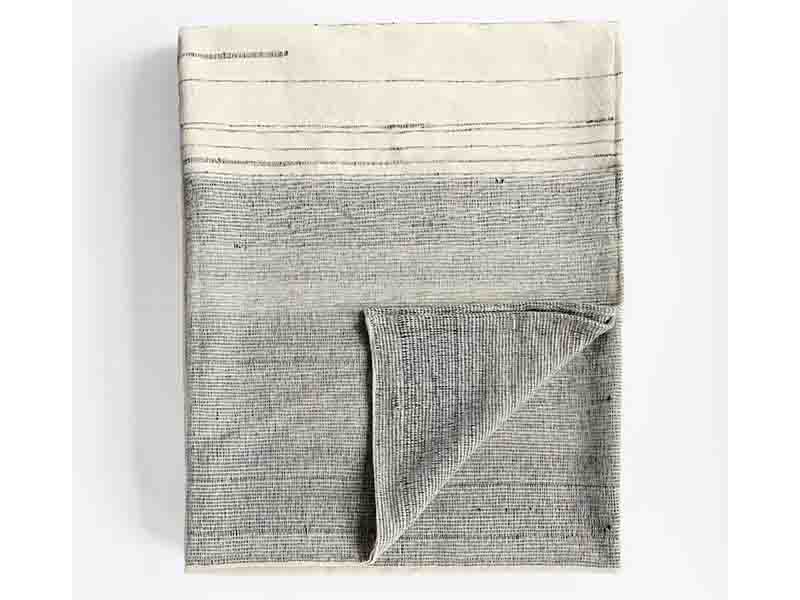
The Michoacán Collection is more than a pretty phrase for a product page. It is a doorway into one of Mexico’s richest creative regions, where clay, wool, cotton, copper, lacquer, candlelight, and storytelling all seem to sit at the same family table. Michoacán has a way of making handmade objects feel alive. A woven bedcover is not just “bedding.” A clay vessel is not just “decor.” A candle poured into a handmade pot is not just a candle. It is craft with a heartbeat.
In today’s design world, where many homes are full of objects that look suspiciously like they were assembled by robots with beige mood boards, the Michoacán Collection offers something warmer: texture, history, regional identity, and the charming little irregularities that prove a human being made the thing. The result is a collection style that feels earthy but elevated, traditional but fresh, and deeply connected to the artisans and communities behind it.
Whether the phrase refers to handwoven Michoacán bedcovers, artisan candles in ceramic vessels, pottery from Purépecha communities, copper accents from Santa Clara del Cobre, or a broader home collection inspired by the region, the appeal is the same: Michoacán design brings soul into a room without shouting. It simply walks in wearing a wool rebozo, carrying a clay pot, and somehow makes your coffee table look underdressed.
What Is the Michoacán Collection?
The term “Michoacán Collection” is used by different design and home brands to describe curated pieces connected to Michoacán, Mexico. Some collections focus on handwoven cotton and wool bedcovers made on traditional looms. Others highlight hand-painted pottery, small-batch candles poured into ceramic vessels, clay planters, vases, candle holders, or sculptural decorative objects. What ties them together is not a single product category, but a shared design language: handmade, tactile, regionally rooted, and unmistakably personal.
Michoacán is a state in west-central Mexico with a remarkable artisan heritage. Its communities are known for ceramics, textiles, copperwork, lacquerware, wood carving, basketry, and festival objects connected to Día de los Muertos. The region is also home to many Purépecha communities, whose artistic traditions continue to shape the look and meaning of Michoacán-made objects today.
That makes the Michoacán Collection especially interesting for homeowners, interior designers, collectors, and anyone who wants decor with a story. Instead of buying a mass-produced vase that looks like it was designed by a committee and named “Taupe Emotion,” you are looking at objects shaped by local materials, inherited techniques, and the creative decisions of individual makers.
Why Michoacán Craft Feels So Distinctive
A region built on many craft languages
Michoacán’s design identity is not one-note. It is a layered conversation among villages, families, materials, and techniques. In Uruapan, textiles may be woven with cotton and wool on treadle looms. In Capula, pottery is known for painted details, dotted patterns, tableware, and the famous clay Catrinas. In Santa Clara del Cobre, copper is hammered, heated, polished, and shaped into vessels, bowls, tubs, and decorative forms. Around Lake Pátzcuaro, lacquerware and textile traditions carry deep historical resonance.
This variety gives a Michoacán Collection unusual range. One room might include a thick woven bedcover in natural wool tones, a copper bowl with a hammered glow, a clay vase with animal-inspired forms, and a candle in a hand-painted ceramic vessel. Together, these objects create a home that feels collected over time rather than purchased in one frantic Saturday afternoon panic trip.
Handmade details that refuse to be boring
The beauty of handmade Michoacán pieces is that they are not perfectly identical. A vessel may have subtle variations in shape. A woven textile may reveal small shifts in texture. A hand-painted motif may carry the rhythm of the painter’s brush. These differences are not flaws. They are proof of process.
In a design culture obsessed with smooth sameness, those small irregularities are refreshing. They give each object personality. They also help explain why many Michoacán-inspired collections feel equally comfortable in rustic homes, minimalist apartments, Spanish-style interiors, bohemian spaces, and contemporary rooms that need a little warmth before they become emotionally unavailable.
The Materials Behind the Michoacán Collection
Cotton and wool: soft structure with real presence
One of the most appealing interpretations of the Michoacán Collection is the handwoven bedcover. These pieces often use natural cotton and wool, creating a textile that is soft but substantial. The texture is part of the design. Rather than acting like a flat blanket, a Michoacán bedcover can add dimension to a room through ridges, pockets, thick yarns, woven panels, and gentle color variation.
Natural wool tonesgray, cream, brown, and whitework especially well because they feel grounded. They do not beg for attention, but they quietly make the bed look more intentional. In a bedroom, this kind of textile can replace the need for loud prints or overdecorated pillows. The bedcover does the heavy lifting, both visually and, depending on the weave, quite literally.
Clay: earthy, expressive, and endlessly useful
Clay is central to Michoacán craft. Pottery from the region may include serving bowls, cazuelas, planters, candle holders, sculptural vessels, and figures. Some pieces are polished and burnished; others are painted with delicate details; still others lean into rustic texture and earth-toned surfaces.
Capula pottery is especially beloved for its everyday usefulness and decorative charm. The region is also famous for clay Catrinas, the elegantly dressed skeletal figures associated with Día de los Muertos imagery. These pieces often combine humor, beauty, and cultural memory in a way that feels unmistakably Mexican. A Catrina can be playful, glamorous, spooky, and oddly judgmental all at oncewhich is quite a lot of personality for a ceramic lady in a hat.
Pottery from San Pedro Zipiajo and other Purépecha communities often emphasizes hand-shaped forms, natural pigments, open-fire methods, floral motifs, animal inspirations, and a close relationship between clay and land. These objects are not simply styled for trendiness. They come from living traditions where technique, identity, and community memory remain intertwined.
Copper: the glow of Santa Clara del Cobre
No discussion of Michoacán craft is complete without copper. Santa Clara del Cobre is famous for coppersmithing, a tradition connected to the region’s long history of metalwork. Copper pieces may be hammered into bowls, vases, pots, tubs, lamps, and decorative accents. The surface often carries visible hammer marks, which catch light beautifully and make the object feel alive.
Copper brings warmth into a home in a way few materials can. It glows without being flashy. It ages with grace. It looks equally good beside dark wood, stone, linen, terracotta, and plaster. A copper bowl on a console table can make the whole area feel more collected. A copper vessel with branches or dried flowers can turn a forgotten corner into a design moment. And unlike some trendy metallic finishes, copper does not feel like it is trying to audition for a nightclub.
Lacquerware: history with shine
Michoacán also has a notable lacquerware tradition, especially associated with Pátzcuaro and surrounding areas. Lacquered trays, bateas, gourds, and decorative objects may feature floral patterns, bright colors, symbolic imagery, and layered finishes. Historically, Michoacán lacquerware absorbed influences from Indigenous techniques, colonial-era exchange, Asian lacquer traditions, and European decorative taste.
That blend makes lacquerware especially fascinating. It is not frozen in the past. It shows how craft evolves through trade, adaptation, and imagination. In a Michoacán Collection, lacquered pieces can add color and narrative to rooms that otherwise rely on neutral textures.
How to Style a Michoacán Collection at Home
Start with one hero piece
The easiest way to bring a Michoacán Collection into your home is to begin with one standout object. A woven bedcover, a large clay vessel, a copper bowl, or a sculptural candle holder can anchor the room. Let that piece set the tone, then build around it with quieter supporting textures.
For example, a natural wool Michoacán bedcover pairs beautifully with white cotton sheets, clay lamps, a wood bench, and one small patterned pillow. You do not need twelve pillows arranged like a luxury hotel obstacle course. Let the textile breathe.
Mix handmade pieces with modern furniture
Michoacán craft does not need a fully rustic setting. In fact, it often looks best when placed against clean modern lines. A hand-thrown clay vase on a sleek black console. A copper bowl on a minimalist dining table. A woven bedcover in a bright contemporary bedroom. The contrast keeps the room from feeling themed.
The goal is not to make your home look like a museum display or a souvenir shop. The goal is to create balance: modern structure plus handmade warmth, clean surfaces plus tactile detail, simplicity plus soul.
Use earthy colors as the foundation
The Michoacán Collection naturally works with earthy palettes: clay red, warm brown, cream, charcoal, copper, faded blue, ochre, black, wool gray, and marigold orange. These colors feel grounded because they are connected to real materialssoil, fiber, metal, flower, ash, and stone.
If your room already has a neutral base, Michoacán pieces can add depth without overwhelming it. If your room has stronger color, choose pieces that repeat one or two tones already present. A clay vessel can echo a terracotta rug. A copper bowl can warm up brass lighting. A blue-accented textile can connect with artwork or tile.
Layer textures, not clutter
Because Michoacán objects often have strong texture, you do not need too many of them in one place. A woven throw, a clay pot, a wood stool, and a copper accent can be enough. Too many statement pieces may compete for attention, and suddenly your room is hosting a craft festival in the best but busiest possible way.
Think in layers: soft textile, hard clay, reflective copper, matte wood, natural fiber. This creates visual richness without chaos.
Why the Michoacán Collection Matters
It supports the value of slow design
The Michoacán Collection fits into a larger movement toward slow design: buying fewer, better objects made with care. Instead of chasing disposable trends, people are looking for pieces that hold meaning, last longer, and connect them to real makers.
This matters because artisan work requires time. A woven textile may involve spinning, warping, loom setup, weaving, finishing, and careful inspection. A clay vessel may require gathering clay, shaping, drying, painting, burnishing, firing, and sometimes multiple rounds of finishing. Copperwork involves heat, hammering, annealing, polishing, and engraving. These are not instant processes, and that is exactly the point.
It protects cultural memory
Craft is not only about beautiful objects. It is also about memory. Textile patterns, pottery forms, animal motifs, ceremonial pieces, cooking vessels, and festival objects all carry knowledge from one generation to another. When artisans continue these practices, they are also continuing stories, relationships, and local identities.
This is especially important in Purépecha communities, where textiles, pottery, language, and cultural education remain deeply connected. A Michoacán Collection that respects its sources should make room for that context. The best collections do not treat culture as decoration; they treat it as origin.
It brings meaning into everyday rooms
One of the best things about Michoacán design is that it does not have to sit behind glass. Many pieces are meant to be used. A bowl can hold fruit. A bedcover can warm a bedroom. A candle can be lit. A tray can serve coffee. A vase can hold flowers. A planter can house the one plant you have not yet accidentally overwatered.
That everyday usefulness makes the collection feel intimate. These objects become part of daily rituals: making the bed, lighting a candle, setting the table, watering a plant, arranging flowers, hosting friends, or simply walking into a room and feeling glad that something handmade is there.
Buying Tips for a Michoacán Collection
Look for artisan transparency
Before buying, look for information about where the piece was made, who made it, what materials were used, and how the artisan relationship works. Strong product descriptions often mention specific towns, workshops, cooperatives, family studios, or craft techniques. Vague claims like “global artisan inspired” may sound nice, but they can also mean “we found a pattern and called it heritage.”
Understand handmade variation
If you want a handmade piece, expect variation. The color may be slightly different from the photo. The shape may not be perfectly symmetrical. The surface may show marks from tools, hands, fire, or fibers. These are not reasons to panic-email customer service. They are part of the object’s character.
Pay attention to function
Not every ceramic piece is food-safe. Not every textile is machine washable. Not every candle vessel should be reused without care. Read the care instructions. For bedcovers made with wool and cotton, dry cleaning may be recommended. For pottery, confirm whether it is lead-free and safe for serving food if you plan to use it in the kitchen.
Buy less, choose better
A Michoacán Collection does not need to be large to be successful. One excellent piece can carry more impact than five forgettable ones. Choose objects that you genuinely love, not just items that match a trend. The best handmade pieces have staying power because they do not rely on being fashionable for only one season.
Specific Examples of Michoacán Collection Pieces
A Michoacán bedcover made from natural cotton and wool can become the centerpiece of a bedroom. Its texture adds depth, while its neutral tones allow the rest of the room to remain calm and flexible. This kind of piece works especially well in bedrooms with plaster walls, wood floors, linen curtains, or simple modern furniture.
A hand-poured candle in a Michoacán ceramic vessel brings scent, light, and craft together. After the candle is finished, the vessel may be repurposed as a small decorative pot, catchall, or shelf accent if the material and finish allow safe reuse. That gives the object a second life, which is always better than sending another empty glass jar into the cabinet where “future projects” go to retire.
A copper bowl from Santa Clara del Cobre can be used as a centerpiece, entry table accent, or sculptural object. Its reflective warmth pairs well with greenery, citrus, dried flowers, or simply nothing at all. Copper is confident enough to stand alone.
A clay planter from a Purépecha pottery community can soften a modern interior. The natural clay surface, animal-inspired shape, or hand-formed detail adds organic movement. Pair it with architectural plants like snake plants, succulents, or small cacti for a clean but earthy look.
A Capula Catrina or painted ceramic piece can bring humor and cultural richness into a display shelf, seasonal altar, or artful corner. These pieces are especially meaningful around Día de los Muertos, but they can also be appreciated year-round as examples of Michoacán’s playful ceramic tradition.
Experience Section: Living With the Michoacán Collection
Experiencing the Michoacán Collection in a home is different from simply admiring it online. In photos, you notice the color, shape, and composition. In person, you notice the weight of the textile, the coolness of clay, the glow of copper, the uneven rhythm of a hand-painted line, and the way a candle vessel seems to change personality when lit at night. Handmade objects have a quiet way of asking you to slow down. They do not flash notifications. They do not update software. They simply sit there being beautifully, stubbornly real.
Imagine a bedroom with a Michoacán bedcover folded across the lower half of the bed. In the morning, it catches the light differently across every raised ridge. At night, it adds a sense of comfort without making the room feel heavy. You may begin with the practical thought, “This makes the bed look finished,” but after a few days, you realize it also changes the mood of the room. The space feels warmer, more grounded, and less like a furniture showroom waiting for permission to develop a personality.
In a living room, a clay vessel from Michoacán can become the kind of object guests notice without immediately knowing why. It may not be shiny. It may not be symmetrical. It may not scream for attention. But people will drift toward it, touch the surface lightly, and ask where it came from. That is the magic of pieces with origin. They invite conversation naturally. You do not have to announce, “Please notice my culturally meaningful decor.” The object does the social work for you, which is helpful for introverts and tired hosts everywhere.
A candle from a Michoacán-inspired ceramic collection creates another kind of experience. The flame brings out the texture of the vessel, making the painted or sculpted details feel more intimate. The scent may set the mood, but the vessel gives the candle permanence. After the wax is gone, you still have something worth keeping. That small act of reuse feels satisfying because the container was never disposable in spirit. It was always an object first, a candle second.
Dining with Michoacán pottery also changes the feeling of a meal. A simple bowl of fruit looks more generous in a handmade dish. Salsa feels more festive in a clay cazuela. Bread, flowers, tamales, or roasted vegetables gain visual richness when served in pottery with earthy color and human texture. The food does not have to be fancy. In fact, handmade tableware often makes casual meals feel more special without the stiffness of formal dining. Nobody has to whisper over soup.
The experience of collecting Michoacán pieces is also an education in patience. You may not find everything at once. Many handmade pieces are produced in small batches. Some sell out. Some vary from one release to the next. That slower rhythm can be a good thing. It encourages you to choose thoughtfully and build a home gradually. Instead of decorating all at once, you develop a relationship with the objects you bring in.
Over time, a Michoacán Collection can become personal. The copper bowl may remind you of a trip, a conversation, or a maker’s story. The bedcover may become part of your winter routine. The clay planter may hold a plant that somehow survives your care. The candle vessel may become a tiny home for matches, jewelry, or keys. These are the moments when decor becomes more than decor. It becomes part of the way you live.
Conclusion
The Michoacán Collection stands out because it offers beauty with roots. It brings together handwoven textiles, expressive pottery, glowing copper, lacquered surfaces, candlelight, and the cultural depth of one of Mexico’s most creative regions. In a world full of quick decor and copy-paste trends, Michoacán craft reminds us that the best objects still carry evidence of hands, tools, fire, fiber, earth, and imagination.
For homeowners and collectors, the appeal is practical as well as emotional. These pieces are useful, versatile, and visually rich. They work in modern interiors, rustic homes, colorful spaces, and calm neutral rooms. More importantly, they bring story into everyday life. A Michoacán bedcover can warm a room. A clay vessel can anchor a shelf. A copper bowl can catch the afternoon light. A handmade candle can turn an ordinary evening into something softer.
The best way to approach the Michoacán Collection is with curiosity and respect. Learn where pieces come from. Choose quality over quantity. Celebrate variation. Let handmade objects breathe. When you do, your home gains more than decor. It gains character, cultural connection, and the kind of warmth that no algorithm has successfully manufactured yet.
SEO Tags
Note: This original article synthesizes real information about Michoacán craft traditions, artisan home decor, textiles, pottery, copperwork, lacquerware, and contemporary Michoacán-inspired collections for web publication.