

Important note: This article is for general education only. Mounjaro is a prescription medication, and injection technique should be taught by a licensed healthcare professional. Always read the Instructions for Use that come with your specific pen or vial, and do not change your dose, schedule, or injection method without medical guidance.
What is Mounjaro?
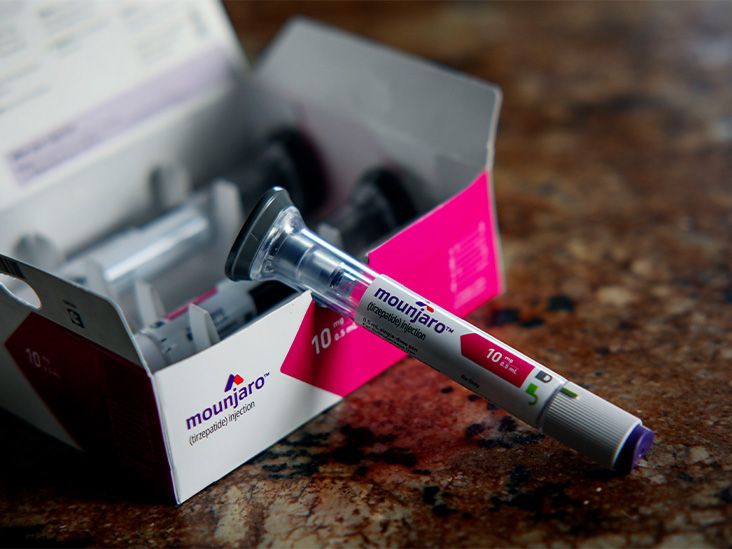
Mounjaro, the brand name for tirzepatide, is an injectable prescription medicine used with diet and exercise to help improve blood sugar in people with type 2 diabetes. In the United States, it is prescribed under medical supervision and is not something to experiment with because a friend, influencer, or gym-chat philosopher said it “worked wonders.” Your body deserves better than advice from a comment section.
Mounjaro is given as a subcutaneous injection, which means the medication goes into the fatty layer under the skin, not into a muscle or vein. The official approved injection areas are the abdomen, thigh, and the back of the upper arm when another person gives the injection.
Approved Mounjaro injection sites
1. Abdomen
The abdomen is one of the most commonly used Mounjaro injection sites because it is easy for many adults to reach. The general area is the stomach region, while avoiding the belly button area and any skin that is irritated, bruised, scarred, hard, tender, or damaged.
Many people like the abdomen because it offers a broad surface area for site rotation. Think of it like choosing a parking spot in a large lot: you do not need to park in the exact same square every week.
2. Thigh
The thigh is another approved injection area. It may be preferred by people who find the abdomen uncomfortable or who want a simple rotation plan. The front of the thigh is usually easier to access than the inner thigh, which may rub while walking and feel more sensitive.
As with any injection area, avoid skin that looks inflamed, lumpy, bruised, infected, or unusually painful. Mounjaro should be injected under the skin, so proper training from a healthcare provider matters.
3. Back of the upper arm
The back of the upper arm is also an approved Mounjaro injection site, but it should be used only when another trained person gives the injection. This is because the area can be awkward to reach correctly on your own. Twisting around like a human pretzel is not a medical technique.
If a caregiver helps, they should be trained by a healthcare professional and should follow the exact Instructions for Use included with the medication.
Why rotating Mounjaro injection sites matters
Rotation is one of the most important habits for people prescribed injectable medications. Using the same exact spot every week may increase irritation, tenderness, lumps, or skin changes. Rotating does not mean you must switch body areas every single week, but it does mean avoiding the same tiny patch of skin repeatedly.
For example, someone may use the abdomen for several doses while choosing a different spot within that area each time. Another person may rotate between abdomen, thigh, and upper arm with help. The best pattern is the one your healthcare provider approves and you can follow consistently.
General safety steps before using Mounjaro
This section is not a substitute for the official Instructions for Use. It is a safety overview to help readers understand what clinicians usually emphasize before a prescription injection.
Check the medication
Before using Mounjaro, inspect the medicine as directed in the package instructions. It should appear clear and colorless to slightly yellow. Do not use it if it looks cloudy, discolored, frozen, or contains particles. When in doubt, contact a pharmacist or healthcare provider.
Use the right product the right way
Mounjaro may come in different presentations depending on location and prescription. Do not assume all pens or vials work the same way. The device instructions matter. Using the wrong supplies, guessing, or copying online “hacks” can lead to injury, incorrect dosing, contamination, or wasted medication.
Keep the area clean
Cleanliness helps reduce the risk of irritation or infection. Follow the cleaning instructions from your healthcare provider or medication guide. Do not inject through clothing, and do not inject into skin that appears infected or damaged.
Do not mix Mounjaro with insulin
If a person also uses insulin, Mounjaro and insulin should not be mixed together in the same injection. They may sometimes be used in the same general body area, but not right next to each other. Anyone using both should follow a clinician’s plan closely because low blood sugar risk may increase when diabetes medicines are combined.
Where not to inject Mounjaro
Readers should avoid injecting Mounjaro into skin that is bruised, red, scaly, hard, swollen, scarred, infected, or painful. It should not be injected into muscle or a vein. It should also not be injected into the same exact spot week after week.
If an injection site repeatedly becomes painful, itchy, swollen, or irritated, the person should contact a healthcare professional. Mild tenderness can happen, but persistent or worsening reactions deserve attention.
When is Mounjaro usually taken?
Mounjaro is typically taken once weekly, on the same day each week, with or without food. The time of day does not have to revolve around meals. Some people choose a routine time, such as Sunday morning or Wednesday evening, because consistency is easier when the schedule is boring in the best possible way.
If a dose is missed, the official medication guidance includes specific timing rules. Because missed-dose decisions can affect safety, readers should follow the medication guide or ask their pharmacist or prescriber rather than improvising.
Common injection-site reactions
Some people may notice mild redness, itching, tenderness, or a small bump near the injection site. These reactions are often temporary, but they should be monitored. A healthcare provider should be contacted if the reaction is severe, spreads, becomes warm and painful, produces drainage, or is accompanied by fever or other concerning symptoms.
People should seek urgent medical care for signs of a serious allergic reaction, such as swelling of the face, lips, tongue, or throat; trouble breathing; severe rash; or dizziness. That is not a “wait and see” situation.
Storage basics for Mounjaro
Storage affects medication quality. Mounjaro pens are generally stored in the refrigerator and protected from light. They should not be frozen. If a pen has been frozen, dropped, damaged, overheated, or left out beyond the allowed storage window, a pharmacist or healthcare provider should be asked what to do.
Do not use medication that is expired or that has been stored incorrectly. Prescription medication is not a mystery sauce; conditions matter.
How to make Mounjaro injections feel less stressful
Create a calm routine
People often feel more comfortable when the process becomes predictable. A quiet space, clean surface, good lighting, and enough time can make the experience less intimidating. Rushing tends to make everything feel more dramatic, including tiny tasks that do not deserve a soundtrack.
Track injection sites
A simple calendar note can help prevent repeated use of the same exact spot. For example: “left abdomen,” “right abdomen,” “left thigh,” or “right thigh.” The note does not need to be fancy. It just needs to save future-you from asking, “Wait, where did I inject last week?”
Let the skin recover
If one area feels sore, ask your healthcare provider whether another approved area would be better for the next dose. Skin is not a dartboard. Give it time, rotate carefully, and avoid irritated spots.
Mounjaro injection site examples
Example rotation plan
A clinician-approved rotation plan may look something like this:
- Week 1: abdomen, left side
- Week 2: abdomen, right side
- Week 3: left thigh
- Week 4: right thigh
- Week 5: back of upper arm with trained help
This is only an example, not a personal recommendation. The best site depends on body shape, comfort, medical history, caregiver availability, and provider instructions.
Can you inject Mounjaro in the same body area every week?
In many cases, a person may use the same general body area, such as the abdomen, while choosing a different specific spot each time. The key is not to use the same exact injection point repeatedly. If the abdomen is preferred, imagine dividing the area into zones and moving around within those zones while avoiding sensitive or unsuitable skin.
Can Mounjaro be injected after eating?
Mounjaro can generally be taken with or without food. Some people prefer using it at a time when they can relax afterward, especially when they are starting therapy or adjusting to a new dose. Anyone with nausea, vomiting, or significant side effects should tell their healthcare provider.
What to ask your healthcare provider
Before using Mounjaro, readers may want to ask:
- Which injection site is best for me?
- Can you watch me practice with a demonstration device?
- What should I do if I miss a dose?
- What side effects should I report right away?
- How should I store Mounjaro when traveling?
- What should I do if I see blood, redness, swelling, or leakage?
- Can I use Mounjaro with my other diabetes medications?
Common mistakes to avoid
Using the same exact spot repeatedly
This is one of the easiest habits to develop and one of the easiest to fix. Track your sites and rotate as directed.
Ignoring the official instructions
Online summaries can be helpful, but the Instructions for Use are the boss. Device details matter, especially if product packaging changes or if a person receives a different presentation.
Using social media hacks
Do not try to stretch doses, extract extra medication, reuse supplies, or modify the device. These tricks can increase the risk of contamination, wrong dosing, and harm. Medical devices are not craft projects.
Skipping professional training
Anyone starting Mounjaro should receive clear training from a healthcare provider or pharmacist. If the first explanation was confusing, ask again. Good clinicians would rather answer a “basic” question than fix a preventable problem later.
When to call a healthcare provider
Contact a healthcare provider if injection-site symptoms are severe, spreading, or not improving. Also call for persistent vomiting, signs of dehydration, severe stomach pain, symptoms of low blood sugar, vision changes, gallbladder symptoms, or allergic reactions. Prescription medications can be helpful, but they deserve respect.
Real-world experience: what people often learn after starting Mounjaro
Many people prescribed Mounjaro say the first injection is more nerve-racking than the later ones. That makes sense. The first time, every tiny detail feels huge: Where do I sit? Did I choose the right spot? Am I holding this correctly? Why does the box suddenly look like it contains advanced space equipment?
After proper training, the process often becomes more routine. People commonly learn that preparation reduces anxiety. They choose a consistent weekly day, keep supplies in one clean place, and write down the injection site afterward. A small note in a phone calendar can prevent confusion and make rotation easier.
Another practical lesson is that comfort varies by person. One person may prefer the abdomen because it is easy to reach. Another may prefer the thigh because it feels more stable. Someone else may use the upper arm only when a trained caregiver is available. There is no universal “best” site for everyone; there is the approved site that works best for the individual under medical guidance.
People also discover that skin condition matters. Injecting into irritated or bruised skin can make the experience more uncomfortable. Waiting for an area to calm down and choosing a different approved spot can help. This is where a rotation plan earns its keep. It is not glamorous, but neither is forgetting and using the same spot three times in a row.
Some users report mild tenderness, a small mark, or brief redness. Others barely notice the injection site afterward. The important point is to monitor patterns. A tiny temporary mark is different from a reaction that spreads, worsens, becomes hot, or comes with other symptoms. When something feels off, medical advice beats guessing.
Travel is another moment when planning helps. People who travel with Mounjaro need to understand storage rules, temperature limits, and safe transport before leaving home. Waiting until airport security is staring at your bag is not the ideal time to learn medication logistics. A pharmacist can explain how to pack the medication safely and what to do if it gets too warm or too cold.
Finally, many people learn that Mounjaro is not just an injection routine; it is part of a larger treatment plan. Nutrition, hydration, blood sugar monitoring when advised, side-effect tracking, and follow-up visits all matter. The injection site is important, but it is only one piece of the puzzle. A thoughtful routine can make treatment feel less mysterious and more manageable.
Conclusion
Mounjaro injection sites include the abdomen, thigh, and the back of the upper arm when another person gives the injection. The safest approach is simple: use only approved sites, rotate with each weekly dose, avoid irritated skin, follow the official Instructions for Use, and ask a healthcare professional for training. Mounjaro is a prescription medication, not a DIY wellness trend, and careful technique helps support comfort, safety, and consistency.