

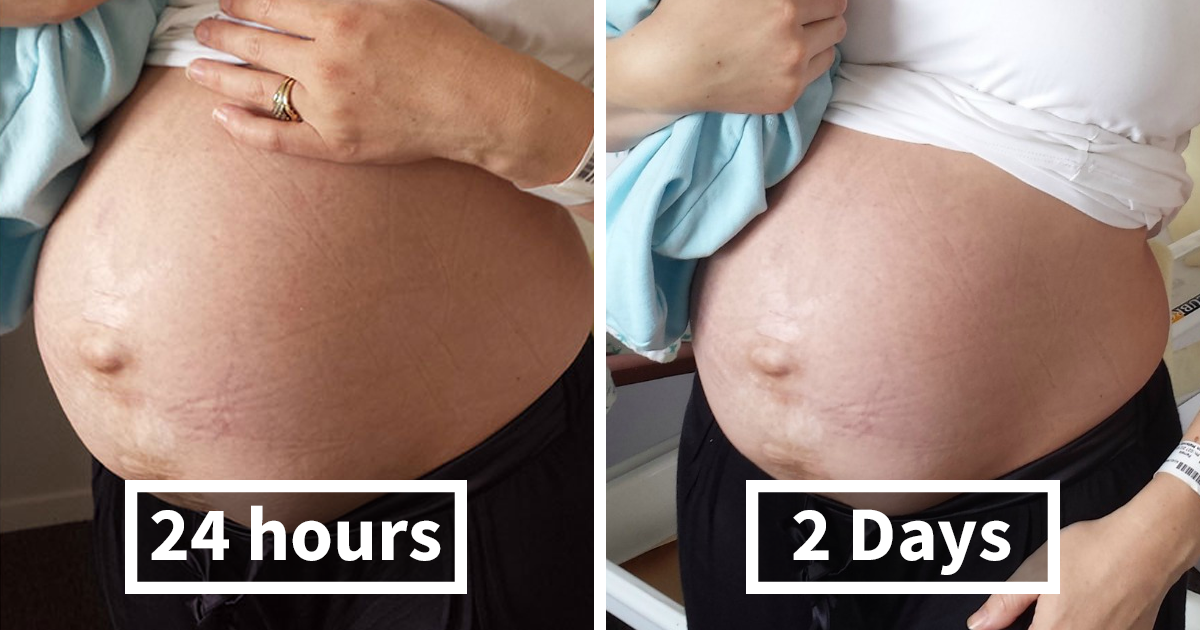
Let’s begin with a truth that deserves better PR: the postpartum body is not a “before and after” project. It is not a makeover show. It is not an emergency. And it is definitely not failing because your jeans, your mirror, or some suspiciously well-lit social media post says otherwise.
Your body just built a human, delivered that human, and then immediately got handed a brand-new job with no training manual, very little sleep, and snacks that somehow always go missing. Of course it looks different. Of course it feels different. Of course recovery is not neat, linear, or photo-ready by Tuesday.
The real postpartum body is softer in some places, sorer in others, and honestly a little dramatic at times. It sweats, leaks, cramps, sheds hair, holds fluid, changes shape, and asks for more patience than modern culture usually offers. But none of that means something is wrong. In many cases, it means healing is happening.
This is for every mom standing in the bathroom under harsh lighting wondering, Is this normal? In many cases, yes. Very normal. And just as important: you are still beautiful. Not “once you bounce back.” Not “after you lose the baby weight.” Right now. In the middle of the fourth trimester. In the brave, messy, powerful middle.
What a Real Postpartum Body Actually Looks Like
Postpartum recovery is often sold like a highlight reel, but real life is a little less glamorous and a lot more honest. Your belly may still look rounded for a while. Your uterus needs time to shrink back down. Your abdominal muscles may feel weak or separated. Your breasts may feel heavy, tender, leaky, or suddenly determined to operate on their own schedule. Bleeding and discharge can continue for weeks. Hormones can make you sweat like you are training for a marathon you never signed up for.
That does not mean your body is broken. It means your body is adjusting after pregnancy and birth. Recovery is work, even when you are sitting still. Healing is happening whether or not it looks glamorous from the outside.
Your belly may still look pregnant for a while
One of the biggest surprises for many moms is how normal it is to still have a round, soft belly after delivery. That does not mean you “didn’t lose the weight fast enough.” It means your uterus is shrinking, your abdominal wall is recovering, and your tissues are not on a reality-show timeline. Some moms also notice a gap in the abdominal muscles, commonly called diastasis recti, which can make the midsection feel weak or domed.
Bleeding, discharge, and cramps are part of the plot
Postpartum bleeding, called lochia, is common after birth, even after a C-section. It usually changes over time in color and amount as your body clears out blood and tissue. You may also feel cramping, especially while breastfeeding, because the uterus is contracting back toward its pre-pregnancy size. Not glamorous, but normal. Your uterus understood the assignment. It is just doing it with a little attitude.
Your breasts may feel like they joined another department
If you are breastfeeding, bottle-feeding, combo-feeding, or still figuring it out, your breasts can change a lot. They may become full, warm, sore, or engorged when milk comes in. They may leak at inconvenient times, like during a grocery run, a nap, or any moment you had hoped to feel put together. This is common. It is also a reminder that postpartum body changes are not just cosmetic. They are functional, hormonal, and deeply physical.
Hair, skin, sweat, and all the weird little surprises
Many moms notice postpartum hair shedding a few months after birth. During pregnancy, hormones can keep hair in a longer growth phase. After delivery, those hormone levels shift, and the extra hair may shed. It can feel alarming when the shower drain starts looking emotional, but it is often temporary. Skin changes, stretch marks, dry patches, acne, and increased sweating also show up for plenty of women. Your body is not being rude. It is recalibrating.
Why Postpartum Body Changes Are Normal
The word “normal” matters here. Not because every postpartum experience is identical, but because too many mothers assume change means failure. It does not. Pregnancy affects muscles, hormones, blood volume, skin, connective tissue, the pelvic floor, sleep, appetite, mood, and energy. Birth adds another layer of healing, whether vaginal or surgical. The fourth trimester is real, and the body needs time.
Unfortunately, many women are pressured to “get their body back” as if it wandered off and forgot to leave a note. But your body did not disappear. It changed. It adapted. It carried life. The goal is not punishment. The goal is recovery, support, and respect.
There is no universal bounce-back timeline
Some swelling fades quickly. Some changes take weeks. Some take months. Some become part of your new normal. That can include stretch marks, looser skin, a different bra size, a softer stomach, wider hips, or a new relationship with movement and rest. None of those things cancel beauty. None of them reduce worth.
Healing is not only physical
Body image after pregnancy is complicated because postpartum life is not just about appearance. It is also about identity, sleep deprivation, feeding decisions, changing routines, and the emotional whiplash of loving a baby while wondering why your own body suddenly feels unfamiliar. You can be grateful for your baby and still need time to adjust to your reflection. Those truths can exist together.
The Emotional Side of Postpartum Self-Image
A lot of moms do not actually hate their postpartum body. They hate the pressure around it. They hate being asked when they will “feel like themselves again.” They hate the cultural nonsense that treats recovery like a race. They hate that celebrity magazine covers and filtered videos can make normal healing look like a problem to fix.
Postpartum self-image deserves gentleness. You are allowed to miss your old body sometimes. You are also allowed to admire your current one. You are allowed to feel proud and uncomfortable in the same hour. Motherhood contains multitudes, and apparently so do elastic waistbands.
Baby blues versus something more serious
Mood swings, tearfulness, and feeling overwhelmed can happen in the first days after birth. But if sadness, hopelessness, anxiety, panic, numbness, or disconnection linger or intensify, it is important to talk to a health care professional. Taking care of your mental health is not a side quest. It is part of postpartum care. A beautiful message about postpartum bodies should always leave room for the truth that emotional recovery matters too.
How To Support a Healthy Postpartum Recovery Without Declaring War on Your Body
There is a big difference between caring for your body and trying to “fix” it. One is recovery. The other is a panic response dressed up as wellness. New moms deserve practical, compassionate support instead.
Rest like it counts, because it does
Rest is not laziness. It is repair. Postpartum recovery asks a lot from muscles, tissues, hormones, and the nervous system. Sleep may be fragmented, but small windows of rest still matter. Sit down when you can. Accept help when it is offered. Ignore anybody who thinks healing should look productive.
Eat to recover, not to punish
Your body needs nourishment after birth. Protein, fiber, fluids, and regular meals can support healing, energy, and breastfeeding if you are nursing. This is not the season for crash diets or trying to “erase” evidence of pregnancy as fast as possible. Your body is busy doing repair work behind the scenes. Feed the crew.
Start movement with respect, not revenge
Gentle movement can be helpful once your provider says it is appropriate. Walking, pelvic floor exercises, breathing work, and gradual return to strength can support recovery. But postpartum exercise is not a punishment plan for a body that changed. It is a way to rebuild comfort, stamina, and function. The best starting point is not “How fast can I get smaller?” It is “What helps me feel stronger and more supported?”
Keep your follow-up appointments
Postpartum checkups matter. They are not optional bonus content. They are part of caring for bleeding, healing, pain, mood, feeding concerns, blood pressure, sleep, pelvic floor symptoms, and overall recovery. If something feels off, speak up before your scheduled visit. You do not need permission to ask for help.
When “Normal” Needs a Medical Check-In
Body-positive does not mean dismissing symptoms. Some discomforts are common after birth, but certain warning signs need urgent attention. Heavy bleeding, fever, chest pain, trouble breathing, severe headache, major swelling, vision changes, severe belly pain, or redness and pain in one leg should not be brushed off as “just postpartum stuff.” The same goes for mental health symptoms that feel intense, persistent, or frightening.
Trust your instincts. If something feels unusual, worsening, or scary, call your doctor or seek urgent care. Strong moms are not the ones who silently power through everything. Strong moms are the ones who listen to their bodies and get help when they need it.
You Are Still Beautiful, Even If You Don’t Feel Like It Yet
Let’s talk about beauty, because postpartum culture often acts like beauty only counts once the swelling is gone, the stomach is flatter, and your leggings are no longer the hardest-working item in the house. That idea deserves to be launched into the sun.
Beauty after birth is not limited to appearance. It is in the scar that closed. The breasts that nourished. The hips that widened. The belly that stretched. The hands that rock the baby at 3 a.m. The eyes that look tired because they are loving someone around the clock. The body that may feel unfamiliar, but is still yours.
You do not have to earn beauty by shrinking. You do not have to wait until you “recognize yourself again.” You are not less lovely because your body tells the truth about what it has been through. In fact, there is something deeply powerful about a body that looks like it has lived, carried, labored, healed, and continued.
Real Experiences Moms Quietly Recognize
Here is the part many women nod along to in private. You catch your reflection for the first time after coming home with the baby, and it feels like meeting a version of yourself no one properly introduced. Your belly is soft. Your face looks tired. Your hair is in survival mode. You may still be wearing a hospital mesh situation that no fashion editor has ever honored nearly enough. And for a second, you wonder whether this version of you is temporary or permanent.
Then the baby cries. Or spits up. Or falls asleep on your chest so sweetly that time stops for a minute. And suddenly your body is no longer just something to look at. It is a place of comfort, food, warmth, and safety. That shift can be emotional. Not magical every second, but meaningful.
Many moms describe the first shower after birth as a strangely dramatic event. You are alone for five minutes, trying to wash your hair, noticing soreness, stitches, swelling, leaking milk, and a level of exhaustion that deserves its own trophy. It is humbling. It is weird. It is real. And it often becomes the moment you realize postpartum recovery is not cosmetic. It is full-body healing.
There are also the tiny, tender moments no one posts about. Pulling on underwear that does not fit the way it used to. Looking down at stretch marks that seem darker than before. Feeling frustrated because everyone asks about the baby, while your own healing becomes background noise. Wincing when you laugh. Crying because you cannot find a clean burp cloth and somehow that feels like the end of civilization.
And yet, slowly, your relationship with your body can soften. Not because every change disappears, but because you begin to understand what your body has done. You realize the softness is not weakness. The scar is not ugliness. The fatigue is not failure. The new shape is not a mistake. It is evidence.
Some moms grow to love their postpartum body quickly. Others need more time. Some never return to their exact pre-pregnancy shape, and that is not a tragedy. It is a life event written in muscle, skin, memory, and strength. There is no medal for pretending none of it happened.
So if you are in that phase where you do not quite feel confident yet, let this stand in for the reassurance you may not be hearing enough: your body is not too much, too soft, too marked, too changed, or too late. It is a postpartum body. A real one. A human one. A beautiful one. And every mom deserves to hear that until she can believe it for herself.
Final Thoughts
The real postpartum body is not a problem to solve. It is a season of recovery, adjustment, and enormous strength. Yes, it may look different. Yes, it may feel unfamiliar. But different does not mean damaged, and unfamiliar does not mean unworthy.
If more moms heard the truth earlier, fewer would waste precious energy fighting their reflection while trying to heal and care for a newborn. So let’s say it clearly: postpartum body changes are normal, help is available when something feels off, and beauty does not end where recovery begins. It lives there too.